
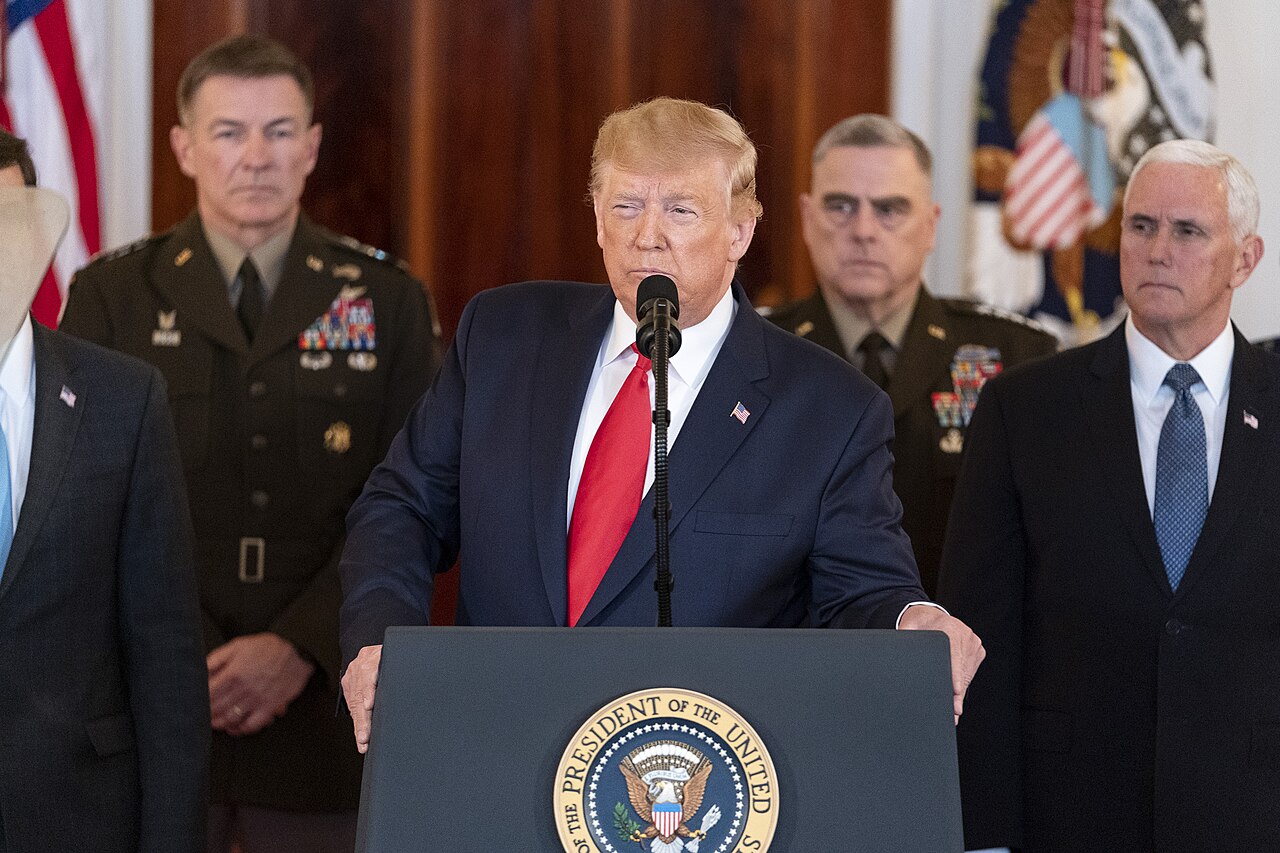
President Donald Trump has renewed his threat against Iran, warning that the United States could launch another round of military strikes within days if Tehran refuses to accept terms for a new agreement aimed at ending the ongoing Middle East conflict.
Speaking Tuesday, Trump said he had been “an hour away” from authorizing a fresh military assault before deciding to hold back following new diplomatic efforts involving Gulf allies and Pakistani mediators.
“Well, I mean, I’m saying two or three days, maybe Friday, Saturday, Sunday, something, maybe early next week,” Trump said when asked about possible military action. “Because we can’t let them have a new nuclear weapon.”
The president also claimed Iran’s leadership was “begging” for a deal, while warning that any future U.S. attack would deliver “a big hit.”
Ceasefire Remains Fragile as Conflict Stalls
Trump’s latest warning comes despite a ceasefire that has technically remained in place since early April following weeks of devastating U.S.-Israeli airstrikes and Iranian retaliation across the Middle East.
Analysts say the war has effectively reached a deadlock.
While both Washington and Tehran appear eager to avoid returning to full-scale conflict, neither side has shown willingness to make the major concessions needed to finalize a peace agreement.
“Trump’s threats have lost all credibility,” said Neil Quilliam of Chatham House. “Both sides are too far apart in terms of what they are willing to accept, but neither side wants to go back to war.”
Since the ceasefire began on April 8, the two sides have reportedly held only one formal negotiating session in Islamabad, Pakistan, lasting roughly 21 hours without success.
Pakistani officials acting as mediators have reportedly complained that both countries continue changing their demands throughout negotiations.
Hormuz Crisis Continues to Shake Global Markets
One of the biggest unresolved issues remains the Strait of Hormuz, the strategic shipping lane that previously carried nearly 20% of the world’s oil and liquefied natural gas supplies.
Iran continues restricting much of the commercial traffic through the strait while the United States maintains a naval blockade around Iranian ports.
The disruption has sent global oil prices soaring and fueled inflation concerns worldwide.
Iran recently announced the formation of a new “Persian Gulf Strait Authority” to oversee activity in the waterway, while Iranian military officials warned they could expand restrictions further.
Military spokesperson Mohammed Akraminia said Tehran would continue defending what it considers its sovereign rights in the region.

Iran Rejects U.S. Demands
Iranian officials have described American demands as “excessive” and remain publicly defiant despite Trump’s threats.
According to Iranian state media, Tehran’s latest proposal includes:
- Ending hostilities across the Middle East, including Lebanon
- Lifting U.S. sanctions
- Releasing frozen Iranian assets
- Ending the American naval blockade
- Compensation for damage caused during the war
- Withdrawal of U.S. forces from areas near Iran
The proposal reportedly differs little from previous Iranian offers that Trump rejected last week as “garbage.”
At the same time, Iranian officials warned that any new military assault would trigger retaliation against U.S. forces, Israel, and Gulf infrastructure.
Experts believe Iran could target oil facilities, ports, airports, and energy systems across the region if fighting resumes.
Political Pressure Builds on Trump
Trump’s handling of the conflict is also becoming a growing domestic political issue ahead of the 2026 midterm elections.
Recent polls show rising public opposition to the war, especially as inflation and fuel prices continue climbing due to the ongoing Hormuz crisis.
White House officials are reportedly concerned that prolonged conflict could hurt Republican chances of maintaining control of Congress.
Meanwhile, Iran is also facing mounting internal pressure.
Human rights groups say thousands of people have been arrested since the war began, while inflation and economic hardship continue worsening inside the country.
The Human Rights Activists News Agency (Hrana) reported more than 4,000 arrests between February 28 and May 9, along with over 3,600 deaths linked to U.S.-Israeli attacks, including civilians.
Featured image from: The White House from Washington, DC, Public domain, via Wikimedia Commons