
U.S.–Israel strikes, regional retaliation, and rising oil prices are pulling more countries into a rapidly escalating conflict
The conflict between the United States, Israel, and Iran is widening rapidly, drawing in countries across the Middle East, disrupting global travel, and raising concerns about the global economy.
Just days after the U.S. and Israel launched coordinated strikes against Iran, the situation has intensified with missile exchanges, regional attacks, and growing fears that the conflict could escalate further.
President Donald Trump has warned the fighting could last up to four weeks, signaling that the current phase of the war may only be the beginning.
Military officials have also cautioned that the campaign is far from over.
“This is not a single, overnight operation,” Gen. Dan Caine, chairman of the Joint Chiefs of Staff, said during a briefing at the Pentagon.
New Fronts Opening Across the Region
The conflict expanded significantly this week as multiple countries across the Middle East experienced missile strikes, drone attacks, and air-defense interceptions.
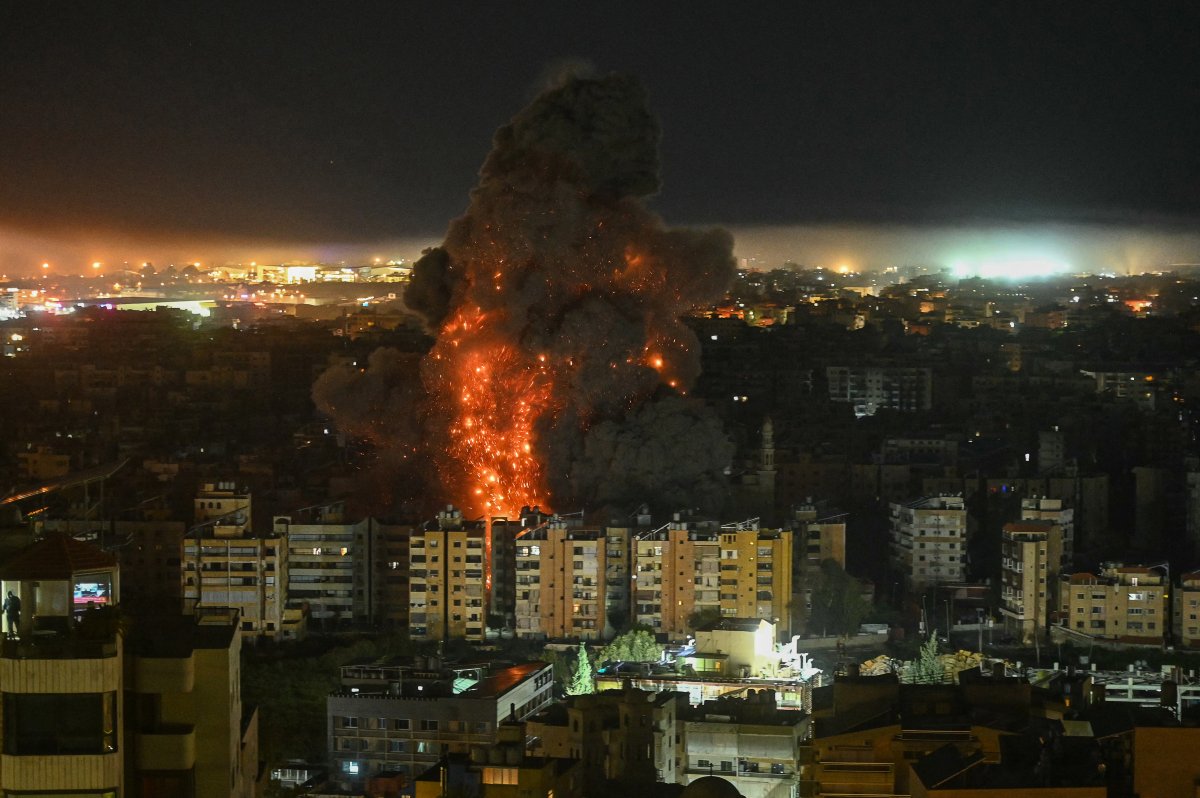
Israel carried out new strikes targeting Iranian military infrastructure and positions linked to the Iran-backed group Hezbollah in Lebanon.
In response, Hezbollah launched rockets toward northern Israel, which triggered another wave of Israeli airstrikes in Beirut and southern Lebanon.
At the same time, Iranian missiles and drones targeted several countries in the region that host U.S. military facilities, including:
- Saudi Arabia
- Bahrain
- Kuwait
- Qatar
- The United Arab Emirates
Many of those attacks were intercepted by air-defense systems, but several strikes reached their targets.
U.S. officials say at least six American service members have been killed, while more than a dozen others have been seriously wounded since the conflict began.
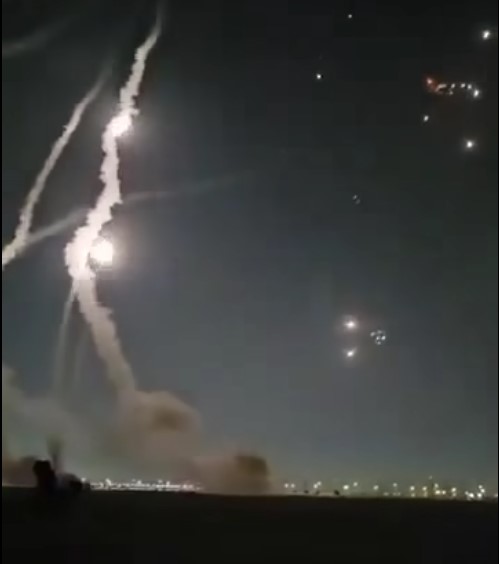
Image screenshot from Facebook: Ahmed Fouad Alkhatib
Airspace Closures and Stranded Travelers
The rapidly escalating conflict has also triggered major disruptions to international travel.
The U.S. government has urged Americans to leave several countries in the Middle East immediately, warning of serious safety risks.
However, the advisory comes as large sections of the region’s airspace have been closed due to missile activity and military operations.
As a result, thousands of travelers have become stranded.
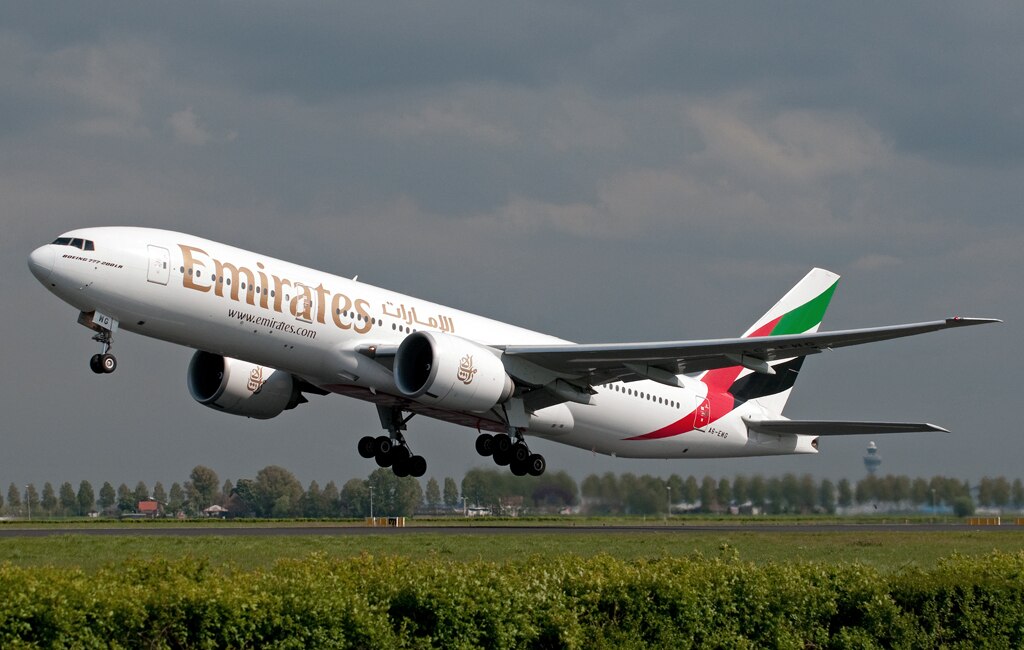
Major international airline hubs such as Dubai, Abu Dhabi, and Doha have suspended or canceled numerous flights while airlines reassess the safety of routes through the region.
Carriers including Emirates, Etihad, and Qatar Airways have temporarily halted flights in and out of several airports.
The disruptions have affected global aviation networks because these airports serve as major transit points connecting Europe, Asia, and Africa.
Casualties Rising in Iran and Israel
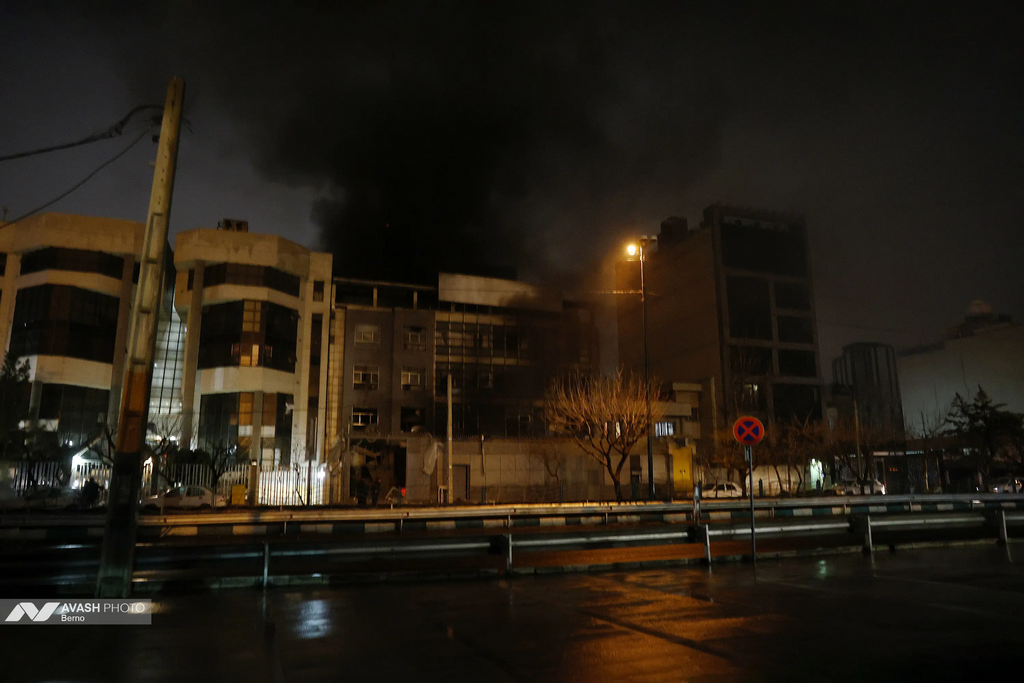
The joint U.S.–Israeli bombing campaign that began over the weekend has caused significant casualties in Iran.
According to the Iranian Red Crescent, at least 555 people have been killed so far in the strikes.
Iranian state media reported that one attack struck a girls’ elementary school, killing at least 168 people, though those figures have not been independently verified.
Among those killed in the broader military campaign was Ayatollah Ali Khamenei, Iran’s Supreme Leader for more than three decades.
His death represents a historic turning point for Iran’s political system and has created uncertainty about the country’s leadership.
A temporary three-person leadership council is now overseeing the government while the process of selecting a new supreme leader begins.
The council includes:
- President Masoud Pezeshkian
- Judiciary chief Gholamhossein Mohseni Ejei
- Senior cleric Alireza Arafi
It remains unclear how long the leadership transition could take.
Questions Over the Goals of the War
U.S. and Israeli leaders say the primary objective of the strikes is to eliminate Iran’s ability to develop nuclear weapons and weaken its military infrastructure.
President Trump and Israeli Prime Minister Benjamin Netanyahu have both argued the operation was necessary to prevent future threats.
“This is about protecting our people and preventing nuclear weapons,” Trump said in recent remarks.
However, the long-term goals of the campaign remain unclear.
U.S. Defense Secretary Pete Hegseth said the war is not intended to bring about regime change in Iran.
Instead, he said the military focus is on:
- Destroying Iran’s missile capabilities
- Neutralizing naval threats
Preventing nuclear weapons development
Some analysts believe the conflict could still reshape Iran’s political leadership if the current government becomes destabilized.
Global Energy Markets on Edge
Beyond the battlefield, the war is already having significant economic consequences.
Oil and gas prices surged sharply as fears grew that the conflict could disrupt energy supplies from the Middle East.
On Monday:
- Brent crude oil rose nearly 9% to around $79 per barrel
- West Texas Intermediate (WTI) climbed about 8% to roughly $73 per barrel
Natural gas markets also reacted dramatically after Iran reportedly attacked a major liquefied natural gas facility in Qatar, forcing a halt in production.
One of the biggest concerns for global markets is the Strait of Hormuz, a narrow shipping route between Iran and Oman.
Roughly one-fifth of the world’s oil and liquefied natural gas shipments pass through the strait.
Iranian military officials have warned that ships attempting to pass through the area could become targets.
Even before those warnings, tanker traffic through the strait had slowed significantly due to safety concerns.
A Conflict With Uncertain Limits
With missile strikes continuing, military operations expanding, and energy markets reacting, the conflict is already having global consequences.
President Trump has suggested the war could continue for several weeks, though military officials say the situation remains fluid.
For now, the conflict is spreading across multiple fronts, from the skies over Israel and Iran to diplomatic tensions, energy markets, and international travel.
And with more countries becoming involved, the biggest question remains how far the war could ultimately spread.
Featured Image from facebook: Al Jazeera English