

A fragile ceasefire unravels as shipping chaos, military risks, and global stakes intensify
The Strait of Hormuz, one of the most critical arteries of the global economy, is once again at the center of a rapidly escalating crisis.
Iran has moved to reassert control over the waterway, effectively closing it again just hours after briefly reopening it, citing the ongoing U.S. naval blockade of its ports as the trigger.
The move underscores a growing reality:
What was once a pressure tactic is now turning into a high-stakes standoff with global consequences.
A Sudden Reversal
Iranian officials announced that control of the Strait of Hormuz had “returned to its previous state,” signaling renewed restrictions on maritime traffic.
The decision came shortly after a short-lived reopening, during which more than a dozen commercial vessels began transit following a temporary ceasefire arrangement tied to broader regional tensions.
That window didn’t last.
Reports quickly emerged of Iranian gunboats firing on a tanker attempting to cross, while other ships reversed course amid confusion and rising risk.
By mid-day, shipping patterns had already shifted.
Some vessels pushed through.
Others turned back.
Uncertainty took over.
Why Iran Closed the Strait Again
Tehran has framed the move as a direct response to the U.S. blockade of its ports.
Iran’s Revolutionary Guard described the blockade as “acts of piracy and maritime theft,” arguing that restricting Iranian exports leaves it with few options but to control the strait.
The message from Iran is clear:
If its oil cannot leave, neither can anyone else’s freely.
Officials also signaled that restrictions will remain in place until the U.S. restores what Iran calls “full freedom of navigation” for its vessels.
That condition effectively ties the reopening of one of the world’s most vital shipping lanes to a broader geopolitical negotiation.
The Global Impact of One Narrow Waterway
Roughly 20% of the world’s oil supply moves through the Strait of Hormuz.
That makes even partial disruption a global concern.
The current situation is not a full shutdown, but it is unstable enough to affect behavior.
Shipping companies are already hesitating.
Routes are being reconsidered.
Insurance risks are rising.
Experts say uncertainty alone can be enough to disrupt global supply chains, even without a complete blockade.
International Reactions Are Growing
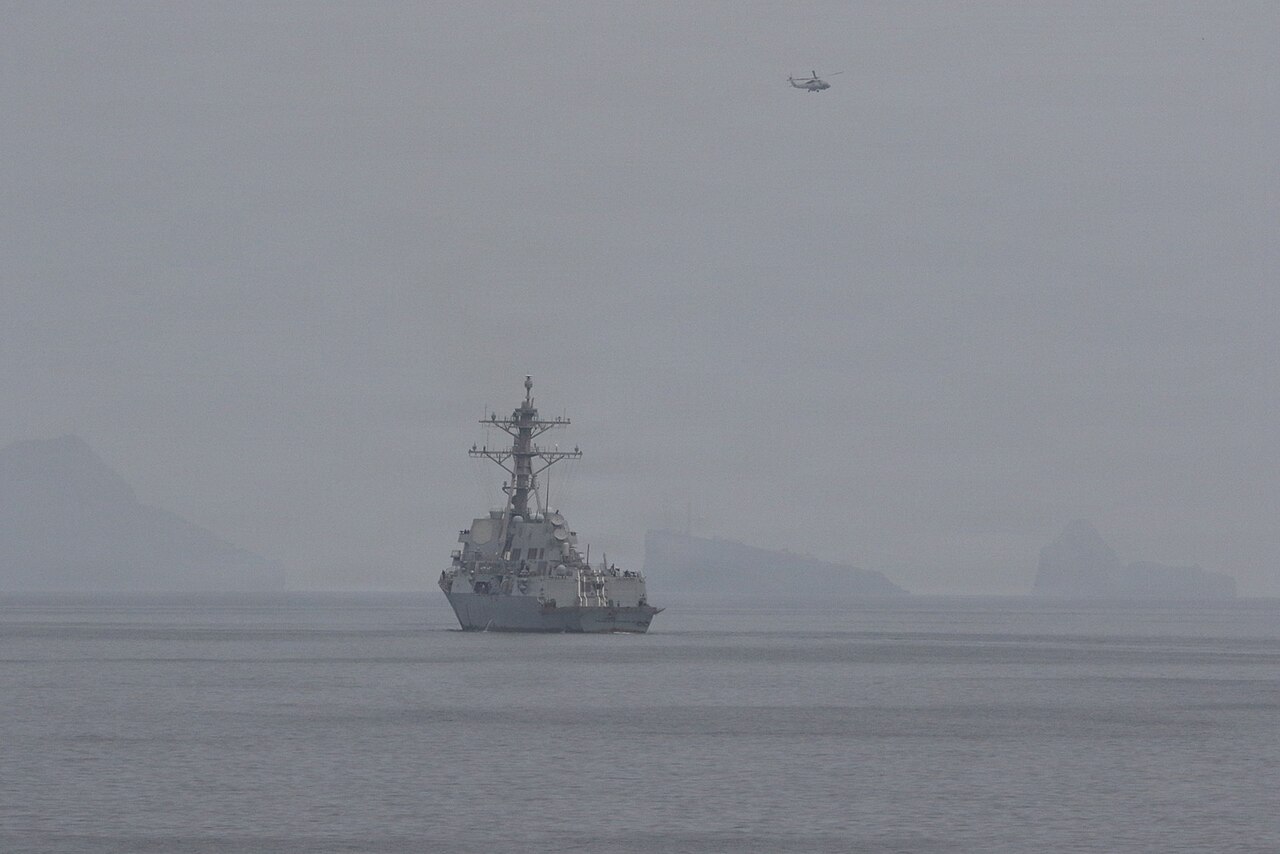
India has already responded after a reported shooting incident involving two of its vessels.
New Delhi summoned Iran’s ambassador, expressing concern and urging the immediate restoration of safe passage.
At the same time, Iran has continued allowing limited transit for what it considers “friendly” nations, including ships linked to China, India, and several Asian and Middle Eastern countries.
That selective access reflects a broader strategy:
Control the flow, but not shut it down entirely.
The U.S. Position
The United States maintains that its blockade is aimed at pressuring Iran to negotiate over its nuclear program and regional actions.
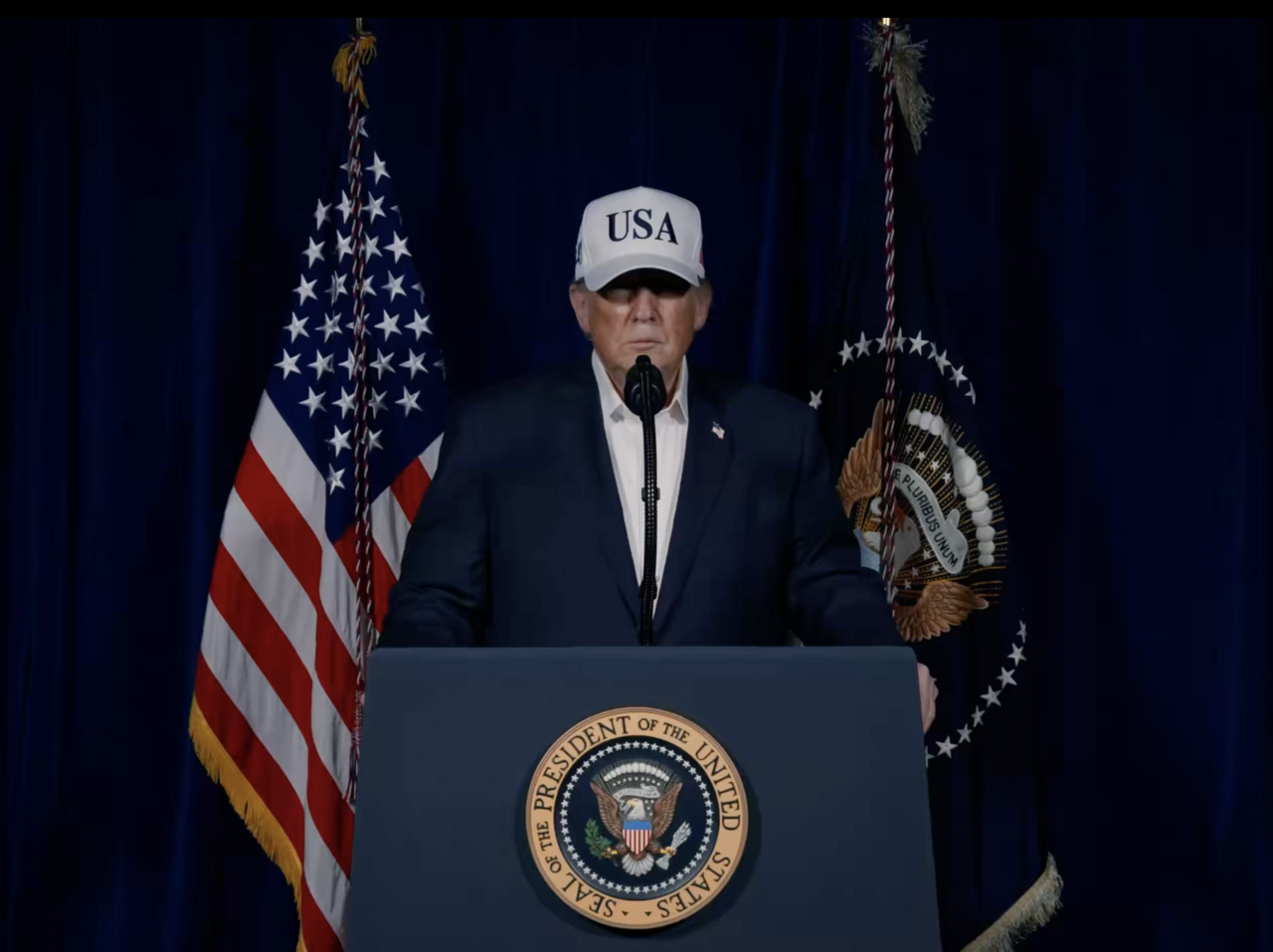
President Donald Trump has signaled that military pressure could intensify if progress is not made, warning that strikes could resume if talks fail.
At the same time, U.S. officials have indicated they are not attempting to block all shipping, only vessels connected to Iranian ports.
But on the ground, or rather, at sea, the distinction is proving difficult to enforce.
And that ambiguity is contributing to the chaos.
A Breakdown in Diplomacy
The latest developments come after peace efforts stalled.
Talks between the U.S. and Iran have not produced a new agreement, with Tehran accusing Washington of undermining negotiations.
Iran is reportedly seeking a broader package that goes beyond the immediate conflict, including:
Security guarantees
Sanctions relief
Access to frozen assets
Recognition of its nuclear position
So far, those demands remain unresolved.
“Uncertainty Is the Name of the Game”
Experts say the current moment is defined less by clear policy, and more by confusion.
Conflicting signals from multiple sides have made it difficult for shipping companies, governments, and analysts to determine what the real conditions are on the ground.
Some ships are attempting transit.
Others are turning back mid-route.
Information is changing rapidly.
That unpredictability increases the risk of miscalculation, one of the most dangerous factors in any conflict zone.
The Risk of Escalation
The situation now carries multiple layers of risk:
Direct confrontation between naval forces
Accidental clashes involving commercial vessels
Wider geopolitical tensions involving major powers
Even a single incident, whether intentional or accidental, could trigger a broader escalation.
And with so many actors involved, controlling that escalation becomes significantly harder.
What Happens Next
The immediate future depends on several uncertain factors:
Whether the U.S. adjusts or maintains its blockade
Whether Iran tightens or relaxes control over the strait
Whether diplomatic talks resume in a meaningful way
For now, none of those outcomes are guaranteed.
What is clear is that the Strait of Hormuz is no longer just a pressure point.
It is becoming the central battleground of a much larger conflict.
The Bottom Line
Iran’s decision to close the Strait of Hormuz again marks a turning point.
The conflict has moved beyond isolated strikes and into the realm of global economic leverage.
Oil flows, shipping routes, and international alliances are now directly affected.
And as both sides dig in, the margin for error is shrinking.
Because in a place where so much of the world’s energy passes through such a narrow space, even small disruptions can have massive consequences
Featured Image from: Tasnim News Agency, CC BY 4.0, via Wikimedia Commons