
The Strait of Hormuz, one of the world’s most strategically important waterways, is once again at the center of escalating tensions between Iran and the United States.
Iran announced this week that the vital shipping route is now completely closed to oil tankers and commercial vessels, warning that any ship attempting to transit the strait could be targeted by Iranian forces.
The announcement immediately rattled energy markets and raised fresh concerns about the possibility of a wider regional war.
Yet the declaration also sparked confusion among analysts and shipping companies, as Iran has repeatedly claimed the strait was closed since the outbreak of the current conflict in late February.
So what has actually changed?
The answer lies in how Iran has enforced the closure over the past several months.

A Waterway Vital to the Global Economy
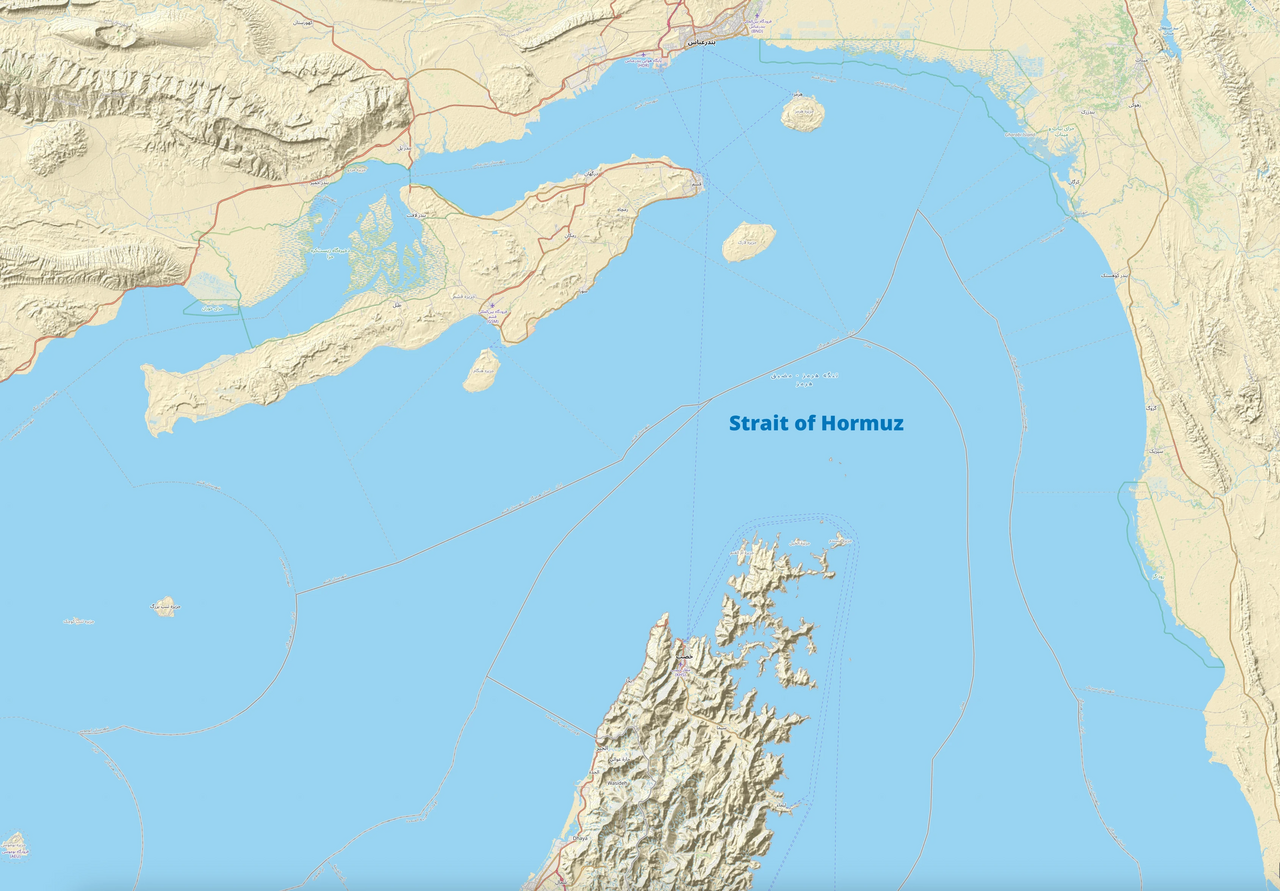
The Strait of Hormuz connects the Persian Gulf to the Gulf of Oman and the Arabian Sea.
Under normal circumstances, roughly 20 percent of the world’s oil and liquefied natural gas passes through the narrow maritime corridor.
Major energy producers including Saudi Arabia, Iraq, Kuwait, Qatar and the United Arab Emirates rely on the route to reach international markets.
Because there are few viable alternatives, any disruption in Hormuz immediately impacts global energy prices.
Before the current conflict erupted, oil prices hovered around $65 per barrel.
Since the first closure announcement in March, prices have surged dramatically, at times climbing above $120 per barrel.
Why Iran Is Announcing Another Closure
Iran initially declared the Strait of Hormuz closed on March 2 following the first wave of U.S. and Israeli strikes against targets in Iran.
At the time, senior Revolutionary Guard officials warned that vessels attempting to cross could be attacked.
However, despite those threats, the waterway was never completely sealed.
Instead, Iran adopted a selective approach.
Certain vessels, particularly those from countries considered friendly or neutral, were allowed to transit after coordinating with Iranian authorities.
Reports indicated ships from China, India, Malaysia, Egypt and South Korea were among those permitted to pass.
Some shipping industry reports also suggested that vessels paid significant fees to secure safe passage through the waterway.
As a result, while shipping traffic fell dramatically, it never stopped entirely.
Iran’s latest announcement signals a tougher stance.
Military officials now say all commercial traffic is prohibited as tensions with Washington continue to escalate following a fresh round of U.S. airstrikes.
Escalation Between Washington and Tehran
The latest closure follows several days of military exchanges between the United States and Iran.
Iranian officials say U.S. strikes hit targets near Bandar Abbas, Qeshm Island and parts of southern Iran this week.
American officials have described the operations as defensive actions designed to protect U.S. personnel and international shipping.
The situation intensified after a U.S. Apache helicopter was reportedly brought down near the Strait of Hormuz earlier this week.
Iran denied deliberately targeting the aircraft, but the incident triggered a new cycle of retaliation.
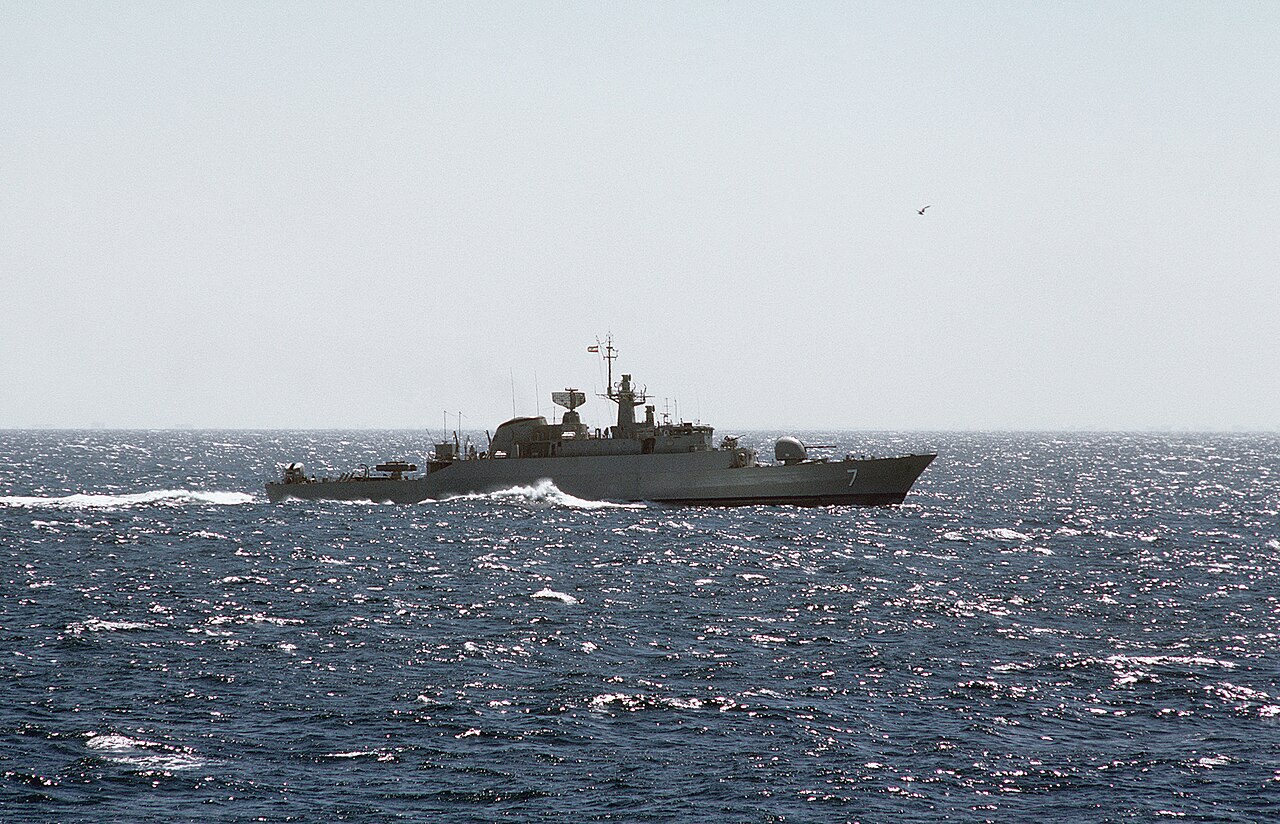
Iran’s Islamic Revolutionary Guard Corps subsequently launched drone attacks against the U.S. Fifth Fleet in Bahrain and fired missiles toward regional military installations.
The United States responded with additional strikes against what it described as key Iranian military facilities.
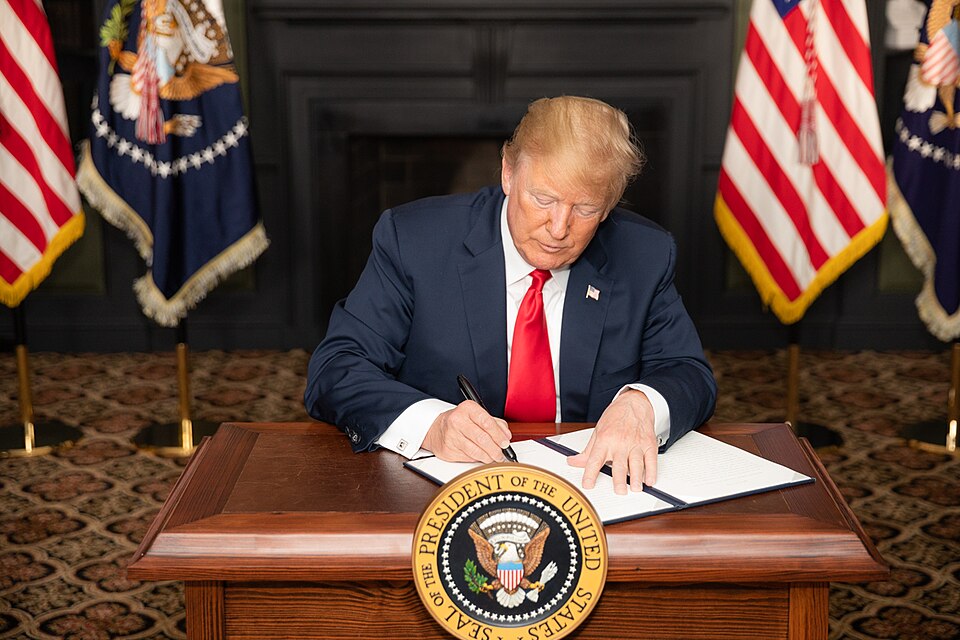
President Donald Trump defended the operations, arguing Iran had failed to negotiate in good faith.
“They’ve taken too long to negotiate a deal that would have been great for them; now they will have to pay the price,” Trump said.
Is the Ceasefire Falling Apart?
The latest fighting raises serious questions about the future of the fragile ceasefire established in April.
Although direct talks between Washington and Tehran collapsed earlier this spring, both sides have continued exchanging proposals through Pakistani mediators.
One of the biggest obstacles remains Iran’s insistence that any final agreement address Israeli military operations in Lebanon.
Israel has rejected linking the two issues.
Military analysts warn that recent exchanges could push both sides toward a broader conflict.
Brussels-based analyst Elijah Magnier described the current situation as particularly dangerous because repeated retaliation increases the risk of miscalculation.
“The most dangerous thing is that each side believes they can control the escalation,” he said.
Experts warn that a single incident crossing a perceived red line could trigger a much larger regional war.
Ships Are Still Moving , But At Great Risk
Despite repeated closure announcements, some vessels have continued to pass through the strait during the conflict.
Shipping intelligence firms estimate that hundreds of vessels have navigated the waterway since late February, although traffic remains well below normal levels.
Before the war, approximately 100 ships crossed the strait each day.
Since the conflict began, only a fraction of that number has continued operating.
Many vessels have reportedly disabled tracking systems while transiting the region to avoid becoming targets.
Others have relied on direct coordination with Iranian authorities.
The risks, however, remain severe.
According to shipping analysts, more than 20 vessels have been attacked or seized since the conflict began.
Several tankers have been fired upon, detained or diverted.
Both U.S. and Iranian forces have accused each other of interfering with commercial shipping.
What Is Iran Trying to Achieve?
Iranian officials insist that maintaining control over the Strait of Hormuz is essential to national security.
Foad Izadi, a professor at the University of Tehran, said the waterway remains one of Tehran’s most valuable sources of leverage.
“Iran will pay whatever price that comes with that because that gives you leverage,” he said.
Some analysts believe recent U.S. strikes against radar installations and military sites near the Gulf are intended to weaken Iran’s ability to monitor and control maritime traffic.
Others argue that Iran possesses sufficient missile and drone capabilities to maintain pressure regardless of damage to coastal facilities.
Many experts believe neither side can achieve its objectives through military action alone.
Instead, they argue that only renewed negotiations can provide a lasting solution.
Global Markets Remain on Edge
The renewed closure announcement has reignited fears of a prolonged energy crisis.
Beyond oil, disruptions in the Strait of Hormuz have affected the shipment of fertilizers, pharmaceuticals and other essential goods.
Analysts warn that continued instability could fuel inflation, disrupt supply chains and increase the risk of a global economic slowdown.
Energy traders reacted cautiously to Iran’s latest declaration.
While oil prices initially surged, markets later stabilized as investors tried to assess whether the closure would be fully enforced.
Still, experts warn that uncertainty alone is enough to keep prices elevated.
The latest developments also place additional pressure on the Trump administration, which faces growing scrutiny over its handling of the conflict.
As fighting intensifies and diplomatic efforts stall, the Strait of Hormuz remains both a symbol of Iran’s leverage and a potential flashpoint that could draw the region into an even wider war.
Featured image from: Shealeah Craighead, Public domain, via Wikimedia Commons