
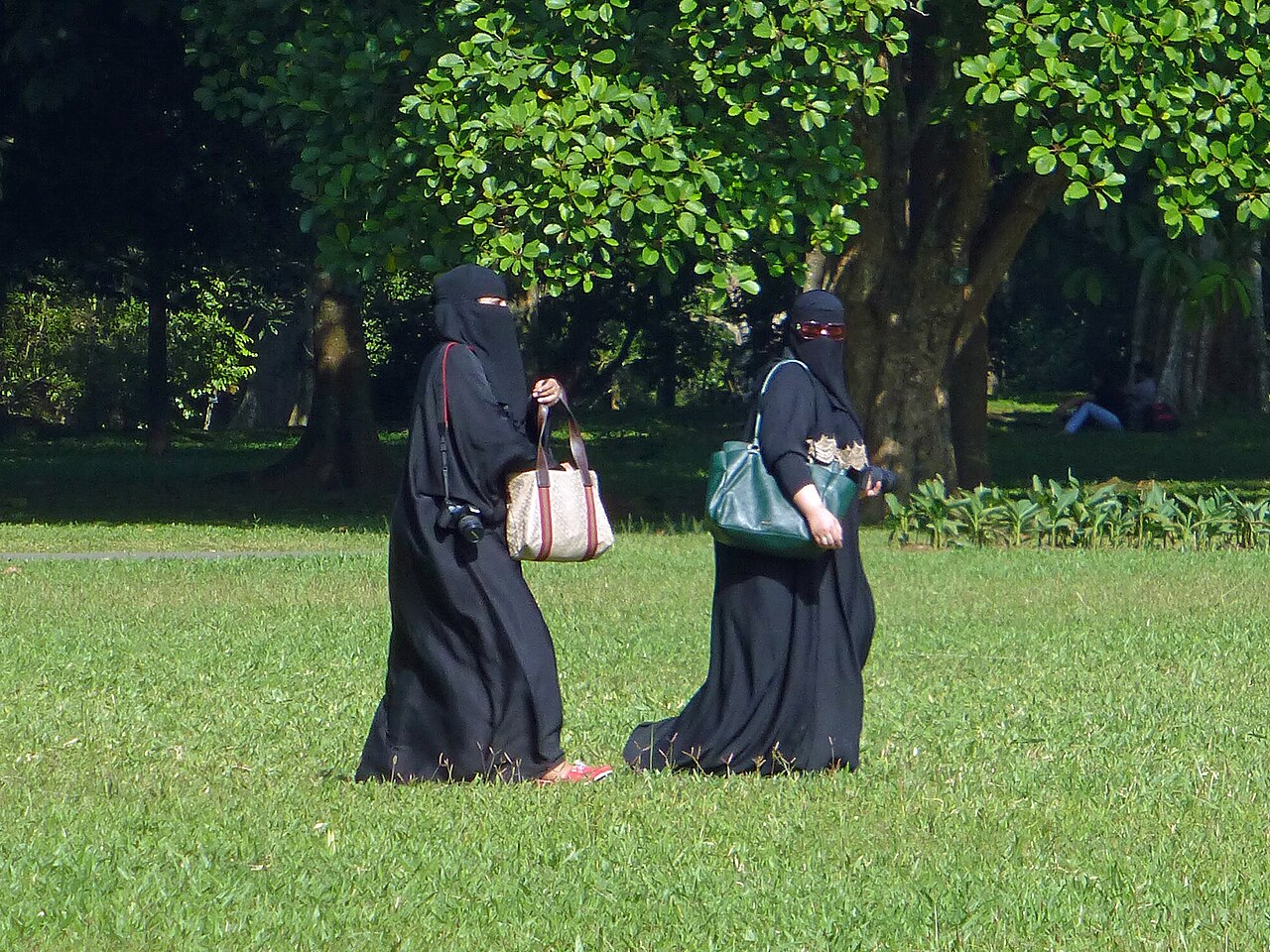
Denmark is tightening its controversial restrictions on Islamic face coverings in 2026, with the government moving to expand its existing ban on burqas and niqabs by targeting schools, universities, and religious spaces.
The updated crackdown comes nearly eight years after Denmark first outlawed full-face veils in public spaces under legislation passed in 2018.
Prime Minister Mette Frederiksen’s government now says the original law contained loopholes that allowed what officials describe as “social control” and pressure within educational institutions.
The proposed changes have reignited a fierce debate across Europe over religious freedom, integration, women’s rights, and secular values.
How Denmark’s Original Veil Ban Worked
Denmark introduced its original face-covering law in 2018.
The legislation prohibited clothing that concealed the face in public areas, including:
Violators faced fines beginning at 1,000 Danish kroner, with repeat offenses carrying penalties up to 10,000 kroner.
Although technically religion-neutral, the law was widely viewed as targeting Islamic face veils.
At the time, supporters argued the measure improved integration and public security, while opponents called it discriminatory against Muslim women.
What Changed in 2026
In 2026, Denmark’s government announced plans to significantly strengthen the law.
The new proposals would:
- Extend restrictions into schools and universities
- Discourage or remove prayer rooms on campuses
- Increase oversight of religious expression in educational settings
- Tighten enforcement against face-covering garments in more public institutions
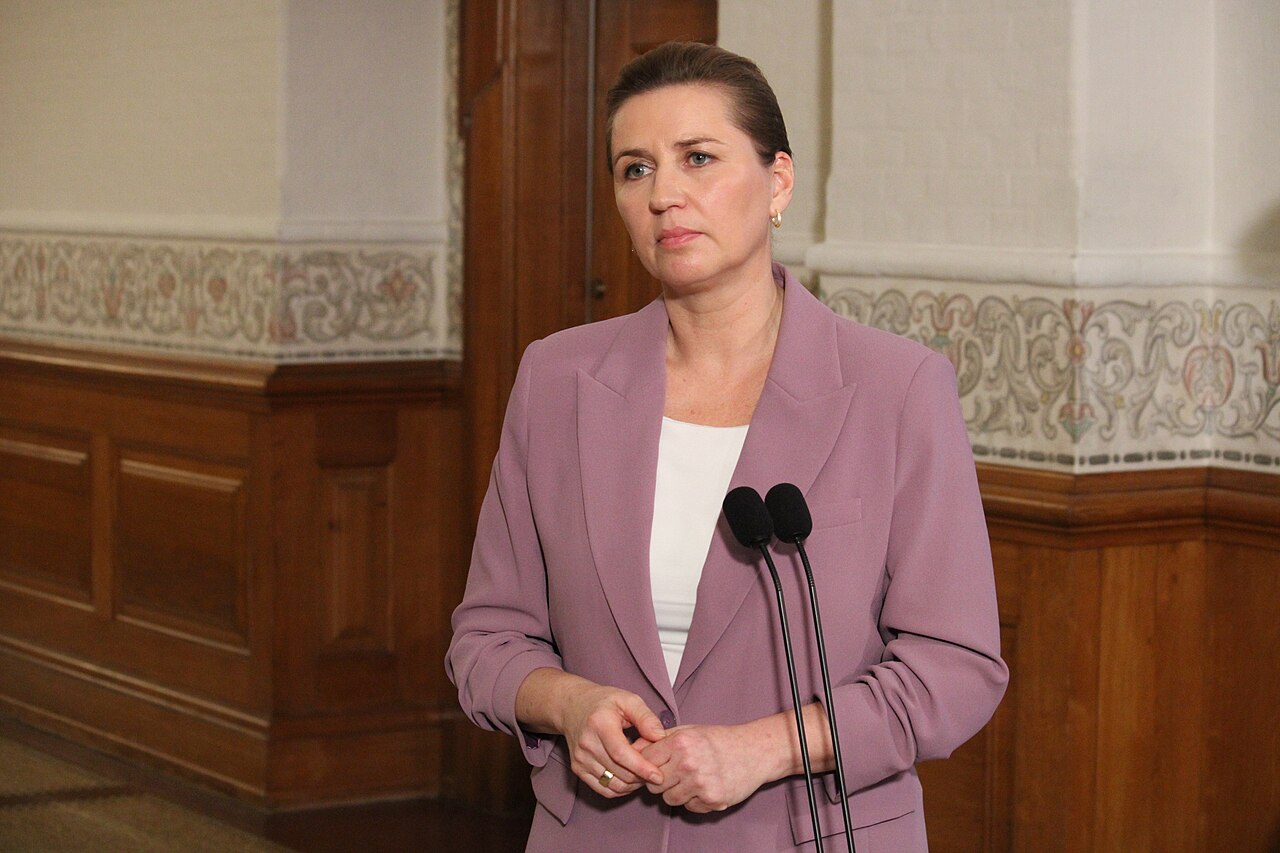
Prime Minister Frederiksen argued that educational environments should prioritize democratic values over religious customs.
“You have the right to your faith and to practice your religion, but democracy takes precedence,” she said during recent remarks defending the updated measures.
Government officials claim some educational institutions became legal “grey areas” where the original 2018 law was not clearly enforced.
The Danish government says the changes are intended to combat coercion, segregation, and pressure against women.
Prayer Rooms Become New Flashpoint
One of the biggest 2026 developments involves prayer facilities inside universities and schools.
Frederiksen’s administration has openly criticized dedicated prayer rooms, arguing they can contribute to parallel social structures and religious pressure among students.
While Denmark has not formally outlawed prayer rooms nationwide, officials are now working with educational institutions to phase them out or limit their use.
The proposal has sparked outrage from religious organizations and civil liberties groups.
Critics say the government is unfairly singling out Muslims under the banner of secularism and integration.
Human Rights Groups Condemn Expansion
Amnesty International and other human rights organizations have strongly criticized both the original 2018 law and the new 2026 expansion.
Rights advocates argue the policies violate freedoms of religion and expression while disproportionately affecting Muslim women.
“All women should be free to dress as they choose,” Amnesty previously said regarding Denmark’s veil restrictions.
Critics also warn that banning veils and restricting religious spaces could isolate Muslim communities further rather than improve integration.
Supporters of the measures argue the laws help protect women’s rights and preserve Danish democratic values.
Part of a Wider European Crackdown
Denmark’s expanded policies reflect a broader trend across Europe.
Several countries have introduced or tightened restrictions on face coverings over the past decade, including:
- France
- Belgium
- Austria
- Switzerland
- Parts of Germany and the Netherlands
France became the first European country to fully ban face veils in public in 2011.
European courts have generally upheld such bans, ruling governments can restrict face coverings for reasons related to public safety, communication, or social cohesion.
Denmark’s latest moves suggest the country is now among the most aggressive European governments in extending such policies into schools and public institutions.
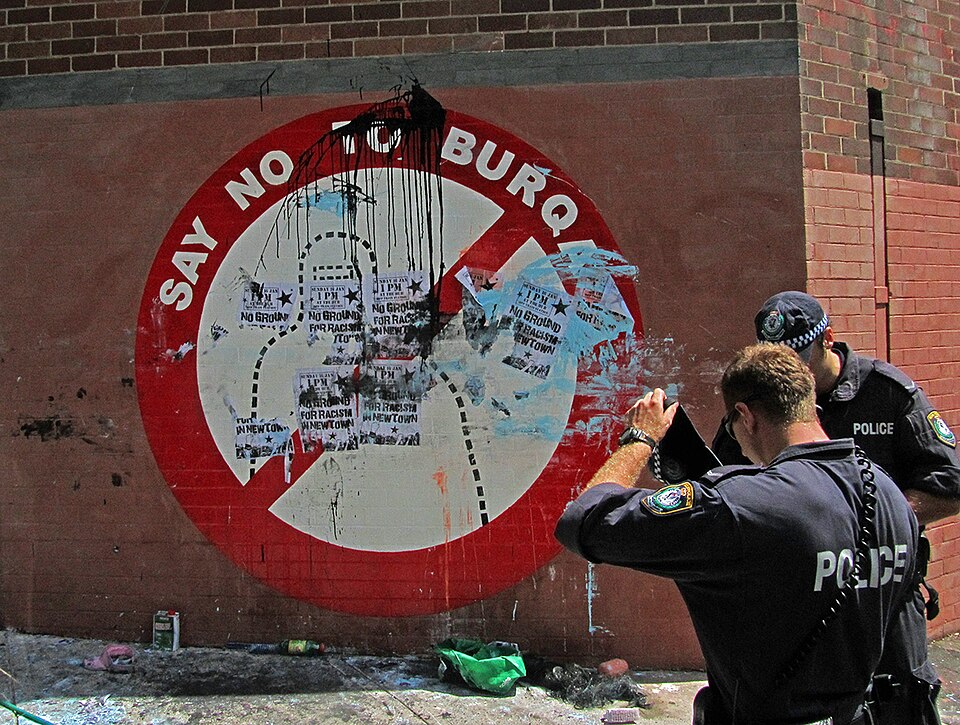
Featured image from: Ji-Elle, CC BY-SA 3.0, via Wikimedia Commons