
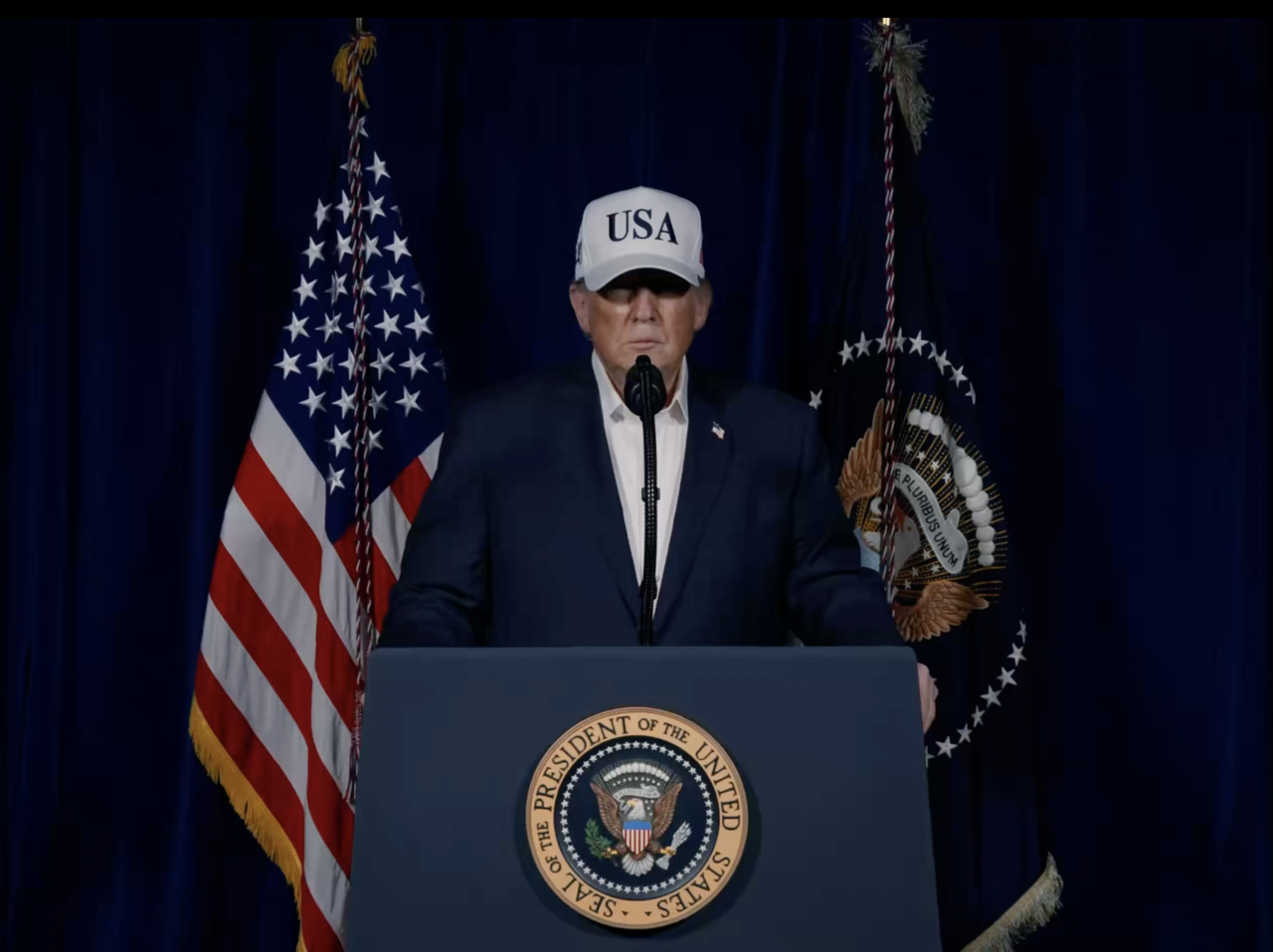
President says a “great settlement” is near as negotiations appear to enter final stages
President Donald Trump said Thursday that a breakthrough agreement with Iran could be finalized within days, potentially reopening the strategically vital Strait of Hormuz and easing one of the world’s most disruptive energy crises.
Speaking from the Oval Office, Trump expressed confidence that negotiators were nearing a final settlement to end months of conflict and restore stability to the Gulf region.
“We just made a great settlement of the war with Iran,” Trump told reporters.
He added that the Strait of Hormuz would reopen once the agreement is formally signed.
“The strait will officially open as soon as we sign, which could be soon, very soon, maybe over the weekend in Europe,” Trump said.
The comments represent one of Trump’s strongest indications yet that the United States and Iran may be approaching a diplomatic breakthrough after months of military escalation, failed negotiations and repeated threats of renewed conflict.
Strait of Hormuz Remains Global Flashpoint
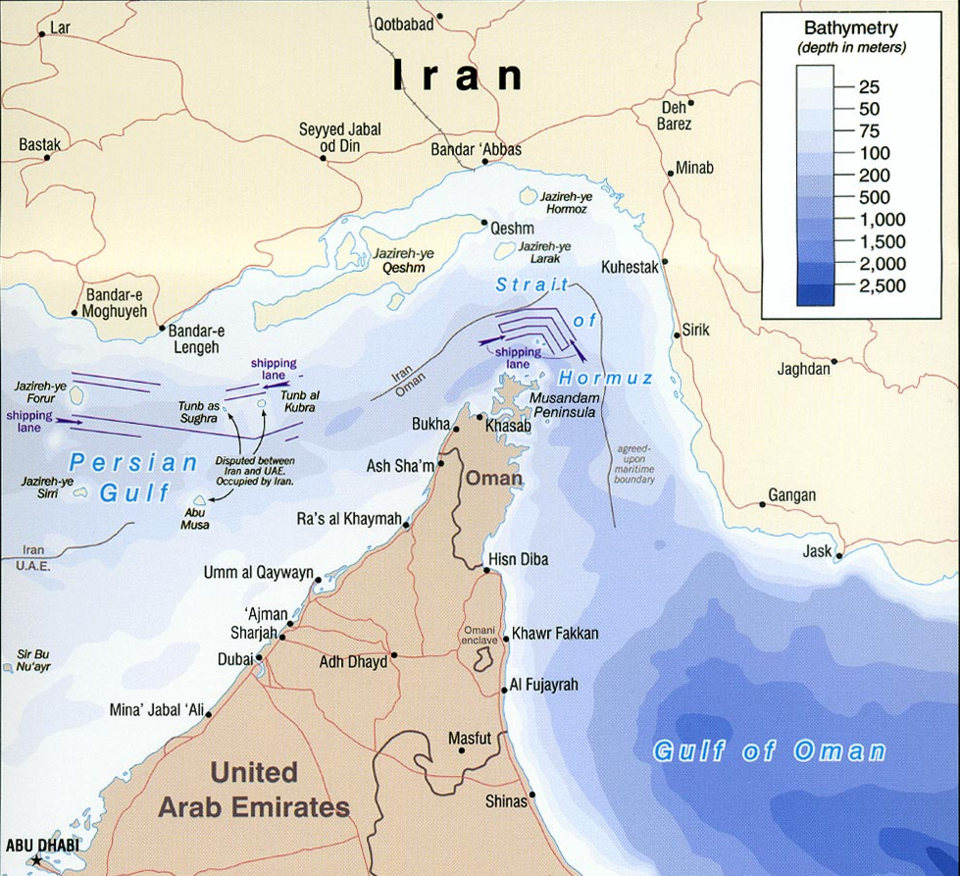
The Strait of Hormuz remains one of the most important waterways in the world economy.
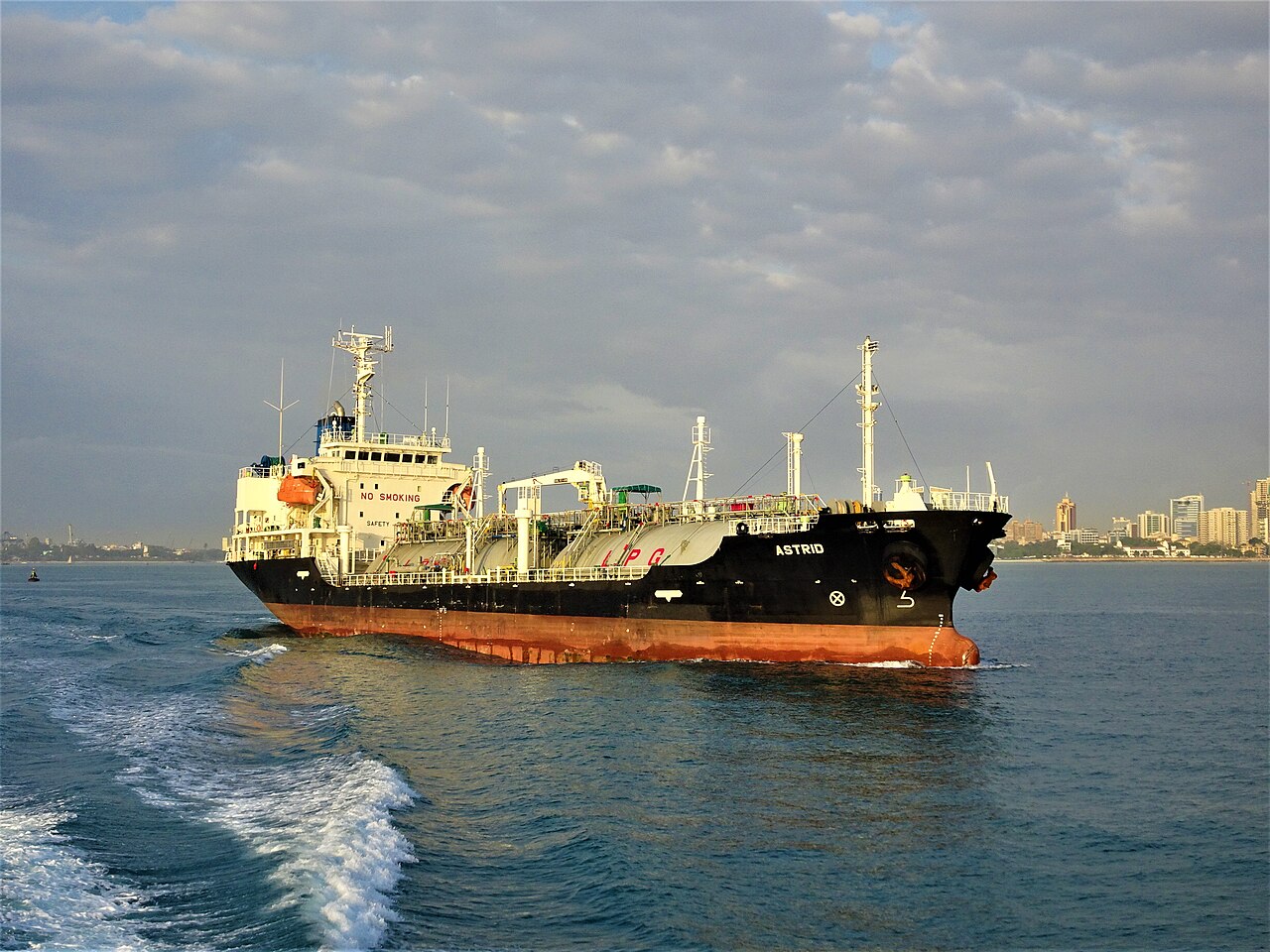
Roughly one-fifth of global oil and liquefied natural gas supplies normally pass through the narrow maritime corridor linking the Persian Gulf to international markets.
The waterway has been a major source of tension since the outbreak of hostilities between Iran, the United States and Israel earlier this year.
Iran has repeatedly announced restrictions on shipping through the strait, while the United States has enforced naval operations aimed at protecting commercial traffic and pressuring Tehran during negotiations.
The uncertainty has fueled sharp swings in global energy prices and raised fears of broader economic disruption.
Trump’s latest comments suggest the administration believes a resolution may finally be within reach.
Trump Speaks With Regional Leaders
According to Trump, discussions have involved not only Iran and the United States but also several key Middle Eastern allies.
The president said he recently spoke with Israeli Prime Minister Benjamin Netanyahu as well as leaders from Qatar, Saudi Arabia, the United Arab Emirates, Bahrain and Kuwait.
He also indicated plans to speak with Turkish President Recep Tayyip Erdoğan in the coming days.
The extensive diplomatic outreach reflects the regional significance of any agreement involving Iran and the future security of Gulf shipping lanes.
Many Gulf nations have pushed for de-escalation, fearing that prolonged conflict could threaten regional stability and global energy markets.
Nuclear Issue Remains Central
Trump emphasized that preventing Iran from obtaining a nuclear weapon remains the core objective of the negotiations.
“Most importantly we have a deal that Iran will never have a nuclear weapon, which was the whole purpose of what we had to go through to get this,” Trump said.
“So it was a very big thing.”
The nuclear issue has remained the largest obstacle in negotiations between Washington and Tehran.
While Iranian officials have consistently maintained that their nuclear program is intended for peaceful purposes, U.S. officials have argued that stronger guarantees are necessary to prevent future weaponization efforts.
Any final agreement is expected to include limitations on uranium enrichment, monitoring provisions and broader security commitments.
Military Action Paused as Talks Advance
Trump’s remarks came only hours after he announced the cancellation of additional U.S. military strikes against Iran.
Earlier in the week, the president had warned that American forces were prepared to launch a third consecutive night of attacks if negotiations failed to progress.
Instead, Trump said that negotiators had approved the “final points” of an initial peace agreement and were now working through logistical details for a formal signing ceremony.
A location and date for the event have not yet been announced.
The sudden shift from threats of military action to optimism about a diplomatic breakthrough underscores the volatile nature of negotiations that have repeatedly moved between escalation and diplomacy.
Iran Yet to Formally Respond
Despite Trump’s confidence, Iran has not yet officially endorsed the proposed agreement.
However, signs from Tehran suggest growing openness to a settlement.
Iran’s semi-official Fars News Agency reported that Iranian officials are likely to approve the framework agreement, although no formal decision has been announced.
The report raised hopes that both sides may be nearing common ground after months of stalled talks and military exchanges.
Still, analysts caution that previous negotiations have appeared close to completion before ultimately collapsing.
Trump himself has repeatedly predicted a deal was imminent since March, only for talks to stall amid disagreements over security guarantees, sanctions relief and regional conflicts.
Cautious Optimism After Months of Conflict
The latest developments come after a difficult period marked by military strikes, maritime disruptions and diplomatic setbacks.
Since the collapse of direct talks earlier this year, both sides have exchanged proposals through intermediaries while continuing military operations across the region.
A temporary ceasefire announced in April reduced large-scale fighting but failed to produce a lasting settlement.
This week’s apparent progress has raised hopes that the conflict could finally move toward a negotiated conclusion.
Whether the agreement ultimately materializes remains uncertain, but the prospect of reopening the Strait of Hormuz and reducing tensions in the Gulf would represent a major geopolitical victory for all parties involved.
Featured image from: Donald J. Trump, Public domain, via Wikimedia Commons