
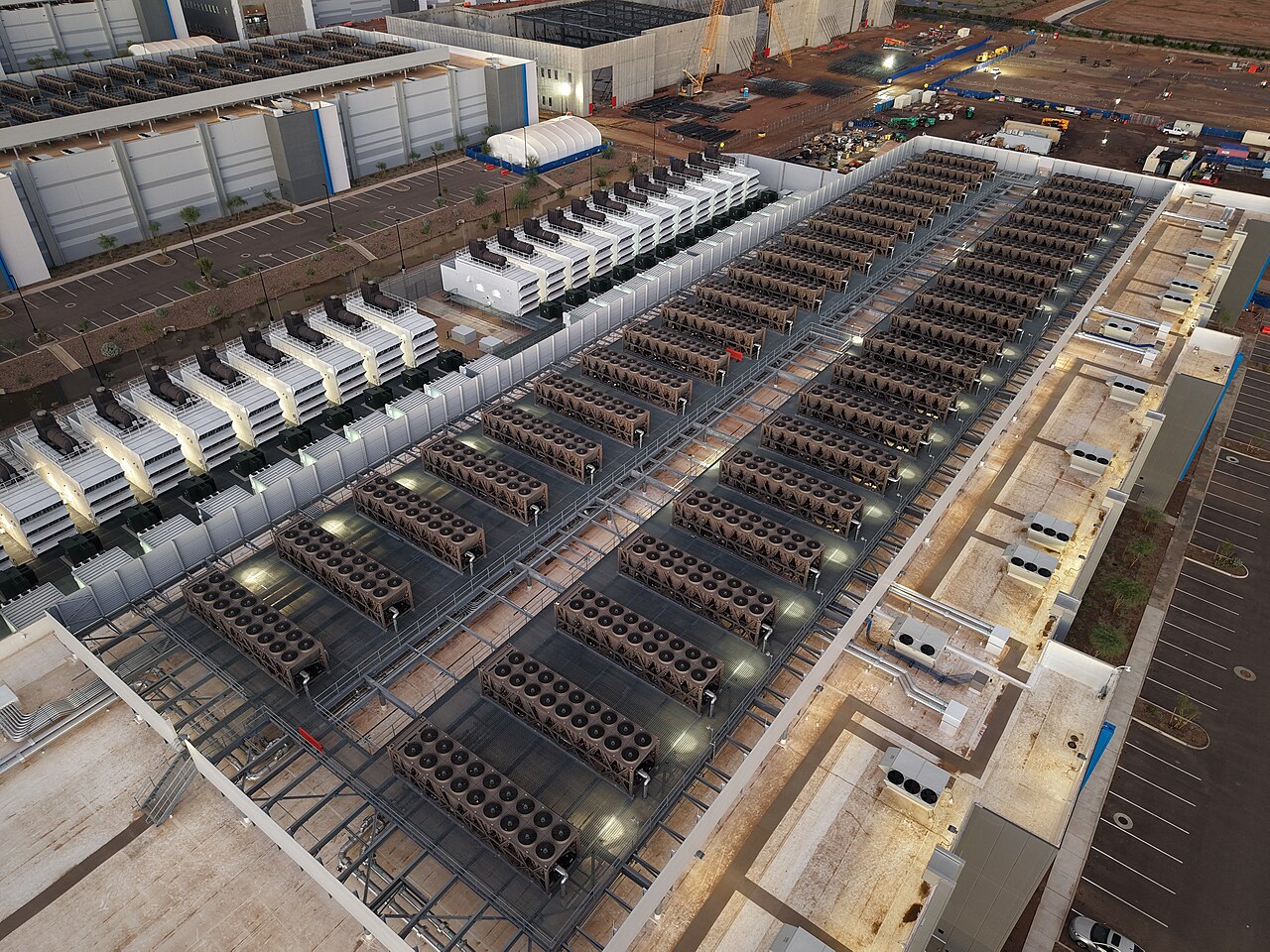
Artificial intelligence data centers are facing mounting opposition from residents and local governments as concerns grow over constant noise pollution and mysterious low-frequency vibrations known as infrasound.
Communities living near large AI facilities say the industrial-scale operations are producing nonstop high- and low-frequency sounds that can be heard, and sometimes physically felt, day and night.
Some residents report symptoms including headaches, insomnia, nausea, anxiety, ear pressure, and fatigue, even when sound monitoring devices fail to detect unusually high noise levels.
Experts say the issue is becoming one of the biggest emerging challenges surrounding the rapid expansion of AI infrastructure across the United States.
What Is Infrasound?
Infrasound refers to extremely low-frequency sound waves below the range of normal human hearing, generally under 20 hertz.
Although people usually cannot consciously hear these frequencies, some researchers say they may still be able to feel them physically through vibrations or pressure sensations.
Heatmap Plus and environmental researchers report that residents near data centers have increasingly complained about persistent humming, vibrations, and pressure that standard decibel meters often fail to properly capture.
Scientists are still studying whether infrasound directly causes health effects, but some people living near industrial facilities claim it contributes to:
- Headaches
- Sleep disruption
- Nausea
- Anxiety
- Dizziness
- Chronic stress
Several local governments are now considering restrictions or temporary moratoriums on new AI data center developments while additional environmental studies are conducted.
Why AI Data Centers Are So Loud
Modern AI data centers consume enormous amounts of electricity and require massive cooling systems to keep advanced processors running continuously.
A single high-performance AI GPU can consume up to 3.7 megawatt-hours of electricity annually, and hyperscale AI facilities often contain tens of thousands of GPUs operating simultaneously.
That creates huge heat output.
Cooling systems alone account for nearly 40% of a data center’s total energy use, according to industry estimates.
Those cooling systems rely on industrial fans, chillers, compressors, and ventilation equipment running 24 hours a day, seven days a week.
The Environmental and Energy Study Institute (EESI) said noise levels around some facilities can reach as high as 96 decibels continuously, roughly equivalent to standing near a motorcycle or subway train for extended periods.

Backup Generators Add to Community Concerns
Residents living near off-grid AI campuses face even greater problems.
Some large facilities generate their own electricity using natural gas turbines or industrial diesel generators that experts compare to stationary jet engines.
These turbines can operate nonstop and produce sound levels exceeding 100 decibels.
Critics point to Elon Musk’s Colossus supercomputer project as one example, where more than 30 mobile gas turbines were reportedly deployed to help power the facility.
Communities near similar projects say the constant industrial noise has transformed quiet neighborhoods into environments resembling airports or industrial zones.
Even on-grid facilities use massive backup generators that must regularly activate during power shortages or maintenance testing.
Federal regulations can require backup systems to operate for dozens of hours annually during testing periods.
Communities Push Back Against AI Expansion
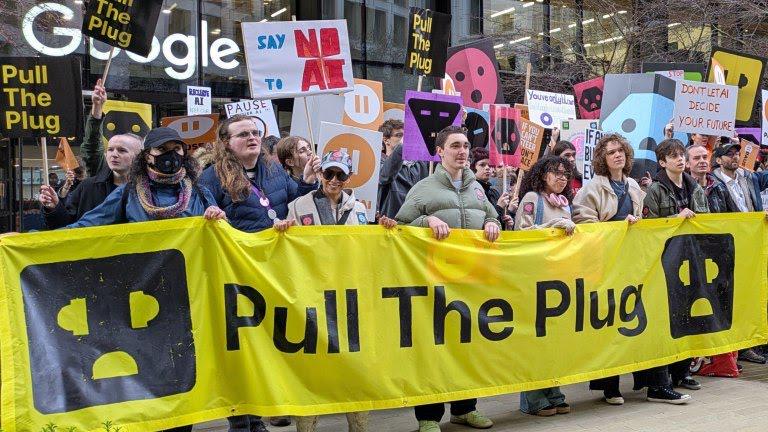
As AI companies race to build more infrastructure, residents across the country are increasingly organizing against projects planned near homes and neighborhoods.
While the United States has large amounts of open rural land available, tech companies often prefer to build data centers close to existing power grids, internet infrastructure, and urban hubs to reduce costs and speed up construction.
That proximity has intensified conflicts between local residents and tech developers.
Some proposed facilities are now facing legal challenges, zoning battles, environmental reviews, and public protests over concerns involving:
- Noise pollution
- Power consumption
- Water usage
- Air pollution
- Property values
- Health impacts
Researchers say the issue could grow significantly as AI demand continues exploding worldwide.
Featured Image from: Rsparks3, CC0, via Wikimedia Commons