
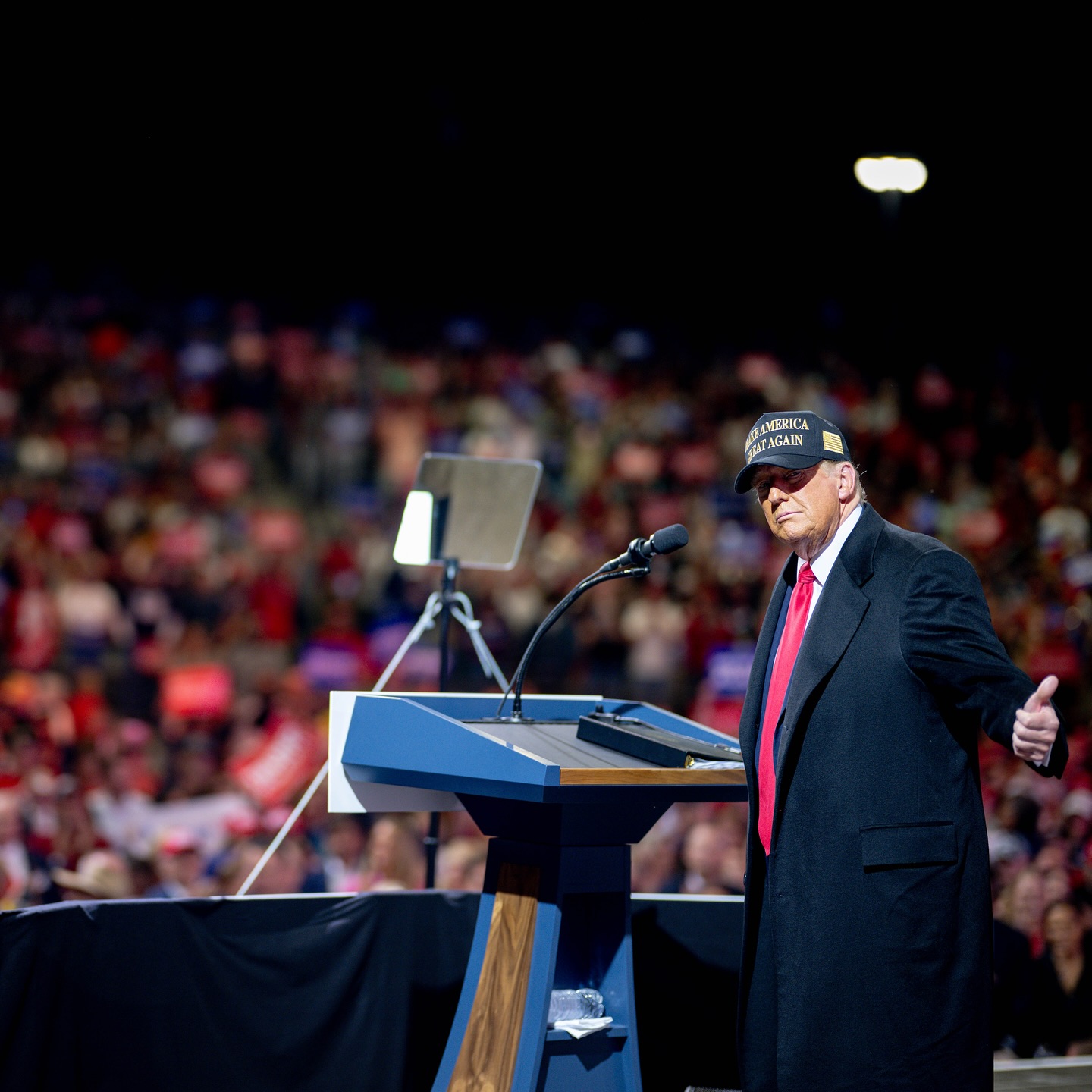
President Donald Trump continues insisting the conflict with Iran is nearing an end, despite the war evolving dramatically over the past several months and no permanent agreement yet emerging between Washington and Tehran.
From promises that peace is “very close” to repeated claims that Iran’s military has been “totally wiped out,” Trump’s messaging has remained remarkably consistent even as the conflict itself has shifted from large-scale military strikes to an uneasy ceasefire punctuated by naval blockades, shipping disruptions, and intermittent attacks across the Persian Gulf.
Critics and analysts say the disconnect between the administration’s rhetoric and the reality on the ground is becoming increasingly difficult to ignore.
Trump Continues Predicting the War Will End Soon
One of Trump’s most repeated messages throughout the conflict has been that a final deal is just around the corner.
“It’ll be over quickly,” Trump said again this week during a political event, echoing statements he has made repeatedly since the United States and Israel launched military operations against Iran earlier this year.
The president has frequently suggested negotiations are close to succeeding, often claiming Iranian officials are eager to strike a deal with Washington.
“They want to make a deal very much,” Trump said during recent remarks at the White House. “We have it very much under control.”
But despite months of similar predictions, no lasting agreement has been finalized.
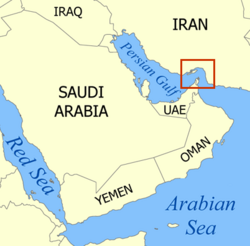
Instead, the war has transformed into a fragile and unstable standoff centered heavily around the Strait of Hormuz, one of the world’s most strategically important shipping lanes.
The ceasefire reached in April reduced direct large-scale bombardments, but tensions remain high as both sides continue military operations tied to shipping routes, sanctions, and regional security.
The Conflict Has Evolved Into Economic and Naval Warfare
The early phase of the war centered on major airstrikes, missile attacks, and military infrastructure targeting.
Now, the conflict has become more focused on maritime control, oil exports, and economic pressure.
Iran has repeatedly threatened or restricted shipping through the Strait of Hormuz, while the United States has launched naval operations aimed at reopening commercial access to the waterway.
The Pentagon’s “Project Freedom” initiative has already resulted in confrontations involving Iranian vessels and American naval forces.
Meanwhile, global energy markets remain volatile as shipping companies and oil traders react cautiously to instability in the Gulf.
Despite these changes, Trump continues describing the war in minimal terms, often referring to it as a “skirmish,” “detour,” or “excursion” rather than a prolonged regional conflict.
“This is a short excursion into something that should have been done years ago,” Trump said earlier in the conflict.
Trump Repeats Claims Iran’s Military Has Been Destroyed
Another consistent Trump talking point has been the claim that Iran’s military capabilities have been effectively eliminated.
“They have no navy, no air force, no radar, no anti-aircraft systems,” Trump said during recent remarks. “They’re totally wiped out.”
The administration has repeatedly emphasized successful strikes against Iranian military infrastructure, leadership targets, and air defense systems.
However, analysts note that Iran still retains the ability to disrupt maritime traffic, launch drone attacks, and threaten regional shipping routes, actions that continue causing international concern.
Iranian-backed operations and military activity around the Gulf have persisted despite the ceasefire, raising questions about how weakened Tehran’s capabilities truly are.
Questions Remain Over Nuclear Negotiations
Trump has consistently framed the war as necessary to prevent Iran from obtaining nuclear weapons.
The president has repeatedly argued that previous administrations, particularly under Barack Obama, failed to stop Tehran’s nuclear ambitions through diplomacy.
“The deal we make will be far better than Obama’s deal,” Trump has said numerous times while criticizing the Joint Comprehensive Plan of Action (JCPOA), the 2015 nuclear agreement negotiated during the Obama administration.
Still, uncertainty remains about what any future agreement would actually include.
Details surrounding ongoing negotiations remain vague, and reports suggest multiple proposals have circulated between the US, Iran, and regional intermediaries.
Iranian officials have publicly accused Washington of undermining diplomacy while simultaneously maintaining pressure through sanctions and military operations.
At the same time, the Trump administration continues insisting Tehran ultimately wants an agreement.
Public Skepticism Continues Growing
Polling suggests many Americans remain unconvinced by the administration’s messaging on the war.
Economic concerns tied to rising fuel costs, shipping disruptions, and military spending have increasingly overshadowed the White House’s optimistic tone about the conflict.
Critics argue Trump’s repetitive rhetoric has made it difficult to distinguish between genuine diplomatic progress and political messaging.
Supporters, however, maintain the president’s strategy has kept pressure on Tehran while avoiding a larger ground war.
As negotiations continue fluctuating between escalation and diplomacy, one thing has remained constant: Trump’s core message that the US remains in control and that the end of the conflict is always just around the corner.
Whether that prediction eventually proves accurate remains one of the biggest unanswered questions surrounding the Iran war.

Featured image from facebook: Donald J. Trump