
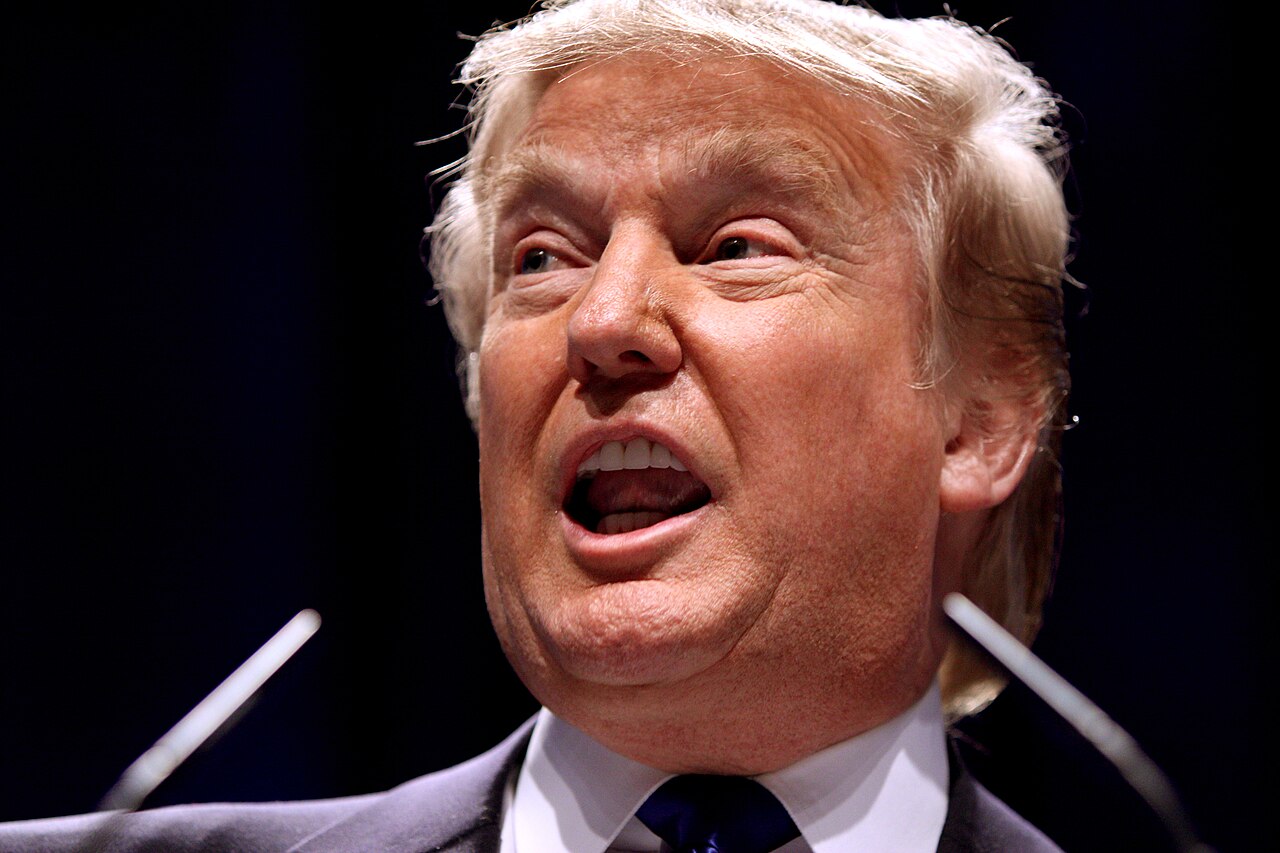
President Donald Trump is facing renewed scrutiny after downplaying concerns over a growing hantavirus outbreak despite his administration previously cutting funding tied to research on the disease.
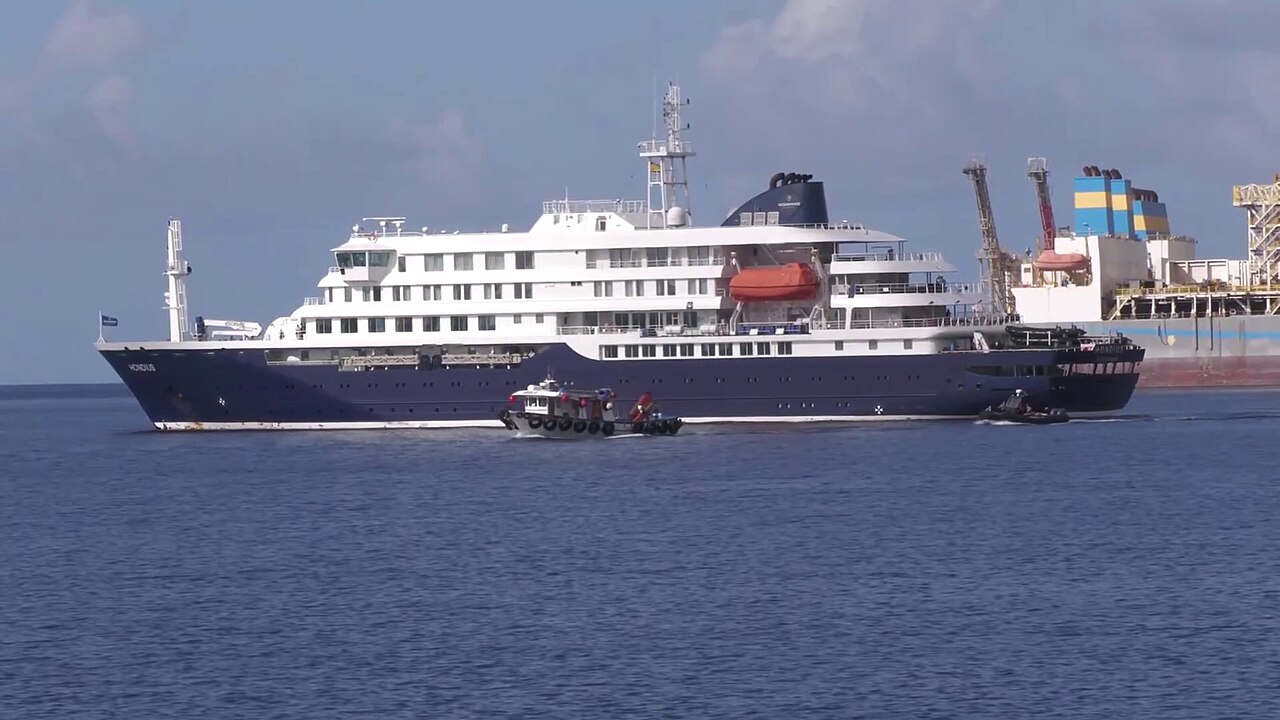
The comments came as health officials continue monitoring a cluster of hantavirus cases connected to the cruise ship MV Hondius, where multiple infections and several deaths have already been reported.
Asked by reporters about the outbreak and whether Americans should be concerned, Trump dismissed fears surrounding the virus.
“We should be fine,” the president said.
When pressed further about whether the outbreak could spread, Trump responded, “I hope not.”
The remarks quickly drew attention because they came alongside renewed criticism over cuts made to international infectious disease research programs studying hantaviruses and other emerging pathogens.
What Is Hantavirus?
Hantavirus is a rare but potentially deadly disease primarily spread through contact with infected rodents, especially through urine, droppings, or saliva.
In severe cases, the virus can trigger hantavirus pulmonary syndrome, a respiratory illness with a high fatality rate, or hemorrhagic fever with renal syndrome, which affects the kidneys and blood vessels.
According to health authorities, the Andes virus strain involved in the current outbreak is particularly concerning because it is one of the few hantaviruses known to spread between humans under close-contact conditions.
The current outbreak linked to the MV Hondius has already resulted in multiple confirmed cases across several countries after passengers disembarked during the ship’s South Atlantic voyage.
Health agencies continue tracing contacts and monitoring passengers following reports of infections involving British nationals and other travelers.
The World Health Organization has described the public health risk as low overall but warned additional cases remain possible because of the virus’s long incubation period.
Research Program Was Previously Cut
Criticism intensified after reports resurfaced that the Trump administration eliminated funding last year for research programs studying hantaviruses and emerging infectious diseases.
According to Scientific American, one of the affected projects involved the West African Center for Emerging Infectious Diseases, part of a larger global research network focused on understanding how viruses spread from animals to humans.
The research included studies tied to hantavirus transmission patterns and early outbreak detection.
The broader Centers for Research in Emerging Infectious Diseases network was eventually shut down after federal officials reportedly classified aspects of the research as unsafe.
Critics argue the cuts weakened international monitoring systems designed to identify and contain dangerous viruses before outbreaks escalate.
Supporters of the administration’s decision previously argued the funding reductions were tied to broader concerns surrounding biosafety and oversight involving infectious disease research programs.

Comparisons to Early COVID-19 Messaging
Trump’s remarks are also drawing comparisons to statements he made during the early stages of the COVID-19 pandemic.
In 2020, the president repeatedly suggested the coronavirus outbreak was under control and predicted cases would soon disappear, comments that later became a major point of political criticism as the virus spread rapidly across the United States.
Public health experts say hantavirus differs significantly from COVID-19 because it is far less contagious and spreads under more limited circumstances.
However, health officials remain cautious because the Andes strain can spread between people through prolonged close contact, something not seen with most other hantavirus types.
Authorities continue emphasizing that the overall risk to the public remains low while investigations into the cruise ship outbreak continue.
Cruise Ship Outbreak Continues Monitoring Effort
Passengers and crew connected to the MV Hondius outbreak are still being monitored by health agencies across several countries.
The ship has faced international scrutiny after infections were reported following stops in South Atlantic territories and onward travel through Africa and Europe.
Several governments have implemented monitoring measures, isolation guidance, and contact tracing procedures involving returning passengers.
The outbreak has also renewed broader conversations about infectious disease preparedness, international health coordination, and cruise ship safety protocols following lessons learned during the COVID-19 pandemic.
For now, health authorities say the situation remains contained, though officials continue preparing for the possibility of additional confirmed cases.
Featured Image from: Gage Skidmore from Peoria, AZ, United States of America, CC BY-SA 2.0, via Wikimedia Commons