
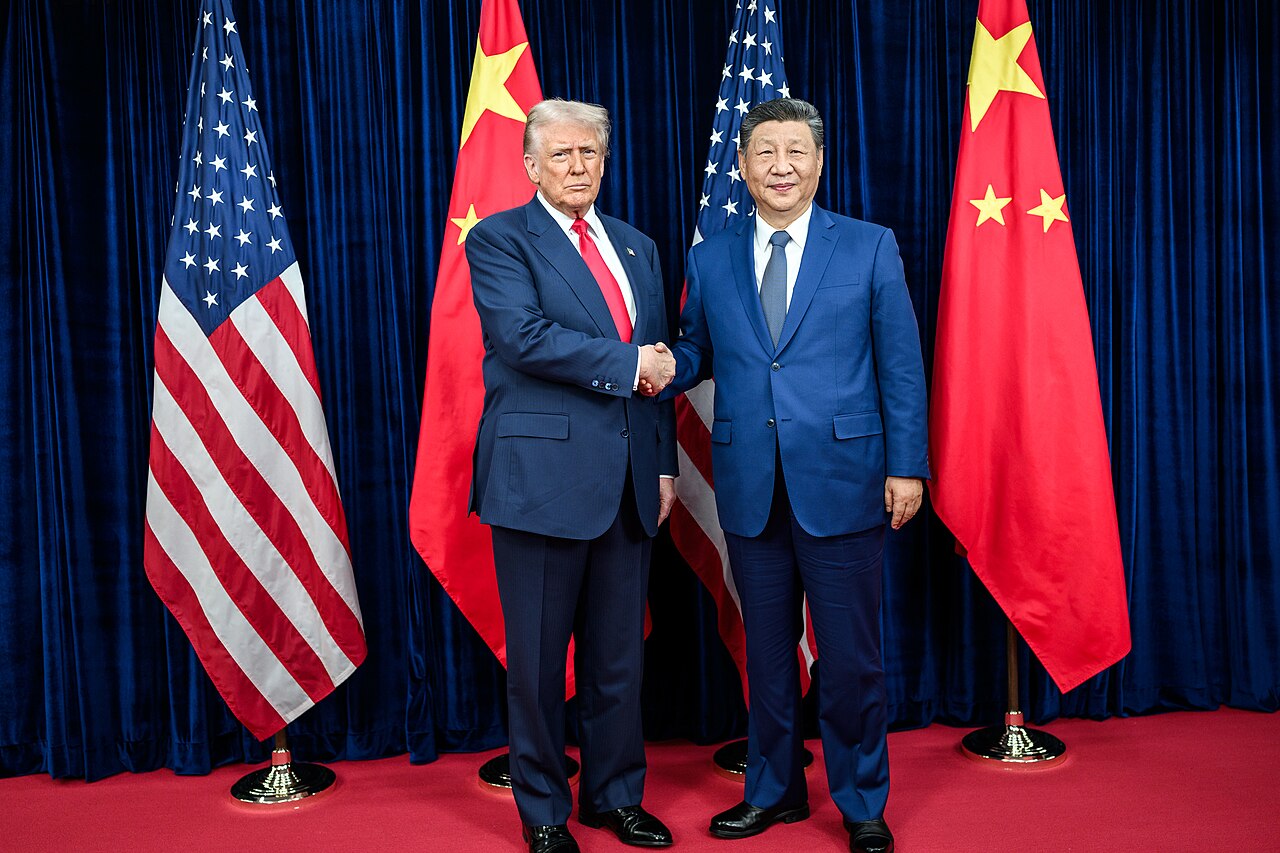
Taiwan is closely monitoring President Donald Trump’s high-stakes summit with Chinese President Xi Jinping amid growing fears that the island’s security, political future, and pending American weapons purchases could become bargaining chips in broader US-China negotiations.
The meeting comes at a particularly tense moment in the region, as China continues military pressure around Taiwan while the United States balances escalating tensions in the Middle East and ongoing instability tied to the Iran conflict.
At the center of Taiwanese concerns is a massive $14 billion US arms package that has not yet formally moved forward under the Trump administration.
Taiwan Fears Becoming Part of a Larger Deal
Taiwanese officials have publicly maintained confidence in Washington’s support, but behind the scenes, concerns are growing that Trump’s highly transactional approach to foreign policy could lead to unexpected concessions involving Taiwan.
The anxiety intensified after Trump confirmed he plans to discuss US weapons sales to Taiwan directly with Xi during their talks.
“President Xi would like us not to,” Trump told reporters when asked about the arms package. “And I’ll have that discussion.”
China has long viewed US military support for Taiwan as one of the most sensitive issues in bilateral relations. Beijing considers the self-governing island part of its territory and has repeatedly vowed that reunification is inevitable, refusing to rule out the use of force.
Taiwan, however, operates as a democratic and self-governing entity with its own military, political system, and international trade relationships.
Under America’s longstanding “One China” policy, the US acknowledges China’s position without officially recognizing Beijing’s sovereignty over Taiwan. At the same time, Washington remains legally obligated under the Taiwan Relations Act to provide Taiwan with defensive military capabilities.
Why the Arms Deal Matters
The pending $14 billion weapons package is viewed in Taipei as critical to strengthening Taiwan’s defenses against growing Chinese military activity near the island.
The package has not yet been formally approved despite bipartisan support in Congress. Lawmakers from both parties recently urged Trump to move forward with the sales before meeting Xi.
“You should make clear to Beijing that American support for Taiwan is not up for negotiation,” a bipartisan group of senators wrote ahead of the summit.
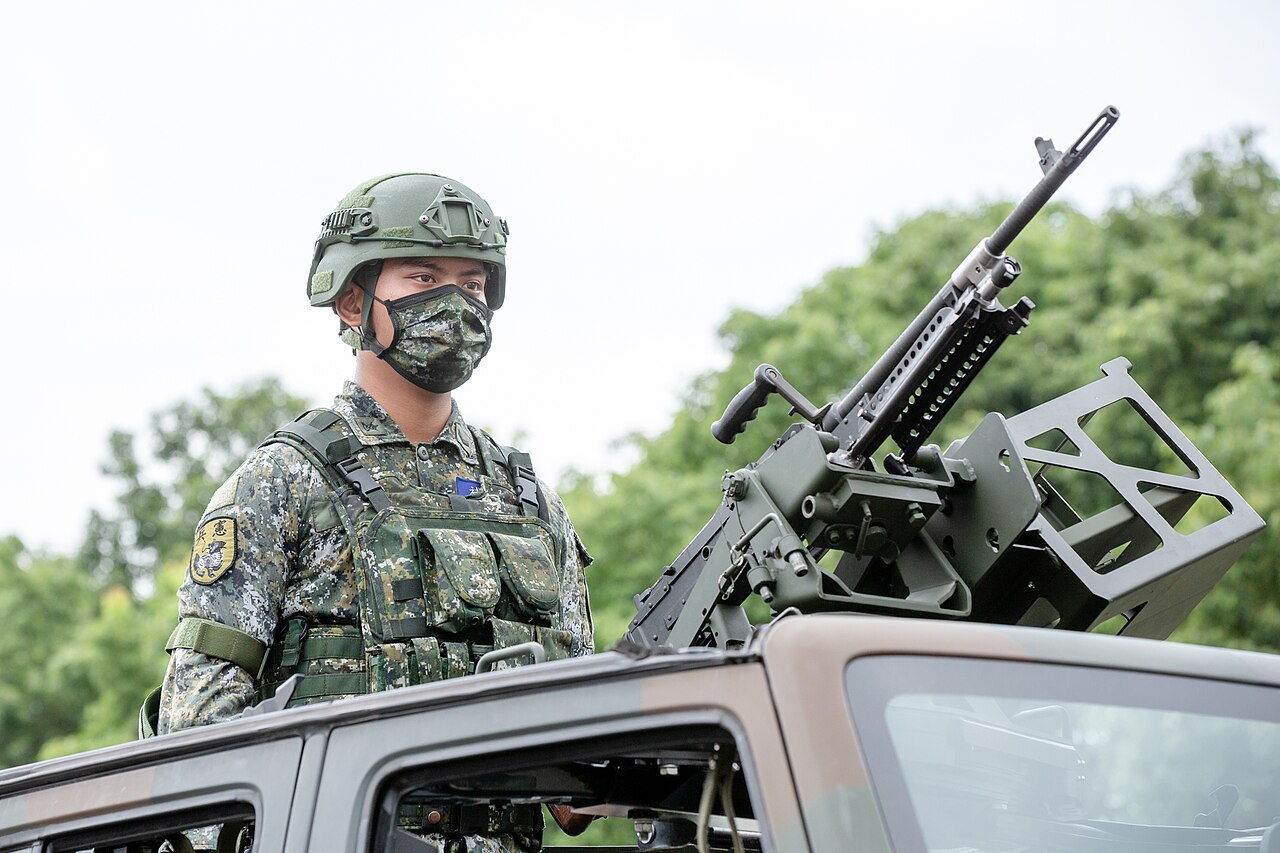
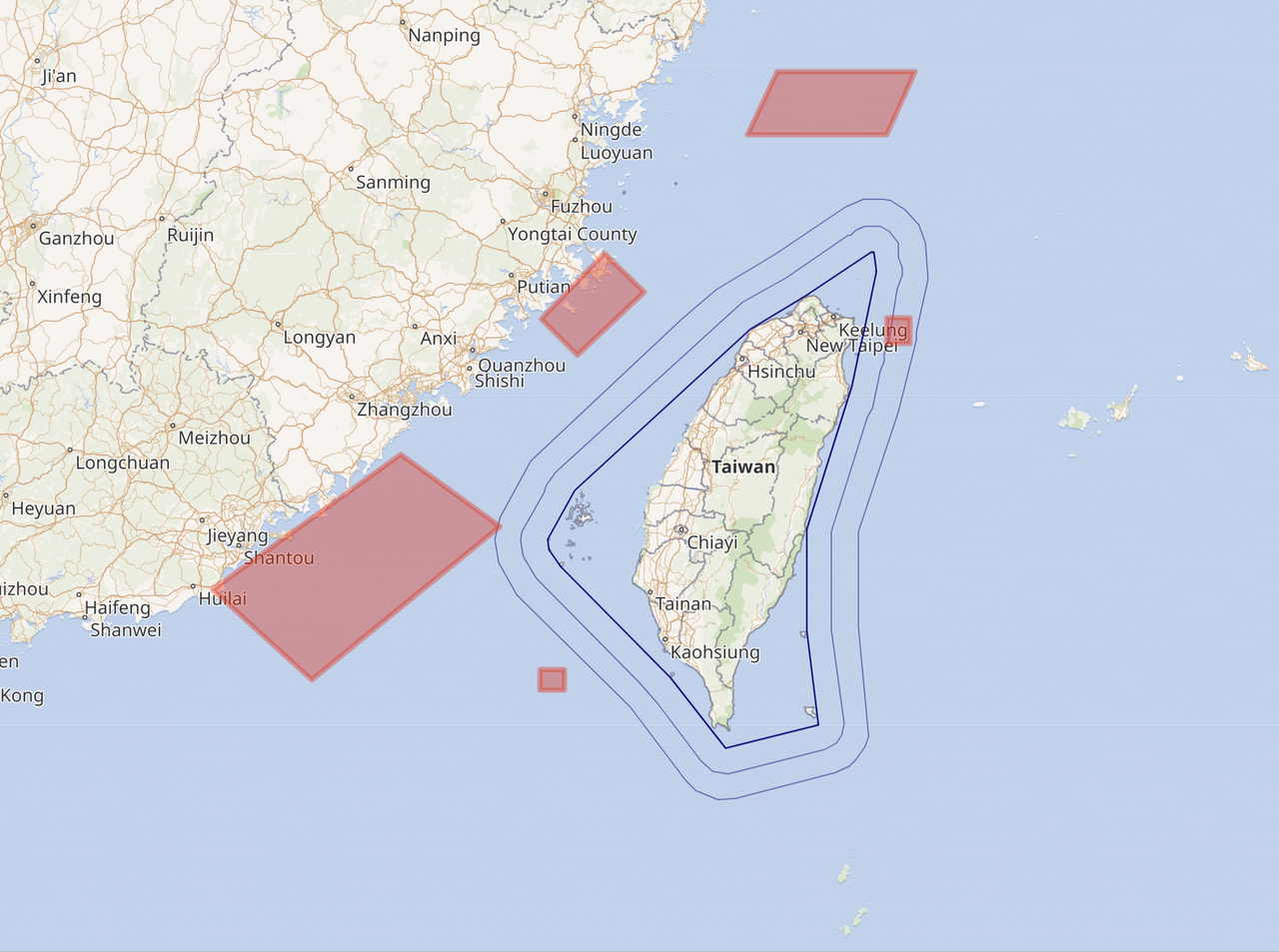
Taiwan’s defense concerns have only intensified as China ramps up military drills, air incursions, and naval exercises surrounding the island.
At the same time, Taiwan is worried that ongoing conflicts elsewhere, particularly the war involving Iran, are draining critical US military stockpiles.
Recent analyses from defense experts warn that America’s missile and ammunition reserves have been significantly depleted after months of military operations in the Middle East, raising concerns about whether delayed deliveries to Taiwan could face additional setbacks.
China Sees Opportunity as Global Conflicts Shift Attention
Analysts say Beijing believes current geopolitical conditions may strengthen its leverage during negotiations with Washington.
Chinese officials have reportedly viewed the prolonged Iran conflict as a distraction that limits America’s ability to fully focus on East Asia.
Taiwan’s strategic importance has also grown dramatically in recent years because the island produces critical semiconductor components used in advanced AI systems, military technologies, and global electronics supply chains.
Some observers worry Xi may attempt to frame Taiwan similarly to how Russian President Vladimir Putin has framed Ukraine, as territory historically belonging to a larger neighboring power.
Trump himself has previously said Xi assured him China would not invade Taiwan while he remains president. However, critics fear that any softening of America’s position during negotiations could send alarming signals to Taipei and regional allies.
Taiwanese Deputy Foreign Minister Francois Wu recently acknowledged those fears openly.
“What we are the most afraid of is to put Taiwan on the menu of the talk between Xi Jinping and President Trump,” Wu said.
Taiwan Reassured, But Still Uneasy
US officials have repeatedly insisted that Washington’s Taiwan policy remains unchanged.
Secretary of State Marco Rubio recently stated that support for Taiwan continues under existing US commitments, while administration officials point to more than $11 billion in weapons sales approved late last year as proof of ongoing support.
Taiwanese officials say they have received reassurances ahead of the summit that US backing remains firm.
Still, many in Taipei remain cautious.
“The greatest risk to Taiwan surrounding this Trump-Xi meeting is not Trump himself,” one Taiwanese national security official said. “Rather, it is China.”
Taiwan has also increased its own defense spending in response to pressure from Washington for allies to shoulder more of their security burden. Last week, Taiwan’s parliament approved an additional $25 billion in defense funding, though it fell short of the government’s original proposal.
Military Pressure Around Taiwan Continues
Even without signs of an imminent invasion, China has steadily intensified military operations near Taiwan.
Chinese fighter jets and warships regularly operate around the island, while large-scale military drills have become increasingly common over the past several years.
Xi has repeatedly described reunification with Taiwan as “unstoppable,” making the issue one of the most dangerous flashpoints in US-China relations.
For Taiwan, the stakes surrounding the Trump-Xi summit extend far beyond diplomacy.
Any signals involving future US military support, arms deliveries, or political recognition could reshape the balance of power across the Indo-Pacific region, and influence how both Beijing and Taipei calculate their next moves.
Featured image from: The White House, Public domain, via Wikimedia Commons