
Allies are unsure how it works, and whether it risks a wider conflict
The United States has entered a new and uncertain phase in its war with Iran, one that could reshape global trade, military strategy, and alliances.
President Donald Trump’s decision to impose a naval blockade on Iranian ports is meant to pressure Tehran into backing down. But instead of clarity, the move is triggering confusion among allies and concern among military analysts about what comes next.
At the center of it all is a simple but unresolved question:
How exactly is this blockade supposed to work, and what happens if other countries refuse to comply?
What the U.S. Is Trying to Do
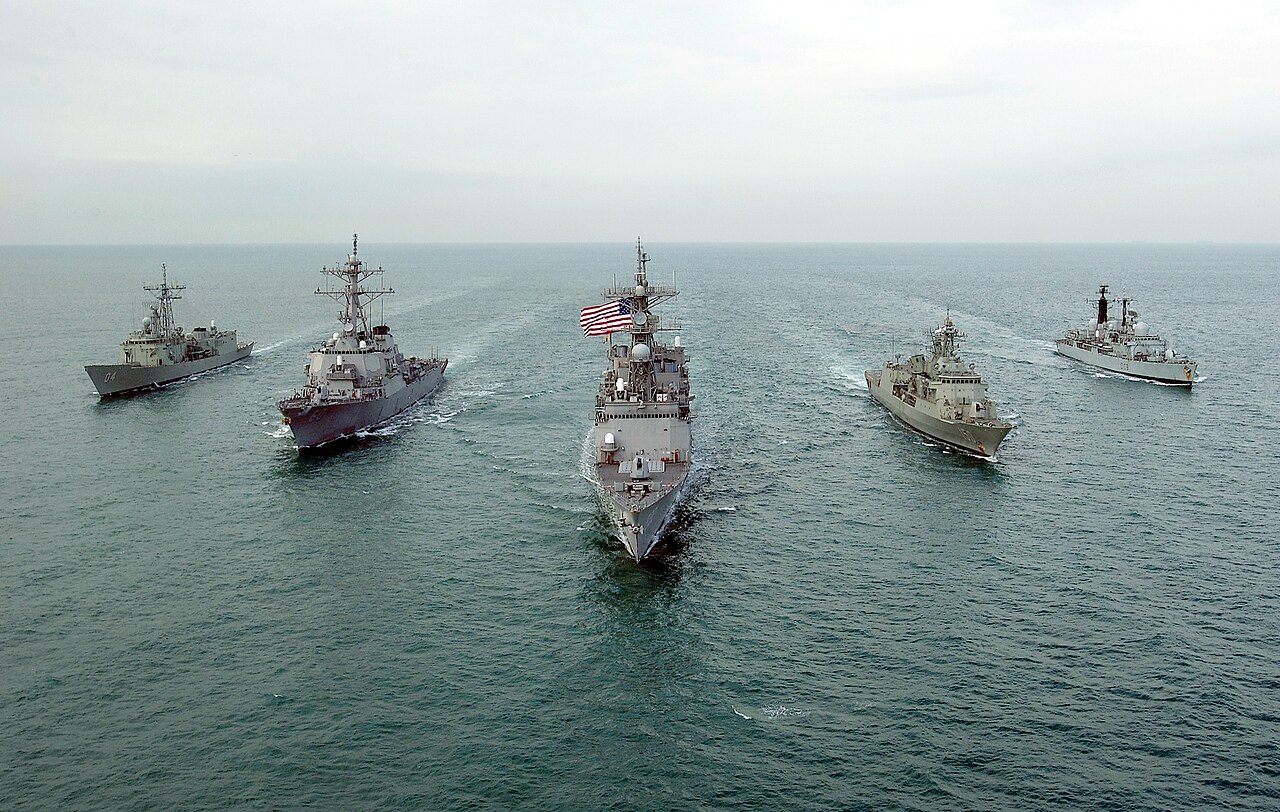
American forces began enforcing the blockade this week, deploying more than a dozen warships in the region. The goal, according to U.S. officials, is to cut off Iran’s ability to export oil and generate revenue, while also discouraging ships from entering Iranian ports.
The rules appear broad.
Ships that have recently docked in Iran, plan to enter Iranian ports, or have paid tolls for passage through Iranian-controlled waters could all be subject to interception.
That means U.S. forces may attempt to stop, inspect, or redirect vessels in one of the busiest maritime corridors in the world.
The Strait That Controls the World’s Energy
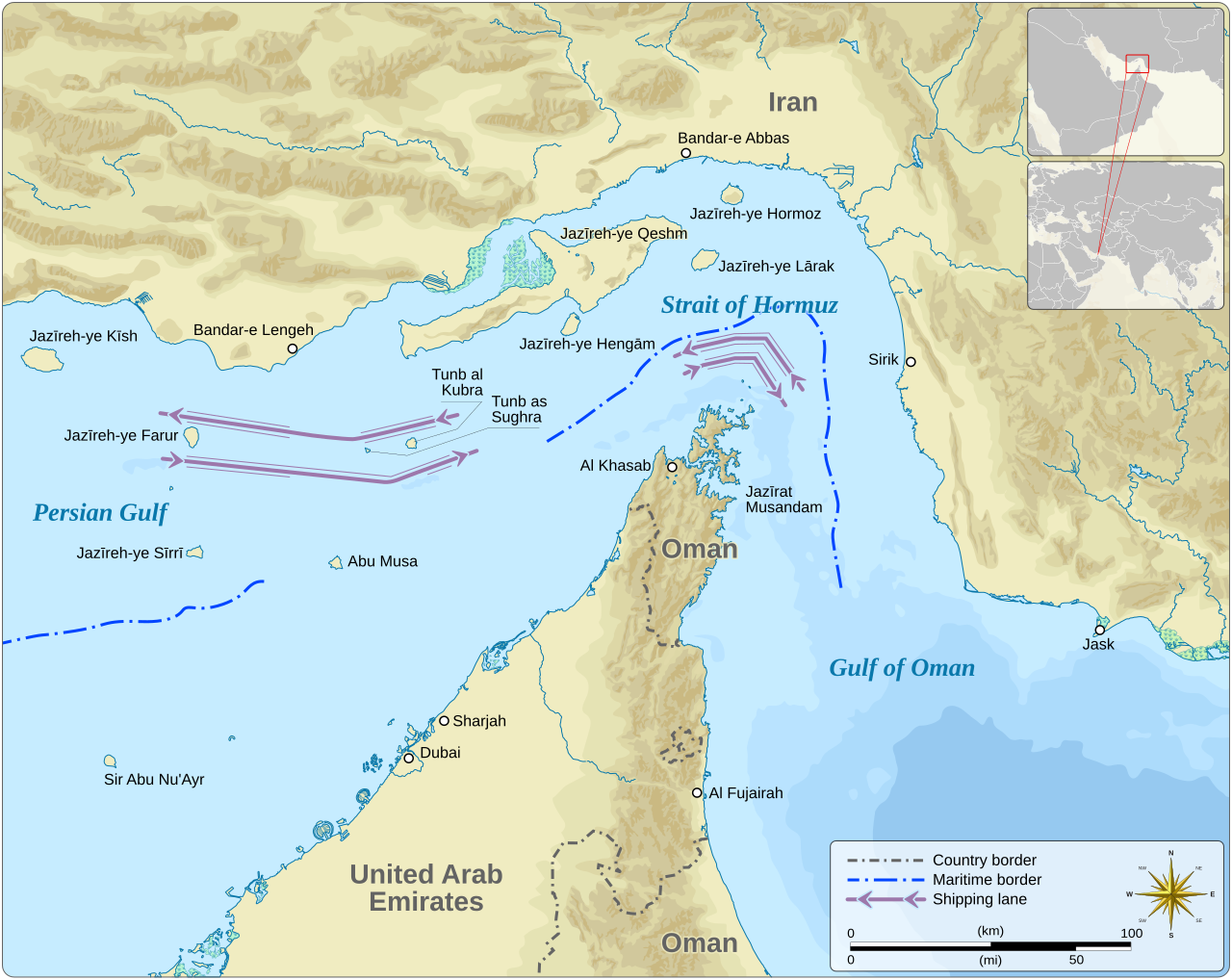
The blockade centers on the Strait of Hormuz, a narrow but critical waterway through which a massive share of the world’s oil supply flows.
Control of this chokepoint has long been one of Iran’s most powerful strategic advantages.
By threatening shipping, or allowing selective access, Iran can influence global energy markets almost instantly.
The U.S. appears to be betting that restricting Iran’s own exports will force Tehran to reopen the strait more broadly.
But that strategy comes with risks.
Because the strait doesn’t just matter to Iran.
It matters to the entire world.
Allies Aren’t Fully On Board
One of the most striking developments is the reaction from U.S. allies.
So far, key partners have shown little interest in supporting the blockade.
The United Kingdom has made it clear it is not participating, emphasizing instead the need to keep shipping routes open.
Spain has gone further, openly criticizing the war and questioning its purpose.
Behind the scenes, diplomats are asking difficult questions:
Can the U.S. realistically enforce this?
How will ships be identified and verified?
What happens if neutral countries ignore the blockade?
The lack of alignment suggests the U.S. may be acting largely alone in one of the most sensitive regions in global trade.
The China and Russia Factor
The biggest unknown may not be Iran, but other global powers.
Countries like China and India rely heavily on oil shipments that pass through the Strait of Hormuz. Russia, meanwhile, has been linked to “shadow fleet” vessels operating in the region.
China has already signaled it will not recognize the blockade.
Officials in Beijing have stated that their ships will continue moving through the strait and that existing energy agreements with Iran will be honored.
This raises a high-stakes scenario:
What happens if a U.S. warship attempts to stop a Chinese-flagged vessel?
Even the possibility of that kind of confrontation introduces the risk of a much broader geopolitical crisis.
How Enforcement Could Work
From a military standpoint, enforcing a blockade is far from simple.
U.S. naval forces would likely position themselves at key entry points near the Strait of Hormuz and the Gulf of Oman, monitoring traffic as it funnels through the region.
Boarding operations could involve:
Navy personnel
Marine units trained in ship interdiction
Potentially Coast Guard teams specializing in maritime enforcement
Ships suspected of violating the blockade may be redirected to friendly ports, such as facilities in Oman.
But each interception carries risk.
Boarding foreign vessels, especially in contested waters, can quickly escalate into confrontation.
The Risk of Escalation
The blockade could expose U.S. forces to new threats.
Iran has previously used:
Drones
Fast attack boats
Missile systems
to target ships and military assets in the region.
A sustained naval presence increases the chances of direct clashes.
At the same time, Iran could respond by allowing large numbers of ships to pass through, overwhelming enforcement efforts and creating confusion over which vessels should be stopped.
That kind of scenario could strain U.S. resources and complicate decision-making on the ground.

A Strategy Still Taking Shape
Perhaps the most striking detail is how little is publicly known about the blockade’s long-term plan.
Key questions remain unanswered:
How long will the blockade last?
What defines success?
What happens if Iran refuses to back down?
Even within diplomatic circles, there is uncertainty about whether this is a short-term pressure tactic or the beginning of a more sustained military strategy.
Why This Matters Beyond the Region
This is not just a regional issue.
The Strait of Hormuz is one of the most important arteries of the global economy.
Disruptions here affect:
Oil prices
Shipping costs
Supply chains worldwide
Markets have already shown sensitivity to developments in the region, with energy prices reacting sharply to any sign of escalation or de-escalation.
If the blockade intensifies, or fails, it could have ripple effects far beyond the Middle East.
The Bottom Line
The U.S. blockade of Iran is a bold move designed to shift leverage in an ongoing conflict.
But it is also a move filled with uncertainty.
Allies are hesitant.
Adversaries are pushing back.
And the rules of engagement are still evolving in real time.
Whether this strategy forces a breakthrough, or triggers a wider confrontation, may depend less on Iran alone, and more on how the rest of the world responds.
Featured Image from: U.S. Navy/PhoM1 Brien Aho, Public domain, via Wikimedia Commons