
First Lady denies any ties as her unexpected statement reignites debate over transparency and accountability
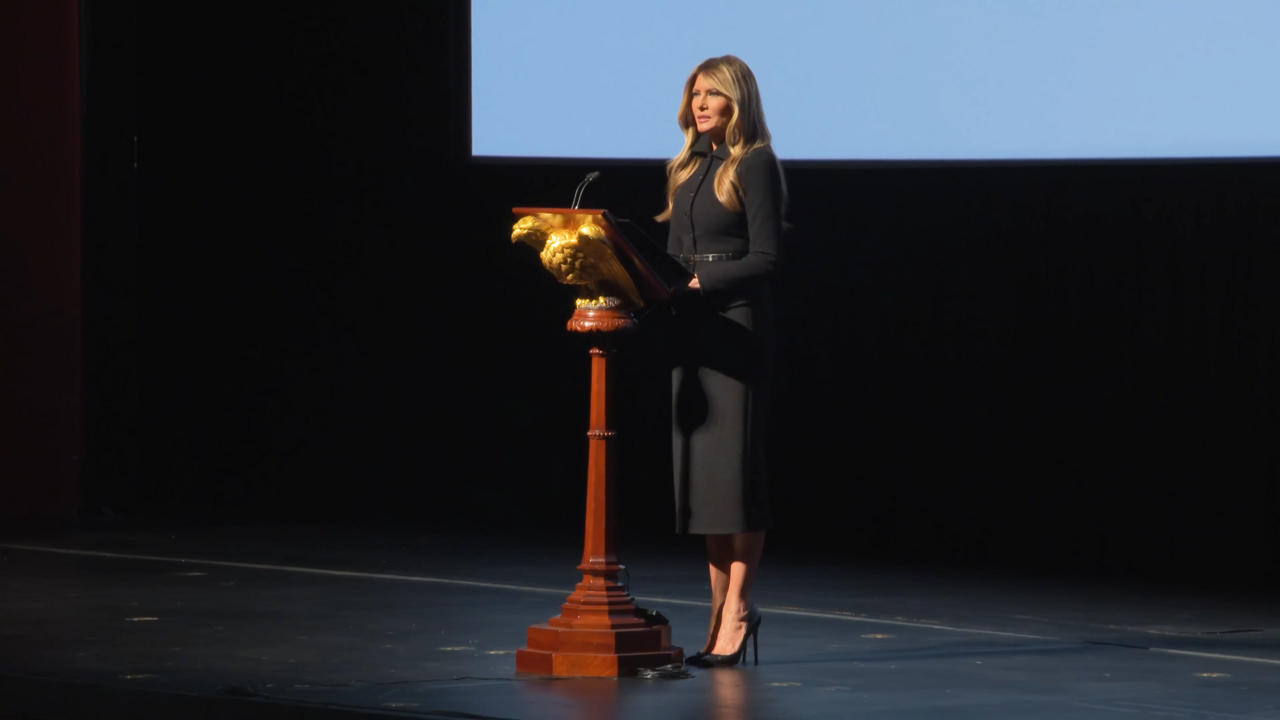
In a rare and unexpected appearance, First Lady Melania Trump stepped into one of the most sensitive and controversial issues in American public life, the legacy of Jeffrey Epstein.
Standing before reporters at the White House, she firmly denied any connection to Epstein while calling for Congress to hold hearings that would allow survivors to testify publicly.
Her message was direct:
“Any claims linking me to Epstein need to end today.”
But while her denial was unequivocal, her call for action has sparked a complex and divided response, raising new questions about accountability, transparency, and what justice should look like for victims.
A Rare Public Intervention
Melania Trump has largely maintained a low public profile since returning to the White House, making her decision to address the Epstein issue especially notable.
There was no advance indication that she would speak on the topic, and even within the administration, the timing appeared unclear. Conflicting reports suggested President Donald Trump may not have known the details of her remarks beforehand.
That uncertainty only added to the moment’s impact.
Her statement quickly shifted focus from speculation about past associations to a broader call for public testimony.
Her Denial and Explanation
In her remarks, the First Lady acknowledged that she had briefly “crossed paths” with Epstein around 2000 but rejected any suggestion of deeper involvement.
“I have never had any knowledge of Epstein abuse of his victims,” she said. “I was never involved in any capacity.”
She also denied knowing Ghislaine Maxwell, Epstein’s longtime associate, beyond what she described as limited and casual interaction.
Addressing a resurfaced email exchange, Melania characterized it as nothing more than polite correspondence, dismissing attempts to interpret it as evidence of a closer relationship.
Her legal team, she added, has already challenged similar claims in court, including disputes with authors and media outlets over what she described as “unverified” allegations.
The Call for Congressional Hearings
Beyond defending herself, Melania Trump made a broader proposal, one that could have significant political implications.
She urged lawmakers to allow Epstein survivors to testify under oath before Congress.
“Each and every woman should have her day to tell her story in public if she wishes,” she said. “Then, and only then, we will have the truth.”
The idea immediately gained traction in Washington.
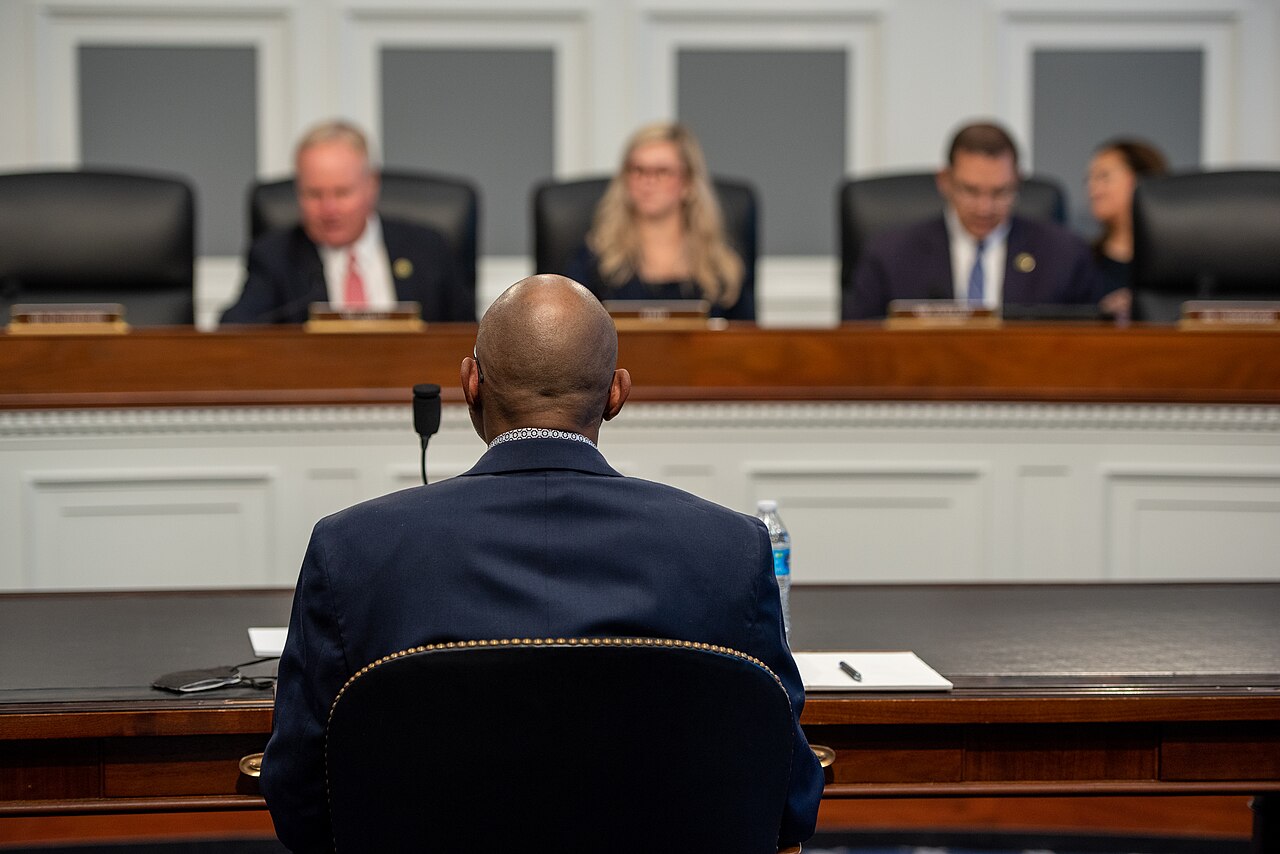
Representative Robert Garcia, a senior Democrat on the House Oversight Committee, publicly supported the call and urged congressional leadership to schedule hearings.
If pursued, such hearings could reopen national attention on Epstein’s network and the handling of investigative files.
Survivors Respond: Support and Skepticism
Reactions from survivors have been mixed.
Some, like Lisa Phillips, described the statement as a potentially meaningful step, but questioned whether it would lead to real action.
Others were more cautious.
Family members of Epstein accuser Virginia Giuffre and other survivors argued that victims have already come forward extensively, often at great personal cost.
In a joint statement, they warned that asking survivors to testify again, especially publicly, could place additional pressure on individuals who have already endured significant trauma.
They also raised a deeper concern:
Whether calls for hearings are a genuine effort toward accountability, or a deflection from broader institutional responsibility.
The Broader Context
Melania Trump’s remarks come at a time when renewed attention is being paid to Epstein’s network and the release of related documents.
In recent months:
Business leaders have faced scrutiny over past associations
Legal battles have emerged over publications and claims
Public trust in how the case was handled remains fragile
The Epstein case has long extended beyond one individual, raising questions about how powerful figures are investigated, and whether all information has been fully disclosed.
Political and Legal Implications
The First Lady’s intervention places her in an unusual position.
Traditionally, first ladies have avoided direct involvement in active legal or political controversies of this nature.
By stepping in, Melania Trump has:
Publicly defended her own reputation
Aligned herself with calls for transparency
Entered an ongoing national debate about justice
At the same time, her comments may increase pressure on lawmakers and the administration to address lingering questions about the Epstein investigation.

What Happens Next
It remains unclear whether Congress will act on the call for hearings.
Several factors will shape what happens next:
Political willingness to reopen the issue
Survivor participation and consent
The scope of any potential investigation
There is also the question of whether additional documents or findings could emerge, further influencing public perception.
For now, Melania Trump has placed the issue back into the national spotlight.
The Bottom Line
Melania Trump’s statement was both a denial and a challenge.
She rejected any connection to Epstein while calling for greater transparency through survivor testimony.
But the response shows that the issue is far from settled.
For some, her remarks represent an opportunity to push for accountability.
For others, they raise concerns about how justice is pursued, and who is responsible for delivering it.
In a case that has long blurred the lines between power, secrecy, and truth, one thing is clear:
The conversation is not over.
Featured Image from: The White House, Public domain, via Wikimedia Commons