

A growing standoff in Washington is raising new questions about accountability, legal limits, and whether key figures tied to the Jeffrey Epstein investigation can be compelled to testify under oath.
At the center of the dispute is former U.S. Attorney General Pam Bondi, who is now refusing to appear for a scheduled congressional deposition after leaving office, setting up a legal and political clash that is still unfolding.
A Subpoena in Limbo
The Department of Justice has taken the position that Bondi is no longer obligated to comply with a House Oversight Committee subpoena issued while she was serving as attorney general.
In a formal letter to lawmakers, the department argued that the subpoena was directed at Bondi strictly in her official capacity, not as a private individual. Since she no longer holds that role, officials say the requirement to testify no longer applies.
That interpretation effectively blocks her planned deposition tied to the committee’s investigation into the release and handling of Epstein-related files.
But Congress is not backing down.
Lawmakers Push Back
Members of the House Oversight Committee from both parties have made clear they do not accept the Justice Department’s reasoning.
The subpoena, they argue, was issued to Pam Bondi as a person, not just as a title.
Some lawmakers have warned that failure to comply could lead to contempt of Congress proceedings, a serious escalation that could carry legal consequences.
Others are already working to reschedule the deposition by engaging with Bondi’s personal legal team, signaling that the fight is far from over.
The dispute has become particularly notable because the original subpoena had bipartisan support, with several Republicans joining Democrats in demanding her testimony, an increasingly rare alignment in a deeply divided political environment.
Why Bondi Matters in the Epstein Investigation
Bondi’s role has come under scrutiny due to her oversight of the Justice Department during a critical phase of the Epstein files’ release.
Lawmakers want answers to questions that remain unresolved, including:
How decisions were made about what information to release
Whether any materials were withheld or delayed
How the department handled politically sensitive names tied to the case
While not every individual mentioned in Epstein-related documents is accused of wrongdoing, the broader issue is transparency, especially when powerful figures are involved.
For many in Congress, Bondi represents a key witness in understanding how the process was handled at the highest levels.
A Broader Accountability Test
The standoff is no longer just about one deposition. It reflects a deeper institutional question:
Can former officials avoid congressional testimony by leaving office?
Legal experts are divided.
Some argue that executive branch protections should not disappear simply because someone steps down, especially if the testimony relates to official actions taken while in power.
Others say allowing former officials to sidestep subpoenas could weaken Congress’s ability to conduct oversight altogether.
That tension is now playing out in real time.
Political Pressure and Public Expectations
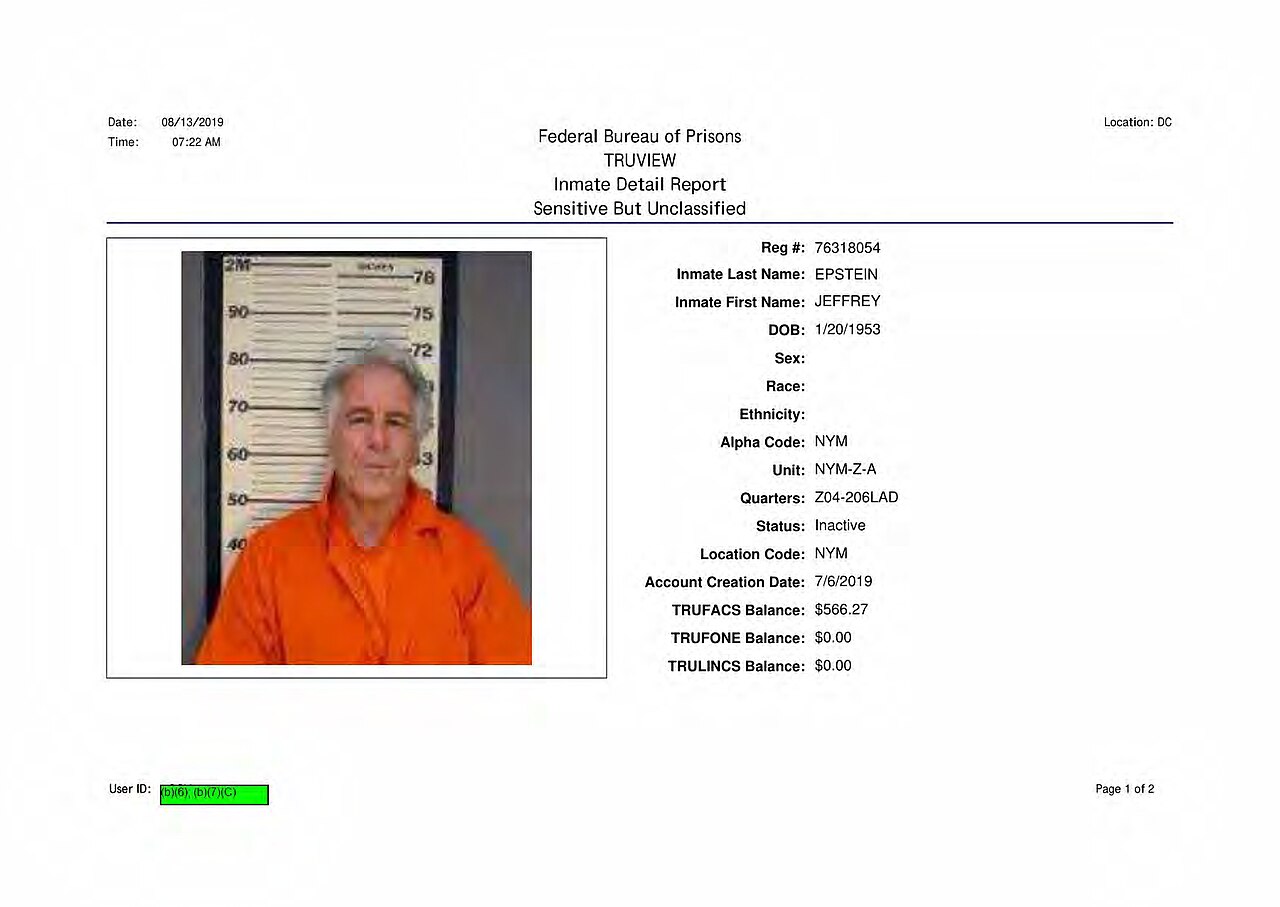
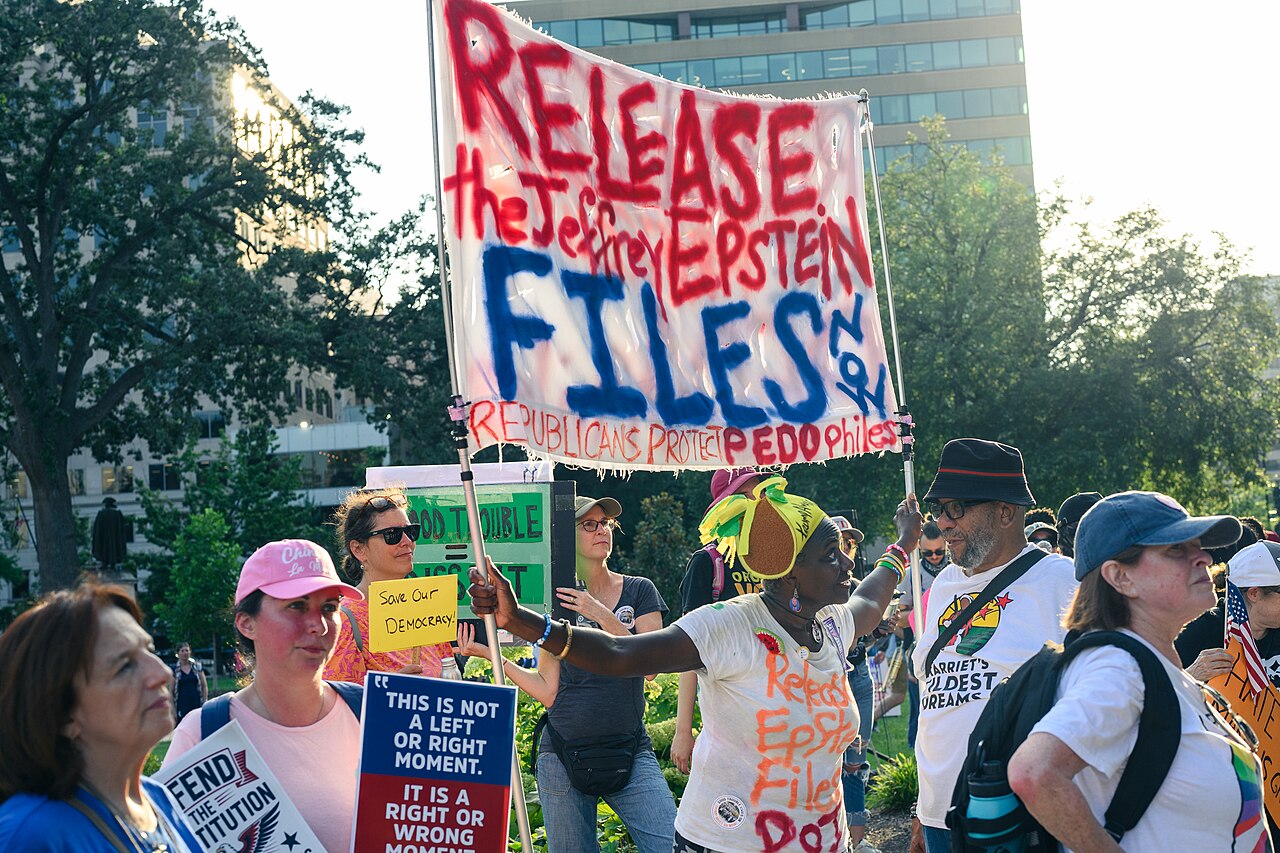
The Epstein case continues to carry intense public scrutiny years after his death in federal custody.
Each new development, whether document releases, resignations, or legal battles, tends to reignite debate over whether the justice system treats powerful individuals differently.
Lawmakers pushing for Bondi’s testimony have framed the issue as one of fairness and transparency, arguing that survivors and the public deserve clear answers.
At the same time, critics of the process warn that congressional investigations can become politicized, especially when tied to high-profile figures and election-cycle dynamics.
What Happens Next
For now, the situation remains unresolved.
The committee is expected to:
Continue negotiations with Bondi’s legal team
Determine whether to enforce the subpoena through legal channels
Consider contempt proceedings if compliance is refused
Meanwhile, the Justice Department has signaled it will not intervene further, leaving the matter largely in the hands of Congress.
The Bigger Picture
This confrontation highlights a recurring challenge in Washington:
Where does accountability end, and where do legal protections begin?
If Bondi ultimately testifies, it could provide new insight into one of the most scrutinized investigations in recent memory.
If she does not, it may set a precedent for how future officials respond to congressional subpoenas after leaving office.
Either way, the outcome could shape not just this investigation, but the balance of power between Congress and the executive branch moving forward.
Featured Image from: Gage Skidmore from Surprise, AZ, United States of America, CC BY-SA 2.0, via Wikimedia Commons