
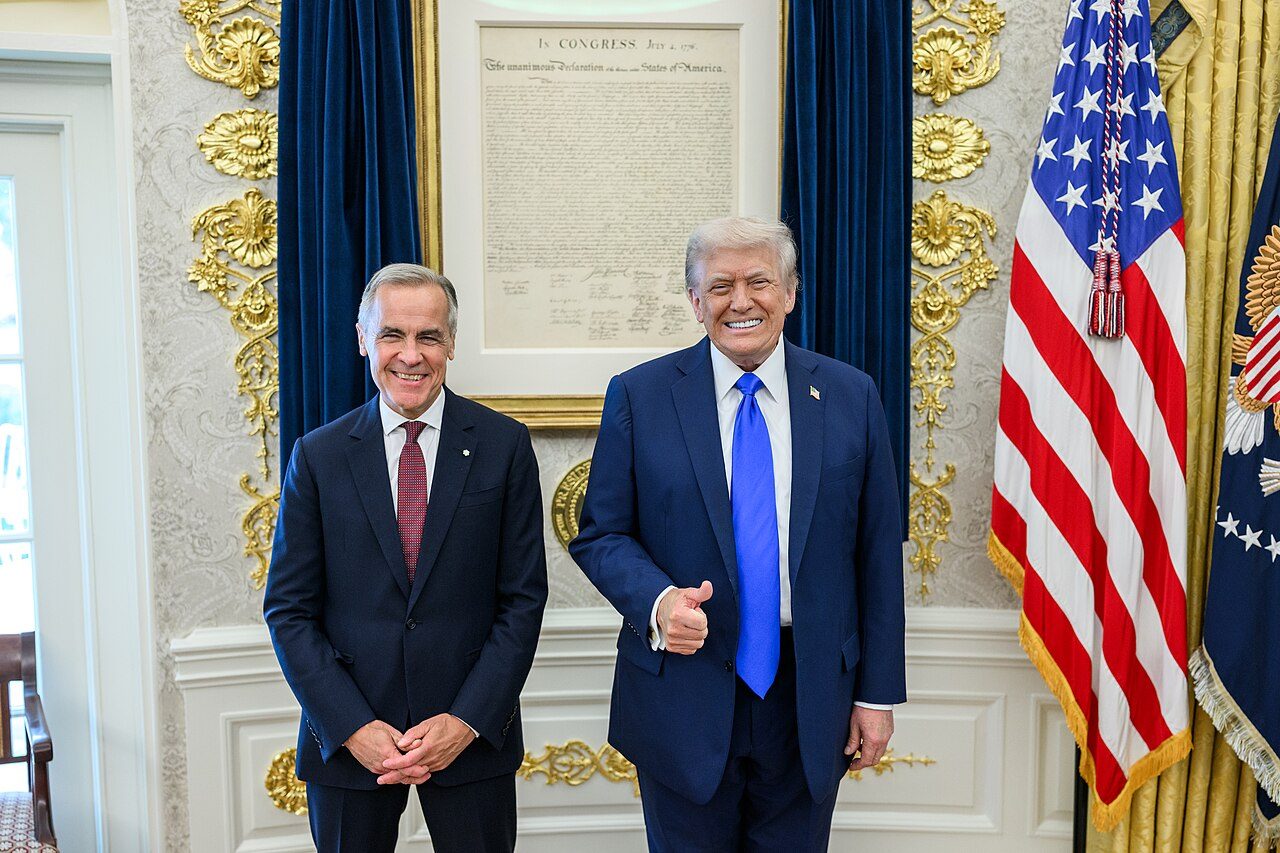
An official in Ottawa says talks on steel and auto tariffs have moved little, despite upbeat signals from Washington
A Canadian government official said this week that trade talks with the United States to ease US tariffs on Canadian steel and autos have made “limited progress,” The Canadian Press reported, a cautious note as President Donald Trump predicts a deal before the Nov. 3 midterm elections.
An official with knowledge of the discussions also told Reuters on Wednesday that discussions have continued but “there has been limited progress.”
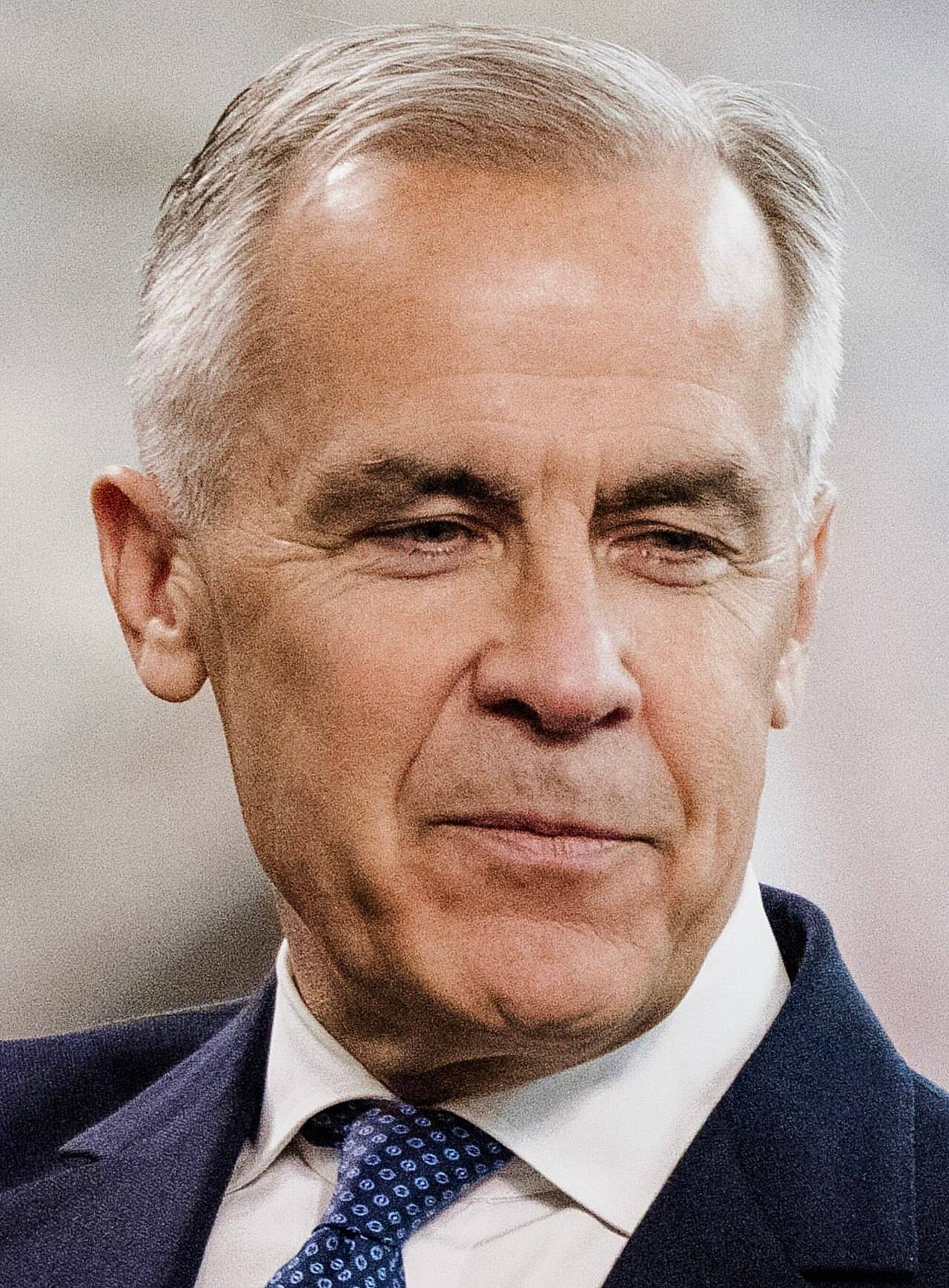
Canada Trade Talks Show Limited Progress
Reuters said the latest talks have focused on tariffs imposed under Section 232 of US trade law, including up to a 50% tariff on Canadian steel and a 25% tariff on autos. Several industry sources told The Globe and Mail that the talks appear narrowly focused on those sectoral tariffs on automobiles, steel and aluminum.
Prime Minister Mark Carney said Wednesday that Canada remains ready to sign an agreement that serves the interests of both countries.
“If those deals present themselves, we will pursue them, but we’re not at that position right now,” Carney told reporters, according to Reuters.
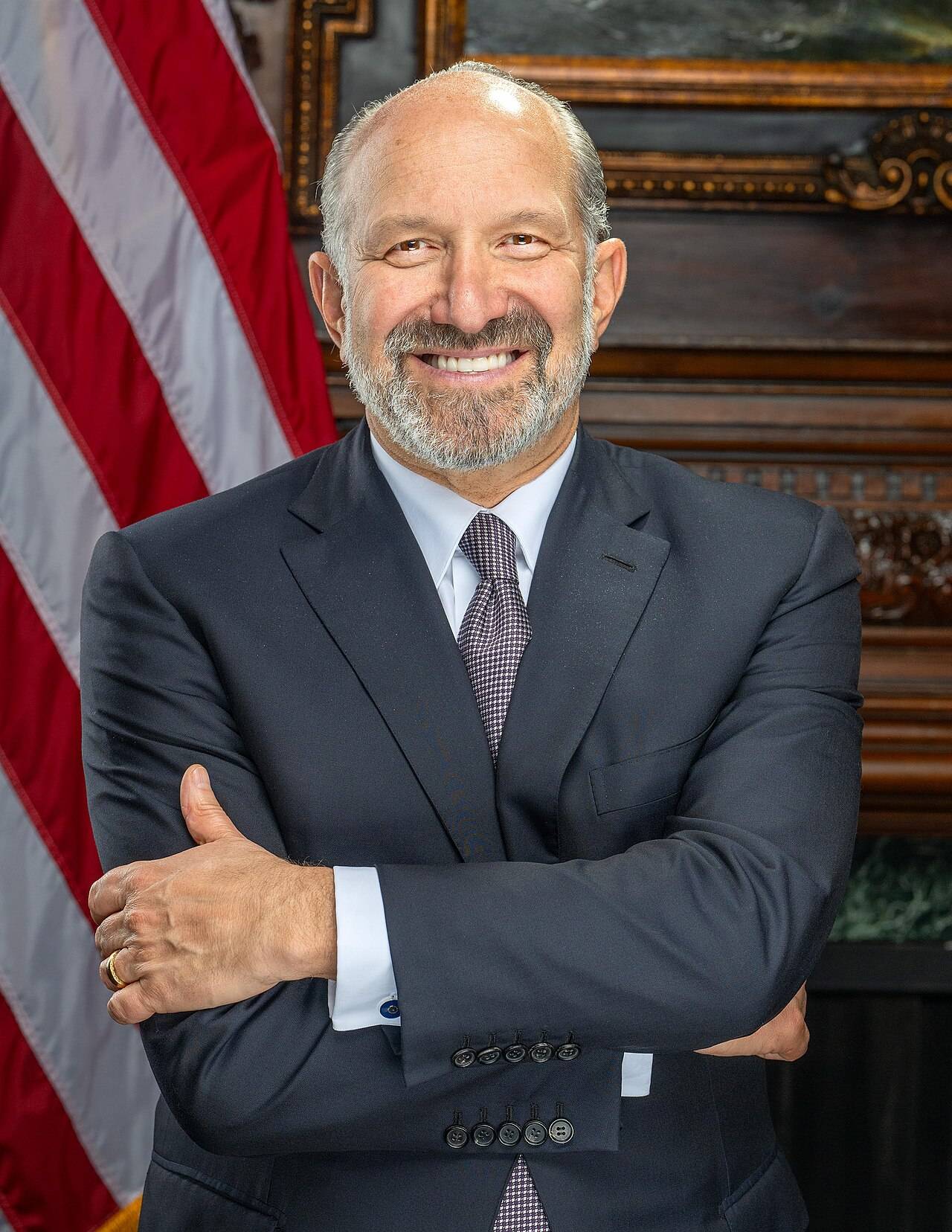
A US government official told Reuters there were significant ongoing talks, including between Commerce Secretary Howard Lutnick and Dominic LeBlanc, Canada’s minister responsible for trade with the United States.
The White House said Lutnick and US Trade Representative Jamieson Greer have both spoken with their Canadian counterparts in recent days.
Carney Says Washington Is Moving Closer
On Monday, Carney described a “slight, slight intensification” of discussions but said Canada’s negotiating position had not changed, the Associated Press reported.
“To the extent any progress has been made, it’s because the U.S. is coming closer to our position,” Carney said.
“Canada is ready to sign an agreement that is in the interests of all Canadians, with very clear bottom lines, red lines, which meant that we were not willing to sign what was offered in August,” he said, according to the Globe.
Carney said he could not be certain Trump would honor a new agreement. In August, he had said Washington’s signature was written in pencil. Asked Monday whether it would now be signed in pen, he replied: “I don’t know that.”
A spokesperson for LeBlanc’s office said the two sides “remain in constructive dialogue.” White House economic adviser Kevin Hassett has suggested the countries are close to a deal, AP reported.
Two US industry sources told the Globe the sides appear to have reached a landing zone on auto tariffs. One Canadian official, however, said no documents have been exchanged and no representatives sent to Washington.
Midterms Put Tariffs on the Ballot
Trump’s Republican Party is fighting to keep control of Congress on Nov. 3, part of the fight for control of the House and the Senate. Reuters reported that tariffs on Canadian imports have become a political liability for the president, with Republican candidates in border states calling for an end to the trade war.
In Michigan, Republican Senate candidate Mike Rogers says in a campaign ad that “we need to end this tariff war now,” according to AP.
At a rally in Port Huron, Michigan, on Sunday, Trump said Canada was “willing to give us anything at this moment” and that the dispute would be settled “pretty soon.”
Last week, Trump lifted some Canada tariffs Collins sought, a move that could benefit companies in Maine, where Republican Sen. Susan Collins is in a tight reelection race. His proclamation of Oct. 23 removes some Canadian products from the 50% duties and adds others, effective Oct. 30.
According to a tariff timeline from the law firm Blakes, plywood sheets, refrigeration and packaging equipment, seaweed and agricultural machinery come off the 50% list. Flooring, cocoa powder products, window air-conditioning units and medical equipment are among the goods added.
Candace Laing, chief executive of the Canadian Chamber of Commerce, said Canada’s trade team told her a deal by Nov. 3 was possible but not highly likely. “There’s a possibility that a deal could be reached by Nov. 3,” she told the Globe.
Flavio Volpe, president of the Automotive Parts Manufacturers’ Association, pointed to the election calendar. “A lot of those Senate seats that are in play are in states that are very dependent on the Canada-U.S. relationship,” Volpe said.
Some experts have said the administration may be less willing to make trade concessions to Canada once the midterms are over, Reuters reported.
How the August Talks Collapsed
Carney suspended negotiations on Aug. 21 and recalled Canada’s negotiators. In a statement reported by Fox Business, he said “last-minute changes in the U.S. proposed terms were unfair, uneconomic, and called into question the reliability of any deal.”
Greer gave a different account. “Tonight, Canada declined to finalize the trade deal under the terms agreed earlier this week,” he said. “This is a missed opportunity for Canada to partner with the United States, which is the fastest growing economy in the G7.”
The 50% US duties, imposed under section 338 of the Tariff Act of 1930, took effect on Aug. 22. Trump’s Oct. 23 proclamation says that on Aug. 21, “Canada reneged on its commitment, ceased negotiating in good faith.”
NPR reported that the tariffs covered $20 billion worth of Canadian products. Carney put the figure at roughly $28 billion.
Carney had pledged that “Canada will match those tariffs dollar for dollar to protect our workers and businesses.” Canada’s counter-tariffs of 15%, 25% and 50% on about C$27.6 billion of US imports took effect Sept. 8, according to Blakes. Washington then banned nearly US$1 billion of select Canadian goods, including alcoholic beverages and motorcycles, from Sept. 29.
Carney has given three main reasons for walking away, the Globe reported:
- The US refused to extend tariff relief to medium- and heavy-duty trucks.
- Washington pushed for changes on how French-language content is found on streaming services.
- Proposed language could have restricted Canada’s ability to make trade deals with other countries.
US officials have disputed his account of the last two points.
Carney aims to double Canadian exports outside the United States over the next decade, and is hosting European Union leaders in Montreal on Thursday and Friday. Delightful Daily has covered how Carney’s majority victory reshaped Ottawa’s approach to Trump, as well as the Trump tariff refunds now going to US companies.
Featured image from: White House, Public domain, via Wikimedia Commons