
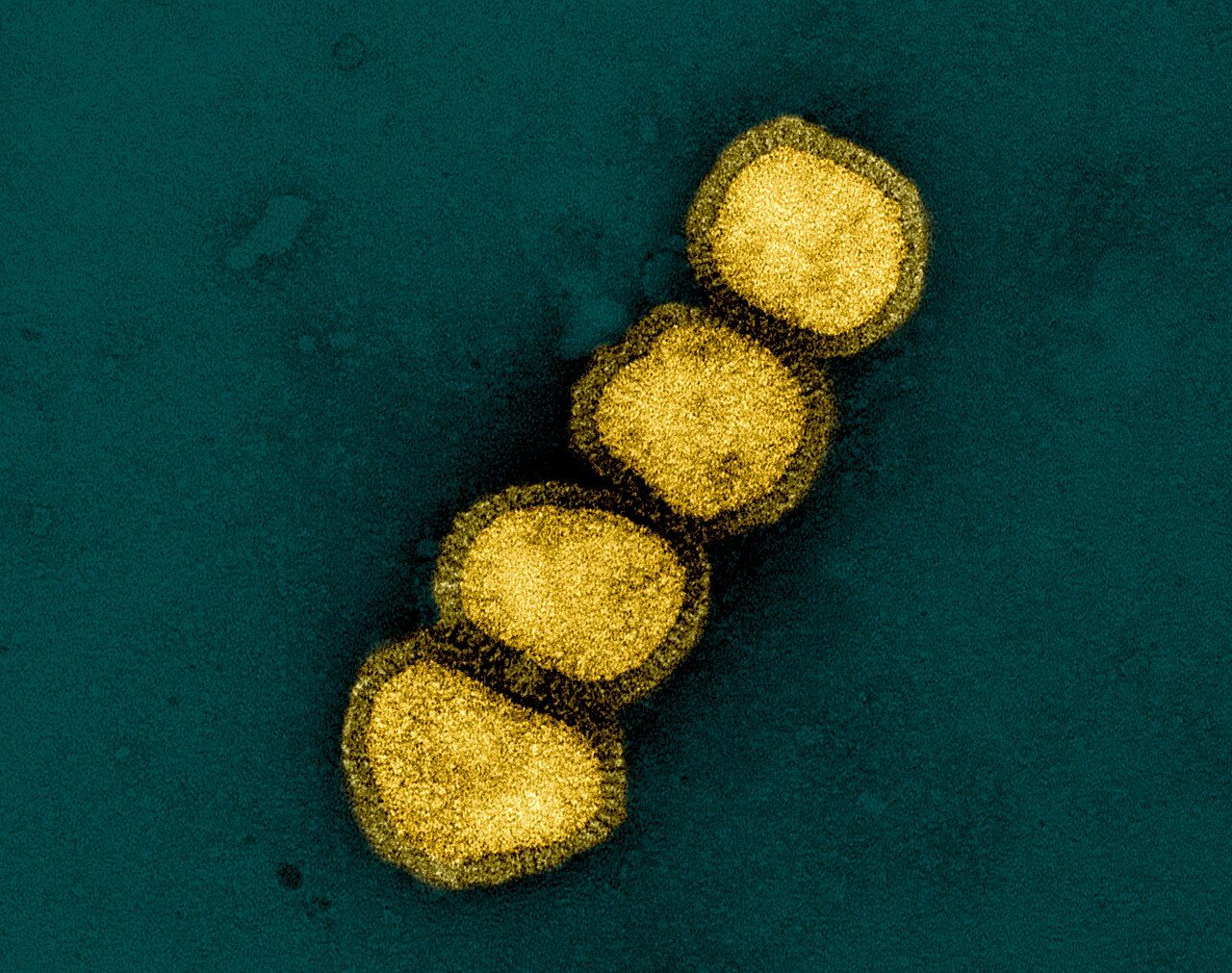
The season started on the West Coast and is moving east, led by an H1N1 strain carrying a new mutation
Flu season usually waits for the holidays. This year it showed up in late summer, on the opposite side of the country from where it normally starts.
In Washington state, roughly 1 in 10 people tested for flu last week was positive, according to state data cited by CNN. The strain behind most of those infections is H1N1, and it carries a mutation scientists are now working to understand.
A Flu Season Running Months Ahead
This year’s season started about 2 1/2 months earlier than usual and hit West Coast states first, which is unusual, Dr. Alex Greninger told CNN. He heads the Division of Infectious Disease Diagnostics at the University of Washington’s Department of Laboratory Medicine.
In most years, the U.S. flu season begins in the South, often in Florida, and spreads north as fall turns to winter.
“We see a pretty strong peak in January,” Greninger said. This year is different: “We’re basically seeing January levels of flu in the last week.”
National numbers point the same way. Positive flu tests reported to the CDC by clinical labs hit 5% in mid-October, a 10-year high for this time of year, Reuters reported. On the West Coast, the figure was 10.7%, compared with 0.5% a year earlier. At the peak of flu season, that rate is usually around 30%.
The virus has not taken off everywhere yet. About 2.1% of doctor visits nationally were for flu-like illness, still below the national baseline, according to CDC data cited by CNN.
Walgreens says the season is tracking about four weeks ahead of recent years nationally, CNN reported, with more antiviral prescriptions filled than a year ago.
Caitlin Rivers, an epidemiologist at the Johns Hopkins Bloomberg School of Public Health, said the virus is now moving east.
“All of the Pacific states, I would say, started their season very early, but we are now seeing as the season progresses a spread eastward, and so all regions of the country are seeing increases at this point,” she told CNN.
In the region covering Arizona, California, Hawaii and Nevada, at least 10% of flu tests came back positive, according to CNN. Rivers told Reuters that numbers are also elevated in eight Southern states, including Florida and South Carolina.
Washington Sees Early Hospitalizations
In Washington, emergency visits for flu-like illness began climbing as early as mid-August, well ahead of the usual late-October rise, state health officer Dr. Tao Sheng Kwan-Gett told FOX 13 Seattle.
Snohomish County, north of Seattle, recorded 63 flu hospitalizations between late August and early October, 31 of them in a single week. The county usually sees that level in December.
“This is way earlier than we would normally expect to see flu increase,” said Dr. James Lewis of the Snohomish County Health Department.
County officials have linked two deaths to the surge, KOMO News reported: an Edmonds man in his 70s with underlying health conditions who died Oct. 3, and an elderly man from Everett.
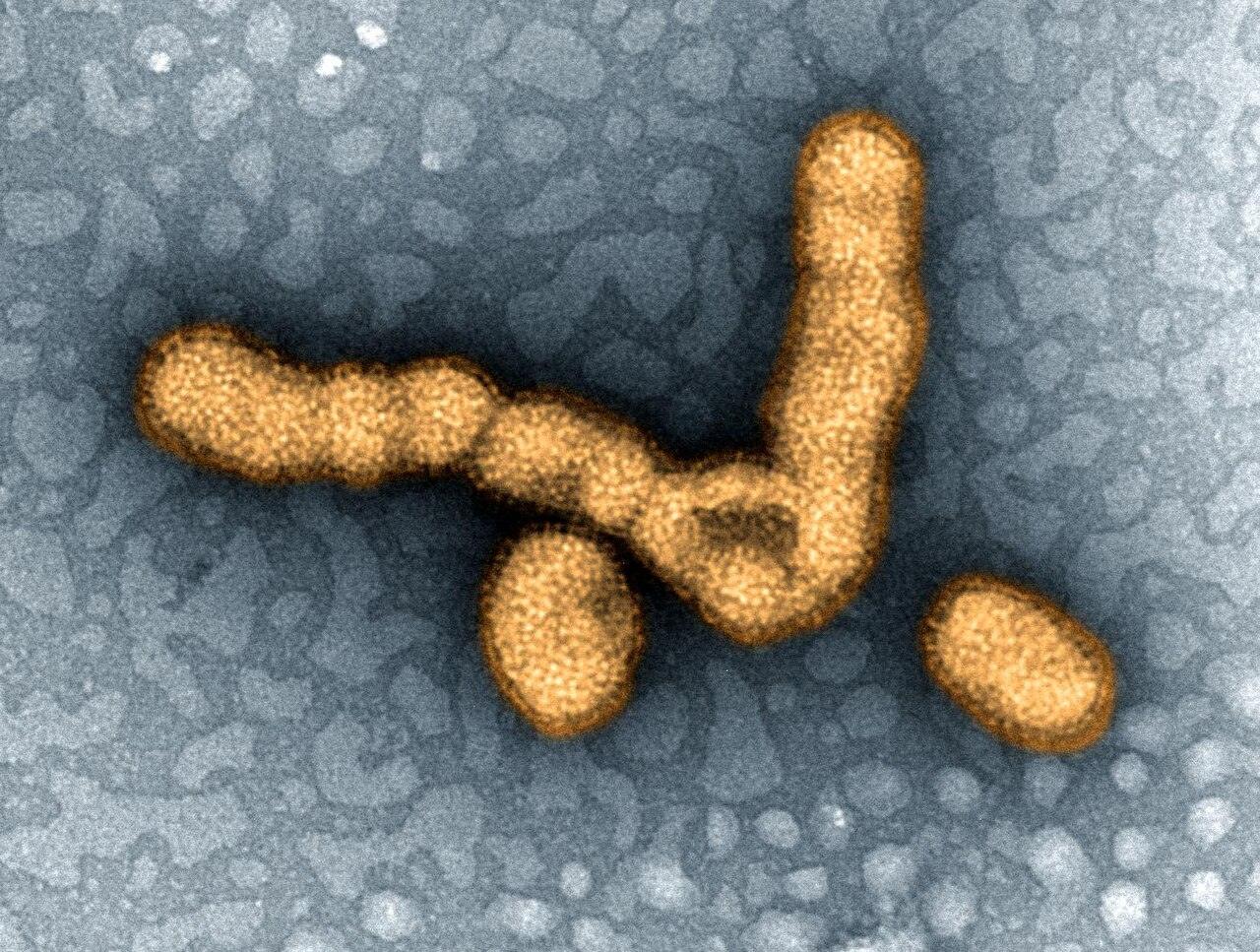
The G155E Mutation Behind the Worry
The wave hitting the Pacific states came from Asia and is dominated by H1N1, the virus behind the 2009 pandemic, Greninger told CNN. It makes up about 98% of the samples his lab is now receiving, he said.
H1N1 leads nationally, too. As of Sept. 26, it accounted for 96% of positive U.S. samples that had been genetically sequenced, with H3N2 at 4%, To Vima reported.
This year’s H1N1 has picked up a gene mutation called G155E, which CNN reported makes the virus better at evading immunity. University of Washington researchers found it in 13 of 17 sequenced H1N1 samples from hospitals and clinics in the Seattle area, according to To Vima.
G155E appeared after the strains for this year’s flu shots had already been chosen in the spring. Greninger said the vaccines target a version of H1N1 and should still offer some protection, but the virus can still break through.
People who were previously exposed to H1N1, through infection or vaccination, would have only some residual protection from the older versions, scientists told Reuters.
In Japan, CNN reported, the same version forced school and day-care closures after cases surged in children.
Jeanne Marrazzo, chief executive of the Infectious Diseases Society of America, told Reuters that studies of antibodies from people exposed to flu last year found they did not recognize the new mutation. That was especially true of antibodies from teens and young adults.
“What people are a bit worried about is that the H1N1 strain this year hasn’t been seen by a lot of younger folk, so it may be more severe in them,” said Dr. Jennifer Duchon, a pediatric infectious disease expert at Mount Sinai Children’s Hospital in New York.
Still, no one has shown that the mutation is what pushed the season forward. “There’s no clear reason to me why this would be the case,” Rivers told Reuters.
She offered two possibilities. Last season was dominated by H3N2, so immunity to H1N1 may simply be less fresh. Or the new mutation may be responsible.
What Is H1N1 Flu?
Seasonal flu epidemics are caused by influenza A and B viruses. The two influenza A subtypes circulating in people today are H1N1 and H3N2, according to the WHO’s seasonal influenza fact sheet.
The current H1N1 virus, also written A(H1N1)pdm09, caused the 2009 pandemic and replaced the H1N1 virus that had circulated before it.
Worldwide, the World Health Organization estimates around a billion seasonal flu cases each year, including 3 to 5 million cases of severe illness. Flu causes 290,000 to 650,000 respiratory deaths a year, the agency says.
Symptoms usually begin about two days after infection. According to the WHO, they include:
- sudden fever
- cough, usually dry
- headache
- muscle and joint pain
- feeling severely unwell
- sore throat
- runny nose
Most people recover within a week without medical care, though the cough can last two weeks or more.
Some groups face a higher risk of severe illness, the WHO says: pregnant women, children under 5, older people, and people with chronic medical conditions or weakened immune systems.
Even in a normal year, flu is hard to call. “The only thing predictable about flu is that it’s unpredictable,” Lewis told FOX 13 Seattle.

How Well This Year’s Flu Shot Works
The 2026-2027 flu vaccines, approved by the FDA in August, target H1N1, H3N2 and one influenza B virus, Reuters reported.
Scott Hensley, a microbiologist at the University of Pennsylvania, said two of the three components appear very well matched to circulating strains. The H1N1 mutation might affect antibodies in younger people, he added, so “it is probably a good idea to get vaccinated early.”
Flu shots are not perfect. Over the past 10 years, the vaccine has been 30% to 60% effective in reducing flu hospitalizations and deaths, according to Reuters, depending on how well it matched the strains that circulated. Last season, an estimated 32 million Americans had the flu, 390,000 were hospitalized and 24,000 died.
Strains are picked in the spring because most U.S. flu shots are still grown in chicken eggs, a practice that persists because it is cheap, Greninger told CNN.
“What this really puts the focus on is, we’ve got to be able to make these vaccines faster,” he said.
A newer option is already on shelves. In August, the FDA approved mFlusiva, Moderna’s mRNA flu vaccine for adults 50 and older, the Associated Press reported. Full approval for ages 50 to 64 rested on a study of 40,000 people that found 27% fewer flu cases than with a common flu vaccine brand.
For people 65 and older, the shot received accelerated approval while Moderna runs an additional study. Moderna’s data showed no major safety issues, but injection site pain, fever, headache, tiredness and aches were somewhat more common than with current flu shots.
Greninger said mRNA technology has the potential to make better shots available more quickly.
Fewer Americans Getting Vaccinated
About 58 million adults got a flu shot last season, according to data firm IQVIA cited by Reuters, down more than 20% from nearly 75 million in 2019-20.
Children’s vaccination rates have slipped as well. Around half of U.S. children got a flu shot last year, according to CDC data cited by Reuters, compared with more than 60% in 2019-20.
Reuters also reported that promotion of flu shots has been reduced under Health Secretary Robert F. Kennedy Jr., and that the CDC pulled its flu ad campaign in 2025, according to press reports. Paul Offit, a pediatric infectious disease expert at Children’s Hospital of Philadelphia, said of Kennedy: “He has done what he can to discourage flu vaccination.”
An HHS spokesperson pointed to a CDC toolkit that calls vaccination the most effective tool to prevent serious illness.
Promise and Limits of the Early Research
The antibody findings that worry experts are still early. A Fred Hutchinson Cancer Center team led by Jesse Bloom tested antibodies in blood from 260 people in Australia and the U.S. against 148 influenza A strains, To Vima reported.
Some strains carrying G155E were less easily recognized, and antibodies from teens and young adults did particularly poorly. The work was posted as a preprint on bioRxiv and has not yet been published in a peer-reviewed journal.
Lab tests like these show how well antibodies recognize a virus, not how sick people will get or how well this year’s shot will work. Marrazzo told Reuters the small studies are something to be aware of, but not a cause for alarm.
Europe offers a calmer picture so far. The European Centre for Disease Prevention and Control says flu activity is low across most of the continent. In the 2025-26 season, G155E turned up in just 60 of 6,636 sequenced A(H1) samples there, under 1%, according to To Vima.
“At this stage, there is no evidence of widespread or unusually early influenza circulation in Europe,” ECDC virologist Iva Bråberg told the Greek outlet.
Whether the early start will make the U.S. season more severe remains to be seen. Greninger also raised the possibility of a second wave once H1N1 peaks.
“I wouldn’t be surprised to see a second flu season, like a normal flu season,” he said.
Greninger said tools developed during the Covid-19 pandemic now let researchers track viral variants almost in real time.
How to Protect Yourself This Flu Season
Doctors often advise getting a flu shot before Halloween. This year, Greninger’s advice is to get vaccinated as soon as possible.
“But really, the time to get vaccinated was actually two to three weeks ago,” he told CNN.
Rivers shares the concern. “It is very early, and so I worry about vaccine timing,” she said.
“We can’t really control when flu season starts, but we can control when we get vaccinated,” Kwan-Gett told FOX 13 Seattle.
Protection is not instant, either. “It takes a few days to a week for the vaccine to provide protection before infection,” Dr. George Diaz of Providence Regional Medical Center in Everett told KOMO News.
Health officials and the WHO recommend these steps:
1. Get vaccinated now. A flu shot is recommended for everyone 6 months and older. Flu, COVID-19 and RSV shots can be given at one visit. 2. Protect higher-risk people, such as pregnant women, young children, older adults and people with chronic conditions. 3. Wash your hands often and cover coughs and sneezes. 4. Wear a mask in crowded spaces, as Washington health departments advise. 5. Stay home when you feel sick. 6. If you get sick, rest and drink fluids. High-risk people should get antivirals as soon as possible.
For adults 65 and older, one of the groups officials most want vaccinated, it is worth checking your Medicare benefits before you book an appointment.
Featured image from: NIAID, Public domain, via Wikimedia Commons