
A narrow win gives Canada’s prime minister broad power, and a clearer mandate to push back
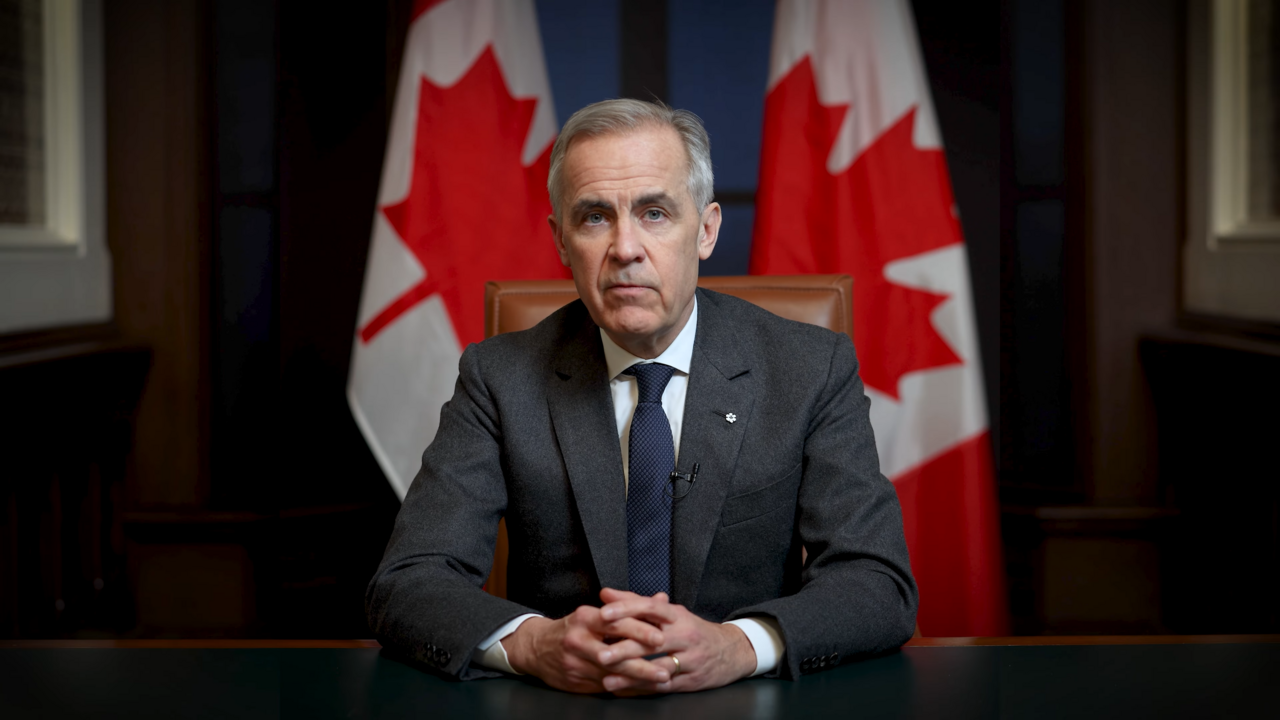
Canadian Prime Minister Mark Carney has secured something that looked unlikely just months ago: a working majority government.
With his Liberal Party crossing the critical threshold in Parliament, Carney now holds enough power to govern without relying on opposition support, giving him a stronger hand at home and a freer path to confront growing tensions with the United States.
But the real story isn’t just the numbers.
It’s what this new mandate allows him to do next.
A Majority That Changes the Equation
According to projections, the Liberal Party has reached 173 seats in the House of Commons, just enough to form a majority government.
It’s a slim margin, but politically, it’s a major shift.
A majority means Carney can:
Pass legislation without coalition support
Move faster on economic and trade policies
Set the political agenda with fewer constraints
That matters because his leadership has been defined by one central challenge:
How to respond to President Donald Trump.
A Government Built on Defections and Momentum
Carney’s path to this moment has been anything but traditional.
His party’s surge has been fueled not only by election wins, but by a wave of high-profile defections from opposition parties. In the past five months alone, multiple lawmakers have crossed the floor to join the Liberals.
That has helped transform a once-struggling party into a governing force with renewed momentum.
But it has also created internal tensions.
Some longtime Liberal supporters worry that welcoming defectors, particularly those with opposing views on key social issues, could dilute the party’s identity.
The Trump Factor
If there is one constant in Carney’s rise, it is Donald Trump.
From tariffs to rhetoric about Canada becoming the “51st state,” Trump’s approach has reshaped Canadian politics in ways few expected.
Carney has positioned himself as one of the most vocal global critics of Trump’s policies, warning that they signal a breakdown in the international rules-based order.
His approach has been described in his own words as:
“Respect, but not obsequiousness.”
That balance, standing firm without escalating unnecessarily, has become central to his leadership style.
A New Kind of Canadian Unity
Trump’s pressure has had an unexpected effect inside Canada.
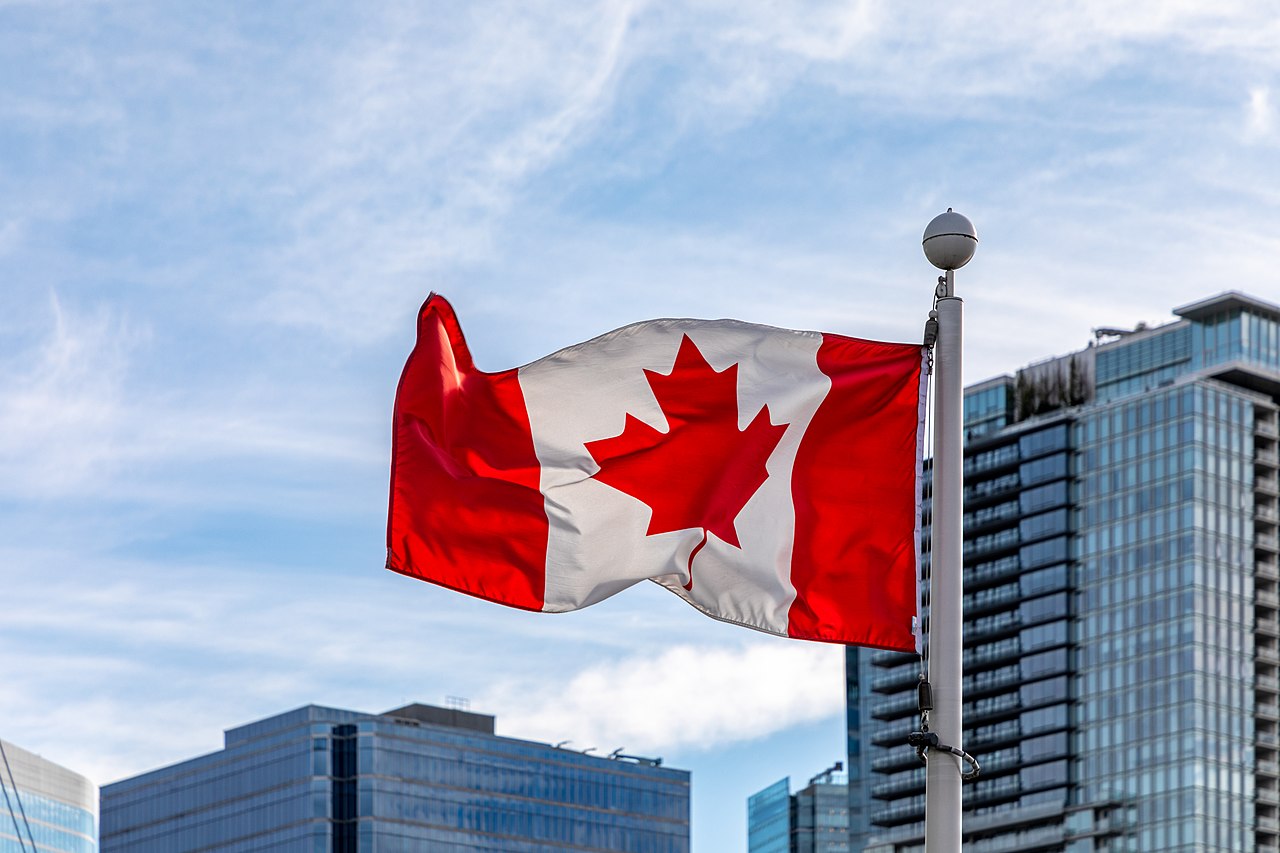
It has fueled a wave of national unity.
Many Canadians have responded by:
Avoiding travel to the United States
Boycotting American products
Rallying around domestic industries
This shift has created political space for Carney to push policies aimed at reducing Canada’s reliance on its southern neighbor.
In some ways, Trump has unintentionally strengthened the very resistance Carney is now leading.
What Carney Wants to Do Next
With a majority secured, Carney is expected to move forward on a strategy focused on economic independence and resilience.
Key priorities include:
Reducing reliance on U.S. trade
Strengthening domestic industries
Building alliances with other “middle powers”
Carney has repeatedly emphasized the need for countries like Canada to work together in a changing global landscape, one where traditional alliances can no longer be taken for granted.
The Risks Beneath the Victory
Despite the win, Carney’s position is not without challenges.
His majority is narrow.
A single seat above the threshold leaves little room for internal dissent.
At the same time, his strategy of welcoming defectors has sparked criticism within his own party, particularly when those new members hold views that clash with core Liberal policies.
This creates a balancing act:
Maintaining unity while expanding political reach.
A More Independent Canada?
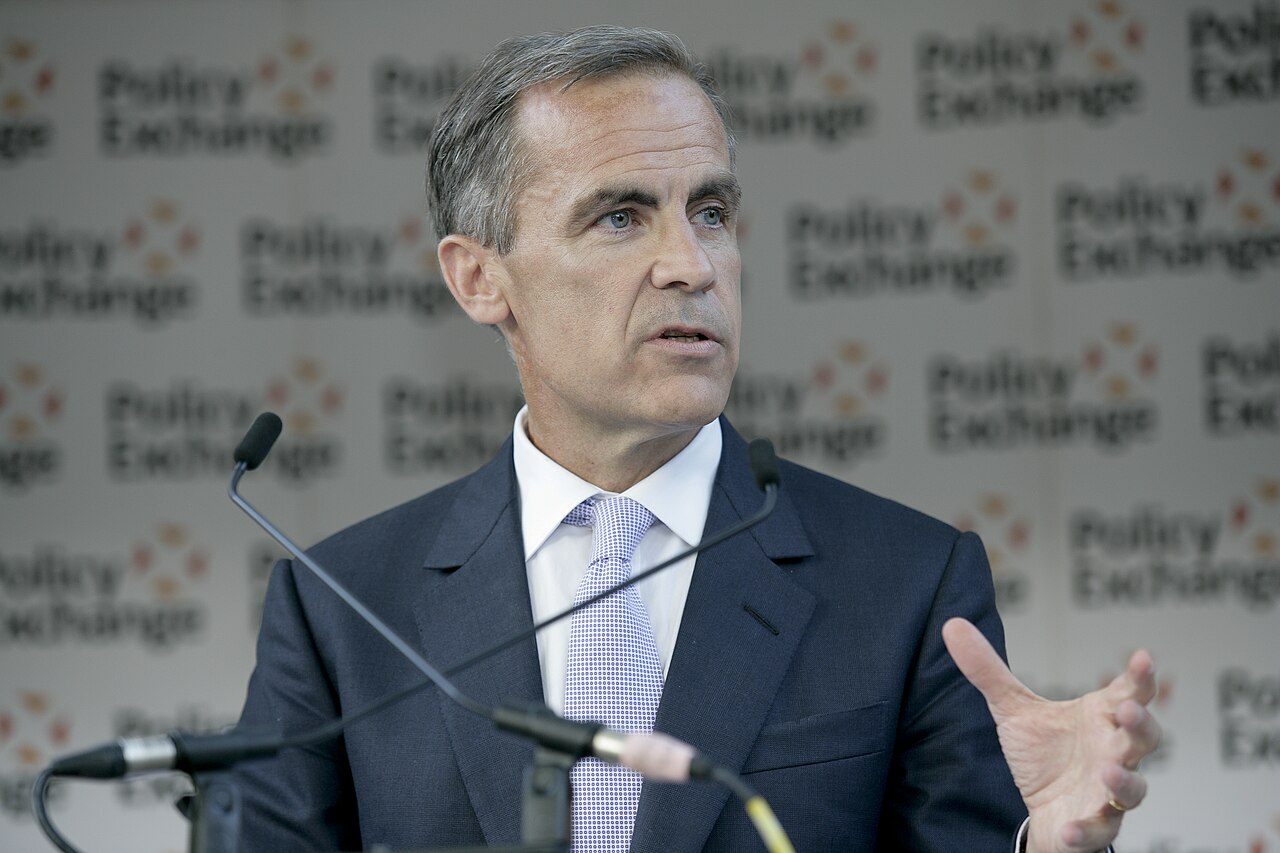
At its core, Carney’s leadership represents a potential turning point in Canada’s relationship with the United States.
For decades, the two countries have been deeply interconnected, economically, politically, and culturally.
Now, that relationship is being tested.
Carney’s government appears to be preparing for a future where:
Trade ties are more diversified
Foreign policy is less aligned with Washington
Economic strategy is more self-reliant
That shift won’t happen overnight.
But the direction is becoming clearer.
The Bigger Picture
This moment is not just about Canada.
It reflects a broader global trend.
Countries are reassessing alliances, supply chains, and dependencies in response to rising geopolitical tensions.
Carney’s message, that middle powers must work together, resonates far beyond Canadian borders.
Whether that vision takes hold will depend on how other nations respond to similar pressures.
The Bottom Line
Mark Carney now has the political power to act, and the mandate to push back.
His majority government gives him the tools to reshape Canada’s economic and diplomatic strategy at a time of growing uncertainty.
But it also raises the stakes.
Because what happens next won’t just define his leadership.
It could redefine Canada’s place in the world.
Featured Image from: Prime Minister of Canada, CC BY 4.0, via Wikimedia Commons