
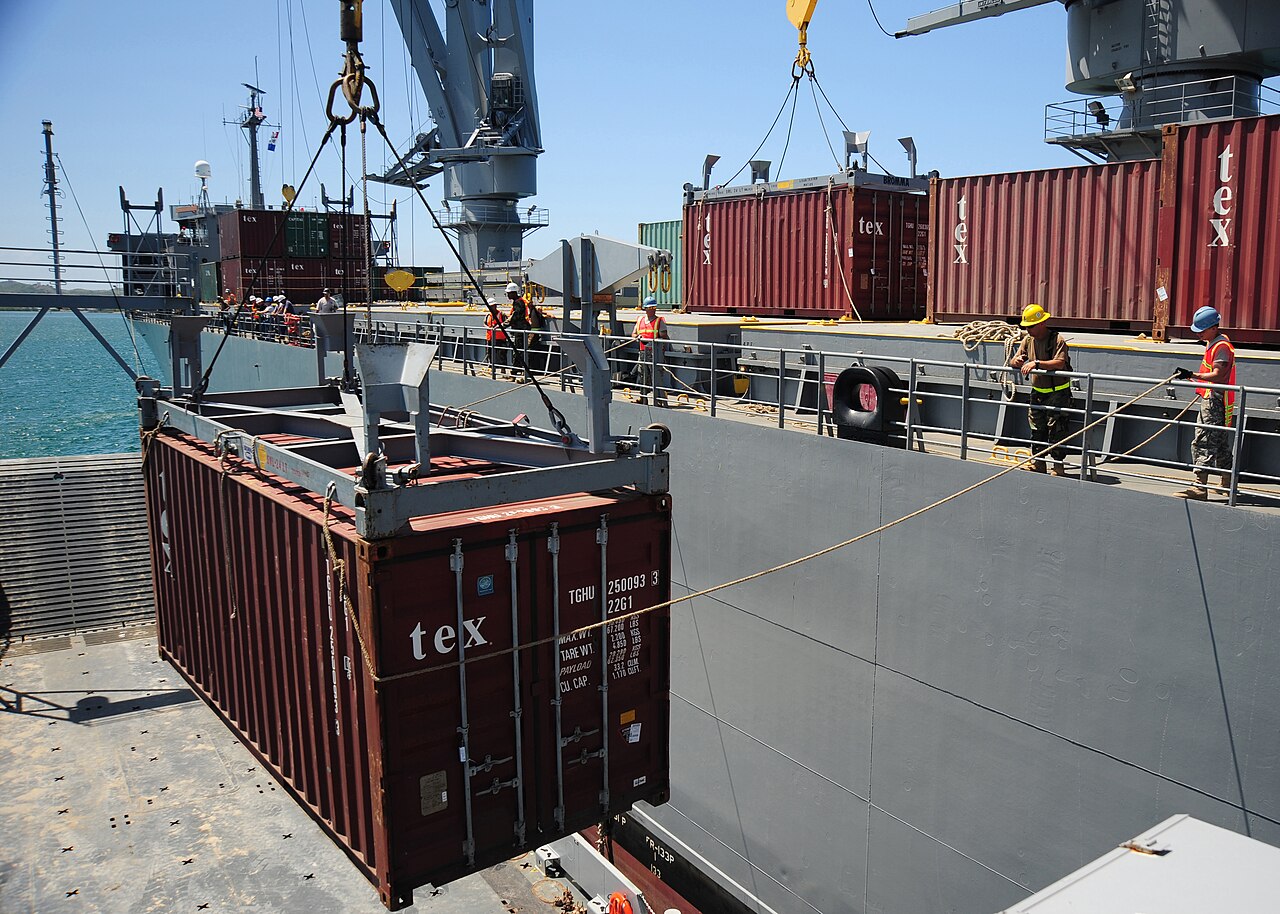
Billions of dollars in tariff refunds tied to overturned Trump-era trade duties are beginning to flow back to American companies after federal officials launched a new system designed to speed up repayments.
The refunds follow a Supreme Court ruling earlier this year that found the Trump administration exceeded its authority when imposing certain tariffs under the International Emergency Economic Powers Act (IEEPA), a 1977 law typically used during national emergencies.
Now, U.S. Customs and Border Protection (CBP) is overseeing the refund process through a newly developed system known as the Consolidated Administration and Processing of Entries, or CAPE.
The rollout could eventually return as much as $166 billion in tariff collections to importers across the country.
What Is the CAPE Refund System?
According to Customs officials, CAPE was created to simplify the refund process for businesses that paid tariffs later deemed invalid by the courts.
Instead of issuing refunds shipment by shipment, the system consolidates eligible repayments, including interest, into a single payment for each importer.
CBP officially launched the first phase of CAPE on April 20. The initial rollout applies to select shipments that were recently finalized or still under processing, with broader eligibility expected in future phases.
Reuters reported that CBP has already calculated approximately $35.46 billion in finalized refunds and interest tied to more than 8.3 million shipments as of May 11.
Federal officials say businesses whose applications are approved will generally receive refunds within 60 to 90 days, though more complicated claims could take longer to process.
Who Qualifies for the Refunds?
Only importers officially listed on affected shipments, along with licensed customs brokers acting on their behalf, are eligible to submit claims through the CAPE system.
Several major retailers and corporations are expected to receive significant reimbursements, including companies such as Walmart, Target, Nike and Home Depot.
Once a refund application is validated, Customs officials update shipping records, remove the invalid tariff provisions and recalculate duties owed before issuing repayment.
Trade experts say the scale of the refunds reflects just how heavily tariffs impacted import-dependent industries over the past several years.
Will Consumers Get Refunds Too?
Consumers are not eligible for direct government refunds, even though many economists say companies passed at least some tariff-related costs onto shoppers through higher prices.
However, some businesses have indicated consumers could still indirectly benefit.
Costco previously stated that if tariff refunds are recovered, the company may pass some savings on through lower prices or added membership value. FedEx has also said it could reimburse certain customers in cases where it served as a customs broker.
Still, analysts caution that widespread price reductions are unlikely in the immediate future.
Many companies absorbed substantial tariff costs over time and may use refunds to offset prior financial losses instead of cutting prices.
In addition, ongoing trade uncertainty continues to cloud the outlook for consumers and businesses alike.
Tariff Battles Are Not Over Yet
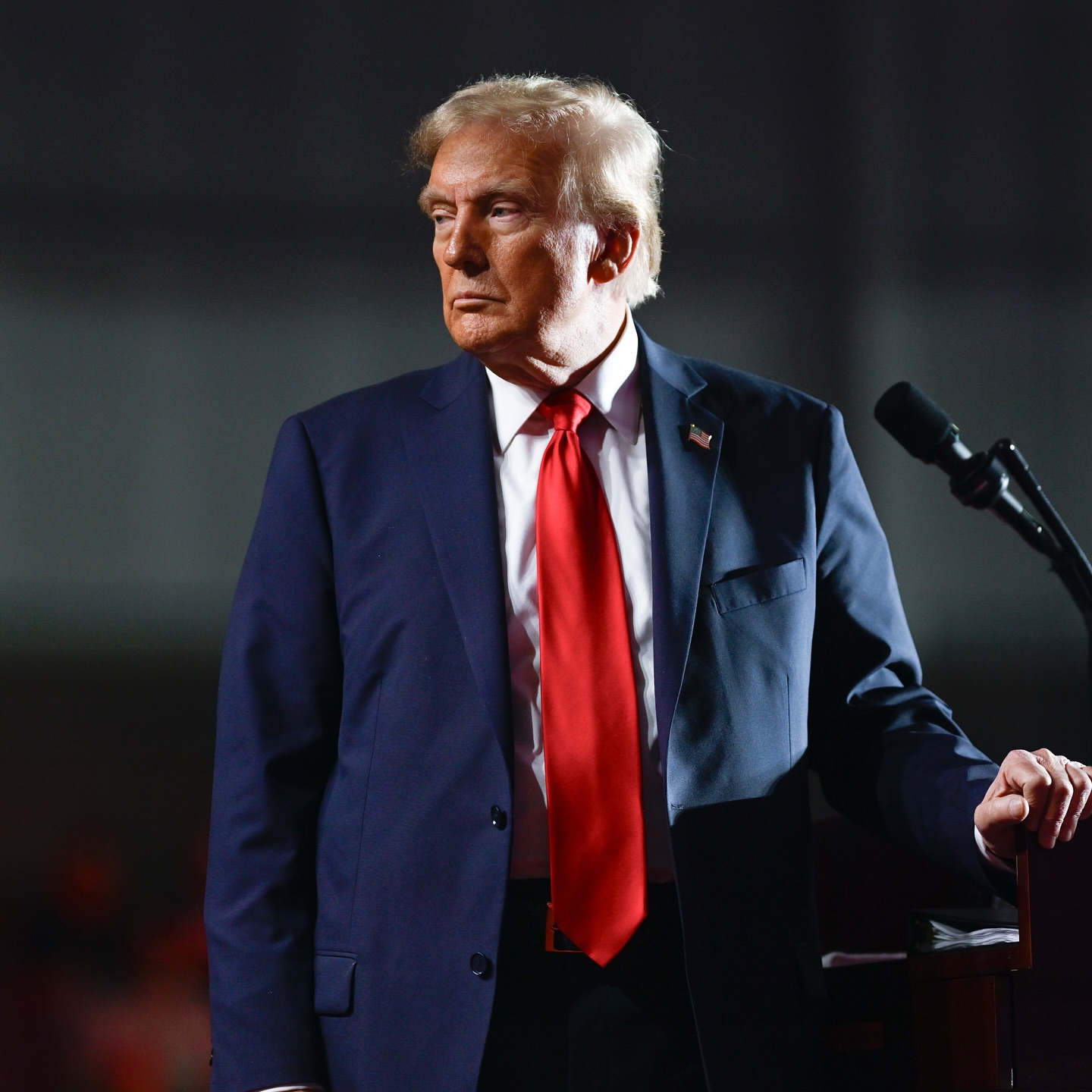
Although the Supreme Court struck down the original IEEPA tariffs, the Trump administration later introduced a temporary 10% tariff under a separate trade authority.
The White House is also pursuing additional trade measures that could result in new import taxes later this year.
That means businesses receiving refunds now could still face future tariff costs depending on how trade policy evolves in the months ahead.
The broader debate over tariffs remains politically charged, with supporters arguing they protect American industries while critics warn they increase costs for businesses and consumers.
For now, companies are beginning the process of reclaiming billions that had been tied up in years of legal disputes over Trump-era trade policy.
Featured image from: U.S. Navy photo by Mass Communication Specialist 1st Class Brian A. Goyak, Public domain, via Wikimedia Commons