
A new proclamation removes 50% duties on packaging and farm equipment Maine growers use, and shifts them to valves, carpets and other goods
President Donald Trump on Friday signed a proclamation lifting some Canada tariffs that Republican Sen. Susan Collins of Maine had pressed for, while placing the same 50% duties on other products less than two weeks before the Nov. 3 election.
Collins announced the exemptions first, in a post on X, saying they would help Maine’s blueberry, potato, apple and seaweed producers. A White House fact sheet followed. It said the removed products would be replaced on the tariff list by others, and it did not mention Collins.
The move comes as Trump’s tariffs on Canada have become a central issue in Maine’s closely watched Senate race between Collins and Democrat Troy Jackson.
White House Swaps Some Canada Tariffs for Others
The proclamation, issued under Section 338 of the Tariff Act of 1930, changes which Canadian products face the 50% duty that Trump first imposed in July. According to the White House, the goods coming off the list include plywood sheets, some paper products, certain machinery and refrigeration equipment, and certain packing crates and boxes.
In their place, the duty will cover certain valves, carpets, waste products and other goods. The White House said the change would “further refine the scope of the tariffs on certain Canadian products.”
CP24 reported that the newly tariffed goods include cocoa powder and shampoos. A report on Yahoo News put the additions at around 100 categories, including canoes and wooden coffins, citing the White House order.
A person familiar with the discussions told that outlet the overall amount of tariffs on Canadian goods would stay the same, only moved to different items.
“The President is taking action in response to Canada’s continued discrimination against and additional retaliation targeting U.S. commerce, with the goal of protecting American farmers, manufacturers, and workers,” White House spokesman Matthew Middleton said.
The Commerce Department and the Office of the U.S. Trade Representative did not immediately respond to requests for comment, NBC News reported.
Collins Claims Relief for Maine Growers
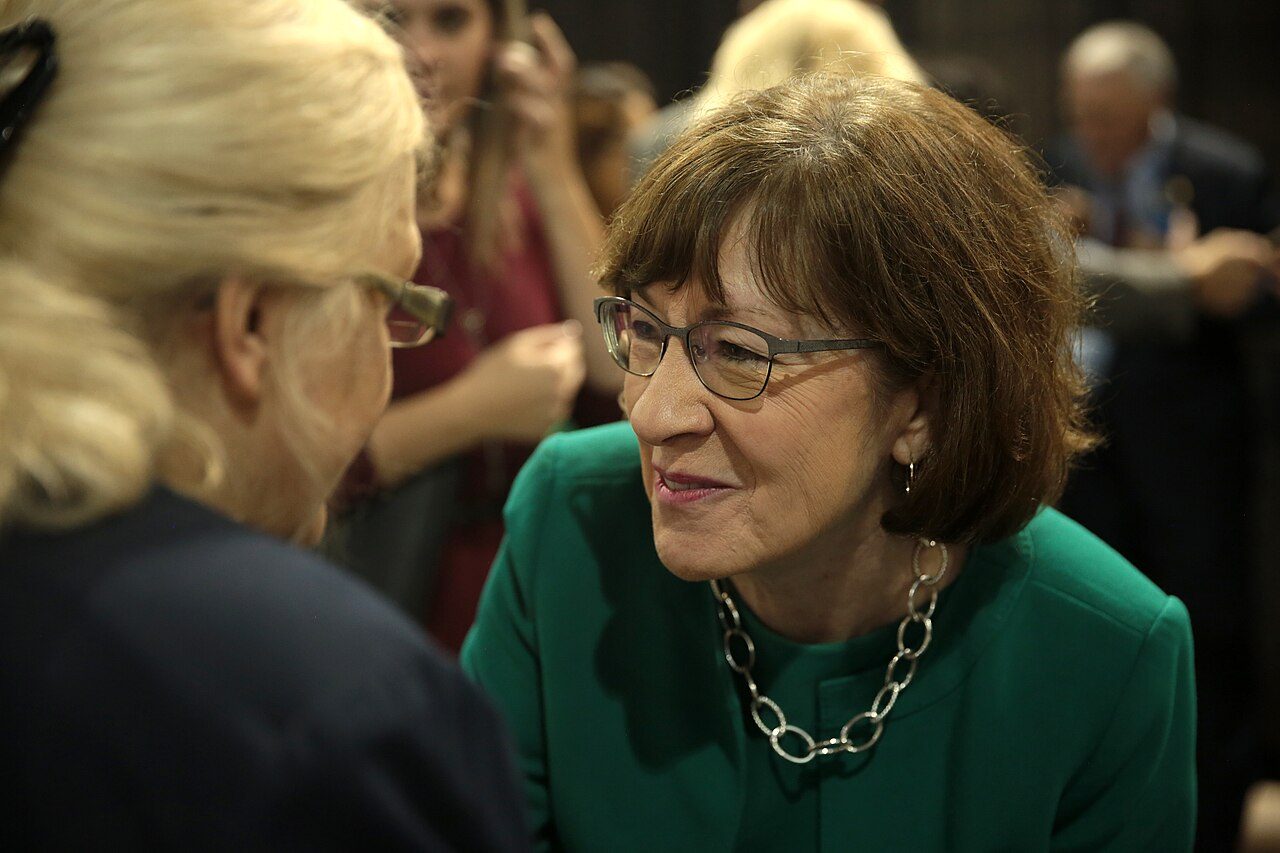
Collins wrote on X that she was “pleased to have secured additional tariff exemptions” for products used by Maine’s agricultural industries.
“Many of our farmers and growers rely on specialized equipment, packaging materials, and other products from Canada that are either unavailable from American suppliers or cannot be replaced without incurring significant expense,” she wrote.
According to Newsweek, the exemptions cover nine categories:
- Corrugated paper or paperboard boxes
- Plastic boxes, crates and similar products
- Plastic packing bags and sacks
- Refrigeration and freezing equipment
- Machinery used to clean, sort or grade agricultural products
- Filling, sealing, closing and labeling machinery
- Packing and wrapping machinery
- Certain non-adhesive sheets, films, foils and strips
- Seaweed and algae products for human consumption
Collins’ office said Maine wild blueberry growers import specialized harvesting boxes from Canada, Newsweek reported.
In a press release, Collins said, “These producers are a vital part of our state’s economy and support our rural and coastal communities.”
James Melcher, a political science professor at the University of Maine at Farmington, told Newsweek the relief mainly covers packaging and equipment. “It’s NOT removing tariffs on agricultural products themselves; it’s on their packaging,” he said.
Collins’ announcement did not mention Trump. She credited U.S. Trade Representative Jamieson Greer, Commerce Secretary Howard Lutnick and other senior administration officials, and said, “I will continue working directly with Administration officials to seek additional relief and encourage a broader trade agreement with Canada, our neighbor, ally, and largest trading partner.”

What It Means for a Tight Maine Race
This is the second round of exemptions Collins has announced in less than two months, Maine Public reported. The earlier round covered road salt, cement and pulp used by Maine paper mills.
Collins, who chairs the Senate Appropriations Committee, faces Jackson, a logger and former president of the Maine Senate. A Fox News poll had the race tied at 49%, while a Suffolk University poll released Oct. 14 had Jackson up two points, according to Newsweek and the Yahoo News report.

Jackson has tied the trade war to rising costs in Maine. “Trump’s trade wars have made life harder and more expensive for Mainers. Susan Collins enabled this chaos, voted to confirm the people behind it, and now wants credit for bringing a cup of water to put out the fire,” he said, as NBC News reported.
He added on X: “Mainers needed help long before Susan Collins needed saving.”
“Now, he’s playing politics with our trade policy when Maine businesses and families are already reeling from the chaos of his trade wars,” Maine Democratic Party spokesperson Misha Linnehan said of Trump.
Other Republicans have broken with Trump on Canada. Michigan Senate candidate Mike Rogers told NBC News he would like to see the trade war “wrapped up.” Polls show Democrats have a solid chance of winning control of the House and the Senate, NBC News reported.
How the Canada Trade War Escalated
Trump first imposed the duties in a July 20 proclamation aimed at Canada’s motor vehicle tariffs. He briefly suspended them in August after Canada committed to remove the measures at issue. According to Friday’s proclamation, on Aug. 21 “Canada reneged on its commitment, ceased negotiating in good faith,” and the duties took effect the next day.
After the talks broke down, the U.S. applied 50% tariffs to about $20 billion of Canadian goods, according to Newsweek and the Yahoo News report. The White House says Canada answered with retaliatory tariffs on about $20 billion of U.S. exports.
Talks With Ottawa Remain Stalled
Earlier Friday, Trump told reporters the U.S. was close to a deal with Mexico. “The same thing with Canada. Canada is working very hard to make a deal with us. And I hate to say this but we have all the cards, in both of them,” he said.
At a rally in Florida later that day, Trump argued against removing his tariffs broadly. “Watch, watch every factory leave America,” he said.
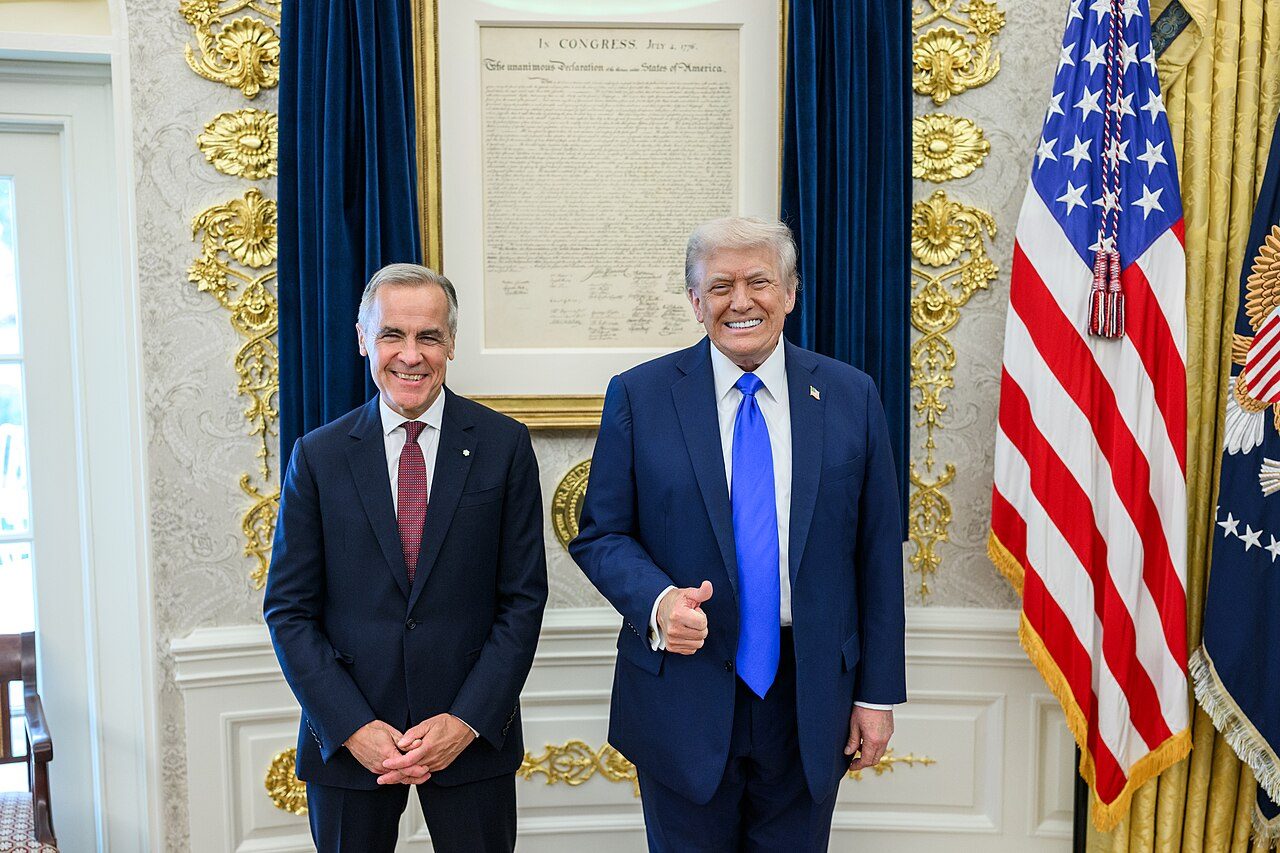
Prime Minister Mark Carney said Friday that Canada was “ready to drop everything, sit down, and negotiate this afternoon if the Americans are ready in good faith.” Whether a deal comes before the midterms is “up to the United States, they’re a little hard to predict,” he said.
The office of Canada-U.S. Trade Minister Dominic LeBlanc said Ottawa would assess the new measures, adding that “Canada stands ready to work constructively and in good faith towards a more mutually beneficial trading relationship.”
The product changes take effect at 12:01 a.m. Eastern time on Oct. 30.
Featured image from: White House, Public domain, via Wikimedia Commons