

Democrats’ hopes of reclaiming control of the House of Representatives in the 2026 midterm elections are facing growing challenges as Republican-led states across the South aggressively redraw congressional maps ahead of November.
While Democrats still remain favored by many election analysts and prediction markets to flip the House, their advantage has noticeably narrowed following a wave of new redistricting efforts in states including Texas, Florida, Georgia, Louisiana, Alabama, Tennessee, and North Carolina.
The escalating map battles are reshaping the political battlefield months before voters head to the polls.
Democrats Still Favored, But Momentum Is Slipping
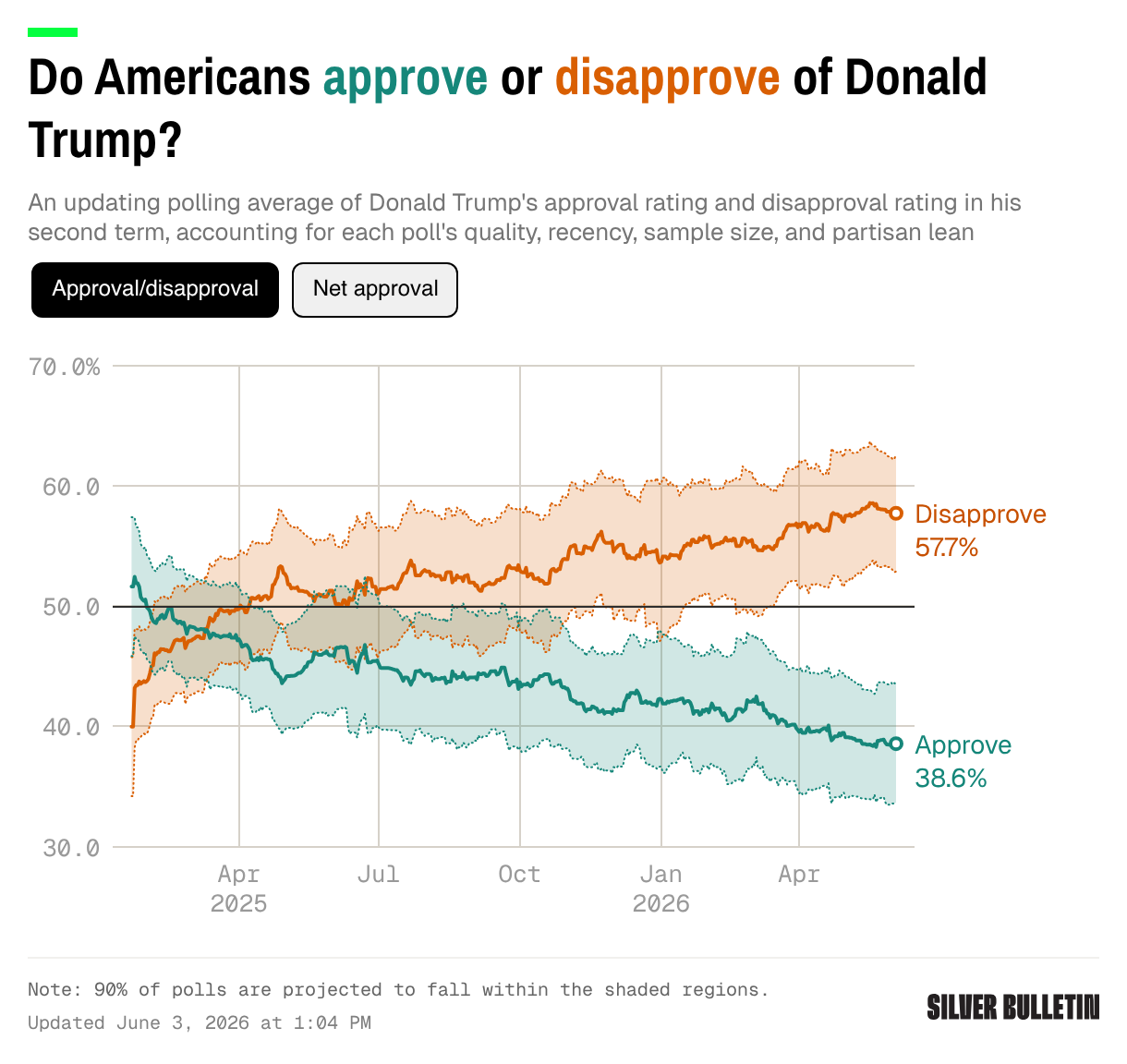
Prediction markets still show Democrats as slight favorites to retake the House, but the numbers have dropped sharply in recent weeks.
On Kalshi, Democrats’ odds of winning the House fell from 86% in April to roughly 74% this week. On Polymarket, their chances slipped from 87% to 80% during the same period.
The shift comes as Republican-controlled legislatures use new court rulings and special legislative sessions to redraw districts in ways that could help the GOP gain or protect several seats.
Historically, the president’s party tends to lose House seats during midterm elections, which initially gave Democrats confidence heading into 2026. But analysts now say Democrats may need to win the national popular vote by a larger margin than originally expected to overcome new GOP-friendly maps.
Polls Still Show Democrats Leading Nationally
Despite the redistricting setbacks, recent polls continue to show Democrats ahead on the generic congressional ballot.
An AtlasIntel poll conducted in early May gave Democrats a commanding 15-point lead nationally, while other surveys showed narrower but still favorable advantages.
A YouGov/Economist survey found Democrats ahead by 3 points, while a GBAO/Third Way poll showed Democrats leading Republicans by 8 points among registered voters.
Political analysts caution, however, that strong national polling may not automatically translate into House victories if district maps become more favorable to Republicans.
Georgia Joins the Redistricting Fight
Georgia officially entered the redistricting battle this week after Republican Governor Brian Kemp called a special legislative session to consider new congressional maps.
Although no proposals have been unveiled publicly, Republicans are expected to target Democratic-held districts around Atlanta and southwest Georgia.
Currently, Democrats hold five of Georgia’s 14 congressional seats, while Republicans control nine.
Senator Raphael Warnock sharply criticized the move, accusing Republicans of attempting to maintain power through gerrymandering.
“There is an extreme movement in this country that will stop at nothing to hold on to power,” Warnock wrote on social media.
Georgia remains one of the nation’s most important battleground states after Donald Trump narrowly carried it in 2024 following Joe Biden’s slim victory there in 2020.
Texas and Florida Lead GOP Redistricting Efforts
Texas Republicans launched one of the largest mid-cycle redistricting efforts last year with support from former President Donald Trump.
Governor Greg Abbott signed new congressional maps designed to help Republicans potentially gain up to five additional seats.
Democratic districts in Dallas, Houston, Austin, and South Texas are now viewed as significantly more competitive for Republicans.
California Democrats later responded by approving measures that could allow their own redistricting changes aimed at offsetting Republican gains.
Meanwhile, Florida Republicans have advanced new maps targeting multiple Democratic-held districts around Tampa, Orlando, and South Florida.
Florida’s continued shift toward Republicans over the last decade has strengthened GOP confidence in expanding their congressional advantage there.
Supreme Court Decision Reshapes Southern Maps
A major turning point came after the U.S. Supreme Court ruled in Callais v. Louisiana, striking down Louisiana’s second majority-Black congressional district.
The decision immediately triggered new redistricting efforts across several Southern states.
Republicans in Alabama, Louisiana, and Tennessee are now pushing new maps that could reduce Democratic representation, particularly in Black-majority districts.
Louisiana lawmakers advanced a proposal this week that would eliminate one of the state’s two Democratic-leaning majority-Black districts.
In Alabama, Governor Kay Ivey praised the Supreme Court ruling and signaled the state is prepared to move quickly with new maps.
“The United States Supreme Court’s decision is plain common sense,” Ivey said in a statement.
Tennessee Republicans have already redrawn maps dismantling the state’s only majority-Black Democratic district centered around Memphis.
Midterms Becoming Increasingly Competitive
The growing redistricting battle is turning the 2026 midterms into one of the most complex House elections in recent memory.
While Democrats still hold a slight edge nationally, Republicans are attempting to offset expected midterm losses by reshaping congressional boundaries before voters cast ballots.
Political experts say the fight over maps could determine control of the House long before Election Day arrives.
Featured image from: Tyler Merbler from USA, CC BY 2.0, via Wikimedia Commons