
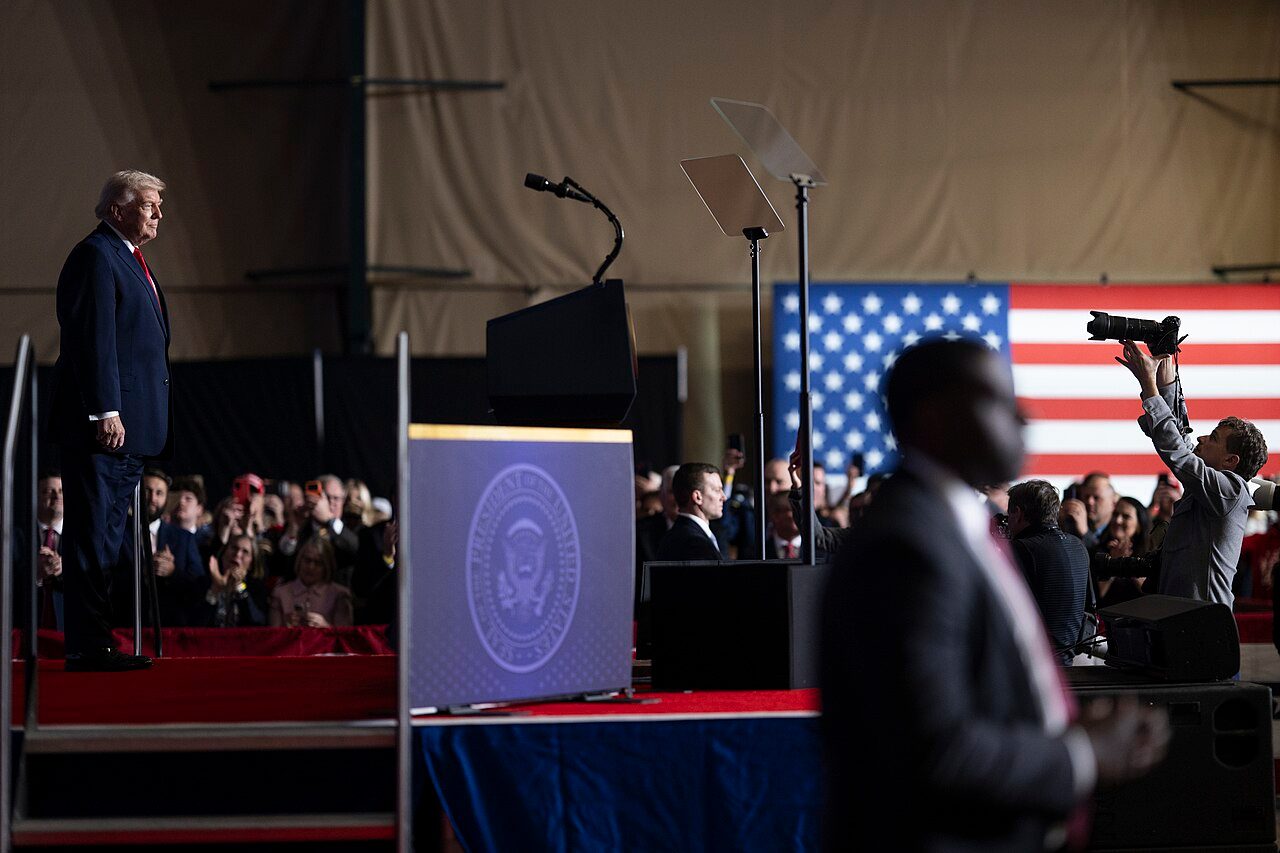
An EPA proposal would scrap the Super Emitter Program and ease rules for low-output wells and flaring
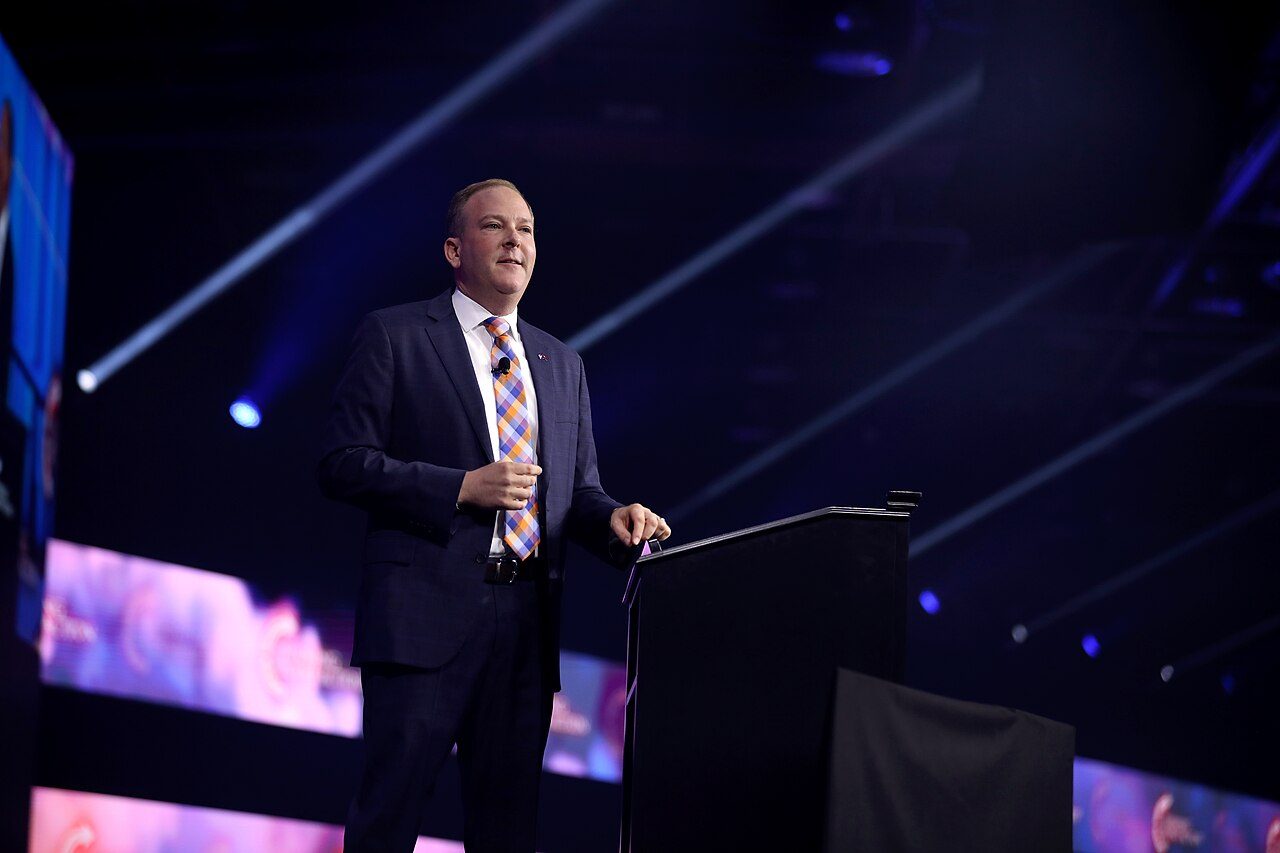
President Donald Trump said Tuesday night that he was “officially terminating Biden’s expensive and unnecessary methane regulations,” announcing at a campaign rally in Lubbock, Texas a federal plan to loosen methane rules for oil and gas wells.
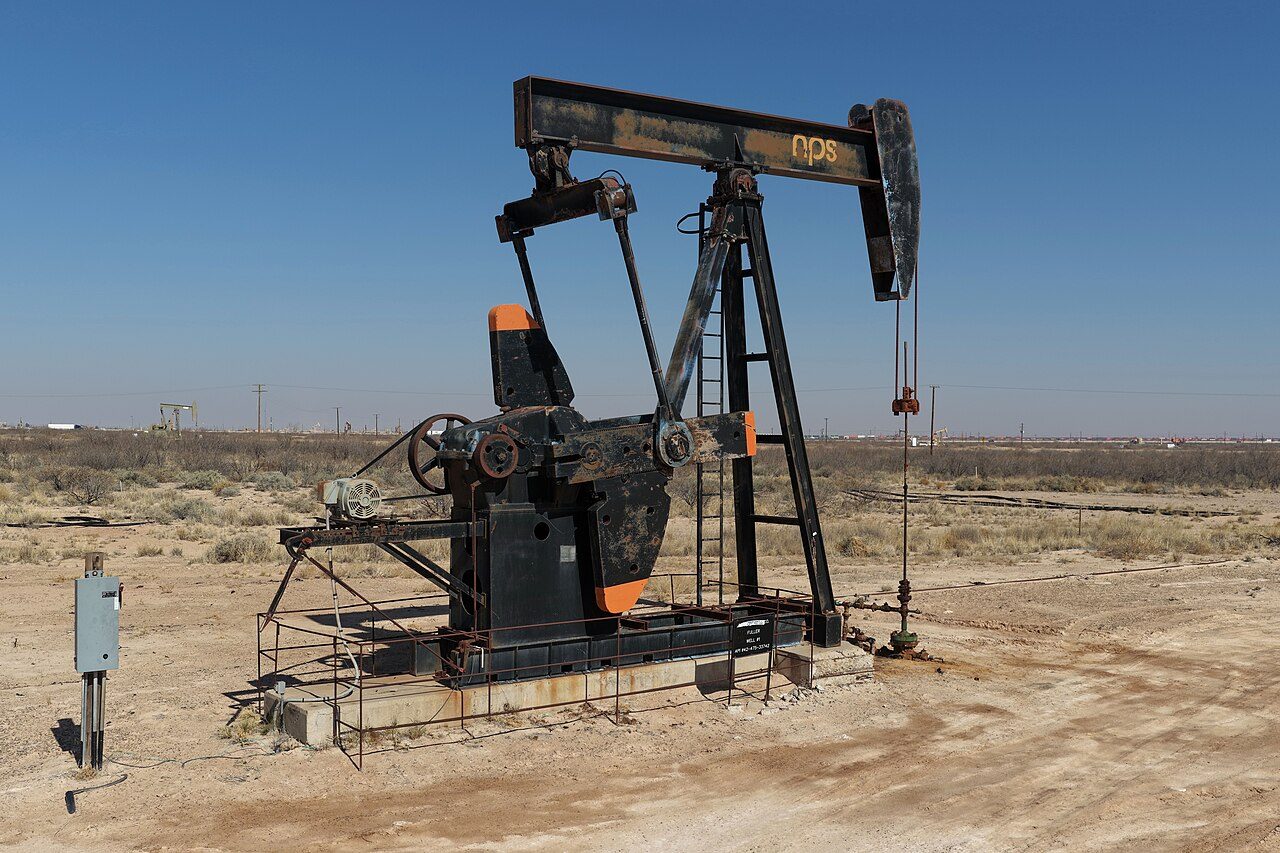
The Environmental Protection Agency formally proposed the changes the same day, Oct. 27, 2026. It would scrap a program that lets certified outside monitors report large leaks, ease standards for low-output wells and allow more flaring of gas at oil wells.
Nothing is repealed yet: EPA is taking public comment until Dec. 16.
Trump Makes the Announcement in Lubbock
The Lubbock rally was Trump’s second stop in Texas that day, after Corpus Christi. He was campaigning for state Attorney General Ken Paxton, the Republican Senate candidate facing Democrat James Talarico.
The trip came a week before the Nov. 3 midterm elections. Reuters reported that fuel prices have become a political liability for Republicans amid the war with Iran. The news agency also said a Paxton loss would complicate the party’s path to keeping its slim Senate majority.
Trump told the crowd the rollback had been in the works for a long time with EPA Administrator Lee Zeldin, The Hill reported.
Zeldin made the case in a press release quoted by NPR: “Behind every barrel of oil and every cubic foot of natural gas produced in the U.S. are millions of workers, businesses, and the heartbeat of this nation’s economy. The Biden EPA destructively targeted all this.”
What the EPA Methane Proposal Would Change
According to an EPA fact sheet, the proposal is the second part of a review of the Biden administration’s 2024 Clean Air Act rules for oil and gas, known by the technical name OOOOb/c. The agency says it makes five main changes:
- Super Emitter Program: EPA would rescind the program, which certified third-party monitors to report large leak events. The agency cites legal concerns and says the program is not needed to meet Clean Air Act requirements.
- Well sites: EPA is weighing two options for separate categories and standards, one by production level (marginal or non-marginal) and one by resource type (conventional or unconventional).
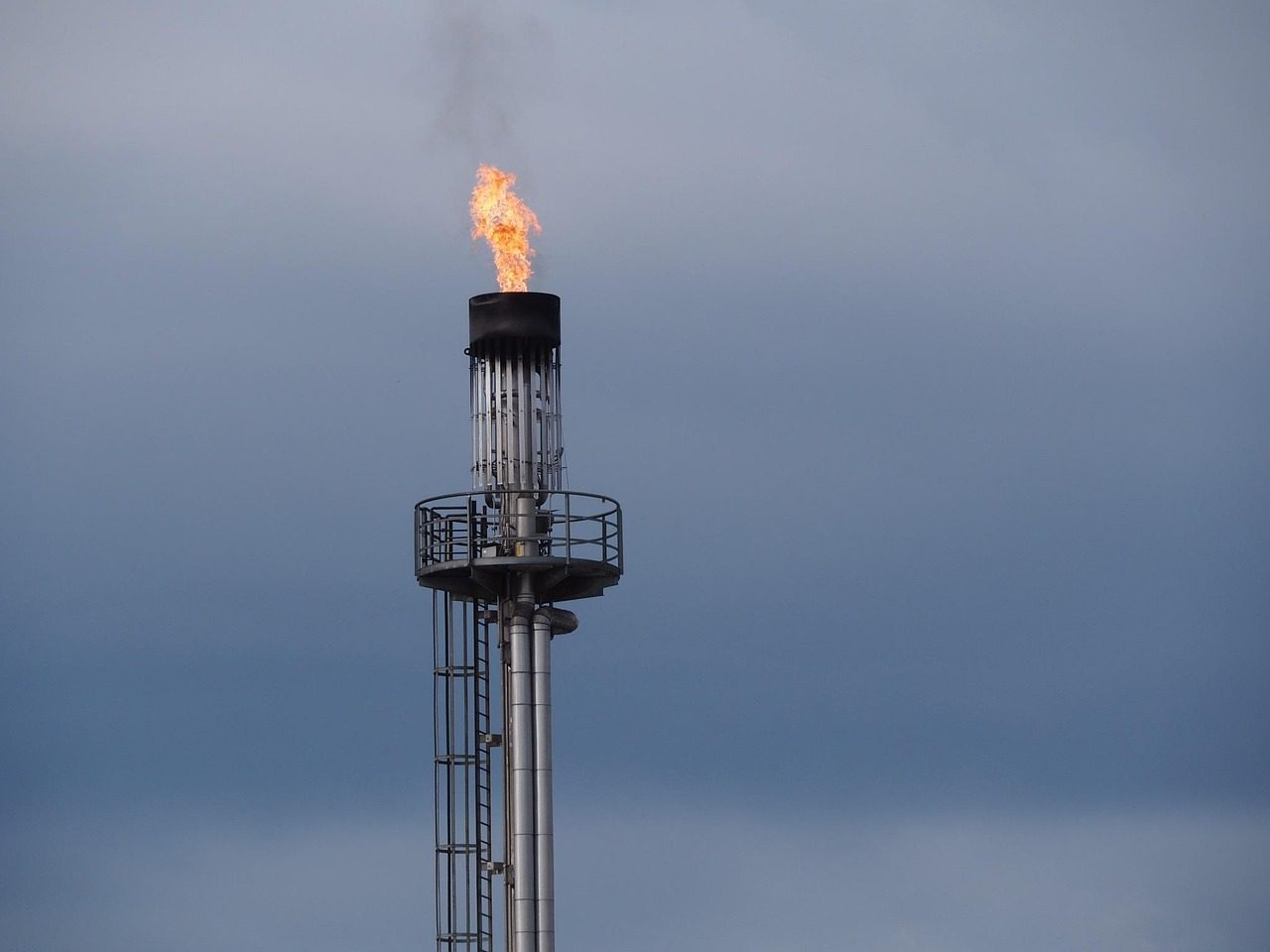
- Associated gas: EPA says it would restore 95% efficient flaring or other control devices as the standard, rather than requiring all gas from oil wells to reach a sales line.
- Covers and closed vent systems: the No Identifiable Emissions standard would be split into design and operational requirements, and the operational side would allow for repairs.
- Control devices: technical changes would give operators flexibility on flame monitoring data, control device alerts and visible emissions tests.
The Super Emitter Program has not yet taken effect, NPR reported. It was due to start in January 2027 and would let the government rely on certified third parties, including satellite programs, to flag big leaks.
EPA estimates the proposal would save $45 billion and add about 210 million barrels of U.S. oil production and more than 1.4 trillion cubic feet of natural gas.
The agency also says about 783,000 of the more than 990,000 oil and gas wells in the U.S., or 79 percent, are considered marginal.
What Happens Next for the Methane Rules
EPA will hold a virtual public hearing starting at 10 a.m. Eastern on Nov. 16, according to the agency’s proposal page. The comment period closes Dec. 16, 2026.
EPA’s production figures cover 2027 to 2050. The Hill calculated that the added output would equal about 10 days of U.S. oil consumption and 15 days of natural gas consumption.
A Rollback Months in the Making
The administration announced its wider review of the 2024 rule on March 12, 2025. In April 2026, EPA finalized a narrower first set of changes on temporary flaring and monitoring, which it estimated would save the industry $2.5 billion from 2024 to 2038, Oil & Gas Journal reported.
Zeldin previewed the latest proposal on Oct. 7 at the New Mexico Oil and Gas Association’s annual meeting in Santa Fe.
“The Trump EPA is days not weeks away from announcing our proposal for the second part of the oil and gas reconsideration,” he said in an EPA release.
“Americans must be able to afford to heat their homes in the winter and fill up their car and drive to work,” Zeldin added. EPA says the 2024 rule imposed $18 billion in regulatory costs.
Groups including the Sierra Club’s Rio Grande chapter and the Environmental Defense Fund protested during his visit, Source New Mexico reported.
The Biden administration said its rules would prevent 58 million tons of methane from entering the atmosphere between 2024 and 2038, The Hill reported.
Industry Welcomes Plan as Environmental Groups Object
The American Petroleum Institute backed the proposal. “We look forward to working with the Trump administration on a more workable approach that supports American energy production, provides greater regulatory certainty and advances continued emissions reductions,” API vice president Dustin Meyer said in a statement, NPR reported.
Jon Goldstein, an associate vice president at the Environmental Defense Fund, said capturing leaked gas gives companies more product to sell. “Methane is natural gas, or natural gas is methane,” he told NPR.
Goldstein said the wasted gas was “harmful to our energy security” and to taxpayers who should be collecting royalty and tax revenue on it.
He also disputed the idea that low-output wells pollute little, saying “end-of-life wells nearing the end of their production life are actually responsible for the lion’s share of methane pollution.” Oil & Gas Journal reported that EPA itself cited research finding marginal wells produced about 7% of U.S. oil and gas output in 2021 but 60% of methane emissions tied to gas production and 40% of those tied to oil production.
In an Oct. 7 statement, EDF said the industry has leaked, vented or flared almost $7 billion worth of natural gas since the administration stopped enforcing methane rules in March 2025. “Rolling back these safeguards would mean more wasted energy, more methane pollution and greater health risks for communities living near oil and gas operations,” Goldstein said.
Paasha Mahdavi, a political science professor at UC Santa Barbara who studies the oil industry, told NPR that ending the Super Emitter Program would make large leaks harder for the government to spot. “And we need that because it’s really hard to see this stuff,” he said.
NPR noted that methane is estimated to be 80 times more planet-warming than carbon dioxide over a 20-year period.
Featured image from: The White House, Public domain, via Wikimedia Commons