
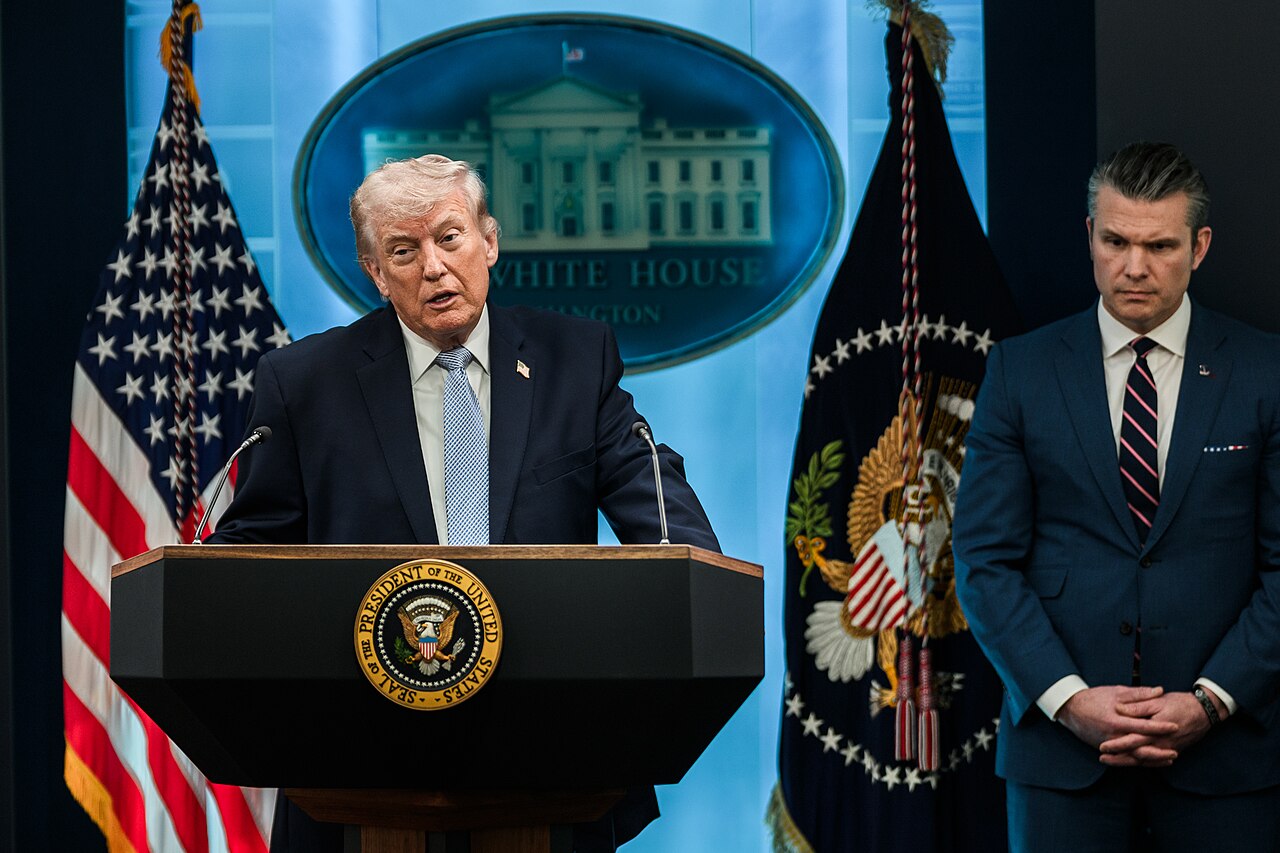
President Donald Trump said he called off a planned new military strike against Iran after Gulf Arab leaders urged the United States to give diplomacy another chance amid growing fears of a wider regional war.
In a post on Truth Social, Trump revealed that a military operation scheduled for Tuesday was paused following requests from leaders in Qatar, Saudi Arabia, and the United Arab Emirates.
According to Trump, Gulf leaders told him that “serious negotiations are now taking place” and that a deal acceptable to the United States could soon emerge.
“There will be NO NUCLEAR WEAPONS FOR IRAN!” Trump wrote, while also warning that the U.S. remains prepared to launch “a full, large scale assault of Iran, on a moment’s notice” if negotiations fail.
Tensions Remain High Despite Ceasefire
The latest development comes months after the United States and Israel launched major airstrikes against Iran on February 28, triggering retaliatory missile and drone attacks by Tehran against U.S. and Israeli-linked targets throughout the Middle East.
Although a ceasefire was reached in April to facilitate negotiations, tensions have remained extremely fragile.
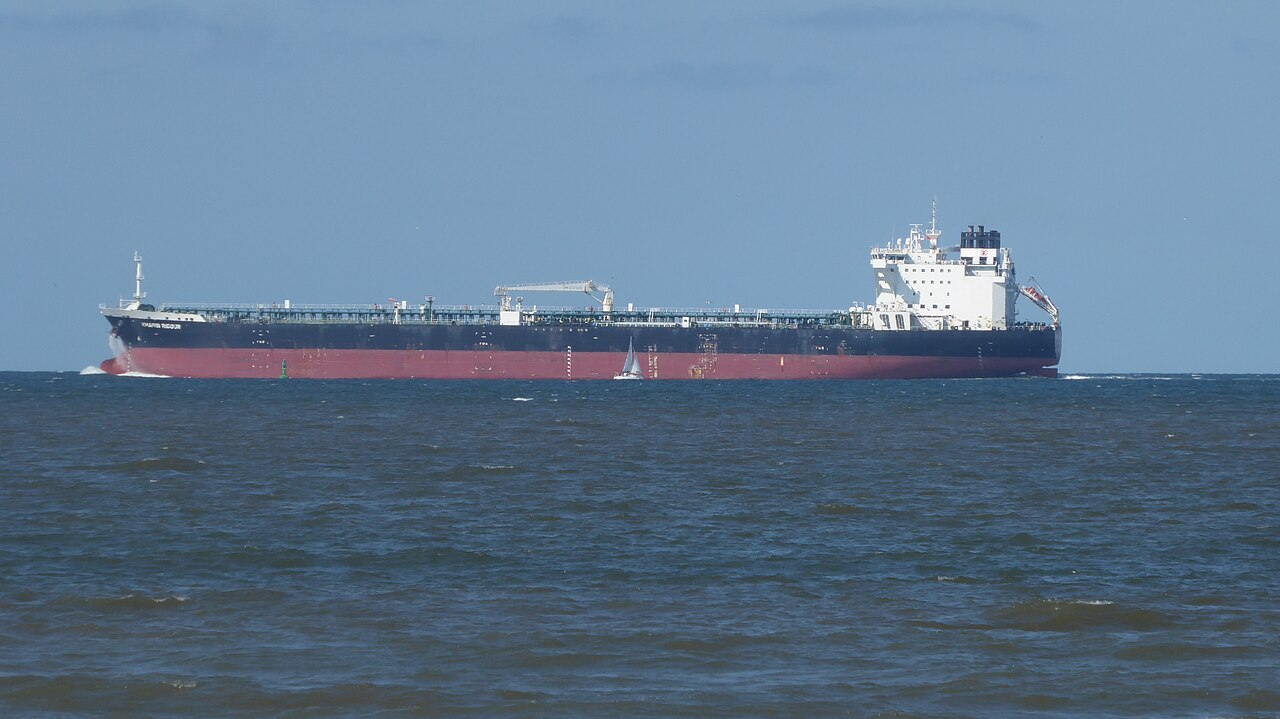
Iran continues to maintain effective control over the Strait of Hormuz, one of the world’s most critical oil shipping routes. Roughly 20% of global oil and liquefied natural gas shipments pass through the narrow waterway.
Iran’s restrictions on traffic through the Strait have fueled soaring global energy prices and intensified economic pressure worldwide.
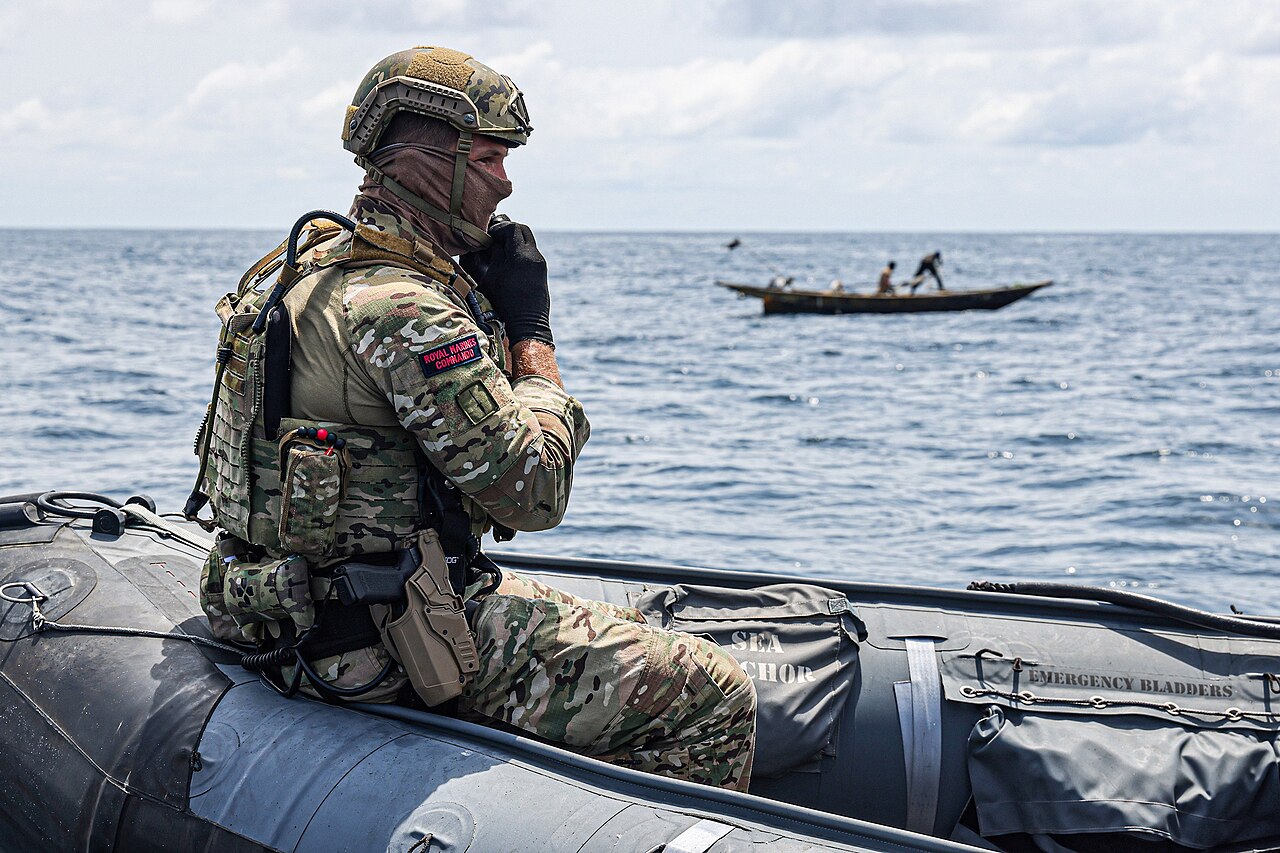
At the same time, the U.S. military has continued enforcing a naval blockade around Iranian ports as leverage during negotiations.
Gulf States Fear Regional Escalation
Analysts say Gulf Arab nations are increasingly worried about the possibility of a much larger regional conflict if Washington launches another major attack.
Iran still possesses significant missile and drone capabilities despite months of warfare.
Military experts warn Tehran could retaliate by targeting airports, oil infrastructure, desalination plants, and energy facilities across neighboring Gulf states.
Such attacks could devastate regional economies and disrupt global energy supplies.
Trump later told reporters he believes there is “a very good chance” a deal can still be reached.
“If we can do that without bombing the hell out of them, I would be very happy,” he said.
Iran Issues Warning to Washington
Iranian officials responded cautiously to Trump’s comments while warning the United States against making what they called “strategic mistakes.”
A senior Iranian military commander warned Washington not to miscalculate Tehran’s willingness to retaliate if attacked again.
Iranian state media also republished earlier comments from Supreme Leader Mojtaba Khamenei warning that new battlefronts could emerge in areas where U.S. forces remain vulnerable.
Meanwhile, negotiations between Washington and Tehran reportedly continue through Pakistani mediators.
According to Iranian reports, Tehran’s demands include:
- A complete halt to military attacks against Iran and its allies
- An end to the U.S. naval blockade
- Compensation for war-related damages
- Guarantees against future attacks
- Recognition of Iranian sovereignty over the Strait of Hormuz
The United States has reportedly demanded limits on Iran’s nuclear operations, including restrictions on uranium enrichment and reductions in active nuclear sites.
Trump Faces Political Pressure at Home
Trump’s announcement also comes as polls show growing public frustration with the Iran conflict.
A New York Times/Siena poll released Monday found that 64% of voters believe the war with Iran was the wrong decision.
The same survey placed Trump’s approval rating at 37%, highlighting political challenges facing Republicans ahead of the 2026 midterm elections.
Rising fuel prices and economic concerns tied to disruptions in global oil markets have further increased pressure on the administration.
Trump has repeatedly defended the military campaign by arguing that Iran cannot be allowed to obtain nuclear weapons.
The White House insists preventing Tehran from developing nuclear capabilities remains the administration’s top priority.
Iran, however, continues to deny it is pursuing nuclear weapons and says its nuclear program is intended solely for peaceful purposes.
Featured image from: Daniel Torok, Public domain, via Wikimedia Commons