
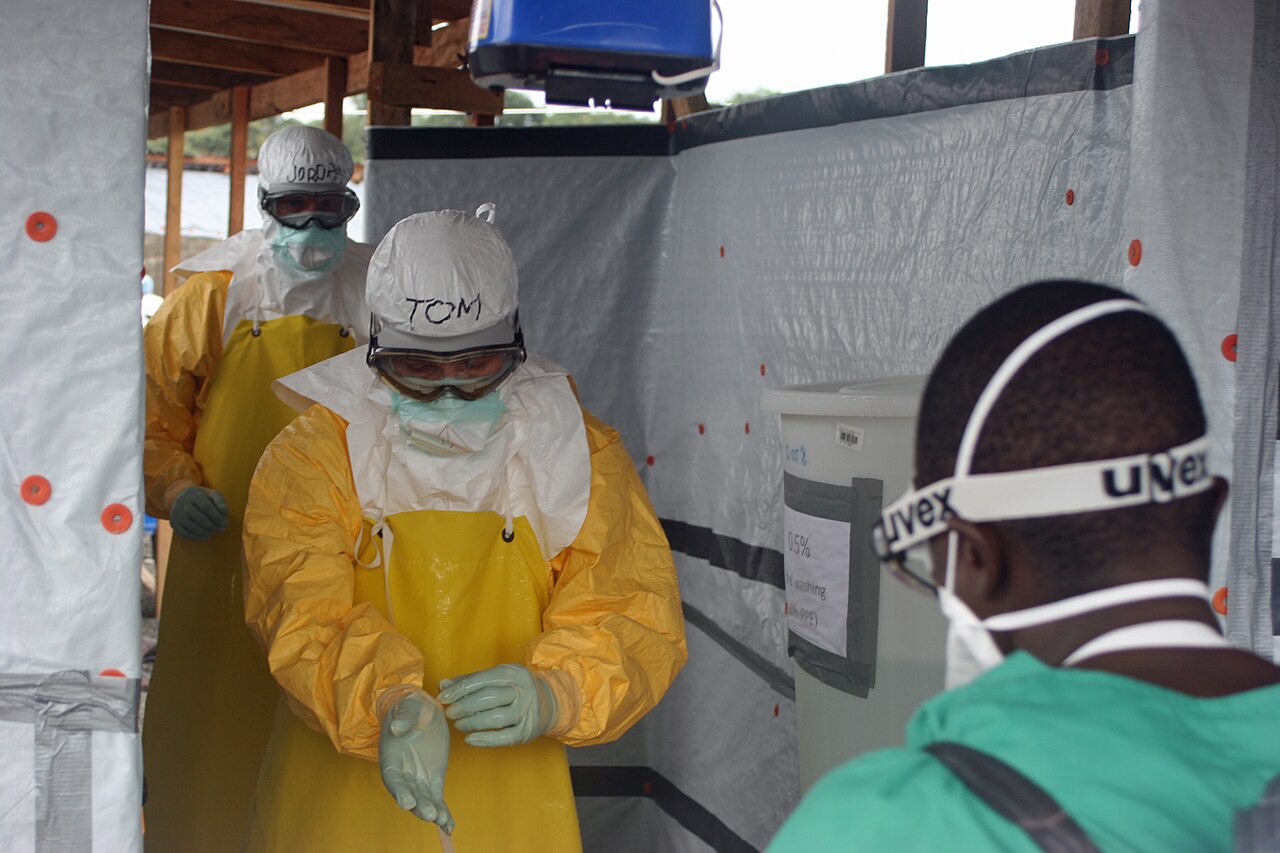
Health officials are racing to contain a fast-growing Ebola outbreak in central Africa after deaths and suspected infections rose sharply this week, prompting renewed international concern over the spread of the deadly virus.
The World Health Organization warned Tuesday that the “scale and speed” of the outbreak is deeply troubling as officials confirmed at least 131 deaths and more than 530 suspected infections linked to the rare Bundibugyo strain of Ebola.
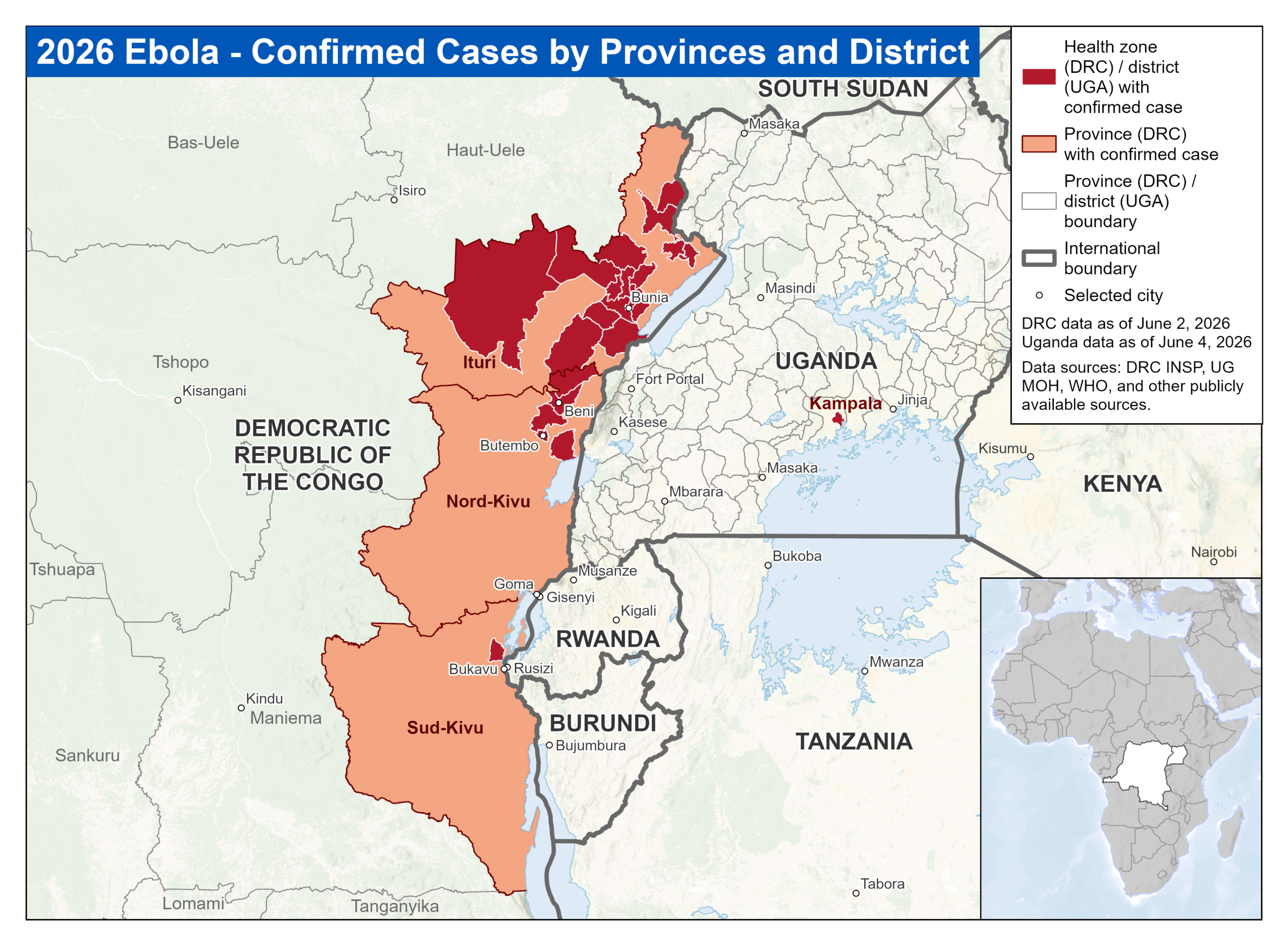
The outbreak has spread across parts of the Democratic Republic of Congo and neighboring Uganda, with cases now appearing far beyond the original epicenter in eastern Congo’s Ituri province.
WHO Raises Alarm Over Rapid Spread
WHO Director-General Tedros Adhanom Ghebreyesus said global health authorities are increasingly worried about how quickly the virus is spreading through conflict-affected regions with fragile healthcare systems.
“I am deeply concerned about the scale and speed of the epidemic,” Tedros said during remarks Tuesday.
The outbreak remained undetected for weeks before authorities identified the virus, making containment efforts significantly more difficult.
Health experts are especially concerned because the Bundibugyo strain currently has no approved vaccine or targeted treatment.
The virus is one of the rarer forms of Ebola, with previous outbreaks occurring only in Uganda in 2007 and Congo in 2012.
Those earlier outbreaks recorded fatality rates ranging between 30% and 50%, according to WHO data.
American Missionary Among Confirmed Cases
Among those infected is an American missionary doctor working in northeastern Congo.
Missionary organization Serge confirmed that Dr. Peter Stafford tested positive after developing symptoms while treating patients at Nyankunde Hospital.
Stafford has worked in the region since 2023.
Two other physicians, including Stafford’s wife, Dr. Rebekah Stafford, remain under strict quarantine but have not shown symptoms.
WHO officials also confirmed that an infected American citizen was transported to Germany for specialized treatment at the request of the U.S. government.
German health officials said the country maintains a network of facilities equipped to handle highly infectious diseases.
Outbreak Spreading Through Conflict Zones
Most confirmed and suspected infections have been concentrated around gold-mining towns in eastern Congo, where frequent cross-border travel has complicated containment efforts.
Cases have also been reported in Goma, a major rebel-held city roughly 230 miles away from the outbreak’s origin point.
Civil conflict, displacement, and weakened medical infrastructure are adding to the crisis.
WHO officials said funding shortages are also slowing response efforts, particularly after recent cuts to global health programs by several Western governments.
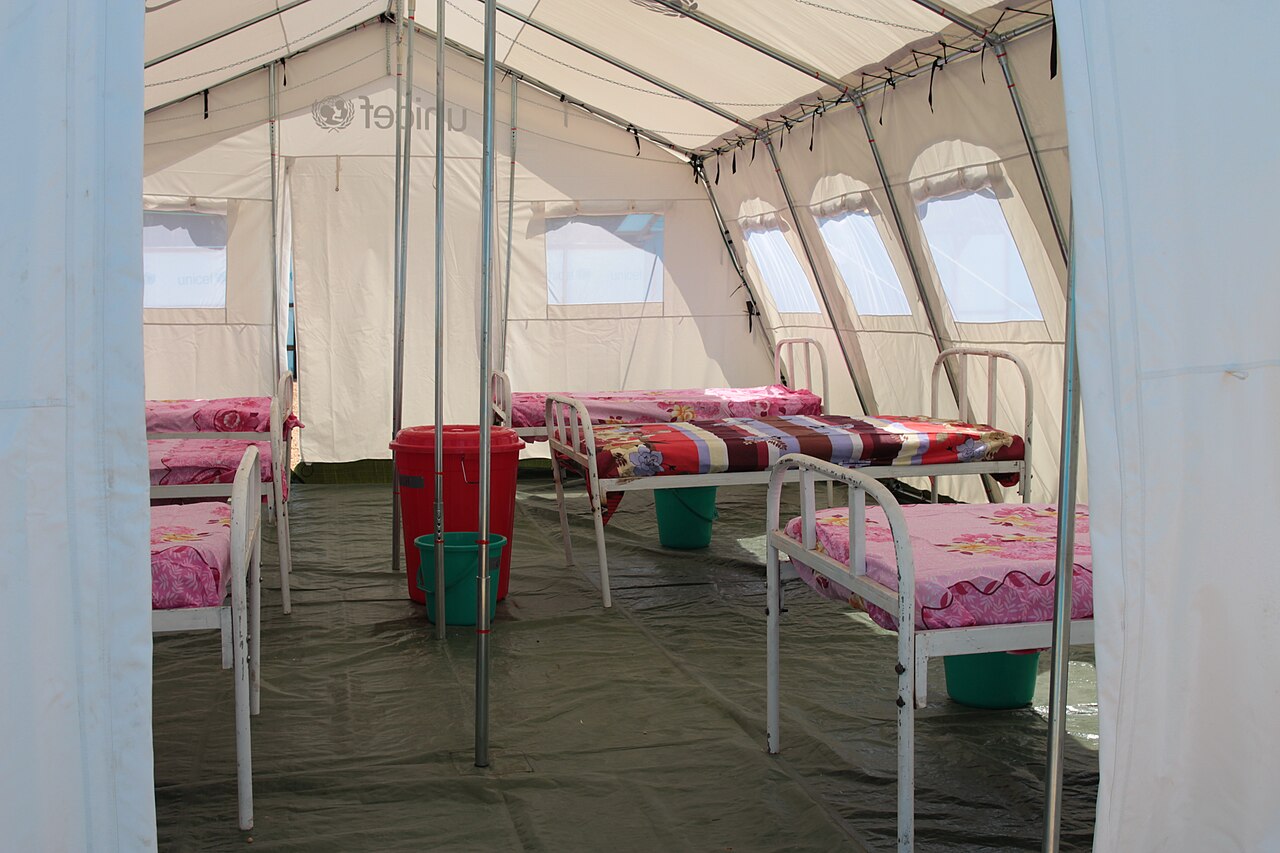
The U.S. State Department announced Tuesday that it would help fund up to 50 Ebola treatment clinics across affected areas in Congo and Uganda.
“This funding commitment will accelerate the delivery of frontline medical care, life-saving humanitarian assistance, and critical outbreak response capabilities,” the department said.
The WHO also confirmed that six tons of medical supplies, including personal protective equipment and testing materials, were being delivered to Congo.
How Ebola Spreads and Why Experts Are Concerned
Ebola is a severe viral illness spread through direct contact with bodily fluids from infected individuals or contaminated materials.
Symptoms typically include fever, muscle pain, vomiting, diarrhea, and severe internal bleeding in advanced cases.
Unlike airborne viruses, Ebola does not spread through casual contact or through the air, which experts say significantly lowers the risk of global transmission.
However, the Bundibugyo strain’s lack of approved vaccines or treatments has intensified concerns among international health officials.
The outbreak’s location inside unstable conflict zones further complicates efforts to track infections and isolate patients quickly.
The U.S. Centers for Disease Control and Prevention issued a health advisory Tuesday urging doctors to immediately isolate and test any patients with possible Ebola exposure and symptoms.
Funding Cuts Spark Debate Over Global Response
The outbreak has also reignited debate over global public health preparedness following recent cuts to international health funding.
Former USAID officials warned that the dismantling of certain U.S. global health operations weakened America’s ability to monitor outbreaks overseas.
“Under USAID, the U.S. had people directly involved in emergency operations in Congo,” one former official said. “That capacity is gone.”
The Trump administration rejected claims that restructuring USAID harmed Ebola response capabilities.
The State Department said new global health efforts under its Bureau of Global Health Security and Diplomacy have improved coordination and effectiveness.
President Donald Trump acknowledged concern about the outbreak Tuesday but emphasized that the virus currently remains confined to central Africa.
Health experts continue stressing that the risk of widespread transmission in wealthier countries remains low due to Ebola’s transmission method.
Featured image from: CDC Global, CC BY 2.0, via Wikimedia Commons