
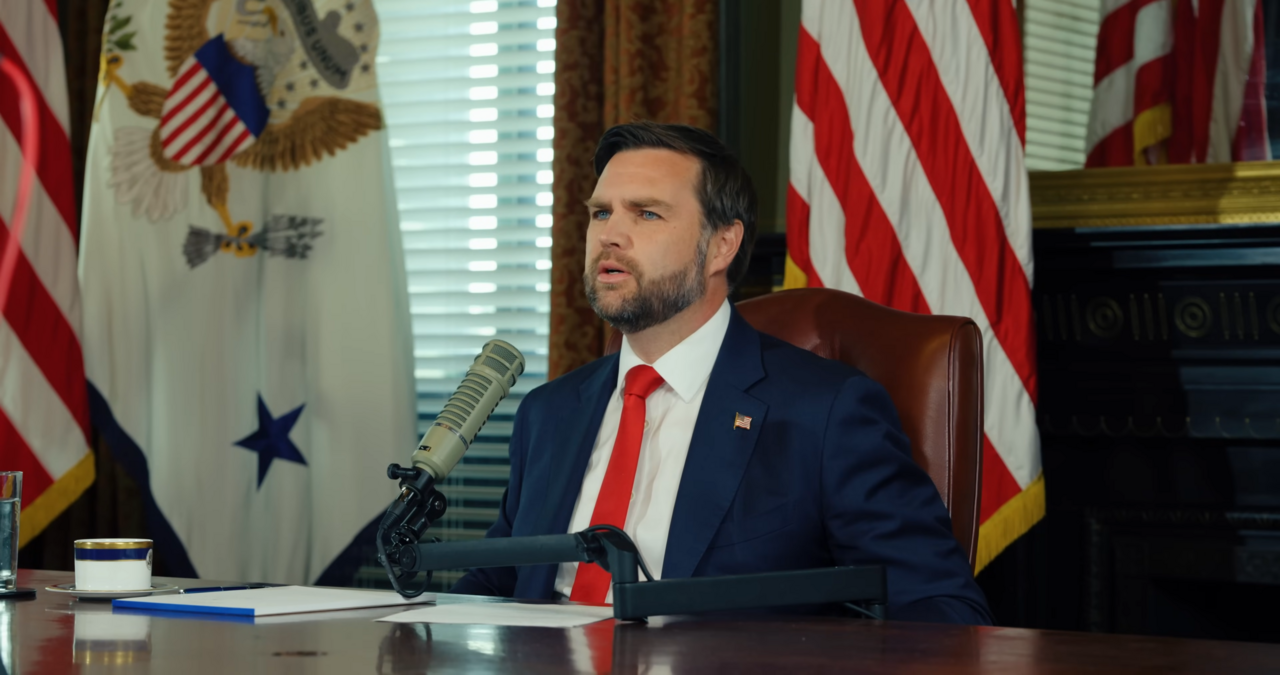
Vice President JD Vance defended President Donald Trump after the president sparked backlash with remarks suggesting he was not considering Americans’ financial hardships while negotiating a potential end to the war in Iran.
Speaking during a White House event on May 13 announcing a new anti-fraud initiative, Vance argued Trump’s comments had been taken out of context.
“I think that’s a misrepresentation of what the president said,” Vance told reporters when asked about the controversy surrounding Trump’s remarks.
The comments came one day after Trump said he was focused solely on preventing Iran from obtaining a nuclear weapon, even as Americans face rising fuel prices and inflation tied to the ongoing conflict.
Trump’s Remarks Spark Political Backlash
Before departing for a multi-day trip to China, Trump was asked by reporters how much Americans’ financial pain influenced his efforts to negotiate a deal with Iran.
“Not even a little bit,” Trump responded.
“I don’t think about Americans’ financial situation. I don’t think about anybody. I think about one thing. We cannot let Iran have a nuclear weapon. That’s all,” the president said.
The remarks quickly drew criticism from Democrats and political opponents, who accused Trump of appearing disconnected from the economic pressures facing many Americans.
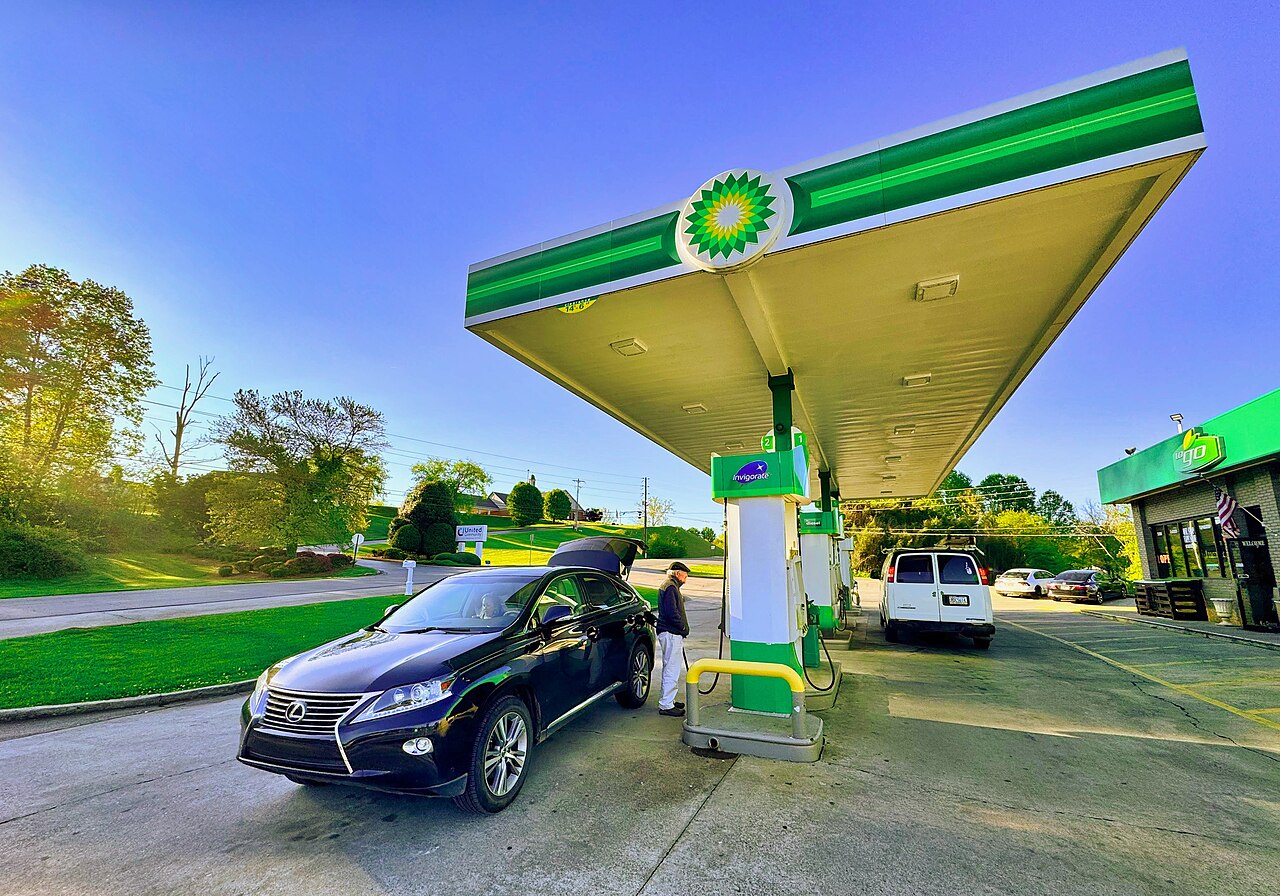
Rising oil prices linked to tensions in the Middle East have contributed to higher gasoline costs and renewed inflation concerns across the country.
Vance Says Preventing Nuclear Conflict Is the Priority
During Tuesday’s appearance, Vance stressed that the administration’s top priority remains preventing Iran from developing nuclear weapons, which he described as critical to U.S. national security.
“I agree with the president that stopping the spread of nuclear weapons is probably the most important thing we can do to keep the American people safe,” Vance said.
But he added that the administration remains aware of growing financial strain on households.
“But of course the president, and I, and the entire team, we care about the American peoples’ financial situations,” Vance said. “We care about how the American people are doing economically.”
The vice president acknowledged that the latest inflation report was disappointing but argued conditions remain better than during the Biden administration.
“Yes, the inflation number last month was not great,” he said. “But we’re not seeing anything like what we saw under the Biden administration.”
Inflation and Gas Prices Becoming Major Political Issue
The debate comes as inflation continues climbing amid instability in global energy markets.
The Consumer Price Index rose 3.8% in April, marking the largest inflation increase in three years. Analysts have tied much of the increase to rising oil prices connected to the Iran conflict and continued uncertainty surrounding shipping routes near the Strait of Hormuz.
Gasoline prices have become a growing political vulnerability for the Trump administration ahead of the 2026 midterm elections.
A recent CNN poll found that 70% of Americans disapprove of Trump’s handling of the economy, the highest economic disapproval rating of his presidency so far.
Trump has attempted to reassure voters by predicting oil prices will eventually fall sharply once the Iran conflict ends.
The president has also backed a proposal to temporarily suspend the federal gas tax in an effort to reduce prices at the pump. However, political analysts say passing such a measure through Congress could prove difficult due to divisions among both Republicans and Democrats.
White House Tries to Reassure Voters
Vance repeatedly emphasized that the administration understands public frustration over rising costs and said officials remain focused on delivering economic relief.
“We know that we have a lot of work to do in order to deliver on the prosperity that the American people deserve,” he said.
“The president is hyperaware of this. I’m hyperaware of this.”
As the administration continues balancing foreign policy tensions with domestic economic concerns, inflation and fuel prices are expected to remain central political issues heading into next year’s elections.

Featured Image from: The White House, Public domain, via Wikimedia Commons