
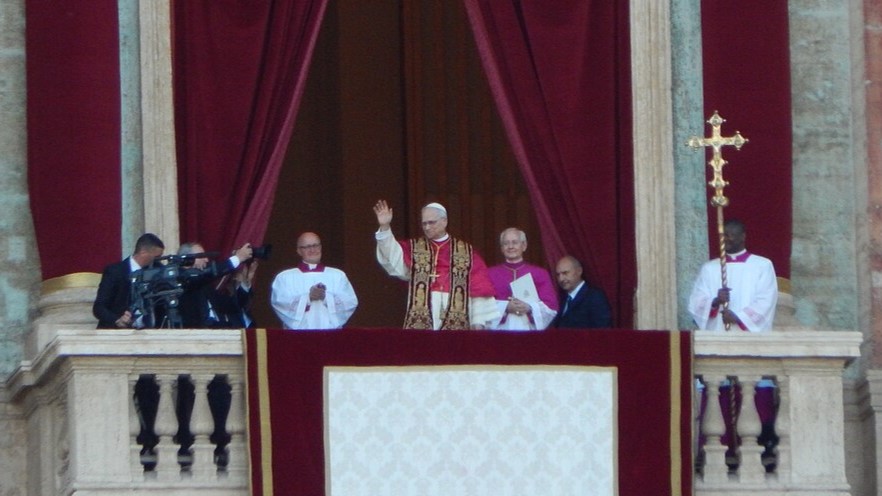
A growing clash between political power and moral authority is playing out on the global stage
A rare and increasingly public clash between the White House and the Vatican is unfolding, as Pope Leo renewed his call for peace, just days after being attacked again by President Donald Trump on social media.
The exchange is more than a war of words.
It reflects a deeper divide over war, diplomacy, and the role of global leadership at a time of escalating conflict in the Middle East.
How the Conflict Started
Tensions between Trump and Pope Leo began building quietly in recent months, as the pontiff shifted from a low-profile start to a more vocal stance on global issues, particularly the U.S.-Israel war with Iran.
While previous popes have often weighed in on war and peace, Leo’s criticism has been more direct.
He has repeatedly called for:
An immediate de-escalation of violence
Greater protection for civilians
A return to diplomacy over military force
Those comments increasingly put him at odds with the Trump administration, which has framed the war as necessary for security and regional stability.
The turning point came just before Leo’s major Africa tour, when Trump publicly criticized the pope online, calling him “terrible” and questioning his stance.
The remarks triggered backlash from religious leaders and Christians across political lines.
But instead of backing down, Trump escalated.
What Happened This Week
During the pope’s ongoing multi-country Africa visit, Trump launched a second round of criticism on social media, doubling down on his earlier attacks.
Vice President JD Vance also weighed in, suggesting the pope should be “careful” when speaking on matters connected to global conflict.
The response from the Vatican was notably measured, but firm.
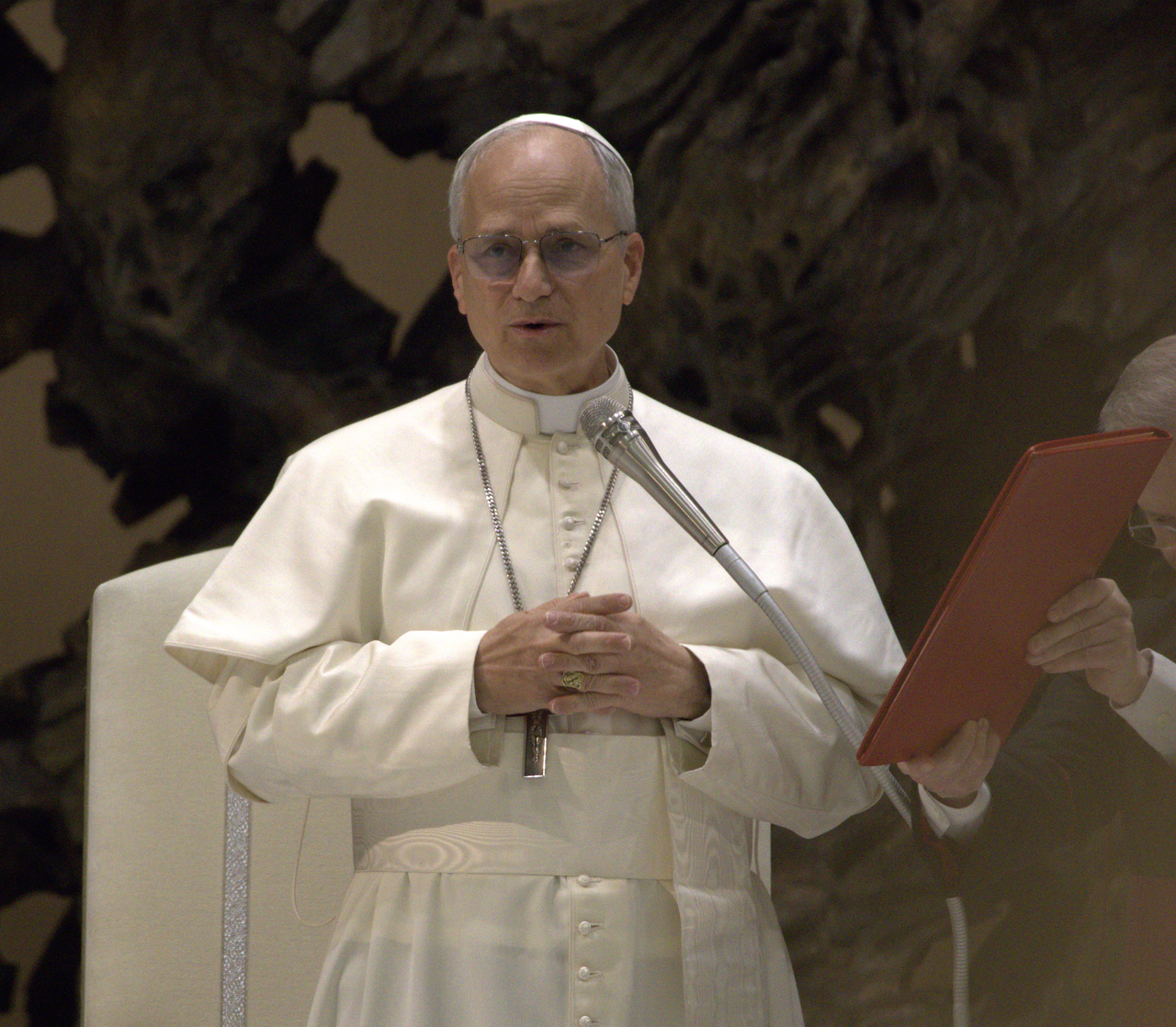
Speaking during a flight between Algeria and Cameroon, Pope Leo did not directly engage with Trump’s comments.
Instead, he reframed the conversation.
“The world needs to hear a message of peace,” he said, emphasizing coexistence across religious and cultural differences.
A Message from the Road
Leo’s comments came after visiting Algeria, a predominantly Muslim country where Catholics are a small minority.
That context shaped his message.
“Although we have different beliefs… we can live together in peace,” he said, highlighting the importance of dialogue between communities.
The pope also referenced St. Augustine, emphasizing unity and respect across differences, an implicit contrast to the increasingly confrontational tone in global politics.
His remarks were not just theological.
They were geopolitical.
Why This Clash Matters
This isn’t just a disagreement between two high-profile figures.
It represents a broader tension between:
Political leadership focused on military outcomes
Religious leadership focused on humanitarian consequences
Trump has emphasized strength, deterrence, and victory in the Iran conflict.
Pope Leo has emphasized restraint, dialogue, and the human cost of war.
Those perspectives are not new, but rarely are they expressed so directly and publicly between a sitting U.S. president and a pope.

What’s Happening on the Ground
While the rhetorical clash continues, the backdrop is a widening global conflict.
The war involving Iran has already:
Driven up global energy prices
Increased civilian casualties across multiple regions
Created growing humanitarian concerns
Pope Leo has indicated he will continue speaking out against the war, regardless of political pressure.
That suggests the divide is unlikely to fade anytime soon.
The Africa Tour Context
Leo’s comments come during one of the most ambitious papal tours in recent history.
The trip spans:
Four countries
More than 18,000 kilometers
Multiple conflict-sensitive regions
In Cameroon, where he is now visiting, the pope is expected to address ongoing internal conflicts, including tensions in English-speaking areas.
A separatist group has even announced a temporary ceasefire to allow safe passage during his visit, highlighting the influence the Vatican can still hold in certain contexts.
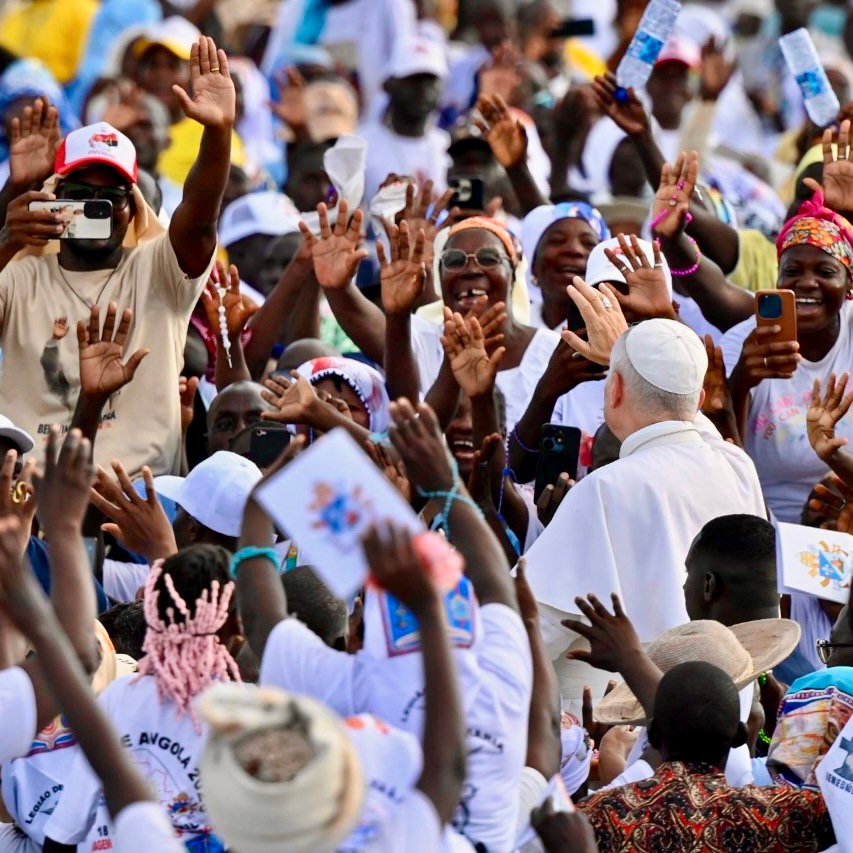
Crowds have gathered in large numbers, with hundreds of thousands expected at upcoming events.
What Happens Next
The immediate question is whether this public clash escalates further, or stabilizes.
Several scenarios are possible:
Trump continues direct criticism, turning the dispute into a broader political issue
The Vatican maintains a measured tone while continuing to speak out on the war
The conflict in Iran intensifies, making the pope’s message more prominent, or more contested
There is also the possibility that other global leaders weigh in, especially as the war’s economic and humanitarian impacts spread.
A Deeper Divide
At its core, this moment highlights a fundamental question:
Who shapes the global narrative during times of war?
Is it political leaders directing military strategy?
Or moral voices urging restraint and reflection?
In this case, both are speaking, loudly, and in opposition.
The Bottom Line
Pope Leo is not backing down.
Neither is Donald Trump.
As the war in Iran continues and global tensions rise, their clash reflects something larger than personal disagreement.
It’s a conflict of vision:
Power versus principle.
Force versus diplomacy.
Control versus coexistence.
And as both continue to speak, the world is left to decide which message carries more weight.
Featured Image from: INFOWeather1, CC BY-SA 4.0, via Wikimedia Commons