

The proposal would mark one of the largest military spending increases in U.S. history, while scaling back key domestic programs
The Trump administration is proposing a dramatic shift in how the United States spends its money.
At the center of the plan is a $1.5 trillion defense budget, a figure that would represent one of the largest military spending expansions since World War II. But the proposal is not just about increasing defense, it’s also about reducing spending elsewhere.
And that trade-off is already sparking debate.
Because while military investment would surge, funding for a range of domestic programs could shrink significantly.
A Historic Military Expansion
If approved by Congress, the proposal would push U.S. defense spending to levels rarely seen in modern history.
The plan includes:
A massive increase in Pentagon funding
Expanded shipbuilding and weapons production
Investment in advanced missile defense systems
At its core is a long-standing priority for President Donald Trump, strengthening U.S. military power while boosting domestic defense manufacturing.
Administration officials argue that the current global landscape demands it.
They point to rising competition with China, ongoing conflicts in the Middle East, and evolving threats from advanced weapons systems.
The “Golden Dome” and a New Defense Strategy
One of the most ambitious components of the proposal is the so-called “Golden Dome” missile defense system.
While details remain limited, officials describe it as a multi-layered network of land, sea, and space-based systems designed to detect and intercept modern threats, including advanced missiles and drones.
Estimates suggest the system could cost hundreds of billions of dollars over time.
Some projections place long-term costs at more than $500 billion, raising questions about sustainability, even within a significantly expanded defense budget.
Still, the administration sees it as essential.
In a world of increasingly sophisticated weapons, the ability to defend against them is becoming a central focus.
Building a “Golden Fleet”
The proposal also includes major investments in naval power.
Funding has been allocated for new shipbuilding programs, including a next-generation fleet often referred to as the “Golden Fleet.”
Among the most notable elements are the newly announced Trump-class battleships, designed to strengthen U.S. maritime capabilities.
Officials say the move is partly a response to concerns that the United States is falling behind China in shipbuilding capacity and output.
The goal is not just to modernize the fleet, but to accelerate production.

The Trade-Off: Cuts at Home
While defense spending rises, domestic spending is set to move in the opposite direction.
The proposal includes a 10% reduction in non-defense spending, targeting programs across several sectors, including:
Climate initiatives
Housing programs
Education funding
The administration has framed these cuts as a return to core priorities.
In public comments, Trump has suggested that certain services should be handled at the state level, while the federal government focuses more heavily on national security.
Supporters argue this shift reflects a necessary rebalancing.
Critics, however, see it differently.
They warn that cutting domestic programs while dramatically increasing military spending could widen economic and social gaps.
A Budget Built on Strategy, and Politics
Beyond the numbers, the proposal reflects a broader strategic shift.
It signals a prioritization of defense readiness in an increasingly unstable global environment.
But it also carries political implications.
The budget arrives at a time when:
The U.S. is engaged in an ongoing conflict with Iran
Global tensions are rising
Domestic economic pressures are building
Balancing those factors is not simple.
And passing a budget of this scale will require navigating Congress, where debates over spending priorities are often intense.
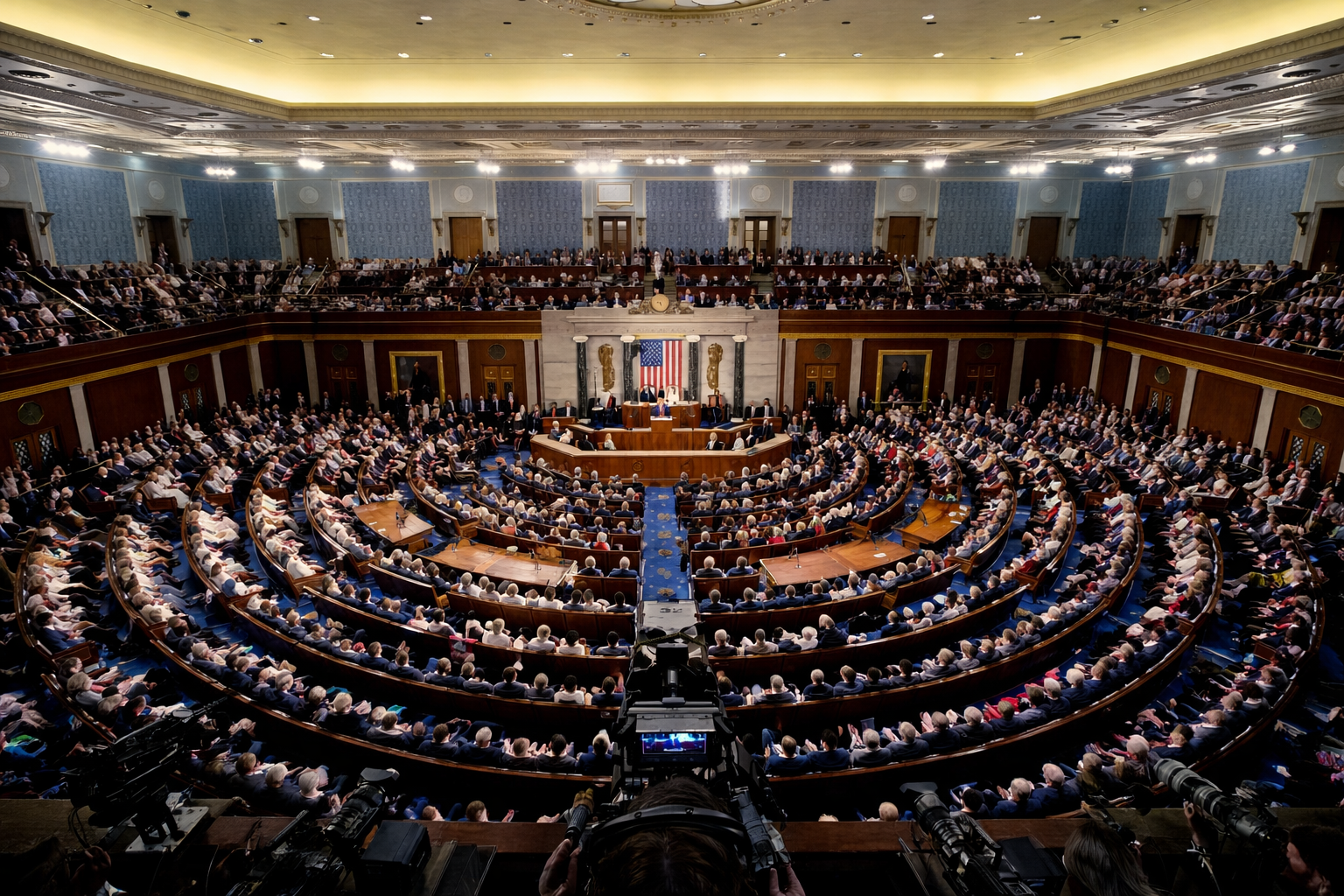
The Hidden Complexity: How It Gets Passed
Part of the funding strategy involves a process known as budget reconciliation, which allows certain measures to pass the Senate with a simple majority.
That could make it easier to approve portions of the plan, particularly those tied to defense manufacturing and industrial expansion.
But it doesn’t eliminate opposition.
Large-scale budget proposals often face scrutiny over:
Long-term costs
Deficit impacts
Policy trade-offs
And this one is no exception.
The Bigger Picture
The proposed $1.5 trillion defense budget is about more than just spending.
It’s about direction.
It raises fundamental questions about:
What the U.S. prioritizes
How resources are allocated
And what trade-offs are acceptable
For some, it represents strength and preparedness.
For others, it raises concerns about balance and sustainability.
The Bottom Line
If approved, this would be one of the most significant shifts in U.S. spending priorities in decades.
A massive expansion of military funding.
Paired with a reduction in domestic programs.
Whether it moves forward will depend on Congress.
But the debate it has already sparked is likely to continue, because at its core, this isn’t just about numbers.
It’s about what the country chooses to invest in.
Featured image from: Official Navy Page from United States of America Mass Communication Specialist 2nd Class William Jamieson/U.S. Navy, Public domain, via Wikimedia Commons