
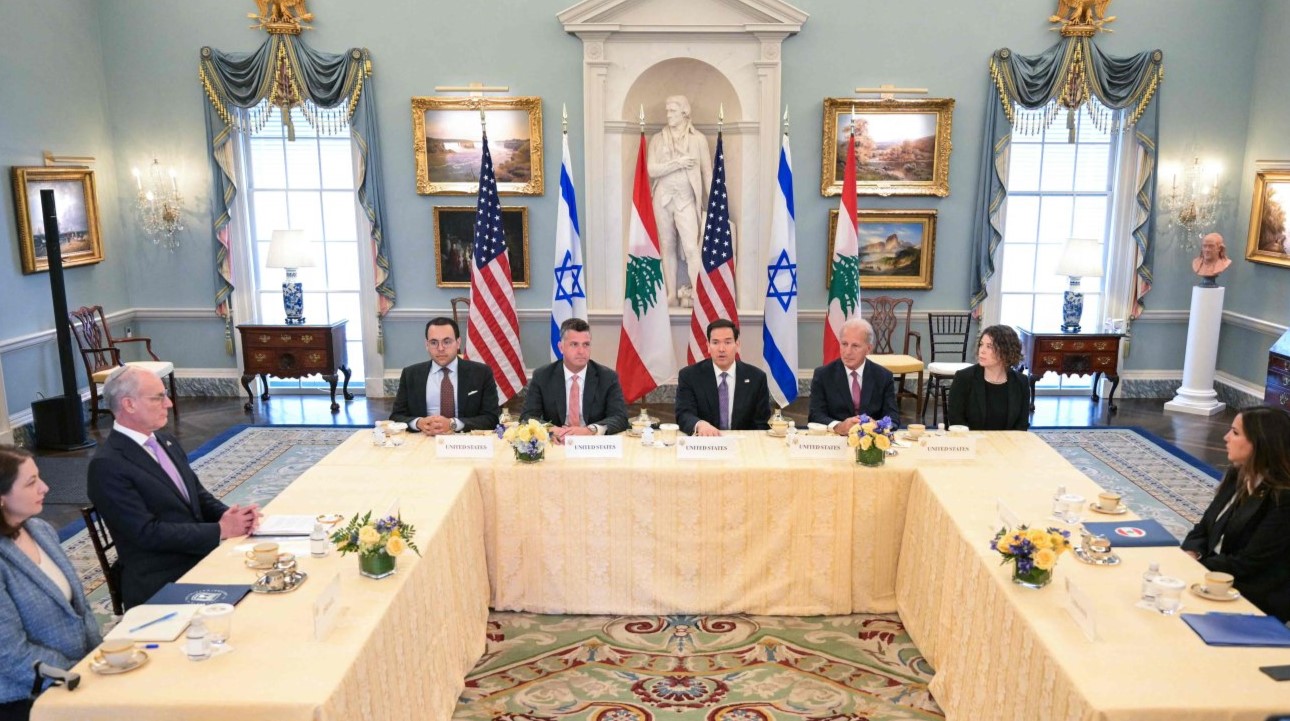
Historic diplomacy begins in Washington as fighting continues and divisions remain
For the first time in more than 30 years, officials from Israel and Lebanon sat down for direct talks, an event that, on paper, signals a potential shift in one of the Middle East’s most entrenched conflicts.
But as diplomats spoke behind closed doors in Washington, violence on the ground told a very different story.
Airstrikes continued. Casualties mounted. And one of the most powerful actors in the conflict made its position clear:
Any agreement may not hold.
A Rare Diplomatic Breakthrough
The talks, hosted by U.S. Secretary of State Marco Rubio, mark the first direct engagement between Israeli and Lebanese representatives since the early 1990s.
Historically, the two countries have avoided direct negotiations, relying instead on intermediaries, even during periods of heightened tension.
That alone makes the meeting significant.
U.S. officials framed the discussions as an attempt to reduce escalating conflict along the Israel-Lebanon border, where months of cross-border exchanges have intensified into a broader confrontation tied to the regional war involving Iran.
The goal: explore pathways to de-escalation, address security concerns, and potentially establish mechanisms to prevent further escalation.
What Was Actually Discussed
While details remain limited, officials familiar with the talks indicate that discussions focused on three key areas:
Border security and military de-escalation
The risk of broader regional spillover
Humanitarian concerns, including displacement and aid access
There are also indications that maritime and territorial disputes, long a source of friction, were quietly revisited, though no formal agreements were announced.
Importantly, these were exploratory talks, not a finalized negotiation.
No ceasefire deal was confirmed. No framework publicly agreed upon.
Hezbollah’s Immediate Rejection
Almost as quickly as the talks were announced, a major obstacle emerged.
Hezbollah, Lebanon’s most powerful armed group and a central player in the conflict, made it clear it does not recognize or accept the outcome of any negotiations it is not part of.
That position is critical.
While the Lebanese government is internationally recognized, Hezbollah operates as both a political force and a heavily armed militia with significant influence over southern Lebanon, the very area where much of the fighting is taking place.
Without Hezbollah’s participation or buy-in, any agreement risks being symbolic rather than enforceable.
Fighting Continues Despite Talks
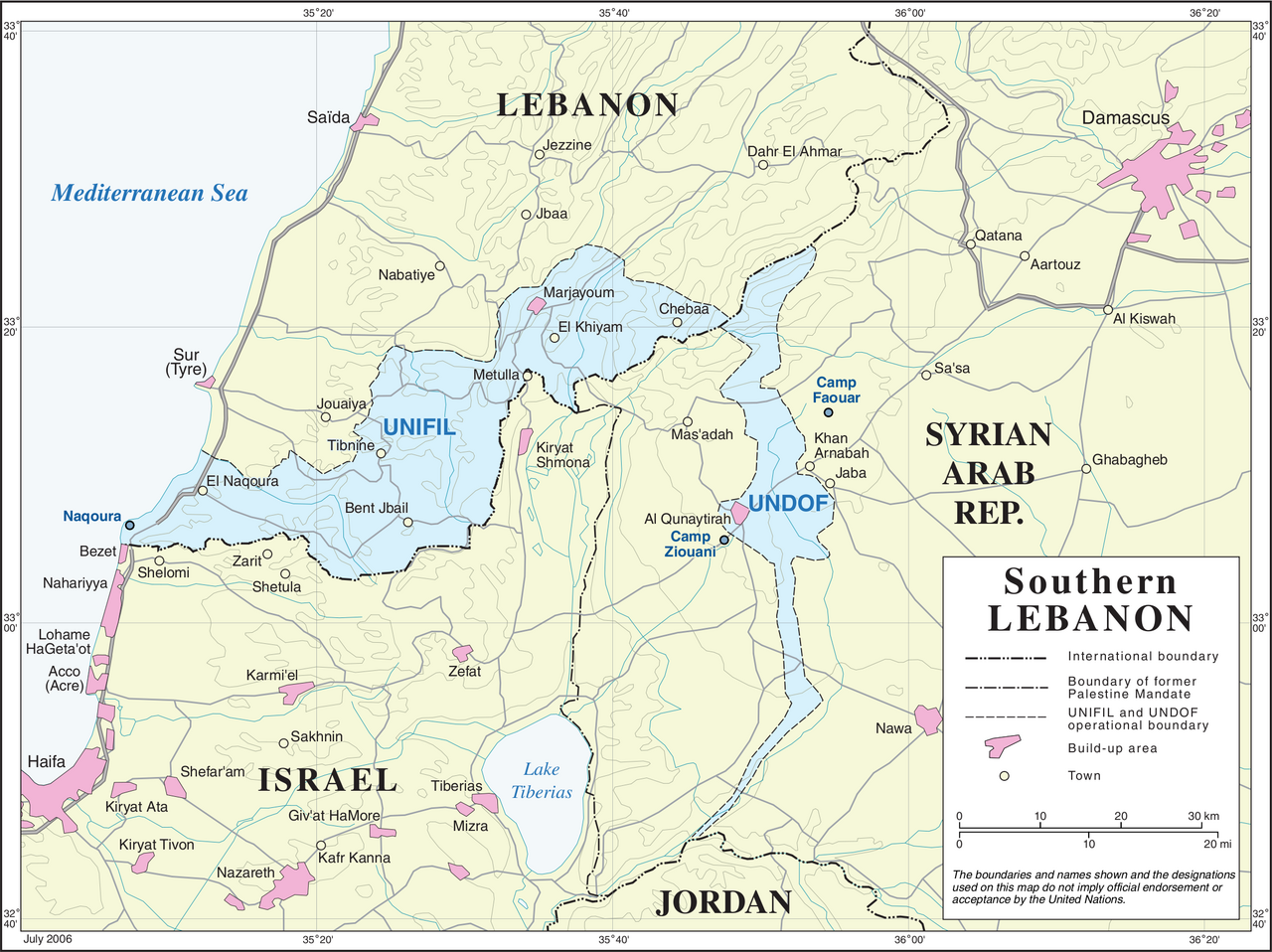
Even as diplomacy moved forward, Israeli military operations in southern Lebanon did not pause.
Strikes were reported in multiple areas, including the coastal town of Ansariya, where casualties were confirmed.
According to Lebanese officials:
More than 2,100 people have been killed
Nearly 7,000 have been injured
Over one million have been displaced
The scale of displacement is particularly significant in a country already facing economic collapse and infrastructure strain.
Humanitarian organizations, including the World Food Programme, have warned that the situation is rapidly deteriorating into a broader crisis involving food insecurity and access to basic services.
Why Now?
The timing of these talks is not random.
They come amid growing international concern that the Israel–Iran conflict could expand into a wider regional war, pulling in multiple countries and non-state actors.
Lebanon sits at the center of that risk.
With Hezbollah aligned with Iran and Israel actively targeting threats along its northern border, the potential for escalation has increased sharply.
The United States, which has been deeply involved in the broader regional conflict, appears to be pushing for diplomatic off-ramps where possible, especially in areas where direct war could spiral quickly.
A Diplomatic Opening, But Not a Breakthrough
Despite the historic nature of the talks, there is little indication that a concrete resolution is close.
Instead, what has emerged is something more limited:
A channel of communication that did not exist before.
That matters.
In conflicts like this, even minimal dialogue can reduce the risk of miscalculation, something that has historically triggered wider wars in the region.
But the gap between dialogue and resolution remains wide.
The Core Challenge
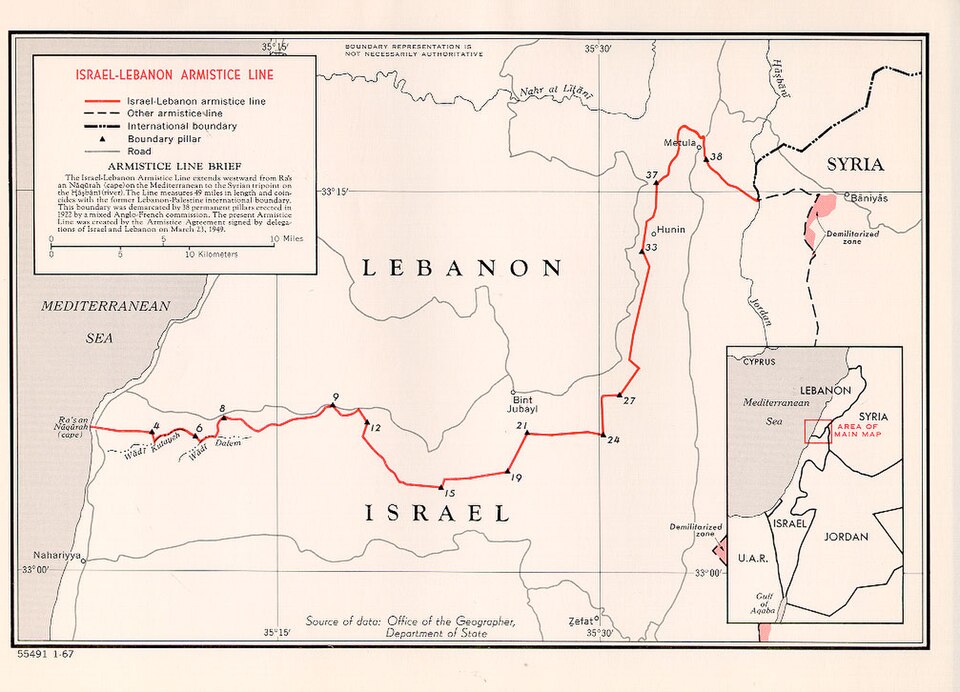
At the heart of the issue is a structural problem:
The people negotiating are not the only ones controlling the outcome.
The Lebanese government does not fully control Hezbollah.
Hezbollah is not participating in talks.
Israel continues military operations regardless of negotiations.
That creates a fragmented dynamic where diplomacy and military action operate on separate tracks.
What Comes Next
For now, the talks are expected to continue in some form, with U.S. officials acting as intermediaries and facilitators.
Whether they evolve into something more formal depends on several factors:
Willingness of both governments to pursue de-escalation
The role, or exclusion, of Hezbollah
Developments in the broader Iran-linked conflict
Any major shift on the ground could either accelerate diplomacy, or collapse it entirely.
The Bottom Line
The first direct talks between Israel and Lebanon in decades are a significant дипломатический moment.
But they are not, at least yet, a turning point.
Because while leaders talk, the war continues.
And until all the key players are part of the same conversation, any agreement risks being incomplete.
For now, diplomacy has opened a door.
Whether it leads anywhere, or closes again, remains uncertain.
Featured image screenshot from youtube: Al Jazeera English