
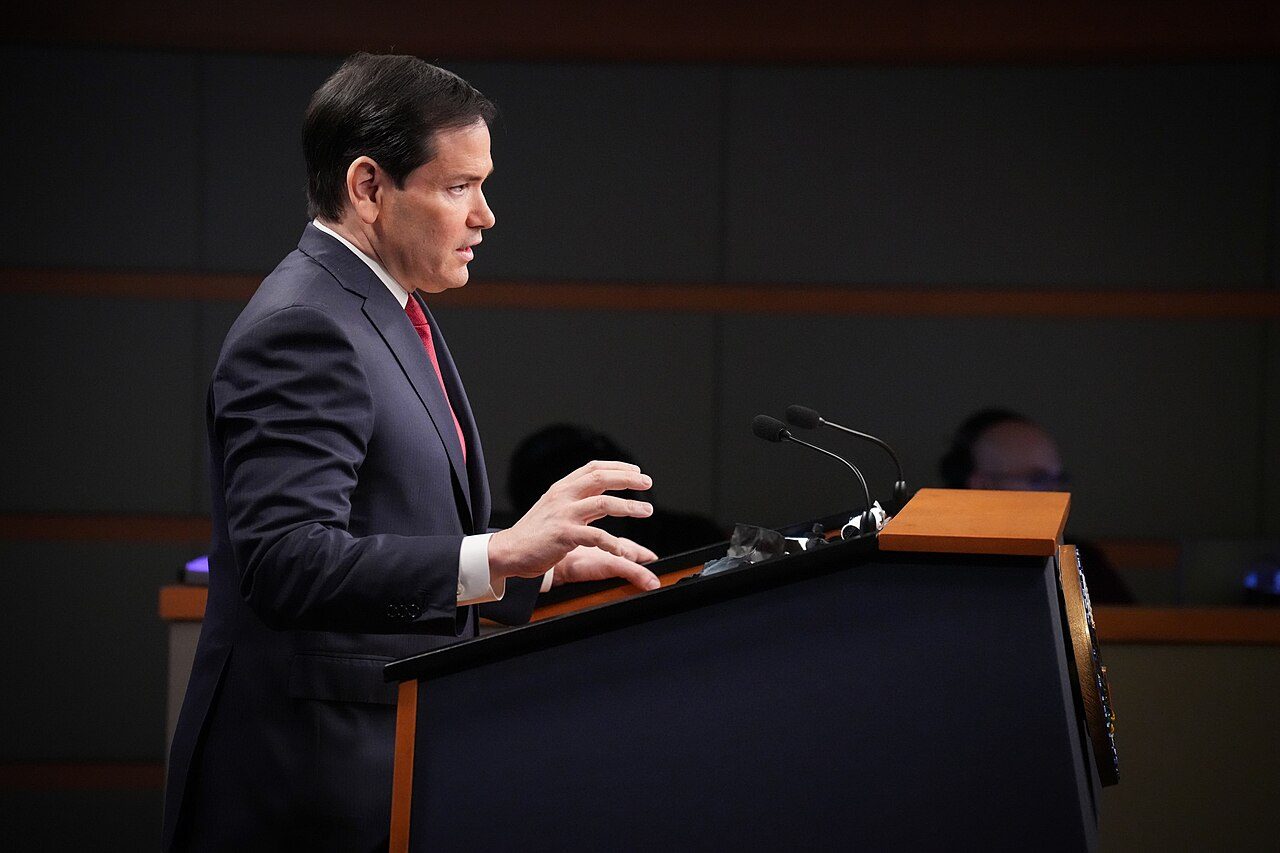
A memo to Secretary of State Marco Rubio says Iran has stepped up efforts to target Americans as U.S. embassies in the region cut staff.
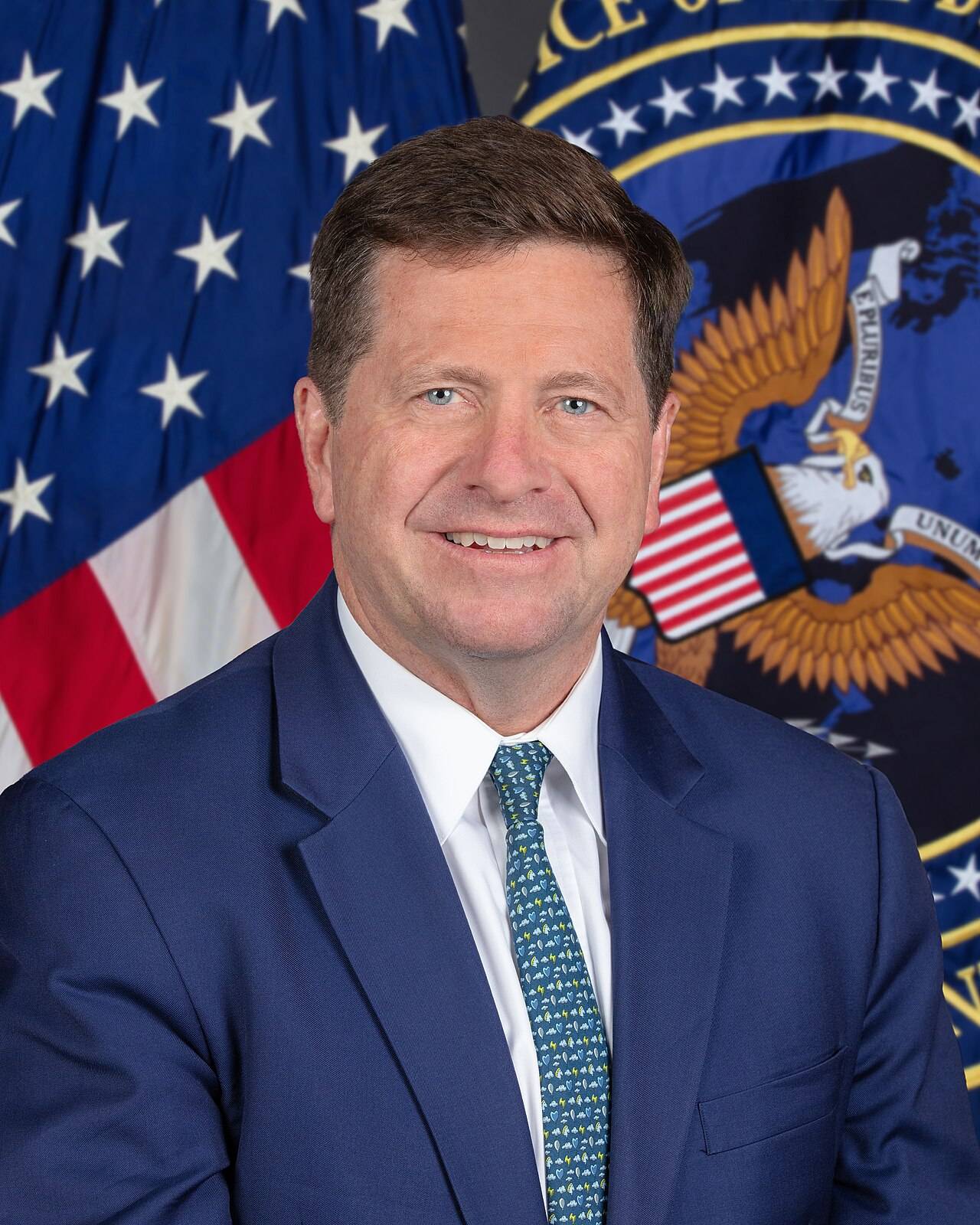
Director of National Intelligence Jay Clayton warned Secretary of State Marco Rubio in a memo on Friday, Oct. 23, that Iranian plots against U.S. citizens have reached advanced stages in the Middle East and other countries, as the State Department pulls staff from embassies across the region.
A U.S. official confirmed the memo’s authenticity, NBC News reported. Axios first reported the document, and The Associated Press later obtained a copy.
The warning lands eight months into the war with Iran and ahead of the Nov. 3 midterm elections, with President Donald Trump openly weighing new military action.
Memo Warns of Advanced Iranian Plots
In the memo, Clayton said his teams “have received intelligence that Iran has substantially increased efforts to target U.S. personnel,” according to the AP.
“The lethal plotting efforts by the Iranians against U.S. citizens have reached advanced stages in both the Middle East and certain other countries,” Clayton wrote.
Three U.S. officials told the AP that the memo went to Rubio in his capacity as both secretary of state and national security adviser. The memo did not identify possible targets, the alleged planners or the countries where plots may be unfolding, The National News Desk reported.
Clayton told Rubio the risk is “relevant to more individuals than are currently cleared to receive this information.”
“We will make every effort to downgrade as much intelligence as possible so you can share it with State Department personnel at your discretion,” he wrote.
U.S. officials told The New York Times that the threat against Americans in the Middle East and several other countries is at its highest level since the war began in February. One official said some material indicates Iran may have operatives in the United States, and officials said the plans include potential targets in Europe.
Another official cautioned that Iran’s ambitions to strike exceed its ability to carry out attacks in the United States and other territories overseas, the Times reported.
Embassies Cut Staff Across the Region
The memo emerged as the State Department reduced staffing at U.S. embassies in Jordan, Lebanon, Qatar and the United Arab Emirates. Those embassies remain open, and staff there are not compelled to leave, the AP reported.
The posts were already operating under restricted status with limited personnel. In announcing the cuts, the department pointed to threats from Yemen’s Iran-backed Houthi rebels and did not mention Iran directly. Three officials told the AP that threats from both Iran and the Houthis are related to the changes.
A U.S. official, speaking for the State Department, told NBC News: “The threat of Houthi attacks and of Iranian terror plots targeting U.S. officials are informing our decisions on staffing adjustments for embassies on Restricted Status in the region.”
In Saudi Arabia, the order goes further. On Wednesday, Oct. 21, the department ordered non-essential staff and their families to leave the U.S. Embassy in Riyadh and its consulates. The embassy is now under ordered departure, meaning it operates only with emergency staff.
“The safety and security of Department personnel and their families remain our highest priority, and we will continue to take all necessary steps to protect and support them,” State Department spokesperson Tommy Pigott wrote on X.
NBC News also reported, citing its sources, that the U.S. military has been quietly scaling back its troop presence at bases across the Middle East.

What Happens Next
U.S. officials have denied that the embassy drawdowns are tied to any potential new U.S. and Israeli strikes on Iran, the AP reported.
Trump, speaking at a rally in Florida on Friday, said “we may do another little Epic Fury, or they’ll agree,” referring to the name the U.S. gave the opening wave of strikes.
Senior military officials have presented Trump with options for new strikes on Iran, according to NBC News. Its sources said the options include hitting the tunnels or entrances of Iran’s nuclear facilities, such as at Pickaxe Mountain, and the strategic islands of Kharg and Qeshm.
The Times reported that the United States and Israel have drawn up plans for a new wave of strikes after the midterm elections, though Trump has not made a final decision.
Eight Months of War With Iran
The war began on Feb. 28, when U.S. and Israeli strikes killed Khamenei, Iran’s supreme leader, along with other top officials.
As the fighting spread across the Middle East, the State Department ordered departures from missions in Iraq, Jordan and Bahrain in March. It also pulled staff from Saudi Arabia after Iranian attacks on the embassy in Riyadh, the Times reported.
Saudi Arabia now faces attacks from Yemen. The Houthis have targeted civilian airports, and Riyadh’s King Khalid International Airport had been closed since Oct. 10, the AP reported.
In its Oct. 21 travel alert, the State Department said: “Iranian-supported Houthis have engaged in hostilities against Saudi Arabia, including attacks on civilian airports and other critical infrastructure resulting in civilian casualties and severe travel disruptions.”
The Times also reported that the department updated travel advisories for 13 Middle East countries on Friday evening, all at level 3 or level 4. In early October, the U.S. military withdrew all 12 B-1 bombers from RAF Fairford in England over Iranian threats to the base, the paper said.
Iran proposed a deal last month to reopen the Strait of Hormuz within days, and Trump publicly rejected it, NBC News reported.
Iran Responds to U.S. Pressure
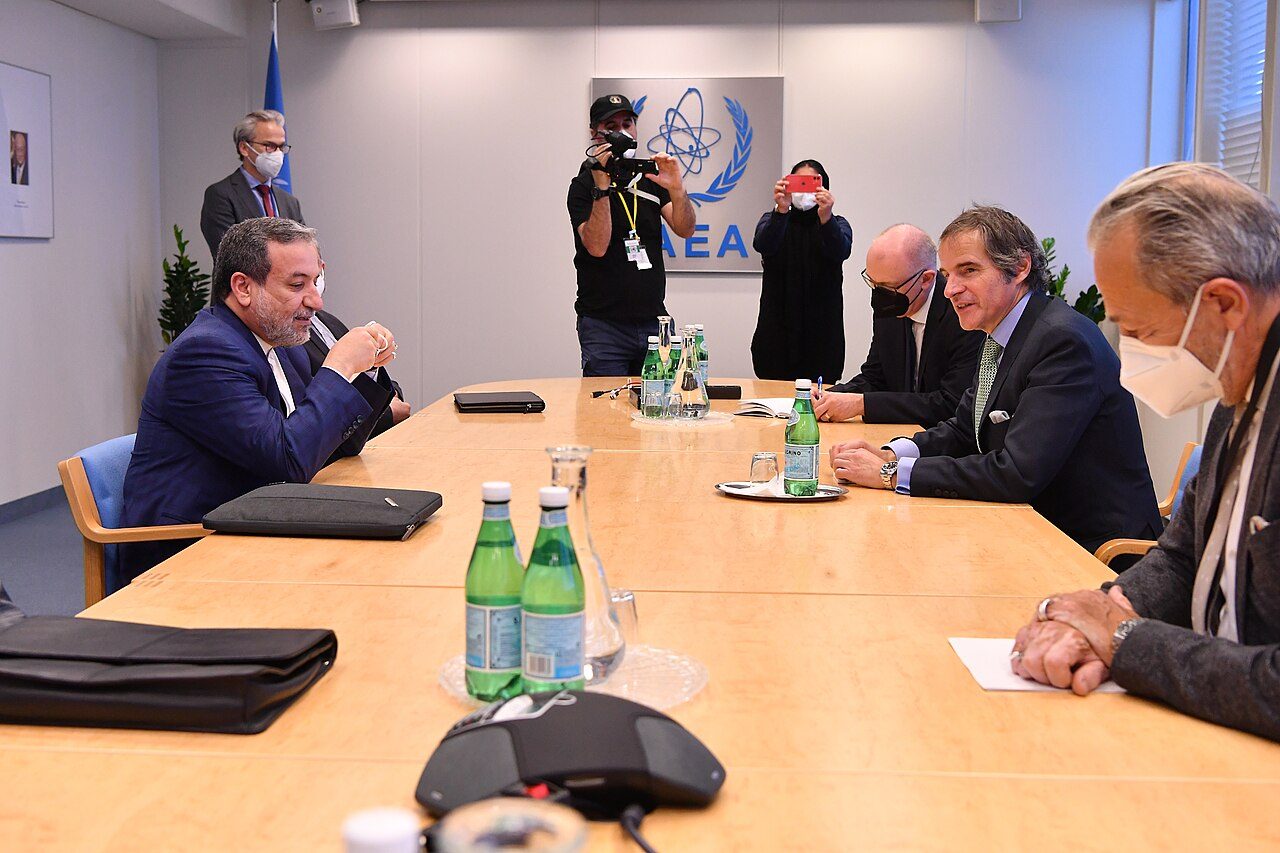
Responding to Trump, Iranian Foreign Minister Abbas Araghchi said: “We don’t care about U.S. midterm elections.”
“We care about our national interests,” he added.
In an opinion column in the Financial Times, Araghchi wrote that “any further escalation around the Strait of Hormuz or elsewhere in the region will put civilian lives and the well-being of all regional states and the global economy at great risk,” according to the AP.
Iranian state television reported that the Revolutionary Guard navy again threatened to strike U.S. military bases in the region if the United States keeps guiding ships through the Strait of Hormuz, the AP reported.
Featured image from: U.S. Department of State, Public domain, via Wikimedia Commons