
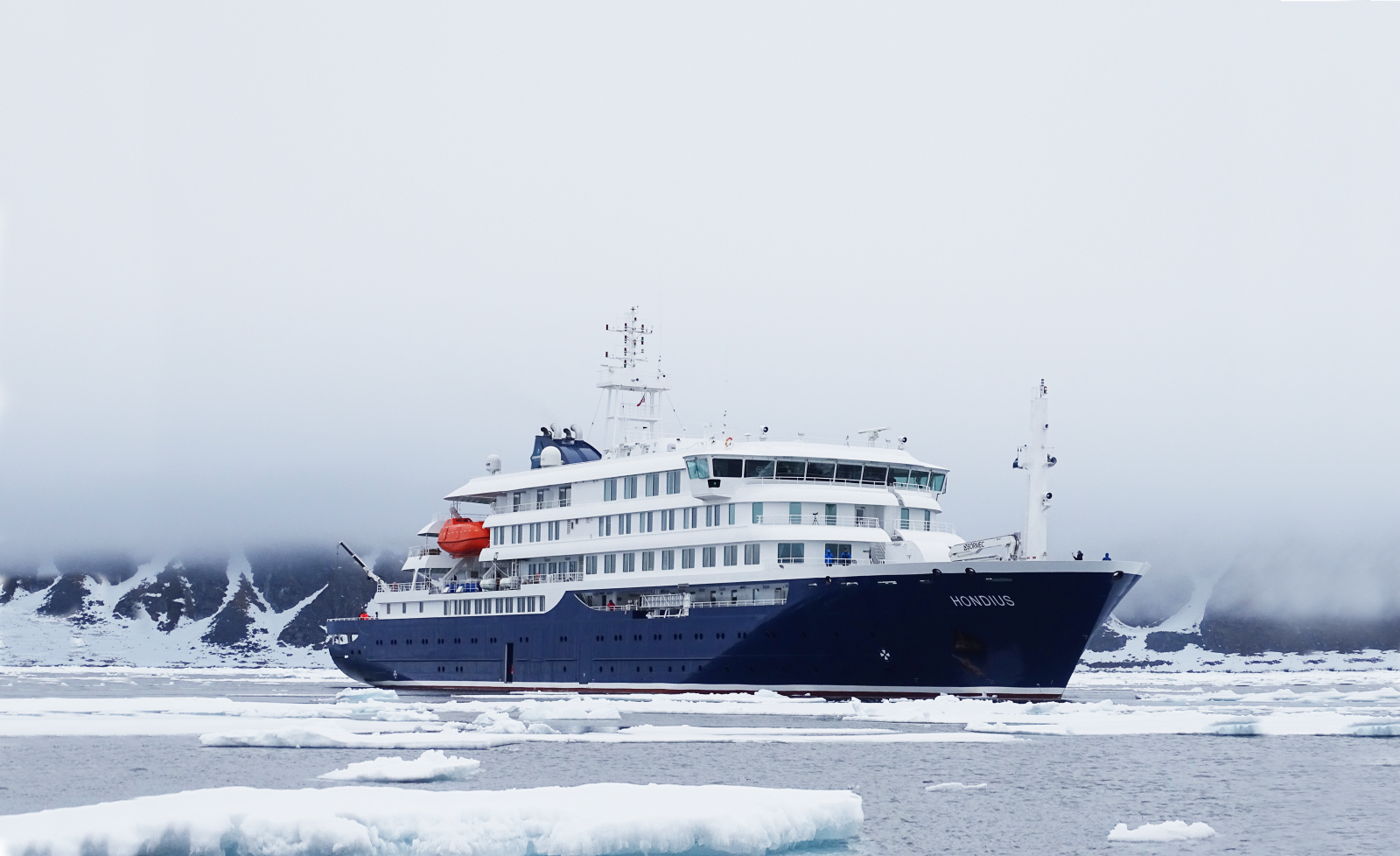
Global health officials are racing to contain a rare hantavirus outbreak linked to a cruise ship after several passengers became seriously ill during a voyage in the South Atlantic.
The outbreak, tied to the expedition cruise ship MV Hondius, has already resulted in multiple confirmed cases and at least three deaths, prompting an international response led by the World Health Organization (WHO).
Health authorities say the situation remains serious but currently assess the broader public health risk as low.
What We Know About the Outbreak
According to the WHO, eight cases connected to the ship have been reported so far, including three fatalities. Five of those cases have been laboratory-confirmed as hantavirus infections.
The virus involved is believed to be the Andes virus, a rare strain primarily found in South America and notable because it is the only hantavirus species known to spread between humans under certain conditions.
Officials say transmission generally requires prolonged and close personal contact, making widespread community spread less likely than airborne viruses such as COVID-19.
Passengers linked to the outbreak have now been identified across several countries, triggering a coordinated international health response.
What Is Hantavirus?
Hantaviruses are a group of viruses typically carried by rodents and transmitted to humans through contact with infected droppings, urine, or saliva.
Most hantavirus infections worldwide occur after people inhale contaminated particles in enclosed spaces.
Symptoms often begin like the flu and can include:
- Fever
- Muscle aches
- Fatigue
- Headaches
- Nausea
In severe cases, patients can develop hantavirus pulmonary syndrome (HPS), a potentially fatal respiratory illness that causes fluid buildup in the lungs.
The Andes virus is especially concerning because, unlike most hantaviruses, limited person-to-person transmission has previously been documented, mainly among close family members or caregivers.
Mortality rates for severe hantavirus infections can be high, particularly if treatment is delayed.
How the Cruise Ship Became the Focus
The MV Hondius, an expedition cruise vessel operating in remote regions of the South Atlantic and Antarctica, became the center of concern after multiple passengers fell ill during and after the voyage.
Several passengers disembarked in St. Helena during the journey, including individuals who later became sick while traveling onward.
Among the reported cases are British nationals currently receiving treatment in hospitals in the Netherlands and South Africa. Another suspected British case remains on the remote island of Tristan da Cunha.
The ship is now heading toward Tenerife, where health officials are preparing for a carefully managed disembarkation process.
WHO and International Response
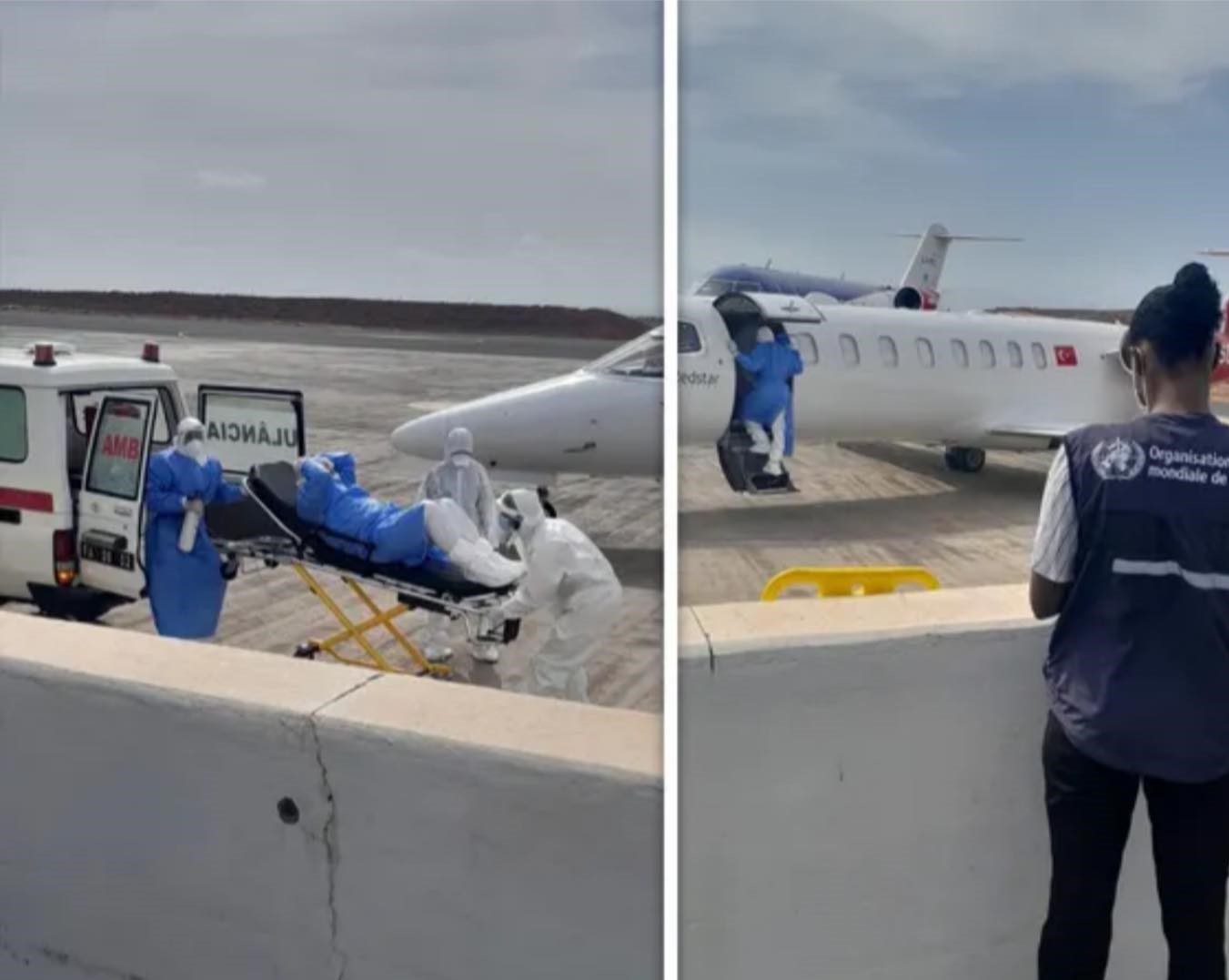
The WHO says it has activated international coordination measures under the International Health Regulations framework.
An infectious disease expert has been deployed onboard the ship to conduct medical assessments and evaluate the risk among passengers and crew.
The agency has also arranged for 2,500 diagnostic kits to be shipped from Argentina to laboratories in multiple countries to strengthen testing capacity.
Meanwhile, governments are preparing special transport arrangements for passengers returning home.
British authorities said passengers returning to the UK will be monitored closely and asked to isolate for 45 days after arrival due to the virus’s incubation period.
Health specialists and infection-control teams are expected to accompany repatriation flights.
Why Authorities Believe the Risk Remains Limited
Despite growing attention around the outbreak, experts stress that hantavirus does not spread easily in the same way as highly contagious respiratory viruses.
The WHO continues to describe the broader public health threat as low, though additional cases may still emerge because symptoms can take weeks to appear after exposure.
Officials are currently focused on:
- Identifying close contacts
- Monitoring passengers and crew
- Preventing secondary transmission
- Ensuring proper medical care for infected individuals
Authorities have not confirmed exactly how the outbreak initially began onboard, though investigations are examining possible environmental exposure and transmission patterns among passengers.
What Happens Next
As the ship approaches Tenerife, international health agencies are expected to continue monitoring passengers and coordinating follow-up testing across several countries.
Investigators are also working to determine whether transmission occurred primarily through environmental exposure or limited human-to-human spread linked to the Andes virus strain.
The coming weeks will likely determine whether the outbreak remains contained or results in additional isolated cases.
For now, health officials say vigilance, not panic, is the priority.
Featured image from: Fdesroches, CC BY-SA 4.0, via Wikimedia Commons