

Moscow bars transgender adoptive parents. The U.S. has no such ban, but Trump’s policies are changing how federal rules treat sex and foster care.
Russia has barred transgender people from adopting children or becoming guardians since July 2023, and a law President Vladimir Putin signed in November 2024 extended the ban to citizens of any country that allows gender transition.
The United States has no such ban. But President Donald Trump’s administration has spent 2025 and 2026 redefining how federal policy treats sex, gender transition and foster care, and some critics argue Washington is following a script first written in Moscow.
What Russia’s Adoption Bans Actually Do
Putin signed the first law on July 24, 2023. As Human Rights Watch summarized it, the law outlaws transgender health care, dissolves marriages of transgender people, bans changing gender markers on official documents and prevents transgender people from adopting or taking guardianship of children.
Novaya Gazeta Europe reported that the adoption provision is not retroactive, so children already adopted by transgender parents are not being taken back.
On Nov. 23, 2024, Putin signed a second law banning adoption of Russian children by citizens of countries where gender transitioning is legal, The Associated Press reported. It covers at least 15 countries, most of them in Europe. Americans were not affected, because Russia had already banned adoptions by U.S. citizens in 2012.
Duma Speaker Vyacheslav Volodin, one of the bill’s authors, wrote that “it is extremely important to eliminate possible dangers in the form of gender reassignment that adopted children may face in these countries.”

How Moscow Justifies the Bans
Russian lawmakers presented the measures as a defense of children and national values. Duma deputy chair Pyotr Tolstoy called the 2023 bill “yet another step to protect national interests,” according to Human Rights Watch.
The laws sit within a wider campaign. Russia’s Supreme Court declared the LGBTQ+ movement extremist in 2023, the AP reported. Since the start of Russia’s war in Ukraine, Putin has promoted traditional values as a counter to Western liberalism.
“Russia has persistently attacked sexual and gender minorities for political purposes,” said Graeme Reid of Human Rights Watch, who tied the law to “state-incited transphobia.”
No U.S. Adoption Ban, but Foster Rules Are Shifting
None of Trump’s executive orders bars transgender people from adopting or fostering, and none of the state measures reviewed for this article does either. The U.S. changes that touch adoption point another way: they protect parents and agencies who object to affirming a child’s gender identity.
Trump’s Nov. 13, 2025 executive order on foster care says some jurisdictions turn away families over their religious beliefs or “adherence to basic biological truths,” and directs federal health officials to act against such policies.
In July 2026, the administration rescinded a 2024 Biden rule requiring supportive foster placements for LGBTQI+ youth, a rule a court had already vacated, the Congressional Equality Caucus noted. Rep. Mark Takano, a California Democrat, said doing so without an alternative “puts children at risk, plain and simple.”
North Carolina’s Parents Protection Act, signed by Democratic Gov. Josh Stein in July 2025, shields foster and adoptive parents from abuse petitions for raising a child according to biological sex, WUNC reported. Republican co-sponsor Rep. Donnie Loftis said it ensures “no parent will be labeled abusive or unfit simply for believing that boys are boys and girls are girls.”
In 2024, Tennessee lawmakers passed a bill barring the state from excluding foster parents with religious objections to LGBTQ identity. The Human Rights Campaign’s Cathryn Oakley said the child’s best interest should be the central principle instead.
According to the Movement Advancement Project, an LGBTQ advocacy research group, 16 states let licensed child welfare agencies refuse LGBTQ applicants on religious grounds.
Trump’s Wider Transgender Agenda
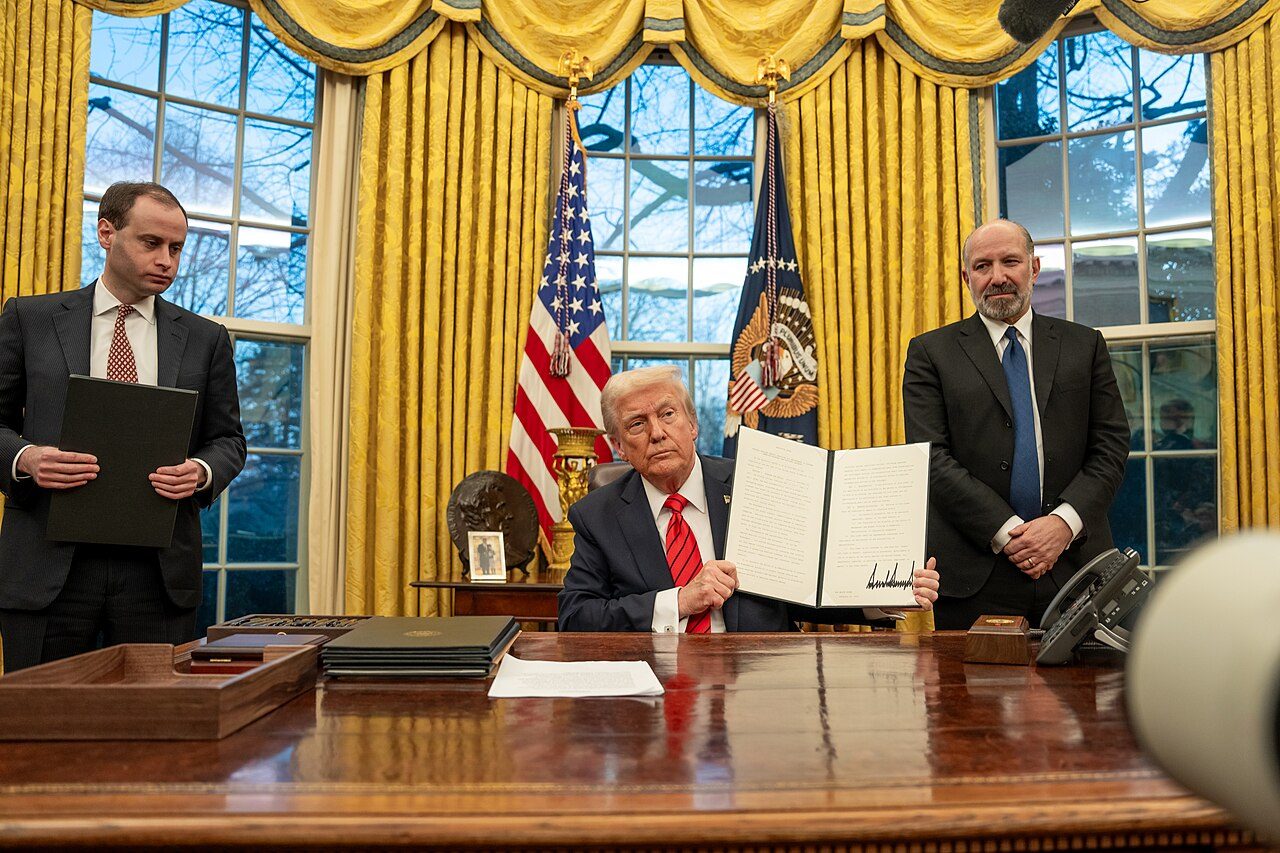
Trump’s Jan. 20, 2025 order made it federal policy to “recognize two sexes, male and female” and required passports to reflect sex as the order defines it.
Within weeks, he signed orders barring transgender troops, ending federal support for gender transition for anyone under 19 and targeting transgender athletes in female sports. Defense Secretary Pete Hegseth then directed each branch to identify transgender personnel for removal, FOX 35 reported.
“I also signed an order to cut off all taxpayer funding to any institution that engages in the sexual mutilation of our youth,” Trump told Congress in March 2025, EWTN News reported.
The newest measure, a rule ending federal Medicaid funding for transition treatments for minors, was set to take effect on Oct. 13, according to the law firm Groom Law Group. Michigan and other states have sued, Michigan Public reported.
The moves are part of Trump’s wider fight over LGBTQ+ rights.
Where the Court Fights Stand
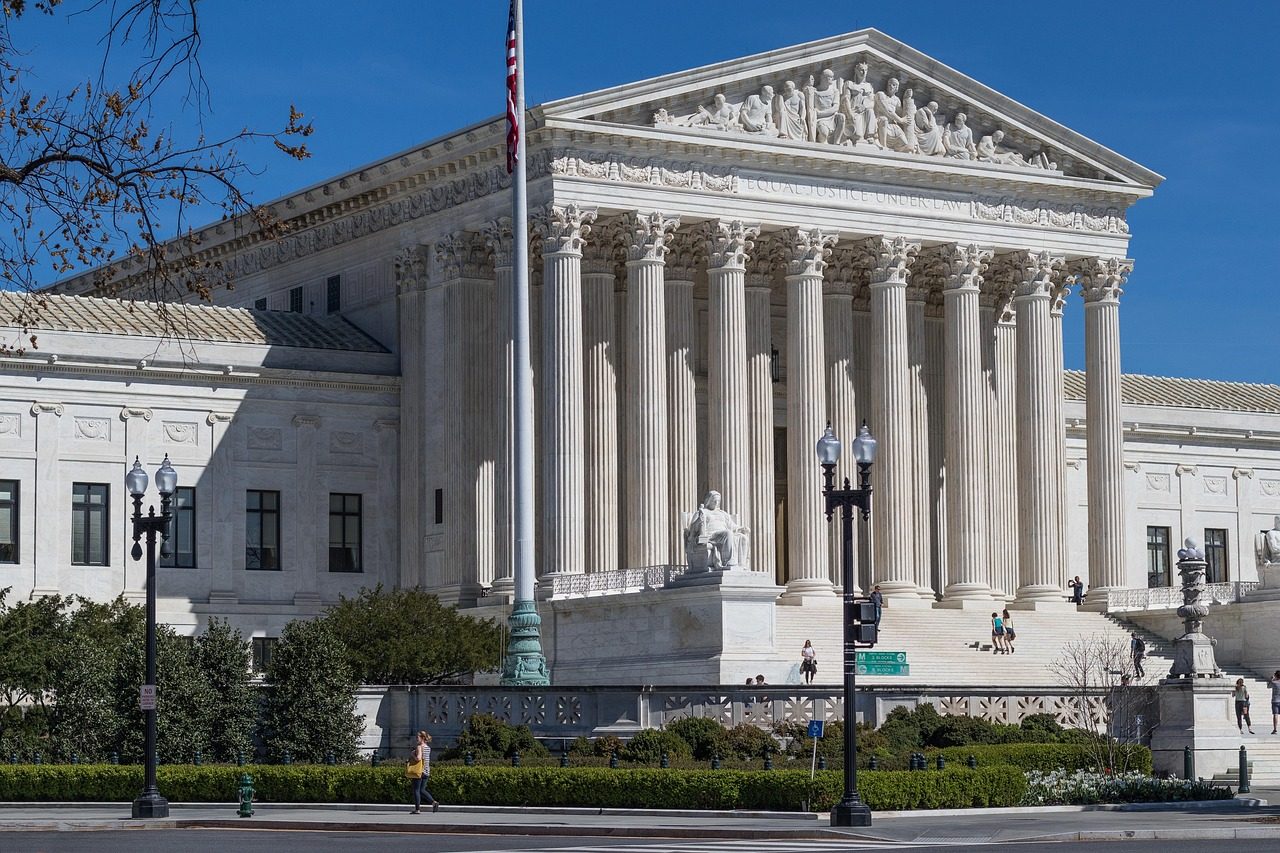
The Supreme Court let the military ban take effect in May 2025 while lawsuits continue. In June 2025, it upheld Tennessee’s ban on puberty blockers and hormones for minors in United States v. Skrmetti.
In November 2025, the court let the State Department enforce its birth-sex passport policy. “Displaying passport holders’ sex at birth no more offends equal protection principles than displaying their country of birth,” the unsigned order said. Justice Ketanji Brown Jackson dissented, joined by Justices Elena Kagan and Sonia Sotomayor.
In June 2026, the justices upheld state laws keeping transgender girls off female teams. A federal judge has blocked a prison policy ending hormone therapy for transgender inmates, and as of early October the administration’s appeal was pending.
The fights echo other executive orders tested at the Supreme Court and Trump’s public clashes with the justices.
Could America Be Next?
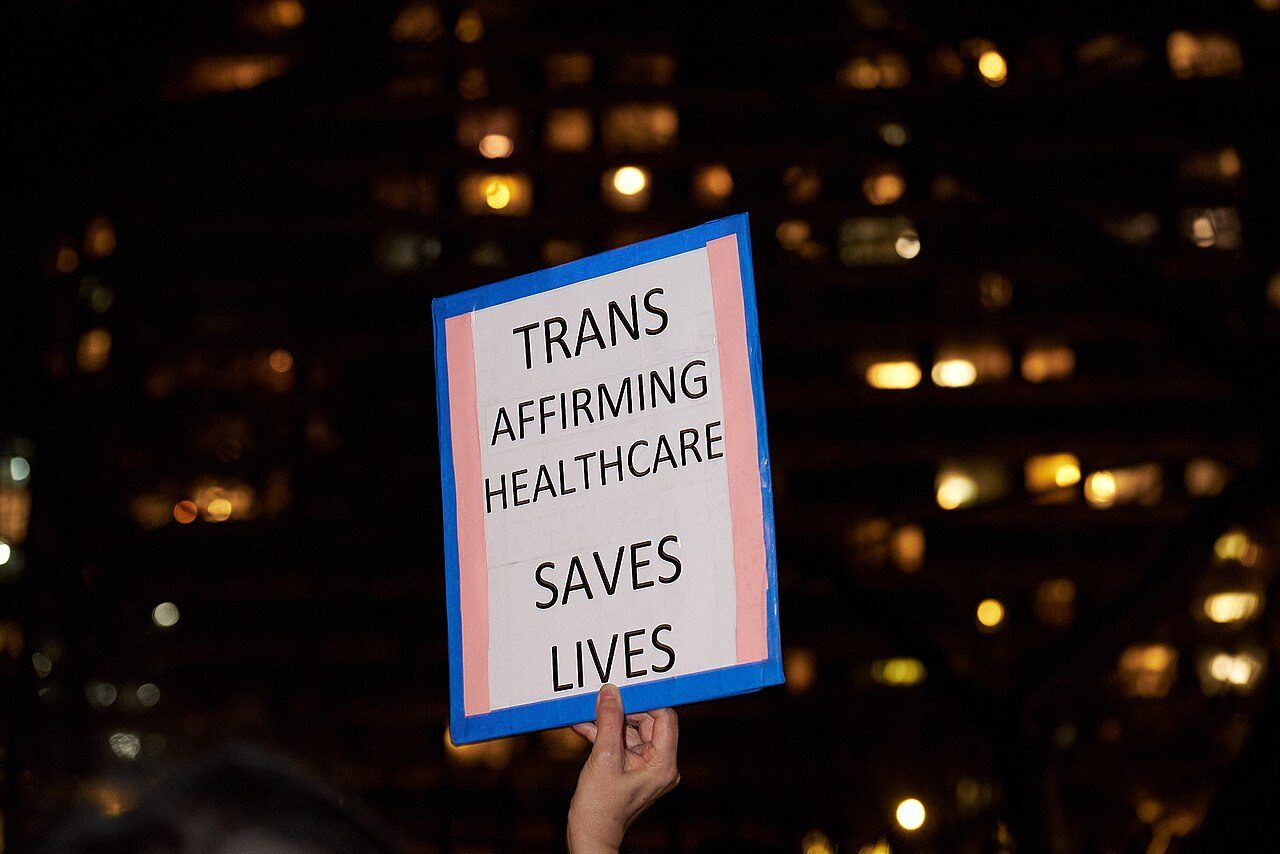
There are real overlaps. Both governments have written a single, fixed definition of sex into official policy, limited changes to identity documents and restricted transition care for young people in the name of protecting children.
The differences are substantial. Russia bans transition care at every age, voids marriages and bars transgender people from adopting by statute. The U.S. health care limits focus on minors and federal money, and states can still pay for care with their own funds, according to Groom Law Group.
Critics see a pattern anyway. Coda Story’s Natalia Antelava has argued that Trump is following a playbook “that was written in Russia and is now being followed almost to the letter in America.”
Supporters cast the same policies as protecting children, women and religious families. About half of U.S. adults approved of Trump’s handling of transgender issues, according to an AP-NORC poll in May 2025.
On the record so far, the answer is no: no federal or state measure bars transgender Americans from adopting. Whether that holds depends on the cases still in court and the next round of rules from Washington and the states.
Featured image from: Matt Hrkac, CC BY 2.0; Daniel Torok, Public domain; kremlin.ru, CC BY 4.0; via Wikimedia Commons