
A 3-year-old survives a brutal assault as scrutiny turns to mental health and prevention
A violent attack outside a Nebraska Walmart has left a young child seriously injured, but alive, after police intervened in a fast-moving and dangerous situation.
The incident, which unfolded in Omaha, involved a woman who allegedly attempted to kidnap a 3-year-old boy before slashing him with a knife when officers confronted her. Police fatally shot the suspect at the scene.
Now, as the child recovers, attention is shifting to the deeper questions surrounding the case:
Could this have been prevented, and what systems failed along the way?
What Happened
According to authorities, the incident began inside a Walmart store when a woman, later identified as 31-year-old Noemi Guzman, allegedly took a knife and approached a child and his caregiver.
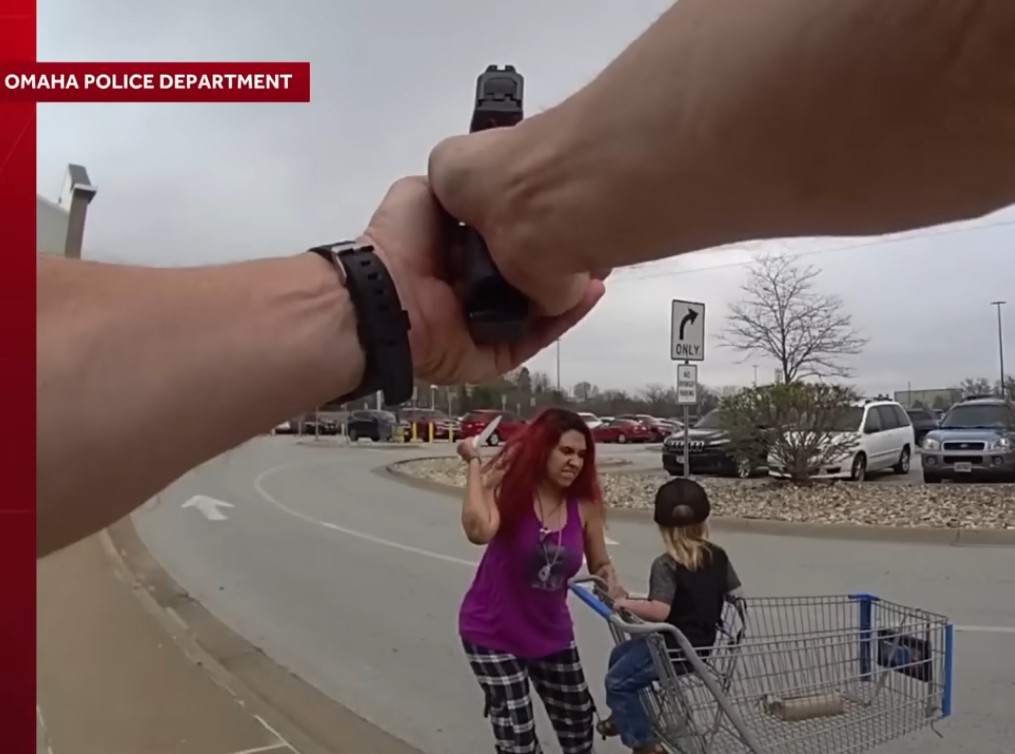
Police say she forced them through the store and into the parking lot, where the situation escalated into what officials described as an attempted kidnapping.
By the time officers arrived, Guzman was armed and making threats.
Despite repeated commands to drop the weapon, she refused.
Moments later, as officers moved in, Guzman slashed the child before police opened fire.
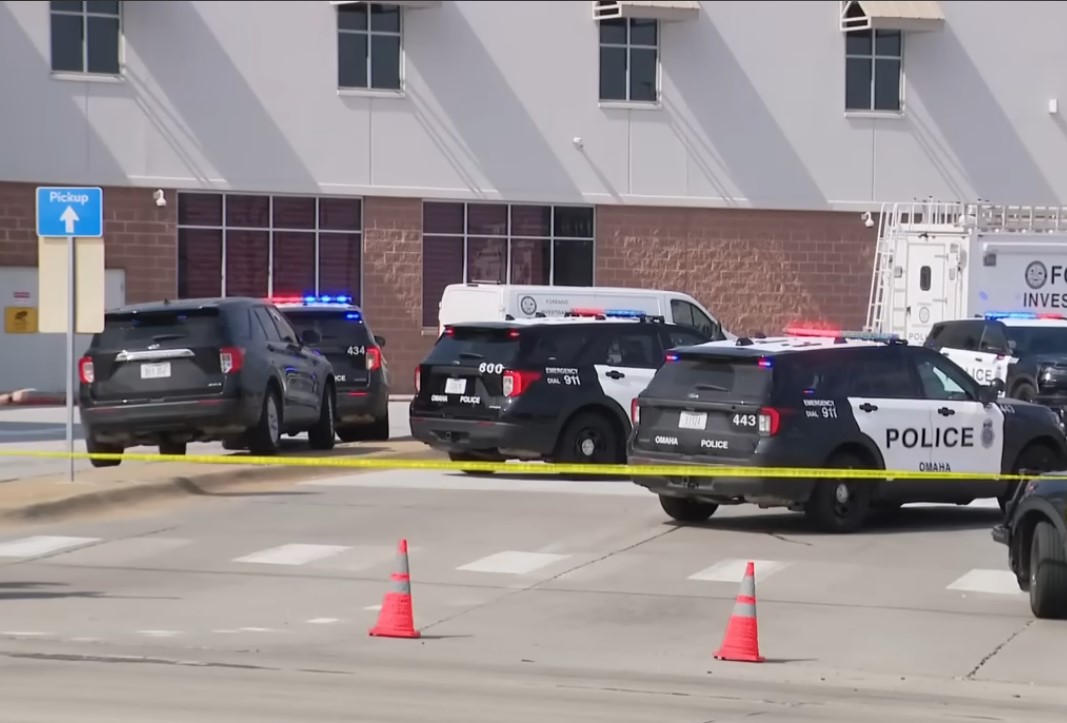
The suspect was pronounced dead at the scene.
The Child’s Condition
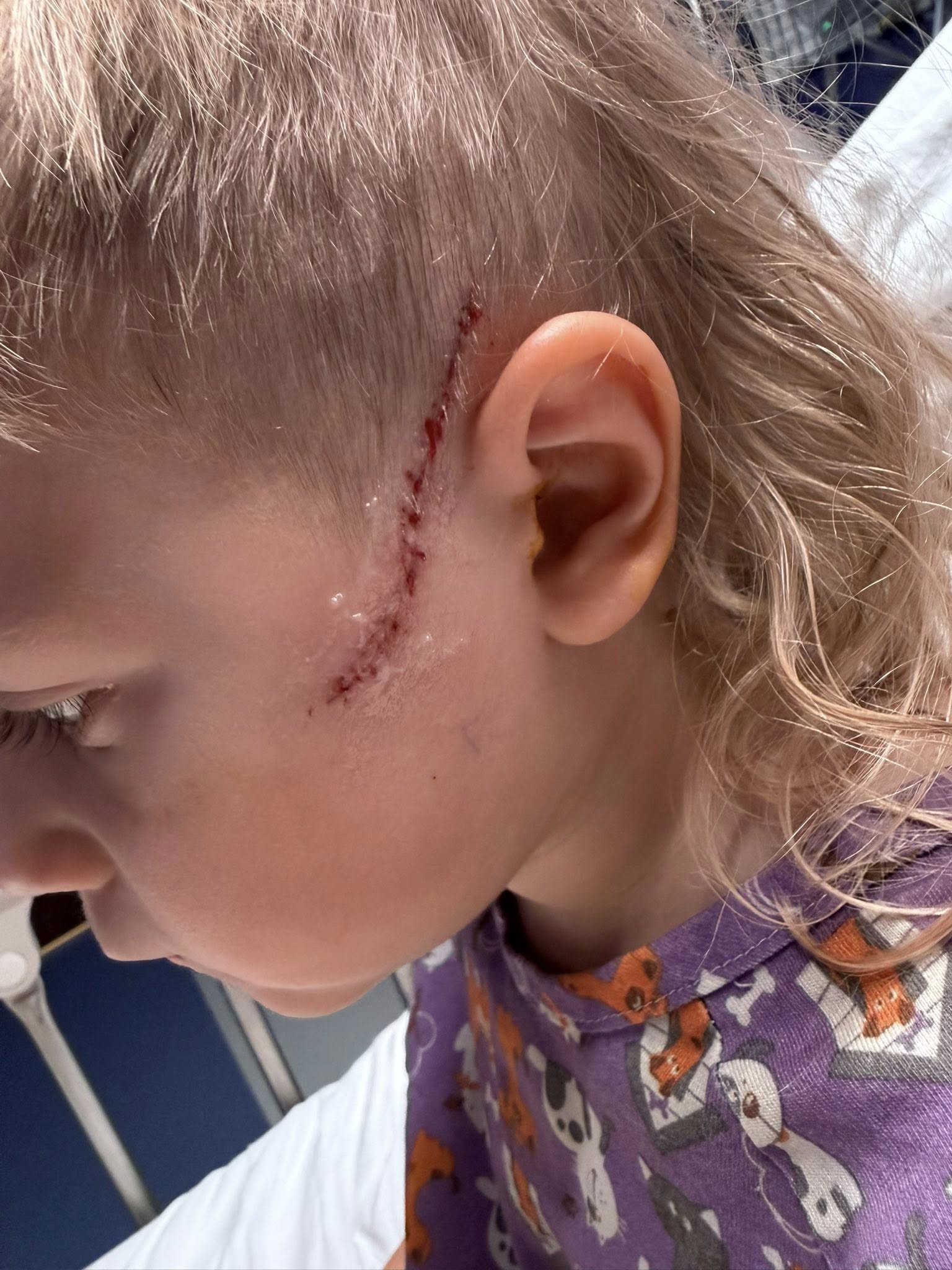
The 3-year-old boy suffered significant injuries, including a deep laceration to his face and additional wounds to his hand.
He was rushed to the hospital and underwent surgery.
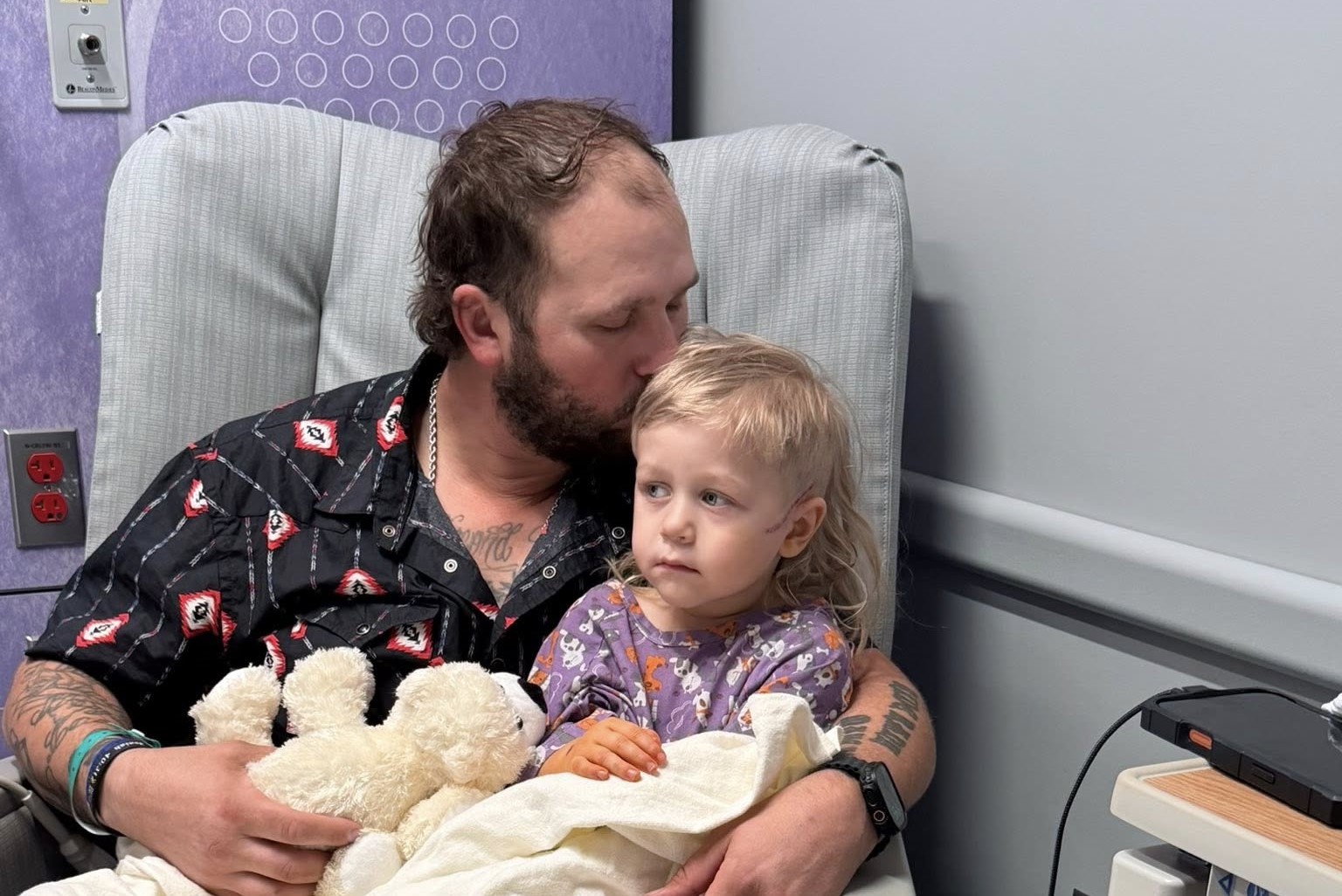
Family members have since said he is recovering and expected to heal physically, though the emotional impact remains unknown.
Images released by the family show the child with stitches, resting with loved ones and holding a stuffed toy, an image that has resonated widely online.
A Rapid Police Response
Law enforcement officials have defended the officers’ actions, describing the situation as an immediate threat to a child’s life.
Body camera footage reportedly shows the suspect holding a knife close to the child just before officers fired.
Police leadership praised the response, emphasizing that officers acted quickly to prevent further harm.
In cases like this, experts note, decisions must be made in seconds, with little room for error.
A Troubling History
As details about the suspect emerged, a more complex picture began to take shape.
Authorities say Guzman had a documented history of violence and mental health issues.
In a previous incident, she was accused of attacking a family member and attempting to set a home on fire.
She was later found not criminally responsible by reason of insanity and ordered to receive ongoing psychiatric treatment.
She also had prior assault convictions.
These details are now raising difficult questions about monitoring, treatment, and intervention.
The Prevention Question
Cases like this often prompt a broader conversation:
What happens after someone is deemed mentally unfit for criminal responsibility?
In many systems, individuals are required to follow treatment plans, including medication and regular psychiatric care.
But enforcement and follow-up can vary.
Mental health experts point out that gaps in care, whether due to resources, compliance, or oversight, can create risks over time.
At the same time, predicting violent behavior remains extremely difficult, even for professionals.
A Pattern Seen Elsewhere
This incident reflects a pattern seen in similar cases across the country.
When violent acts involve individuals with known mental health histories, public reaction often centers on two competing concerns:
The need for treatment and support
The need for public safety and prevention
Balancing those priorities is one of the most challenging issues facing policymakers and communities.
The Human Impact
Beyond policy and debate, the immediate impact is deeply personal.
A young child and his family are now recovering from a traumatic experience that unfolded in seconds.
For them, the focus is not on policy, but healing.
For the community, the incident is a reminder of how quickly everyday spaces can turn into scenes of crisis.
What Comes Next
Investigators are continuing to review the incident, including the suspect’s background and the timeline leading up to the attack.
At the same time, the case is likely to feed into ongoing discussions about:
Mental health systems and follow-up care
Law enforcement response protocols
Public safety in everyday environments
These conversations tend to resurface after incidents like this, but often fade as attention shifts.
The Bottom Line
The swift actions of police may have prevented a far worse outcome.
But the attack itself is prompting deeper questions that don’t have easy answers.
How do you identify risk before it turns violent?
How do you ensure treatment systems work as intended?
And how do you protect the public while addressing complex mental health challenges?
For now, a child is alive.
But the questions surrounding what led to this moment remain unresolved.
Featured Image from facebook: Sara Hillman