
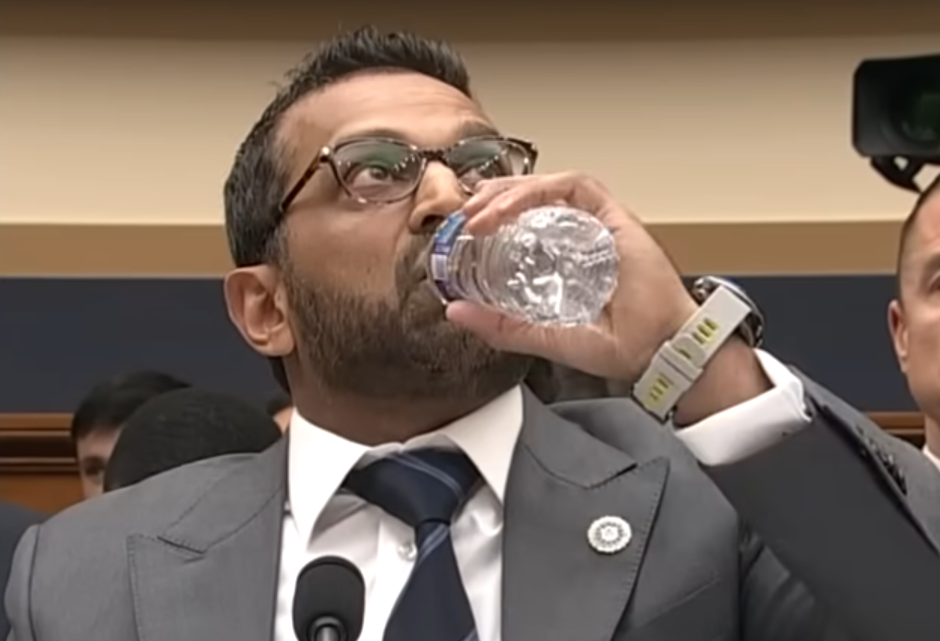
FBI Director Kash Patel is facing renewed scrutiny after a combative Senate hearing in which he made explosive claims against Democratic Sen. Chris Van Hollen, statements critics say were inaccurate, misleading, and emblematic of a broader breakdown in accountability within the Trump administration.
The tense exchange unfolded during a Senate Appropriations subcommittee hearing focused on the FBI’s budget and Patel’s leadership of the bureau. But the session quickly shifted into a political confrontation over allegations, personal attacks, and disputed claims tied to immigration and congressional oversight.
Patel Clashes With Sen. Chris Van Hollen
During the hearing, lawmakers questioned Patel about several controversies surrounding his tenure as FBI director, including reports about his conduct and leadership style that were recently published by The Atlantic. Patel has denied those allegations and filed legal action against the publication.
The hearing escalated when Maryland Sen. Chris Van Hollen sharply criticized Patel during his opening remarks.
In response, Patel accused Van Hollen of “slinging margaritas in El Salvador on the taxpayer dollar with a convicted gangbanging rapist,” while also alleging the senator ran up a large taxpayer-funded bar tab in Washington, D.C.
The comments immediately spread across conservative social media, where allies of President Donald Trump praised Patel’s aggressive tone.
However, several aspects of Patel’s claims were quickly challenged.
According to public records and reporting surrounding the incident, Kilmar Abrego Garcia, the undocumented immigrant Patel referenced, has not been convicted of gang membership, rape, or any felony offense. Garcia has faced allegations connected to human trafficking, but no rape charges or gang convictions have been filed against him.
Van Hollen’s controversial meeting with Abrego Garcia in El Salvador also became a flashpoint during the hearing. The senator previously stated that drinks placed on the table during the meeting were staged by officials connected to Salvadoran President Nayib Bukele and were never consumed.
Patel additionally referenced a reported $7,000 tab at Washington’s Lobby Bar, claiming taxpayer money funded daytime drinking. But campaign finance documents cited afterward reportedly categorized the expense as campaign-related catering for a staff holiday gathering, not taxpayer-funded spending.
Critics Say Hearing Reflected Growing Disregard for Oversight
The confrontation has intensified criticism from opponents who argue top Trump administration officials increasingly treat congressional oversight hearings as political theater rather than serious accountability exercises.
Patel’s testimony drew particular attention because, as FBI director, he testifies under oath before Congress and is expected to adhere to Justice Department ethics standards regarding public statements and allegations against individuals.
Critics argue the hearing reflected a broader pattern inside the administration, where officials aggressively attack lawmakers instead of directly answering questions.
Recent appearances by former Attorney General Pam Bondi and Defense Secretary Pete Hegseth have also generated controversy for combative testimony and disputed claims made before Congress.
Some legal analysts and ethics experts say the growing hostility toward congressional oversight risks weakening institutional checks and balances between the executive branch and Congress.
The Abrego Garcia Case Remains Politically Charged
At the center of the dispute is the politically explosive case involving Kilmar Abrego Garcia, whose deportation to El Salvador became a major flashpoint between Democrats and the Trump administration.
Democrats have argued Garcia was wrongfully deported and unfairly portrayed as a dangerous criminal without sufficient evidence. Republicans and administration officials, meanwhile, have repeatedly cited allegations surrounding Garcia to defend tougher immigration enforcement policies.
The hearing highlighted how deeply the issue continues dividing lawmakers and fueling broader battles over immigration, executive power, and the role of federal agencies.
Van Hollen later accused Patel of spreading what he described as an “urban legend in right-wing media” and criticized the FBI director for repeating unverified claims during sworn testimony.
Congressional Oversight Faces Growing Strain
The episode has also revived concerns about whether Congress still possesses meaningful oversight power over executive branch officials in an increasingly polarized political climate.
Historically, inaccurate or misleading testimony before Congress could trigger bipartisan pressure for corrections, retractions, or investigations. But critics argue partisan divisions now make such accountability increasingly rare.
With Republicans controlling Congress and continuing to strongly support President Trump, few lawmakers from the president’s party have publicly criticized Patel’s conduct during the hearing.
Observers say the hearing may become another example of how political loyalty increasingly overshadows traditional institutional norms in Washington.

A Sign of Broader Political Escalation
The clash between Patel and Van Hollen comes amid escalating tensions across Washington as debates over immigration, executive authority, federal law enforcement, and political rhetoric continue intensifying ahead of the midterm election season.
For supporters of the administration, Patel’s aggressive posture reflects a willingness to confront political opponents head-on.
For critics, however, the hearing raised deeper concerns about truthfulness, accountability, and the growing erosion of trust between Congress and top government officials.
As political battles increasingly play out through viral exchanges and televised confrontations, hearings once designed for oversight are becoming some of Washington’s most explosive political stages.
Featured image from: U.S Congress, Public domain, via Wikimedia Commons