
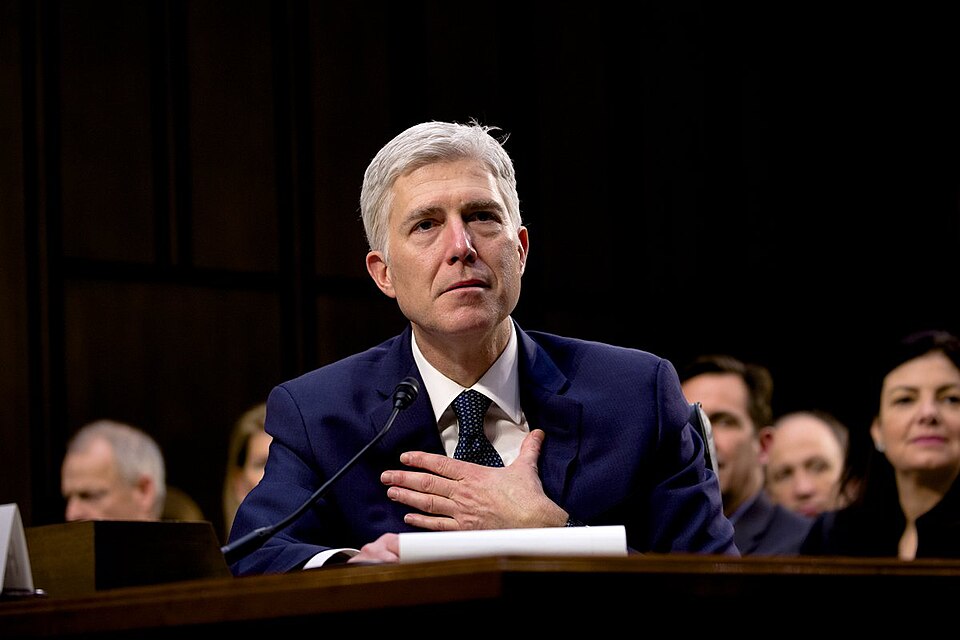
Supreme Court Justice Neil Gorsuch has publicly rejected the idea that justices owe loyalty to the presidents who appoint them, responding after President Donald Trump sharply criticized members of the high court over recent rulings against his administration.
In a new interview, Gorsuch said his allegiance is not to any political figure or ideology, but to the Constitution and the rule of law.
“My loyalty is to the Constitution, the laws of the United States,” Gorsuch said. “That’s the oath I took.”
The comments come amid growing tension between Trump and the Supreme Court following a major ruling earlier this year that struck down key portions of the president’s sweeping tariff policies.
Trump Targets Conservative Justices
Trump has increasingly lashed out at conservative justices who have ruled against his administration in high-profile cases.
In a social media post last month, the president argued that Democratic-appointed justices remain politically loyal to the presidents and ideologies that elevated them, while accusing some Republican-appointed justices of trying too hard to appear independent.
Trump’s criticism appeared directed in part at Gorsuch and Justice Amy Coney Barrett, both Trump appointees who joined the Supreme Court majority in the February ruling invalidating many of his tariffs.
The president complained that certain Republican-appointed justices were allowing themselves to be “pushed around” politically and lacked loyalty to the administration that nominated them.
The remarks reignited debate over judicial independence and the increasingly political scrutiny surrounding the Supreme Court.
Gorsuch Defends Judicial Independence
Gorsuch used the interview to defend the structure of the federal judiciary and the importance of lifetime appointments for Supreme Court justices.
He argued that life tenure exists specifically to insulate judges from political pressure, public opinion, and partisan demands.
“You’ve given nine old people life tenure,” Gorsuch said, explaining that the purpose is to allow justices to apply the law fairly without fear of retaliation or political influence.
He also dismissed criticism coming from across the political spectrum, saying outside opinions do not shape how he approaches cases.
“Do I care what people say left, right, center about me? Nah,” he said.
The comments reflect broader concerns about the public’s confidence in the Supreme Court, which has faced mounting political attacks from both Republicans and Democrats in recent years.
Pressure on the Court Has Intensified
The Supreme Court has become one of the most politically contentious institutions in Washington following several landmark rulings on abortion, executive power, voting rights, and presidential immunity.
Conservatives criticized the court after it blocked parts of Trump’s trade agenda and signaled skepticism toward his executive order seeking to end birthright citizenship.
At the same time, Democrats have accused the conservative-majority court of ideological overreach following decisions weakening parts of the Voting Rights Act and overturning Roe v. Wade.
Some Democratic lawmakers have renewed calls for major reforms, including term limits for justices and expanding the number of seats on the court.
Maryland Representative Johnny Olszewski recently proposed a constitutional amendment establishing 18-year term limits for Supreme Court justices, while other Democrats continue advocating for court expansion.
However, those proposals currently face steep political obstacles in Congress.
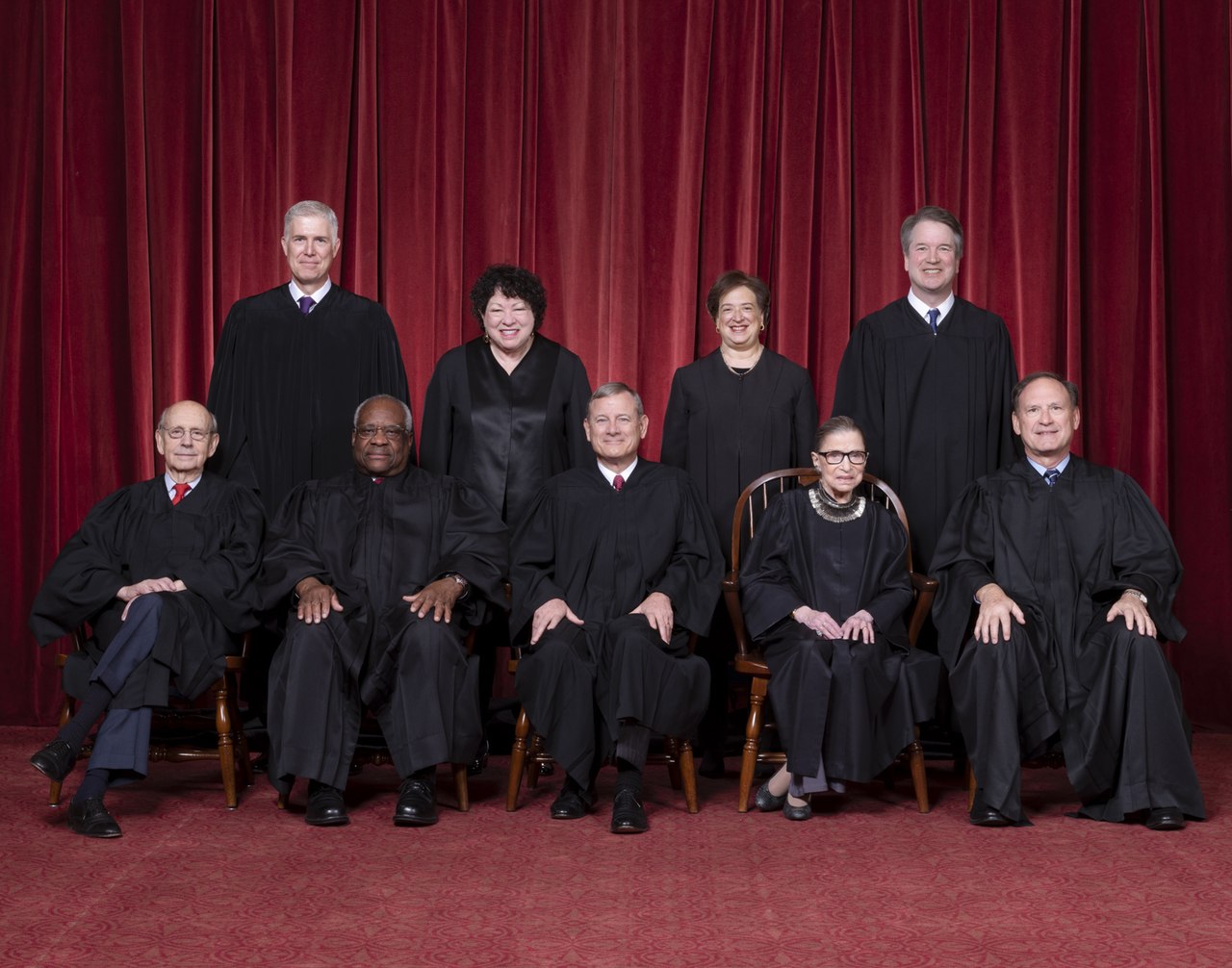
Gorsuch Warns Against ‘Tinkering’ With the Court
While acknowledging that reform debates are legitimate, Gorsuch cautioned against making major structural changes to the judiciary without fully understanding the long-term consequences.
He noted that the Supreme Court has operated with nine justices since 1869 and argued that the current system has generally functioned effectively.
“Make sure you know what you’re reforming before you tinker with it,” Gorsuch said.
“Once you start tinkering, you expect other people to tinker. And then where does it end?”
The justice’s remarks echo similar warnings previously made by both conservative and liberal members of the court, including late Justice Ruth Bader Ginsburg, who opposed expanding the number of justices.
A Rare Public Response From a Sitting Justice
Supreme Court justices rarely directly respond to political criticism from presidents or lawmakers.
Gorsuch’s comments therefore stood out as one of the clearest recent examples of a sitting justice publicly addressing attacks tied to his rulings.
The interview also coincided with the release of a new children’s book co-authored by Gorsuch and Janie Nitze titled Heroes of 1776: The Story of the Declaration of Independence.
The timing placed the justice back into the public spotlight just as debate over the Supreme Court’s role in American politics continues intensifying ahead of the 2026 election cycle.

Featured Image from: Office of Senator Luther Strange, Public domain, via Wikimedia Commons