

Russia and Ukraine are once again floating competing ceasefire proposals ahead of Victory Day celebrations in Moscow, highlighting both the growing fatigue of a prolonged war and the deep mistrust that continues to block any real peace breakthrough.
The latest developments come as the conflict stretches into its fourth year, with drone attacks, missile strikes, and shifting front lines continuing across both countries.
Russian President Vladimir Putin and Ukrainian President Volodymyr Zelensky are now publicly presenting different versions of what a temporary pause in fighting should look like, but analysts say the proposals may be driven as much by strategy and optics as genuine diplomacy.
Why Victory Day Matters to Russia
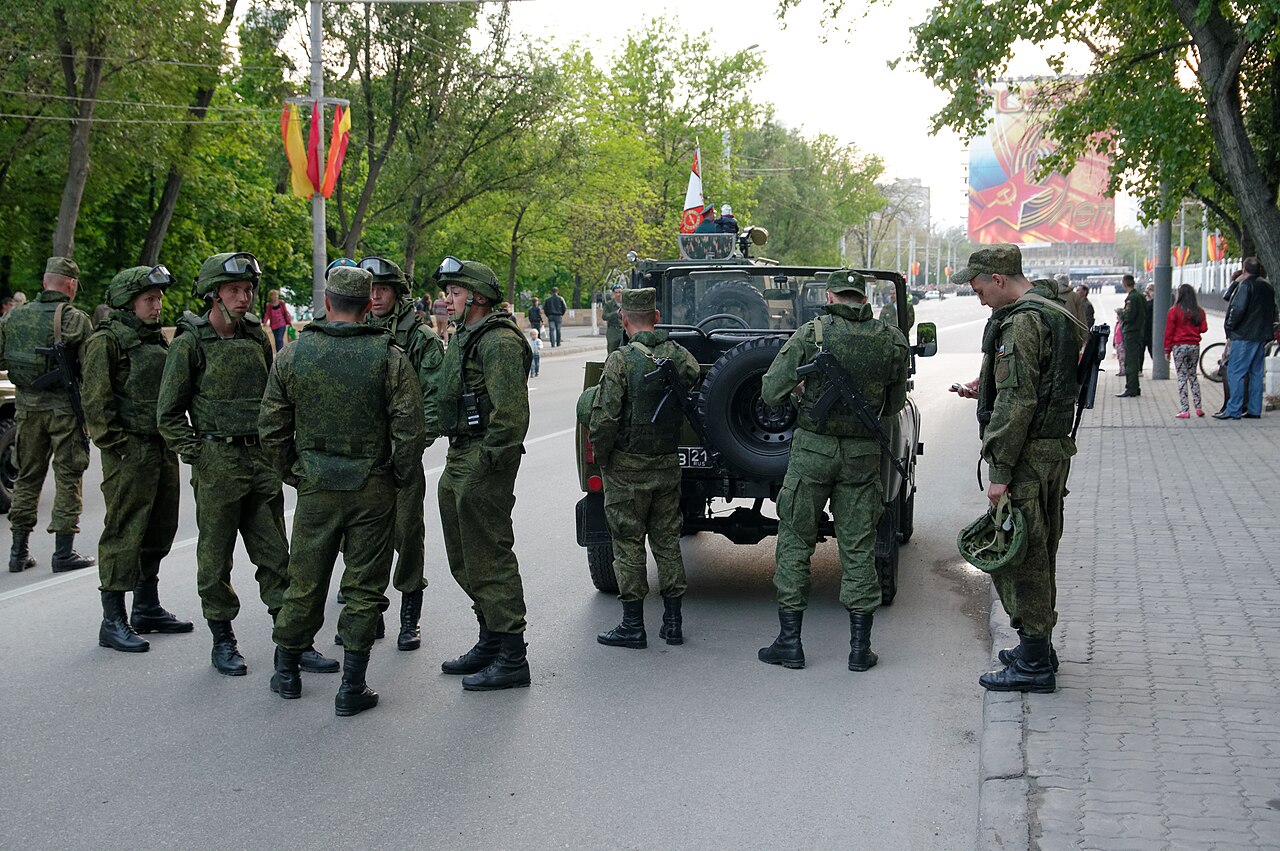
Victory Day on May 9 is one of the most symbolic dates on Russia’s political calendar, commemorating the Soviet Union’s role in defeating Nazi Germany during World War II.
For years, Putin has used the annual Red Square military parade to project strength, nationalism, and military power.
But this year’s event is expected to look very different.
Russian officials confirmed the parade will be significantly scaled back, with no large display of tanks, missiles, or heavy military equipment. The Kremlin has cited security concerns as Ukrainian drone strikes increasingly reach deep into Russian territory, including Moscow itself.
Ukraine has repeatedly demonstrated its growing long-range strike capabilities, targeting oil infrastructure, military airfields, and logistics hubs far from the front lines.
Recent attacks have reportedly disrupted internet services in Moscow as authorities attempt to reduce vulnerabilities tied to drone navigation systems.
Analysts say the Kremlin is eager to avoid any major disruption or embarrassment during one of Putin’s most politically important public events.
Competing Ceasefires, Different Goals
Russia’s Defense Ministry called for a ceasefire covering May 8 and May 9, framing the proposal around the Victory Day commemorations.
But Ukraine responded cautiously.
President Volodymyr Zelensky said Kyiv had not formally received an official Russian request and instead proposed its own ceasefire framework beginning earlier in the week.
Ukraine continues to push for a broader and unconditional pause in fighting, arguing that short symbolic truces are meaningless without serious negotiations.
Zelensky suggested that even a limited ceasefire could serve as a test for whether Russia is genuinely interested in reducing hostilities.
However, skepticism remains extremely high on both sides after multiple previous ceasefires collapsed almost immediately.
During earlier truces, both Moscow and Kyiv accused each other of thousands of violations, including drone attacks, artillery fire, and assault operations.
Ukraine’s Drone Campaign Is Changing the War
One of the biggest shifts in the conflict has been Ukraine’s expanding drone campaign inside Russia.
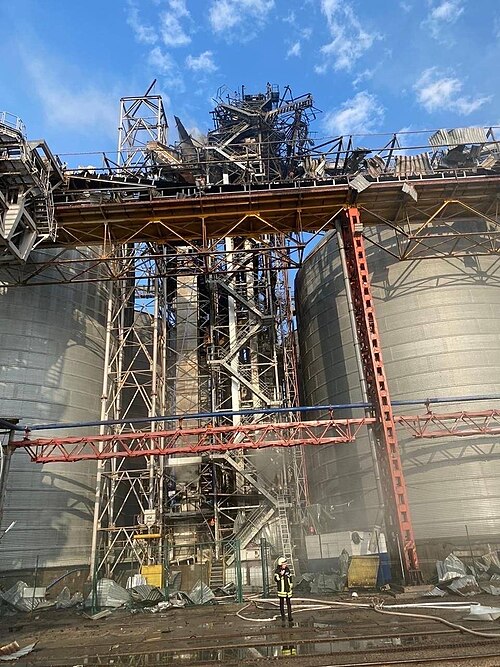
Ukrainian strikes have increasingly targeted military and energy infrastructure far from the battlefield, including oil refineries, export terminals, and strategic air bases.
A recent long-range drone attack reportedly struck Russia’s Shagol airfield in the southern Urals, damaging advanced fighter aircraft deep inside Russian territory.
Russian oil infrastructure has also faced repeated disruptions, including multiple attacks on facilities near the Black Sea.
Military analysts say these operations are placing increasing pressure on the Kremlin while also exposing vulnerabilities in Russia’s domestic defenses.
Why Analysts Doubt the Ceasefires Will Hold
Despite the public announcements, experts remain doubtful that either proposal will lead to meaningful de-escalation.
Richard Gardiner, a senior analyst at security consultancy S-RM, said previous failed truces have left little trust between the two sides.
Ukraine, he noted, likely views Russia’s Victory Day ceasefire proposal as largely symbolic and aimed at securing calm during Moscow’s military parade.
Exiled Russian opposition figure Mikhail Khodorkovsky argued that the ceasefire could benefit the Kremlin politically regardless of Ukraine’s response.
If Kyiv agrees, Russia gets temporary protection during a vulnerable moment.
If Ukraine refuses, Moscow can accuse Kyiv of rejecting peace efforts.
Meanwhile, fighting on the battlefield continues largely unchanged.
Russian forces remain focused on eastern Ukraine, particularly around the heavily contested Donbas region and the so-called “Fortress Belt” defensive line.
The Institute for the Study of War says Moscow’s broader strategic objectives remain unchanged, including securing full control over occupied areas in eastern Ukraine.
The War’s Momentum Remains Unclear
Even as ceasefire talks dominate headlines, neither side appears close to a decisive military breakthrough.
Recent battlefield data suggests Russia lost more territory than it gained in April for the first time since Ukraine’s 2023 counteroffensive, although Moscow continues to pressure multiple sectors of the front line.
At the same time, Ukraine faces ongoing missile and drone attacks on cities and infrastructure, including deadly strikes in Kharkiv and Dnipro.
The broader diplomatic environment has also become more complicated.
U.S.-led efforts to broker negotiations have slowed amid growing instability in the Middle East and increasing global tensions tied to Iran and the Strait of Hormuz.
Russian Foreign Minister Sergey Lavrov recently signaled that negotiations with Ukraine are not currently Moscow’s priority.
What Happens Next
For now, the ceasefire proposals appear less like a path to peace and more like another phase in the political and psychological battle surrounding the war.
Both leaders are trying to shape international perception while continuing military operations on the ground.
Putin wants to preserve the symbolism of Victory Day without disruption.
Zelensky wants to demonstrate that Ukraine remains open to peace while maintaining pressure on Russia militarily.
Whether either side is prepared for a genuine long-term ceasefire remains deeply uncertain.
Featured image from: Kremlin.ru, CC BY 4.0, via Wikimedia Commons