
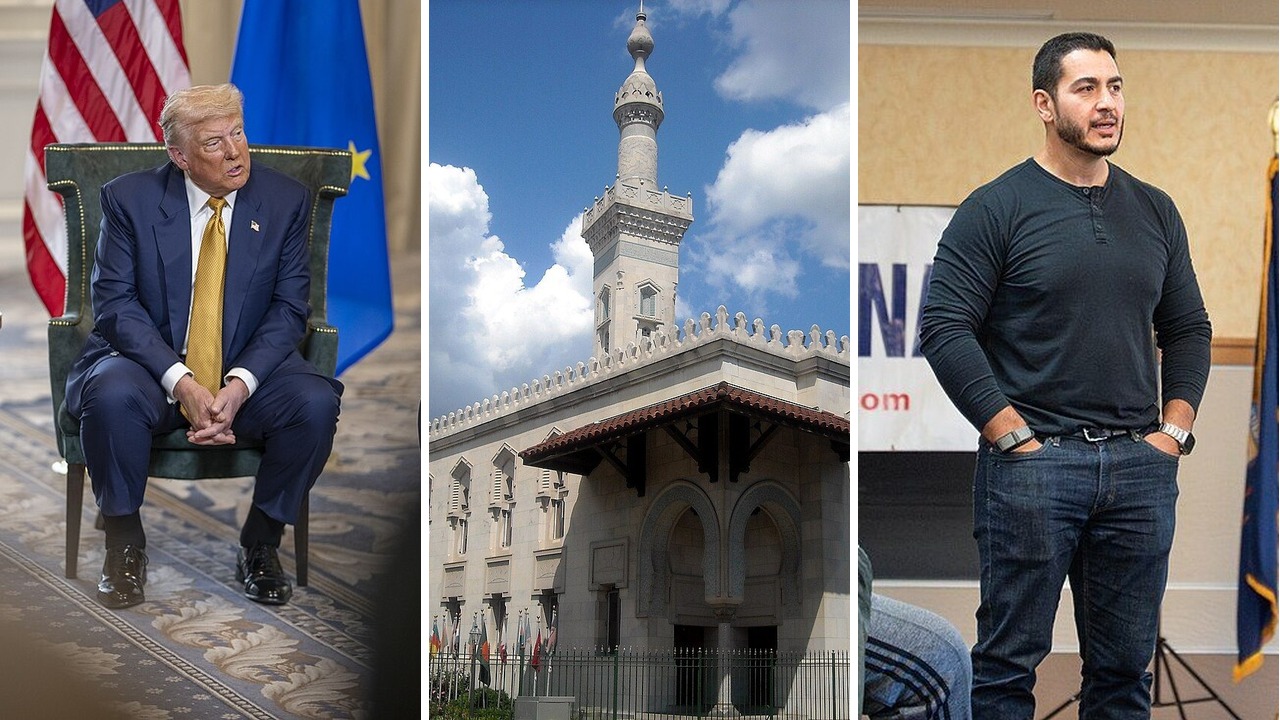
Trump calls Michigan’s Senate nominee a Muslim Brotherhood member, the latest in a year of Republican rhetoric about Islam
President Donald Trump said Thursday that Abdul El-Sayed, Michigan’s Democratic nominee for the U.S. Senate, is a member of the Muslim Brotherhood, telling a White House audience, “He hates our country,” The National News Desk reported. El-Sayed, who would be the first Muslim elected to the Senate, denies any ties to the group.
The remarks come as views of Islam on the right have hardened. In a Pew Research Center study published in September, 76% of Republicans and Republican-leaning independents said Islam is more likely than other religions to encourage violence, compared with 29% of Democrats.
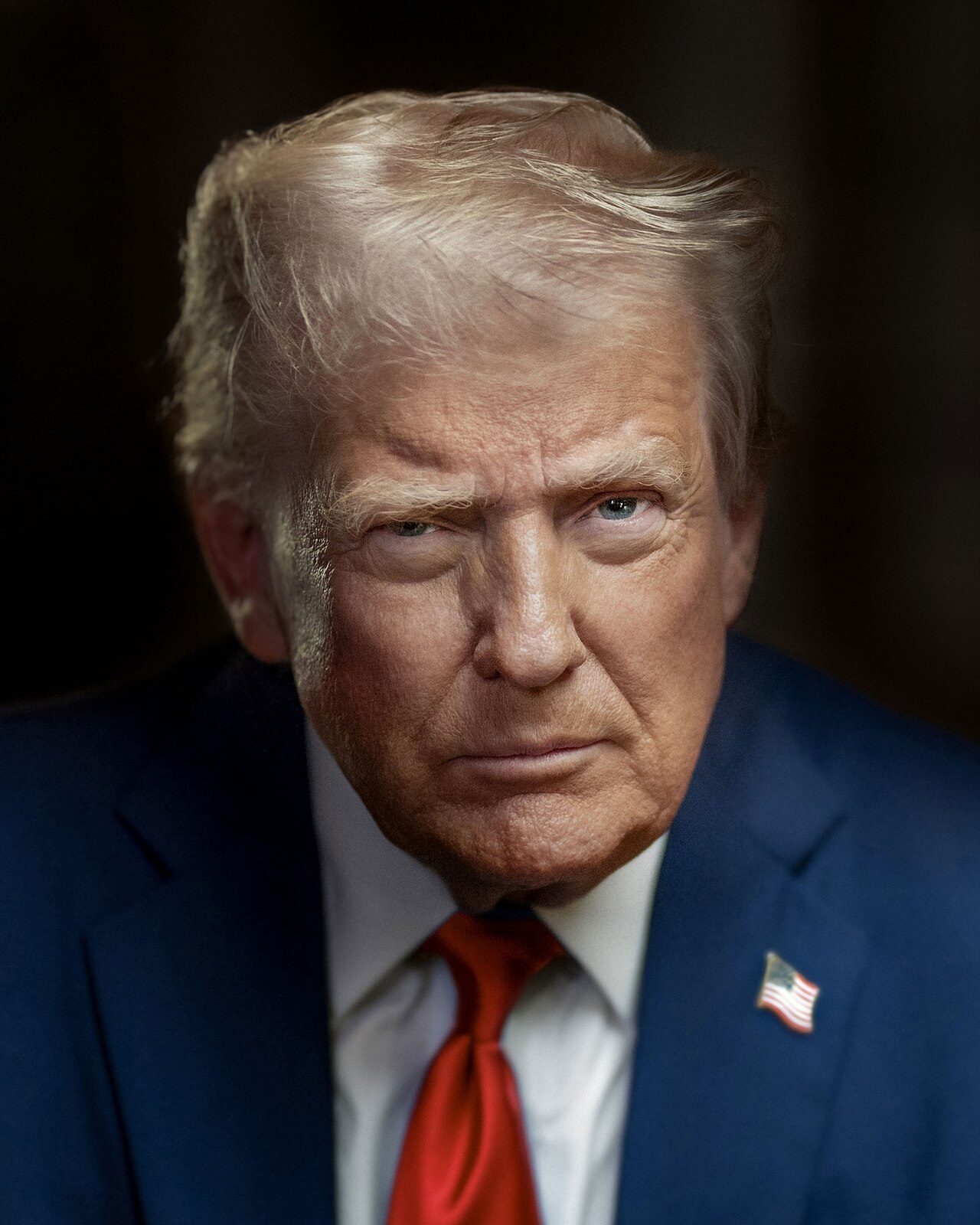
Trump Targets El-Sayed Over Muslim Brotherhood Claims
“He’s a Muslim Brotherhood guy, 100%,” Trump said during a lunch in the White House Rose Garden, Fox News reported. He also called El-Sayed a fraud and a con man.
Republicans have pointed to 2012 social media posts by El-Sayed’s half-sister, Eman Abdelhadi, who wrote that their mother was active in the Muslim Brotherhood in Egypt during the 1970s.
El-Sayed has repeatedly denied the claims. “I have no ties; we have no ties,” he said on NBC’s Meet the Press. His campaign has called similar Republican attacks false and Islamophobic.
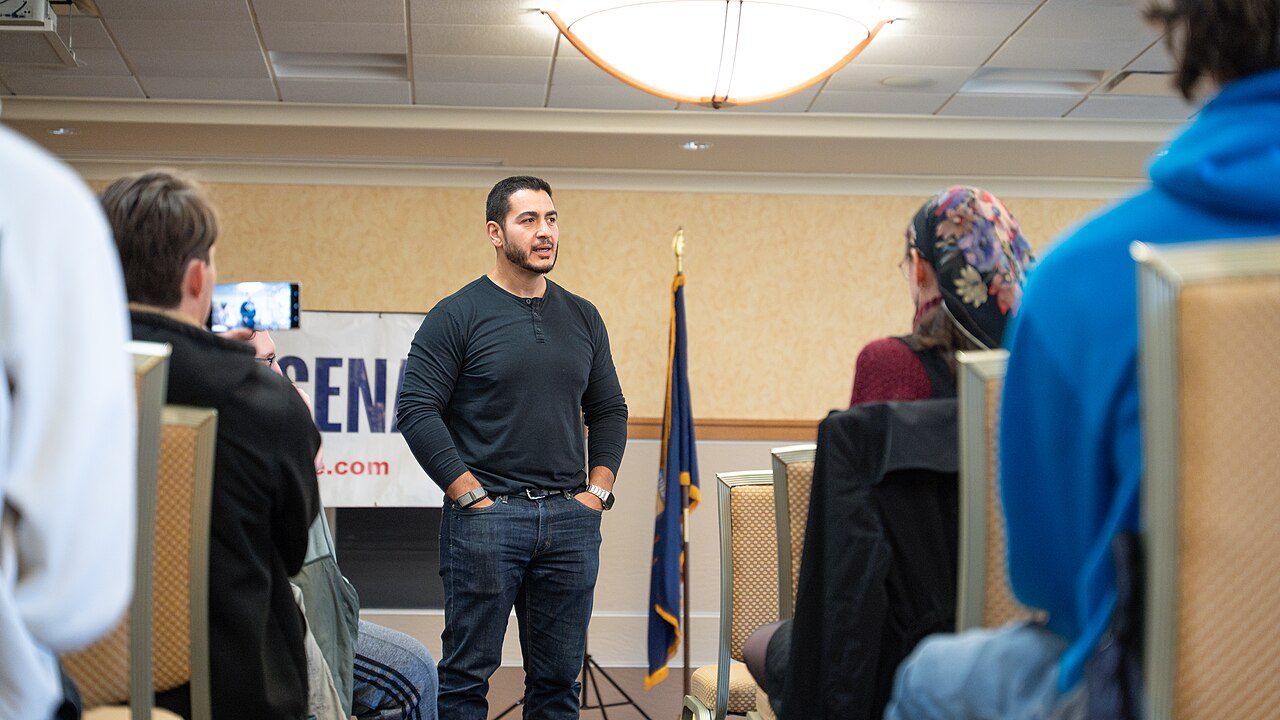
He said the “only strategy” of his Republican opponent, former Rep. Mike Rogers, “is to point to me and my name and my faith and to say that we’re different.” Rogers has said El-Sayed “gets money from people who openly support Hamas, Hezbollah, al-Qaeda,” according to The National News Desk.
The race is expected to help decide control of the Senate in the November midterm elections.
Republican Lawmakers Escalate Anti-Muslim Posts
Trump’s remarks follow months of sharper rhetoric about Islam from Republicans in Congress. In March, Rep. Andy Ogles of Tennessee posted, “Muslims don’t belong in American society,” adding, “Pluralism is a lie,” NPR reported.
That same week, Rep. Randy Fine of Florida wrote, “We need more Islamophobia, not less. Fear of Islam is rational.” Rep. Brandon Gill of Texas posted, “No more Muslims immigrating to America,” according to NBC News.
Sen. Tommy Tuberville of Alabama shared a photo of the Sept. 11 attacks beside one of New York City Mayor Zohran Mamdani, with the caption “The enemy is inside the gates.”
The posts followed the war with Iran and several attacks on U.S. soil that authorities linked to ISIS.
House Speaker Mike Johnson said there is “a lot of popular sentiment that the demand to impose Sharia law in America is a serious problem.” He added, “It is not about people as Muslims.” Sharia, a religious framework, has no standing over the U.S. Constitution.
Rep. Shri Thanedar, a Michigan Democrat, introduced a resolution to censure Ogles. Ogles told NBC News, “Speaking truth and facts about Islam is protected speech.”
Trump’s Long Record on Islam
Trump’s own statements on Islam go back to his first campaign. In December 2015, after the San Bernardino shootings, he called for “a total and complete shutdown of Muslims entering the United States until our country’s representatives can figure out what is going on,” NPR reported at the time.
At a rally that night, he said, “Yes, we have to look at mosques, and we have to respect mosques.”
In March 2016, Trump told CNN’s Anderson Cooper, “I think Islam hates us,” CNN reported. Asked about radical Islam, he said, “It’s very hard to define. It’s very hard to separate. Because you don’t know who’s who.”
In June 2025, a presidential proclamation fully restricted entry from 12 countries, including Afghanistan, Iran, Libya, Somalia, Sudan and Yemen. It says admitted foreigners must not “bear hostile attitudes toward its citizens, culture, government, institutions, or founding principles.”
After the attacks this March, Trump said of the suspects in a Fox Radio interview, “They’re sick people, and a lot of them were let in here,” NBC News reported.
What Polls Show About Views of Islam
Pew found that 51% of U.S. adults said early this year that Islam is more likely than other religions to encourage violence, up from 25% in March 2002.
The partisan gap has widened. Shortly after 9/11, 32% of Republicans and 23% of Democrats held that view, according to Pew, which said the smaller gap may reflect President George W. Bush calling Islam a religion of peace.
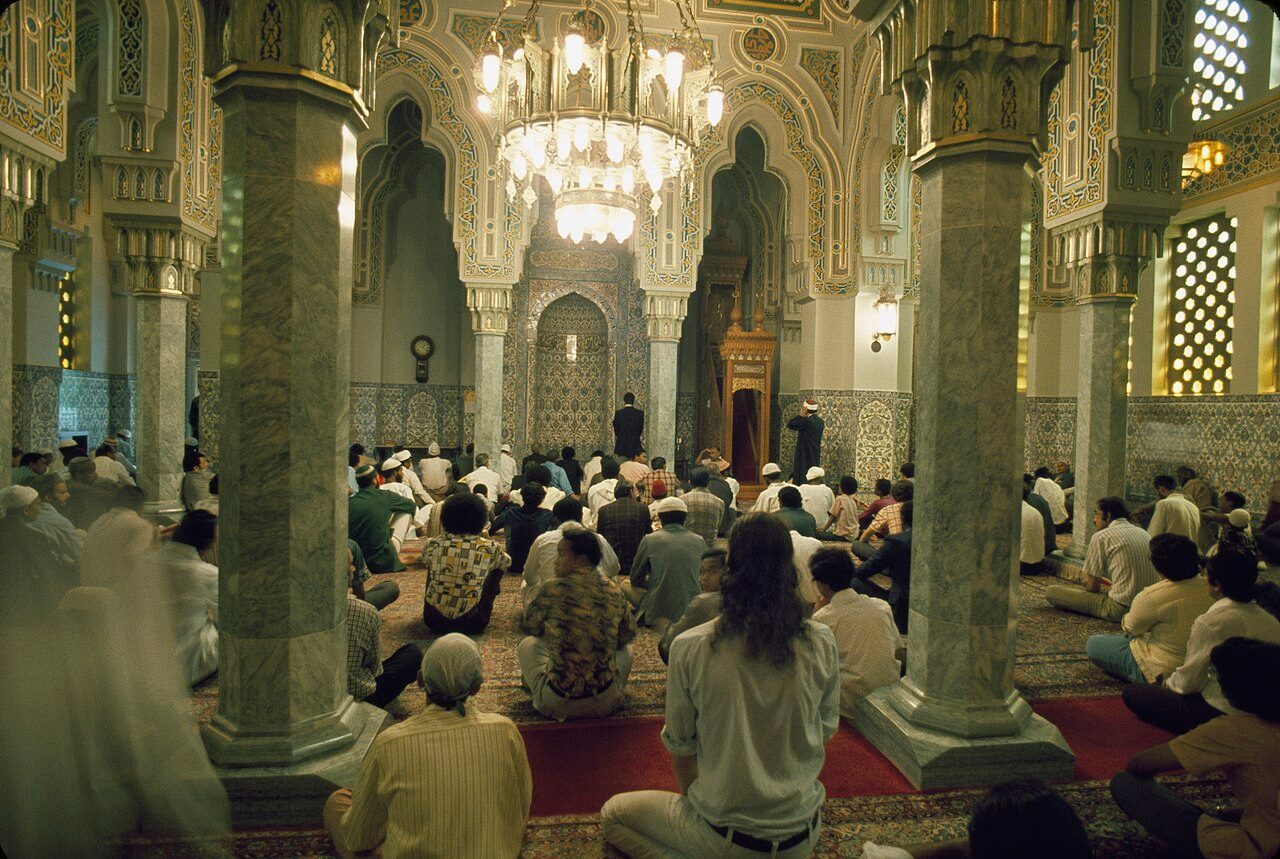
Days after the attacks, Bush visited the Islamic Center of Washington and said, “Islam is peace.”
Pew also found that 43% of Americans say Muslims are less patriotic than other Americans, and 42% say Muslim Americans are having a negative impact on the country.
About 5.5 million Muslims live in the U.S., up from 2.4 million in 2007, Pew estimates. FBI counts of anti-Muslim hate crimes jumped from 28 in 2000 to 481 in 2001 and have never returned to pre-9/11 levels, according to Pew.
Muslim Voters and the MAGA Coalition
The rhetoric sits alongside Trump’s gains with Muslim voters. In 2024, Mayor Amer Ghalib of Hamtramck, a Michigan city with an all-Muslim council, endorsed Trump, who campaigned there and in Dearborn, NPR reported.
“Our community is conservative,” Ghalib told NPR. “They care about raising their kids the way they want, not letting others implement some values that conflict with our values.”
Pew counts four Muslim members of Congress, including Rep. Ilhan Omar, with a fifth about to join.
Gregg Nunziata, executive director of the Society for the Rule of Law, called the failure to condemn the March posts politically shortsighted. “The MAGA movement and the coalition that elected Donald Trump itself was pluralistic,” he told NPR.
A few Republicans objected to Ogles’ post. Rep. Nicole Malliotakis of New York told NPR, “Freedom of religion is a pillar of our nation and broad brush statements like this are offensive and completely inappropriate.”
Religious Freedom and Accommodations
The debate has reached immigration detention, already part of the fight over ICE reforms. In July, Rep. Nellie Pou of New Jersey and 27 other House Democrats wrote to Homeland Security Secretary Markwayne Mullin about reports that Muslim detainees were denied Qurans, prayer mats, hijabs and halal meals.
“Individuals practicing their faith must be given reasonable accommodations,” the lawmakers wrote. They cited ICE’s own standards, which require “reasonable and equitable opportunities to participate in the practices of their respective faiths.” All 28 signers are Democrats.
Sabina Mohyuddin of the American Muslim Advisory Council in Tennessee said the focus on Sharia plays on unfamiliarity. “Because people don’t really know or have any idea what Sharia law is, it’s the boogeyman,” she told NPR.
Featured image from: AgnosticPreachersKid, CC BY-SA 3.0, via Wikimedia Commons