
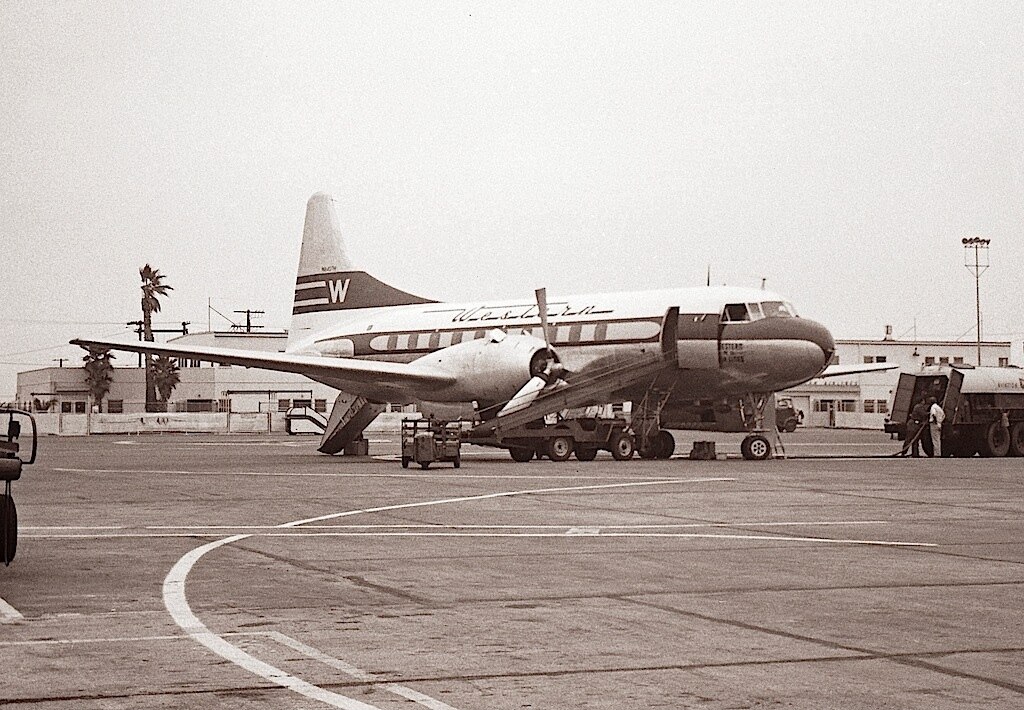
The 1977 crash that killed Ronnie Van Zant, Steve Gaines, and Cassie Gaines remains one of rock music’s most devastating tragedies.
A Routine Flight That Turned Into Horror
On October 20, 1977, Lynyrd Skynyrd boarded a Convair CV-240 in Greenville, South Carolina, expecting a short flight to Baton Rouge. The band was in the middle of a tour promoting their new album Street Survivors. Within hours, the plane would be in pieces across a Mississippi swamp, and southern rock would lose three of its most defining voices.
The aircraft had already raised concerns. Band members had seen flames shoot from the right engine on the flight to Greenville, and several expressed fear about flying on it again. Backing vocalist Cassie Gaines reportedly did not want to board. Guitarist Allen Collins was uneasy. Keyboardist Billy Powell later told VH1, “Our wives, everyone were afraid for us to get on this thing, but we didn’t know any better.”
Ronnie Van Zant, however, insisted the show must go on. According to guitarist Gary Rossington, Van Zant said:
“Hey, if the Lord wants you to die on this plane, when it’s your time, it’s your time. Let’s go, man. We’ve got a gig to do.”
It would be his last flight.
A Plane Running Out of Time , and Fuel
Less than three hours after takeoff, trouble returned. Once again, flames were seen shooting from the right engine. But instead of landing at the nearest airport, the pilots continued toward Louisiana.
Drummer Artimus Pyle recalled to Forbes in 2021:
“We knew after the fire shot out of the right engine that we had a problem… But they didn’t land. They made several fatal decisions.”
As fuel levels dropped, the pilots finally attempted an emergency landing. It was already too late. The plane descended through the trees, wings tearing against branches.
Pyle remembered the violent chaos:
“The impact was like a thousand people with baseball bats repeatedly beating on the side of the fuselage… The whole thing lasted about 12 seconds. That’s a long time to be crashing.”
At 6:52 p.m., the aircraft hit the ground near Gillsburg, Mississippi.
The Devastating Toll
Six people died instantly or shortly after impact:
- Ronnie Van Zant – lead vocalist
- Steve Gaines – guitarist
- Cassie Gaines – backup vocalist
- Dean Kilpatrick – assistant road manager
- Walter McCreary – pilot
- William Gray – co-pilot
Twenty others survived, but none escaped injury.
Billy Powell described the aftermath:
“I remember hearing Leon [Wilkeson] screaming, ‘Get me out of here.’ People that were still in the fuselage were trapped by seats and debris and metal and stuff.”
Pyle, despite cracked ribs, crawled from the wreckage and managed to find help. He stumbled into the yard of a nearby farmer, Johnny Mote, collapsing as he uttered two words: “Plane crash.”
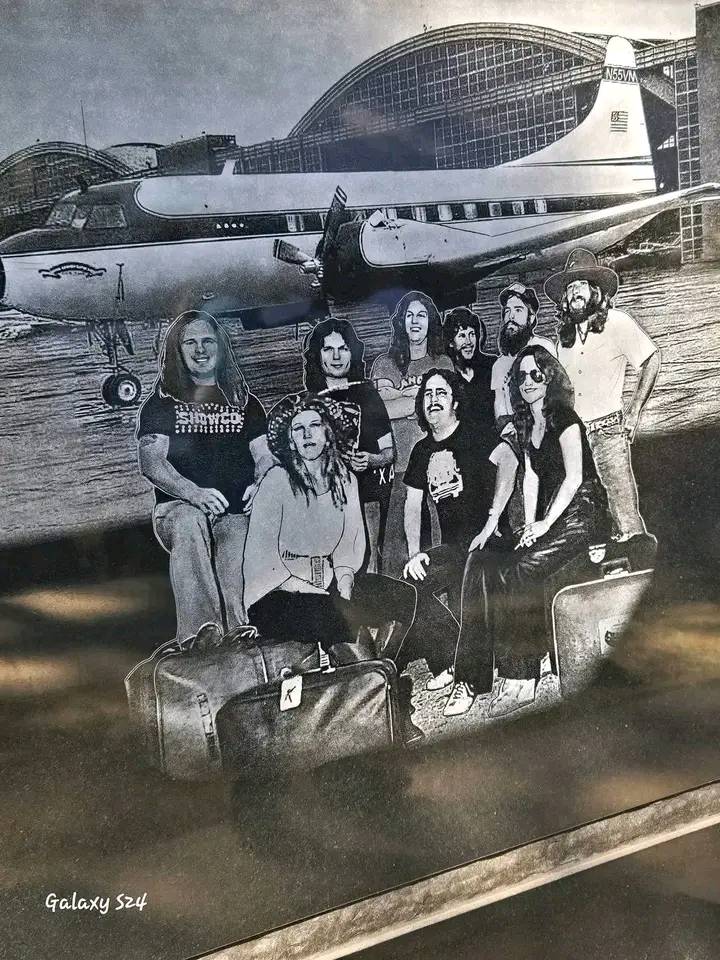
NTSB Findings: A Preventable Disaster
The National Transportation Safety Board determined that the crash resulted from fuel exhaustion and loss of engine power, concluding that the pilots had been “either negligent or ignorant” in monitoring fuel levels.
According to the report, the plane had taken on 400 gallons of fuel, far too little given the existing engine troubles. The right engine was leaking fuel and burning at an accelerated rate. Had the crew noticed this early, they could have rerouted and refueled.
One grim twist: the lack of remaining fuel prevented the plane from erupting into a fireball on impact, saving many lives.
But the tragedy was, in every measurable way, avoidable.
Lynyrd Skynyrd Before the Crash
Formed in Jacksonville, Florida in the mid-1960s, Lynyrd Skynyrd built its identity on gritty southern rock anchored by Ronnie Van Zant’s voice and lyrics. The original lineup included:
- Ronnie Van Zant – lead vocals
- Gary Rossington – guitar
- Allen Collins – guitar
- Larry Junstrom – bass
- Bob Burns – drums
By the 1970s, the band expanded with Leon Wilkeson, Billy Powell, and guitarist Ed King. In 1976, rising talent Steve Gaines joined, quickly becoming a standout musician. The group’s hits, “Sweet Home Alabama,” “Free Bird,” “Gimme Three Steps,” and more, cemented their place in rock history.
The release of Street Survivors on October 17, 1977, just three days before the crash, made the tragedy even more haunting. The album’s original cover depicted the band engulfed in flames. It was quickly changed after the accident.
The Crash’s Immediate Aftermath
In the months following the tragedy, the surviving members attempted to regroup emotionally and professionally. Injuries were severe. Rossington and Collins required extended recovery. The psychological toll was even deeper.
Efforts to create a new band configuration dissolved under grief, trauma, and personal challenges.
For many fans, the crash marked the end of an era. Southern rock had lost one of its most influential voices at the height of its power.
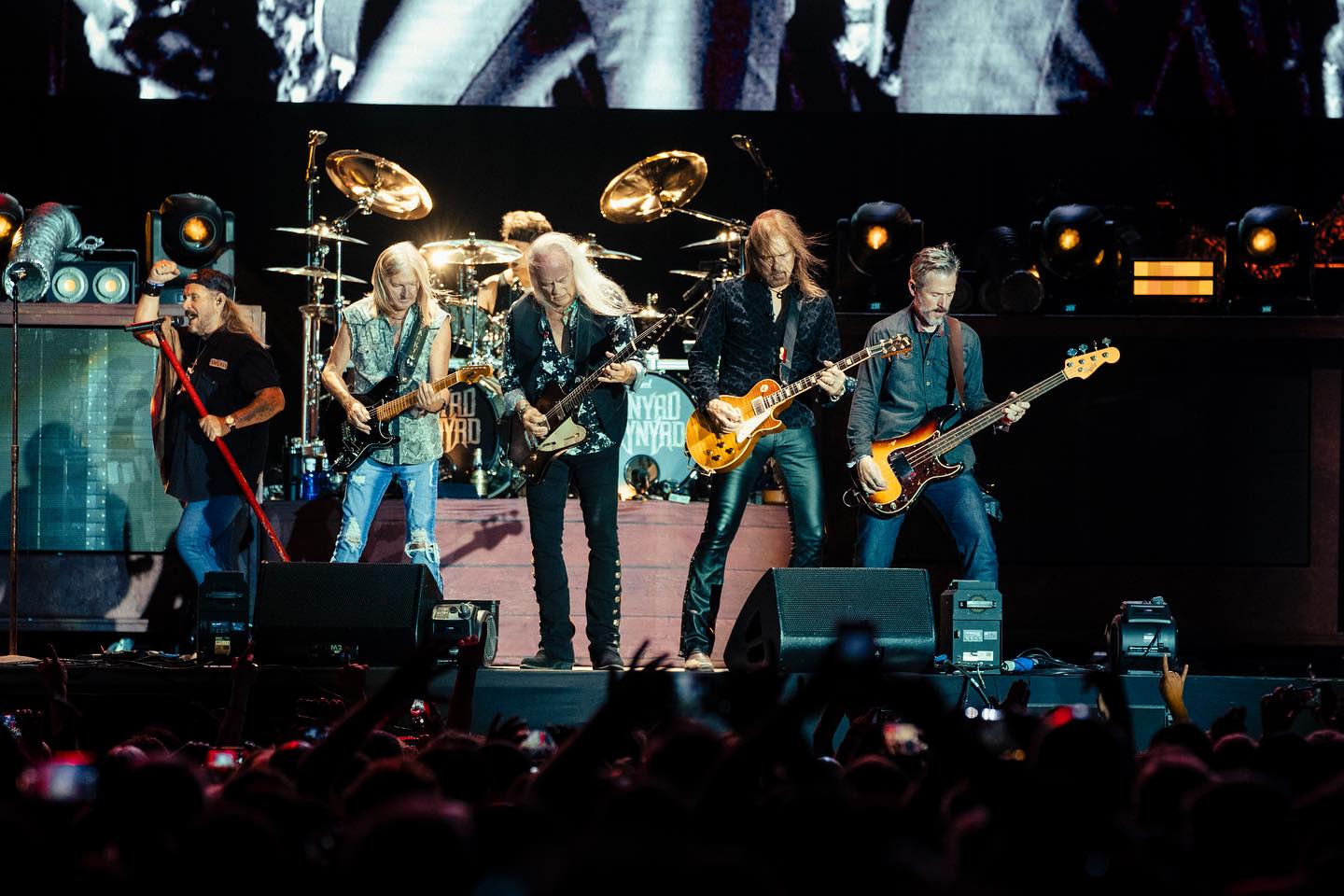
The Band’s Rebirth: A Decade Later
Ten years after the crash, the surviving members reunited for a tribute tour. Ronnie’s younger brother, Johnny Van Zant, stepped in as vocalist. What began as a tribute gradually evolved into a full revival of Lynyrd Skynyrd.
Over the next four decades, the band continued to tour and release music. But the legacy of October 20, 1977, remained part of their identity, an unshakable reminder of the price of that day.
Artimus Pyle once shared a memory that still resonates with fans:
“Ronnie knew his destiny… He told me he would never live to see 30, and that he would go out with his boots on.”
Van Zant died at 29.
Understanding Why the Crash Still Echoes Through Music History
The Lynyrd Skynyrd plane crash remains a defining event in rock history for several reasons:
1. It ended the band’s original era at its artistic peak
Just as their music reached new heights, half of the core lineup was suddenly gone.
2. It reinforced the dangers musicians faced during heavy touring
The crash occurred during a period when many bands traveled in older, less-regulated aircraft.
3. It became a turning point in aviation oversight for touring acts
In the years that followed, scrutiny increased around chartered flights for musicians and performers.
4. It shaped the mythology surrounding southern rock
Like Buddy Holly, Otis Redding, and later Stevie Ray Vaughan, tragedy became part of the narrative.
5. Fans remain deeply connected to the band’s legacy
Annual memorials, documentaries, and tributes reflect enduring respect for the musicians lost.
How Fans Continue to Honor Lynyrd Skynyrd
Across social media, commemorations appear every October. Fans post photos, lyrics, and personal stories about what Lynyrd Skynyrd’s music means to them. Memorial events are held in Jacksonville and Mississippi. The crash site has also become a quiet place of pilgrimage for dedicated followers.
A typical fan sentiment:
“Their music got me through some of the hardest times in my life.”
(Not a direct quote from the reference article, so not placed in quotation marks as a sourced quote.)
A Legacy Built on Music, Brotherhood, and Loss
More than four decades later, the Lynyrd Skynyrd plane crash remains one of the most tragic moments in rock history, not just for the lives lost, but for the immense potential cut short.
Yet the music endures. Free Bird still fills stadiums. Sweet Home Alabama remains an anthem across generations. And the story of the band, its rise, its loss, and its rebirth, continues to resonate.
For many fans, Lynyrd Skynyrd wasn’t just a band.
It was a soundtrack to American life, one that still echoes long after the night the music fell silent in a Mississippi swamp.
Featured Image from: Jon Proctor (GFDL 1.2 or GFDL 1.2), via Wikimedia Commons