
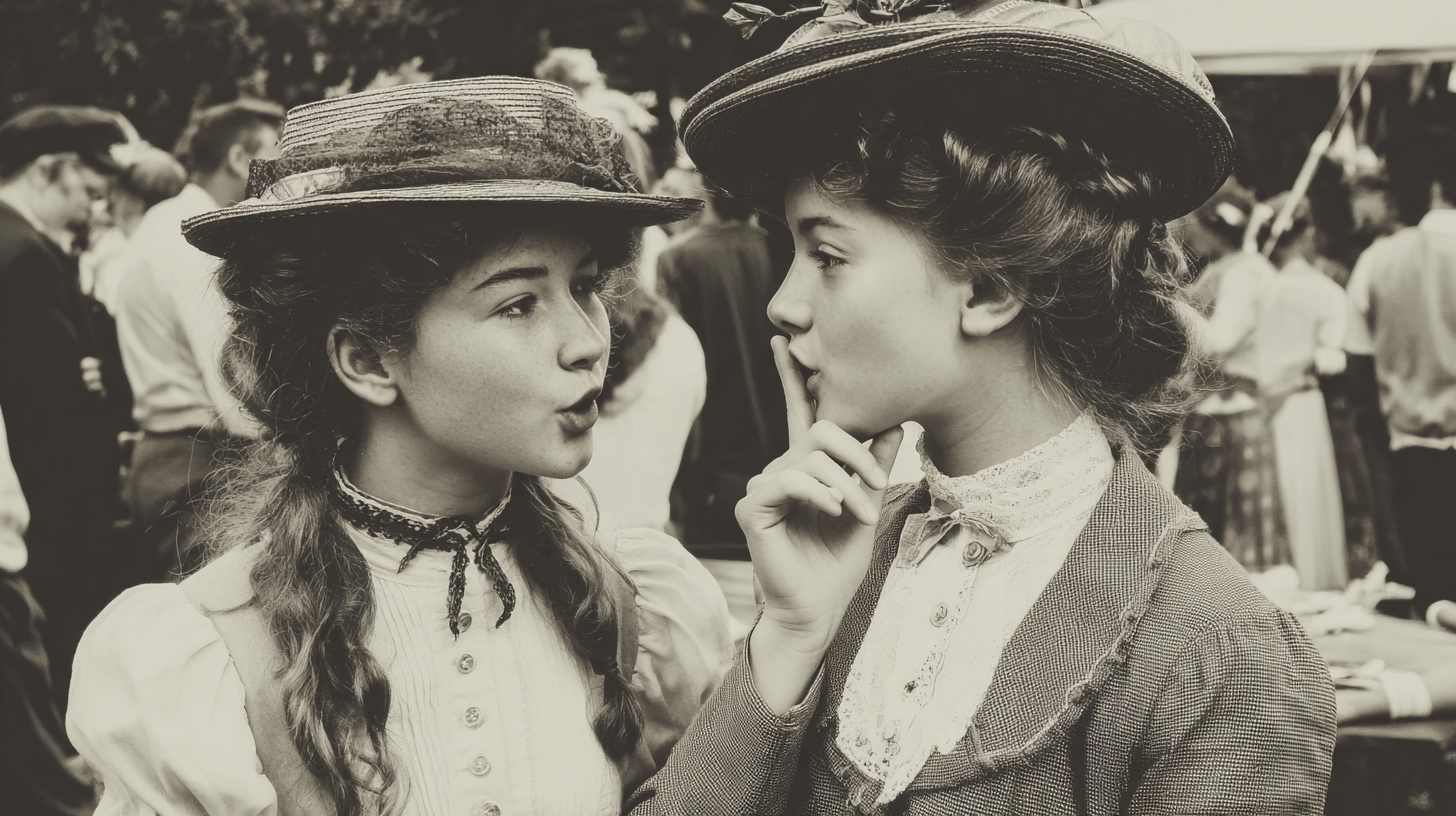
Before TMZ, Twitter, and tell-all memoirs, the rich and powerful still had secrets, and some of them were truly wild.
Long before celebrity gossip became a 24/7 industry, rumors still swirled around the world’s most famous figures. Movie stars, presidents, poets, and cultural icons all carried whispered scandals that couldn’t safely be printed at the time. Newspapers feared lawsuits. Studios feared damaged images. Governments feared chaos.
But time has a way of loosening tongues.
As decades passed, classified documents were unsealed, private letters were published, and biographers started asking questions no one had dared to ask before. What emerged were stories so shocking they sound almost unbelievable, except that many are now backed by historical records, firsthand accounts, or serious scholarly debate.
Here are 10 of the most scandalous secrets from history that stayed hidden for years, and in some cases, nearly took their subjects’ reputations to the grave.
1. The Movie Star and the Schoolboys
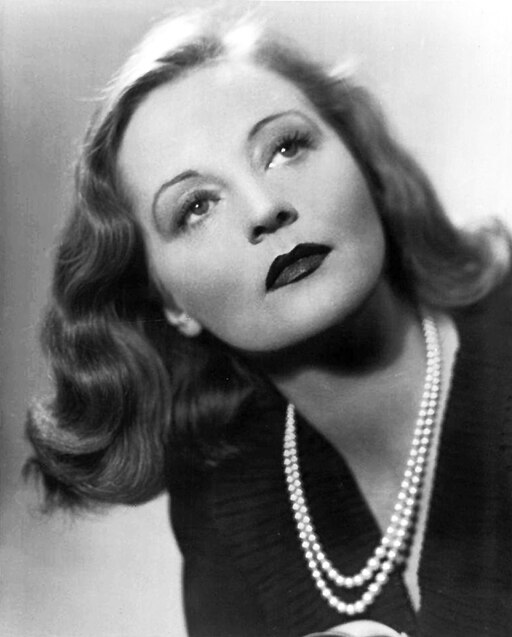
Tallulah Bankhead was never known for modesty. The Broadway and Hollywood star famously described herself as “as pure as the driven slush,” and her sexual openness was legendary even by Jazz Age standards.
But while performing in London’s West End in 1928, rumors spread that crossed a line even for her. Whispers claimed the 26-year-old actress was sneaking teenage boys from the elite Eton College into her hotel room for sexual encounters, even allegedly smuggling one out hidden under a rug in her car.
At the time, it was too explosive to print. The story stayed buried until 2000, when Britain’s Public Record Office released MI5 files confirming that intelligence officials had investigated the allegations. According to those documents, the rumors were real. The headmaster reportedly expelled six boys, including the son of a Lord.
Bankhead escaped public consequences, but history eventually caught up.
2. Did America Already Have a Gay President?
James Buchanan, the 15th president of the United States, remains the only lifelong bachelor ever elected to the White House. He never married, but he did share a deeply intimate relationship with Senator William Rufus King of Alabama.
The two men lived together for years, attended social functions as a pair, and were widely gossiped about in Washington. Political insiders mockingly nicknamed King “Miss Nancy.” When King was sent abroad as a diplomat, Buchanan wrote letters lamenting his loneliness and describing how empty his home felt without him.
No 19th-century newspaper dared to say more. But modern historians have revisited those letters, along with unusually blunt contemporary gossip, and many now believe Buchanan and King were romantic partners.
Institutions like the Smithsonian have openly acknowledged the possibility, raising the question: was the United States’ first gay president hiding in plain sight?
3. Hollywood’s Swashbuckler… and a Nazi Spy Ring?
Errol Flynn’s reputation as a hard-drinking womanizer was well earned. But in the 1980s, a far darker allegation emerged: that the star of The Adventures of Robin Hood may have secretly aided Nazi intelligence.
Biographer Charles Higham claimed newly released FBI and State Department documents showed Flynn was close friends with Hermann Erben, a confirmed German spy. Higham alleged Flynn helped Erben secure travel documents and move through Europe during the Spanish Civil War, when Nazi Germany backed fascist forces.
There was never a single document proving Flynn was a formal Nazi agent, and the FBI never charged him. His family strongly denied the claims, and lawsuits followed.
The truth remains murky. Flynn was surveilled during World War II, but whether he was reckless, naïve, or complicit is still debated.
4. Did a Baseball Legend Kill a Man?
Ty Cobb was one of the greatest hitters in baseball history, and one of its most notoriously unpleasant personalities. Violent, racist, and frequently arrested, Cobb cultivated an image that made almost any rumor believable.
One of the most persistent claimed he killed a man during a roadside altercation when three strangers allegedly tried to ambush him. The story followed Cobb for decades and was cemented in the public imagination by biographer Al Stump, who portrayed Cobb as barely restrained and dangerously unstable.
The problem? No police report. No court case. No contemporary newspaper account. No body.
Later investigations revealed Stump fabricated or exaggerated many of his claims and even sold fake Cobb memorabilia. Historians now agree the murder story is almost certainly false, though Cobb’s documented behavior remains damning enough without it.
5. Cosmetic Surgery Before Hollywood Admitted It Existed
Marlene Dietrich’s face was one of the most iconic in cinema history, sharp cheekbones, sculpted features, and an almost unreal elegance. Rumors long suggested that her beauty wasn’t entirely natural.
While hard proof of surgical procedures is lacking, Dietrich openly used extreme techniques to shape her appearance. She reportedly pulled her skin back with tape, pins, or needles hidden in her hairline. Other rumors claim she had molars removed to hollow her cheeks, an early version of modern buccal fat removal, and possibly underwent rhinoplasty decades before it became common.
Whether rumor or reality, Dietrich’s relentless control over her image helped define Hollywood glamour for generations.
6. Hollywood’s Quiet Erasure of Rita Hayworth’s Heritage
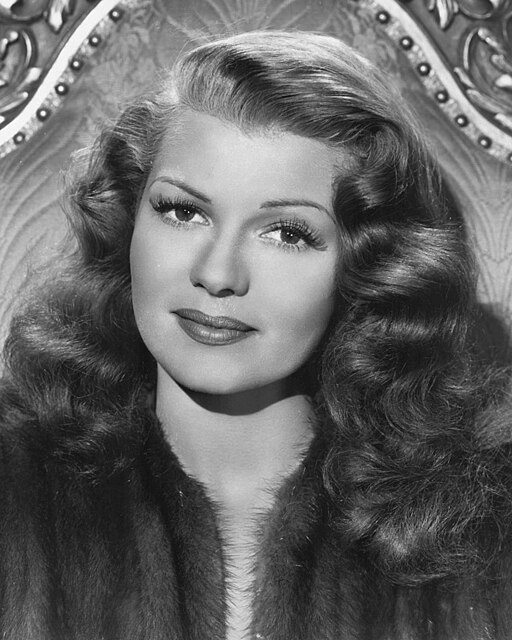
Rita Hayworth, born Margarita Cansino, was one of Hollywood’s most famous bombshells, but her rise came at a cost. Studio executives believed her Spanish heritage made her insufficiently “white” for leading roles.
According to multiple biographies, Columbia Pictures arranged years of painful electrolysis treatments to permanently raise her hairline and soften her features. The process caused swelling and scarring, concealed through makeup and lighting.
At the time, it was framed as a “beauty transformation.” Decades later, historians recognized it as a brutal example of Hollywood forcing performers of color to erase their identities to fit racist beauty standards.
7. A Poet, His Half-Sister, and a Child No One Could Explain
Lord Byron was a literary rock star of the early 19th century, and a magnet for scandal. But the most shocking rumor about him was almost too much even for Regency England: that he had an incestuous relationship with his half-sister, Augusta Leigh.
The gossip intensified when Augusta gave birth to a daughter in 1814. Newspapers avoided the subject, but private letters exploded with speculation. Byron’s rushed marriage soon after did little to quiet suspicions, and his wife later confided that she believed the incest rumors were true.
By 1816, the scandal became unbearable. Byron fled England and never returned. Historians still debate the truth, but the rumor alone was powerful enough to exile one of Britain’s greatest poets.
8. Judy Garland and Hollywood’s Darkest Control
MGM worked tirelessly to preserve Judy Garland’s “girl next door” image, even as it destroyed her personal life.
For years, whispers circulated that the studio pressured Garland into secret abortions to avoid pregnancies that would damage her wholesome persona. At the time, nothing could be printed.
After her death, multiple biographies confirmed the rumors through interviews with people close to Garland. MGM also supplied her with amphetamines to endure long shoots and sedatives to sleep, a cycle that fueled lifelong addiction.
The image America adored came at an unbearable cost.
9. Lewis Carroll and the Question That Won’t Go Away
Lewis Carroll, author of Alice’s Adventures in Wonderland, cultivated close friendships with young girls and photographed many of them, sometimes nude, with parental permission.
Even during his lifetime, gossip circulated about his relationship with Alice Liddell. Modern critics have gone further, with some labeling Carroll a “repressed pedophile.”
Historians counter that Victorian attitudes toward childhood and art were radically different, and no evidence exists that Carroll ever engaged in sexual abuse. The debate remains unresolved, a collision between historical context and modern moral frameworks.

10. The President Who Drank Himself Through the White House
Franklin Pierce’s presidency was defined by tragedy. He lost all three of his young sons, the last dying gruesomely in a train accident Pierce witnessed weeks before his inauguration.
He turned to alcohol, heavily. Rumors spread that Pierce frequently passed out drunk, even in the Senate chamber. Jokes circulated calling him the “hero of many a well-fought bottle.”
The press largely looked away. Pierce completed his term but later died of cirrhosis of the liver, a quiet confirmation of what everyone already knew.
When Time Tells the Truth
Many of these stories lived as whispers because publishing them would have meant professional ruin, or worse. But history has a longer memory than public relations departments.
Some of these rumors turned out to be exaggerated. Others were chillingly real. Together, they reveal something timeless: fame has always been built on illusion, and the truth has always waited patiently in the shadows.
Sometimes, all it needs is time.
Featured Image from: Midjourney