
The move is being framed as humanitarian, but it comes at a pivotal moment in rising tensions with Washington
Cuba has begun releasing more than 2,000 prisoners in what officials describe as a “humanitarian and sovereign gesture.”
But the timing is drawing global attention.
Because the decision comes as the island faces intensifying pressure from the United States, a deepening energy crisis, and growing speculation about behind-the-scenes negotiations between Havana and Washington.
A Wave of Releases Begins
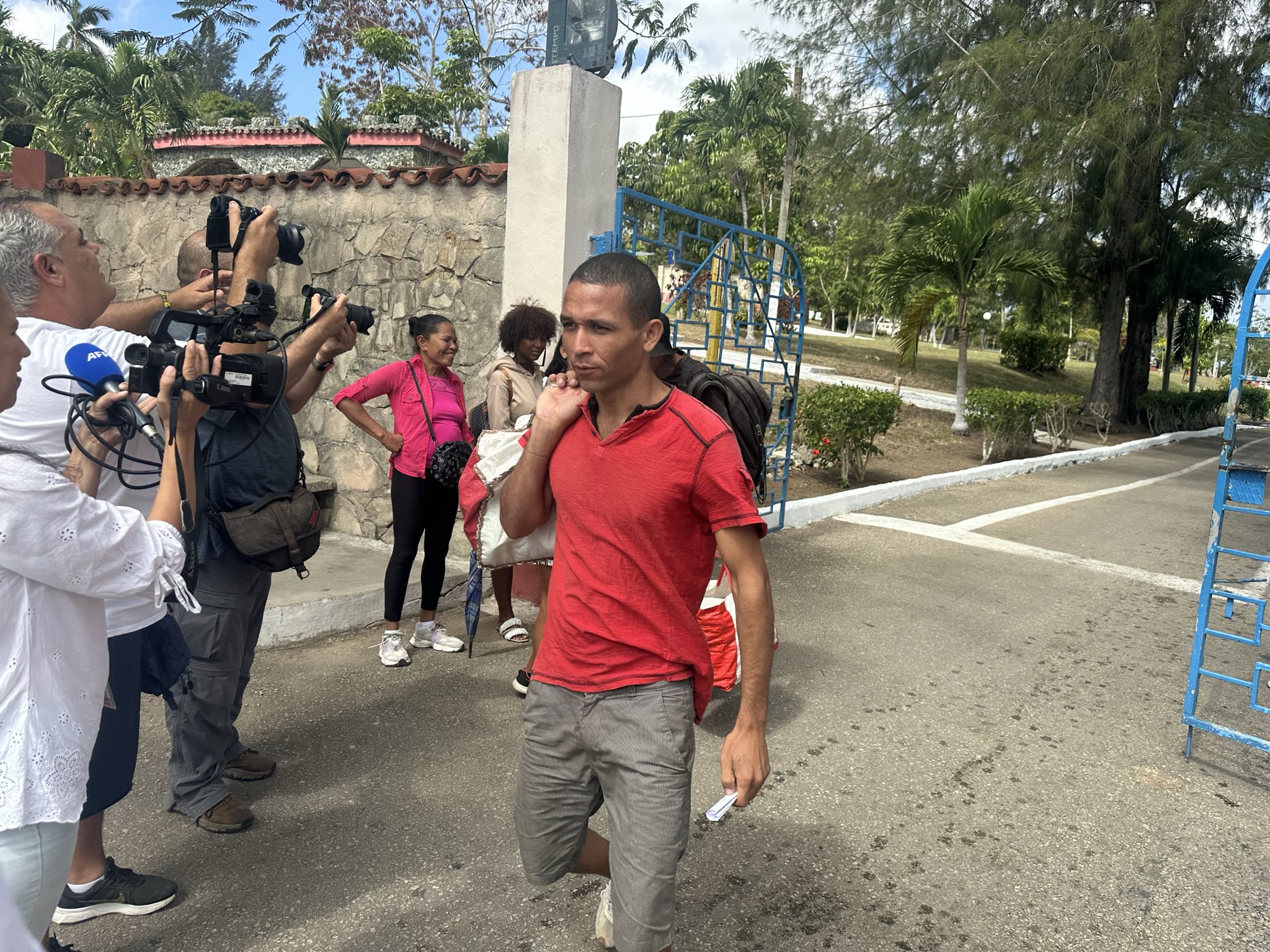
Scenes outside Cuban prisons have been emotional.
Families gathered early, waiting for loved ones to emerge. Some of those released were seen crying and embracing relatives after years behind bars.
The government says 2,010 prisoners will be freed, including:
Women
Young people
Foreign nationals
Elderly inmates
Officials say the decision was based on factors such as good behavior, time served, and health conditions.
Cuba has framed the move as part of its traditional Holy Week clemency practices, emphasizing its “humanitarian” nature.
The Pressure Behind the Timing
While Cuban authorities insist the release is internal and voluntary, the broader context tells a more complicated story.
The move comes amid one of the most intense periods of U.S. pressure on Cuba in years.
Since returning to office, President Donald Trump has:
Imposed a sweeping oil blockade
Threatened sanctions on countries supplying fuel to Cuba
Signaled support for political change on the island
These measures have had immediate consequences.
Fuel shortages have triggered nationwide blackouts, transportation disruptions, and strain on essential services, including hospitals.
The result is a country under pressure, economically, politically, and socially.
A Possible Diplomatic Signal
Some analysts believe the prisoner release may be more than symbolic.
Recent developments suggest quiet engagement between the U.S. and Cuba may be underway.
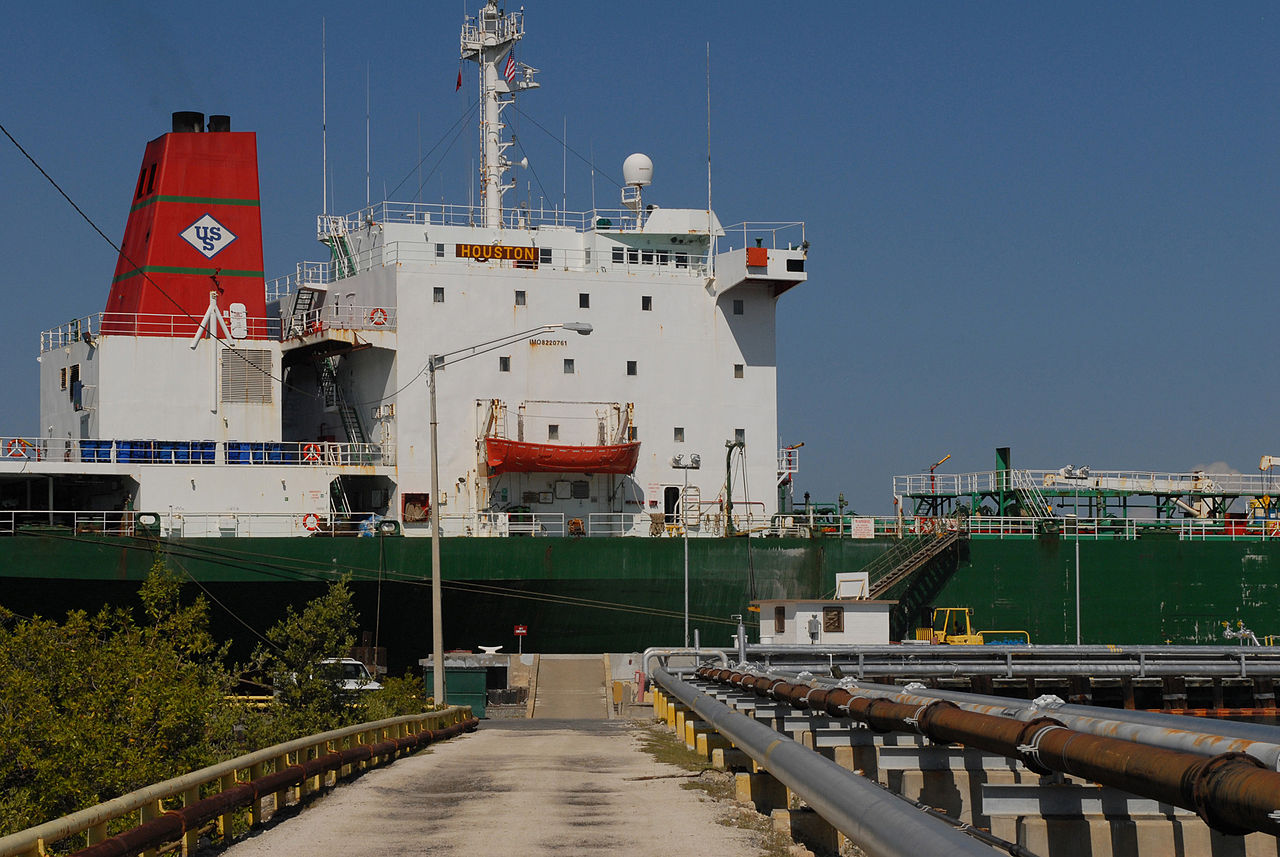
- A Russian oil tanker was recently allowed to dock in Cuba despite earlier U.S. restrictions
- Both governments have acknowledged ongoing talks
- Previous smaller prisoner releases followed diplomatic engagement with the Vatican
These moves have led some observers to interpret the mass release as a confidence-building gesture, a signal aimed at easing tensions or advancing negotiations.
But there is no official confirmation of any agreement.
Questions Over Who Is Being Released
Despite the scale of the announcement, one major question remains:
Who exactly is being freed?
Human rights groups say the answer is unclear, and potentially controversial.
Organizations tracking Cuba’s prison system report that many political prisoners may not be included in the release.
That matters because the release of political detainees has long been a key demand from the United States.
Cuba, however, maintains that it does not hold political prisoners, only individuals convicted of criminal offenses.
This disagreement has been at the center of U.S.–Cuba tensions for years.
A Crisis Beyond the Prison System
The prisoner release is happening against the backdrop of a broader national crisis.
Cuba is currently facing:
Severe fuel shortages
Rolling blackouts affecting millions
Economic contraction and rising hardship
Increasing public dissatisfaction
The situation has been described by some officials as an energy emergency, driven in large part by reduced oil imports following U.S. restrictions.
At the same time, rare protests and public dissent have emerged, something historically uncommon on the island.
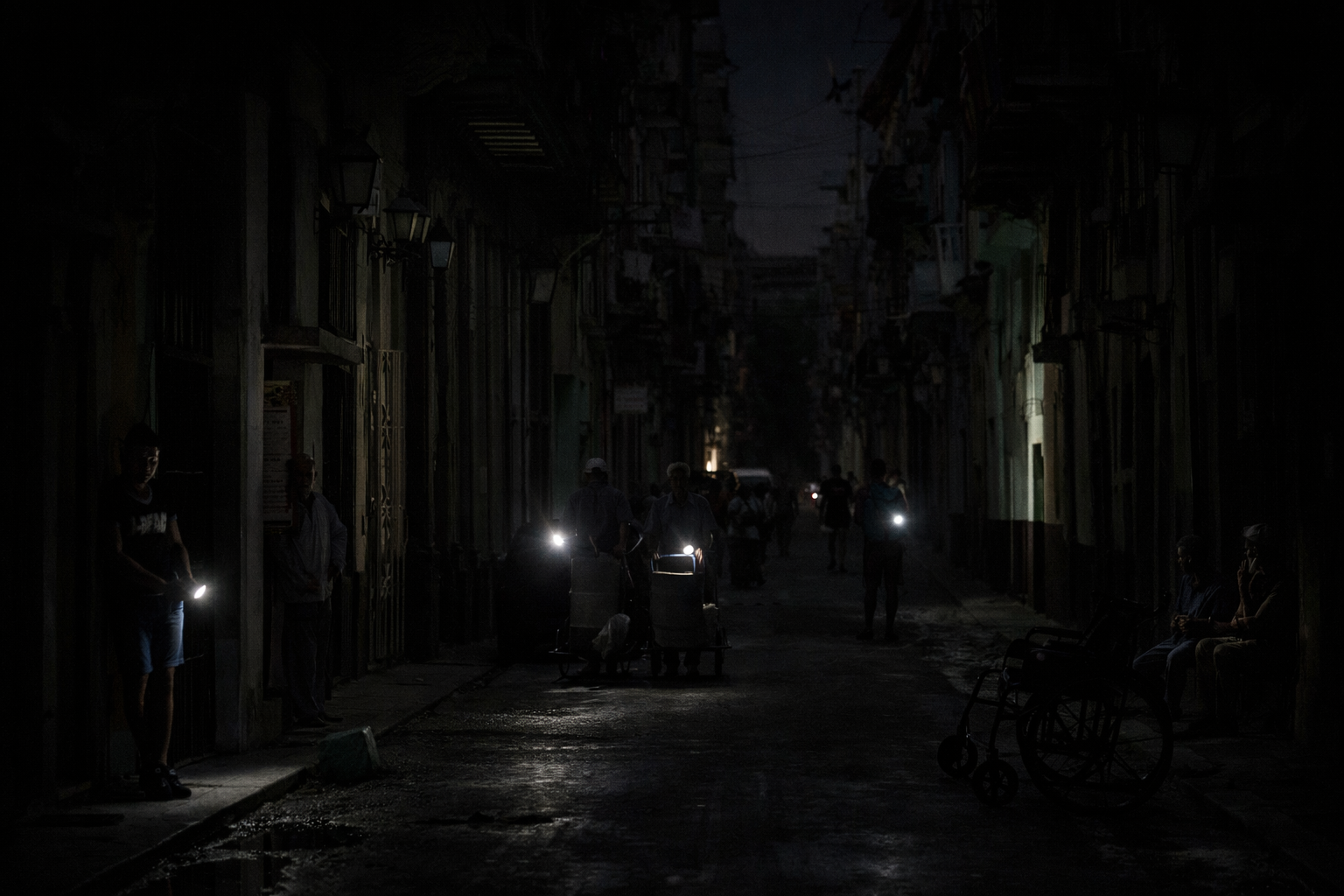
Image from: Delightful Daily
A Pattern of Strategic Releases
This is not the first time Cuba has released prisoners during periods of international pressure.
In recent years:
51 prisoners were freed following Vatican talks
Hundreds were released in earlier diplomatic agreements
Large-scale pardons have coincided with major political moments
That pattern has led some analysts to view such releases as part of a broader strategy, used to manage external pressure while maintaining internal control.
What Happens Next
The immediate impact of the releases is clear, families reunited, prison populations reduced.
But the bigger picture remains uncertain.
Key questions include:
Will more prisoners be released?
Will political detainees be included?
Will this lead to a broader agreement with the United States?
So far, both sides have maintained firm positions, with significant differences on political and economic conditions.
The Bottom Line
Cuba’s decision to release more than 2,000 prisoners is significant.
But it is not happening in isolation.
It is unfolding in the middle of a larger crisis, one shaped by economic pressure, geopolitical tension, and uncertain diplomacy.
Whether it represents a turning point or simply a temporary gesture remains to be seen.
For now, it is both a humanitarian moment, and a political signal.
Featured image from X: Patrick Oppmann CNN