
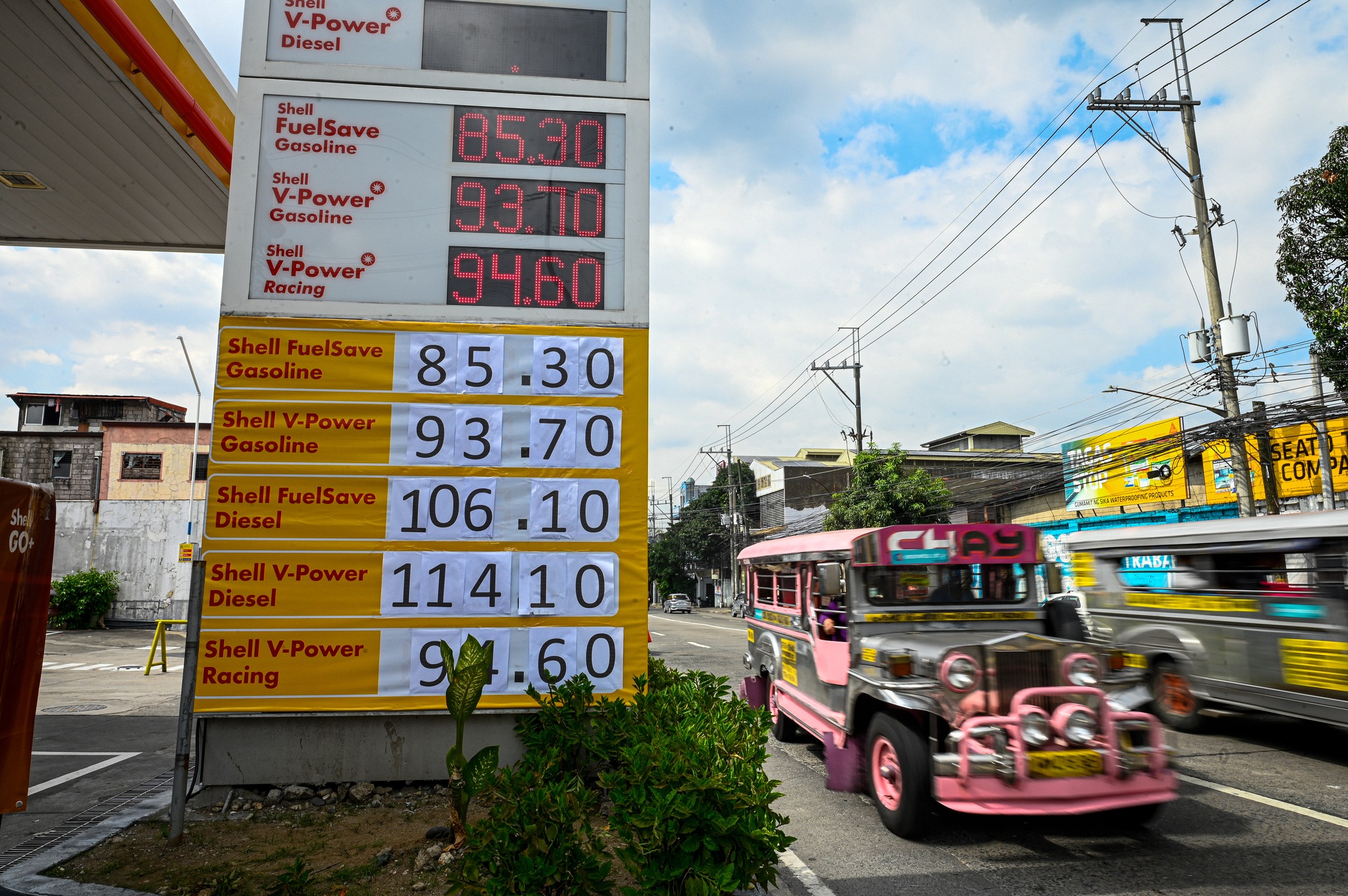
Manila scrambles to secure fuel supply while leaning on coal, even as diplomatic breakthroughs offer temporary relief
The Philippines is navigating a growing energy crisis on two fronts.
At home, the government has declared a national energy emergency, warning of dangerously low fuel supplies as the war in the Middle East disrupts global energy flows.
Abroad, it is racing to secure lifelines, through diplomacy, alternative sourcing, and emergency measures, to keep the lights on.
And in a rare development, one of those lifelines is now coming directly from Iran.
A Country on the Edge of an Energy Crunch
President Ferdinand Marcos Jr. formally declared a state of national energy emergency, citing an “imminent danger” to the country’s fuel supply and energy stability.
The move gives the government expanded powers to:
Prevent fuel hoarding and price manipulation
Secure emergency fuel contracts
Fast-track financial and logistical support measures
Officials say the situation is urgent.
At one point, the Philippines had just around 45 days of fuel supply remaining, forcing authorities to move quickly to build reserves and stabilize access.
Turning Back to Coal, For Now
One of the most immediate responses has been a shift in how the country generates electricity.
Facing soaring global prices for liquefied natural gas (LNG), the government has opted to increase reliance on coal-fired power plants, which already supply around 60% of the country’s electricity.
Energy officials say the move is temporary, but necessary.
The goal is simple: prevent a surge in electricity prices and avoid widespread shortages.
To do that, the Philippines is:
Maximizing output from existing coal plants
Exploring increased imports from Indonesia
Stabilizing generation capacity across the grid
But the shift also highlights a difficult reality.
In a crisis, long-term energy transitions often take a back seat to immediate survival.
The Strait of Hormuz Problem
Much of the Philippines’ vulnerability comes from its dependence on imported energy, particularly from the Middle East.
And that supply chain runs through one of the world’s most fragile chokepoints:
The Strait of Hormuz.
With the ongoing conflict disrupting shipping and raising the risk of further escalation, countries like the Philippines have been forced to reassess how secure those routes really are.
At the height of tensions, global shipping slowed dramatically, pushing oil prices higher and triggering fears of prolonged disruption.
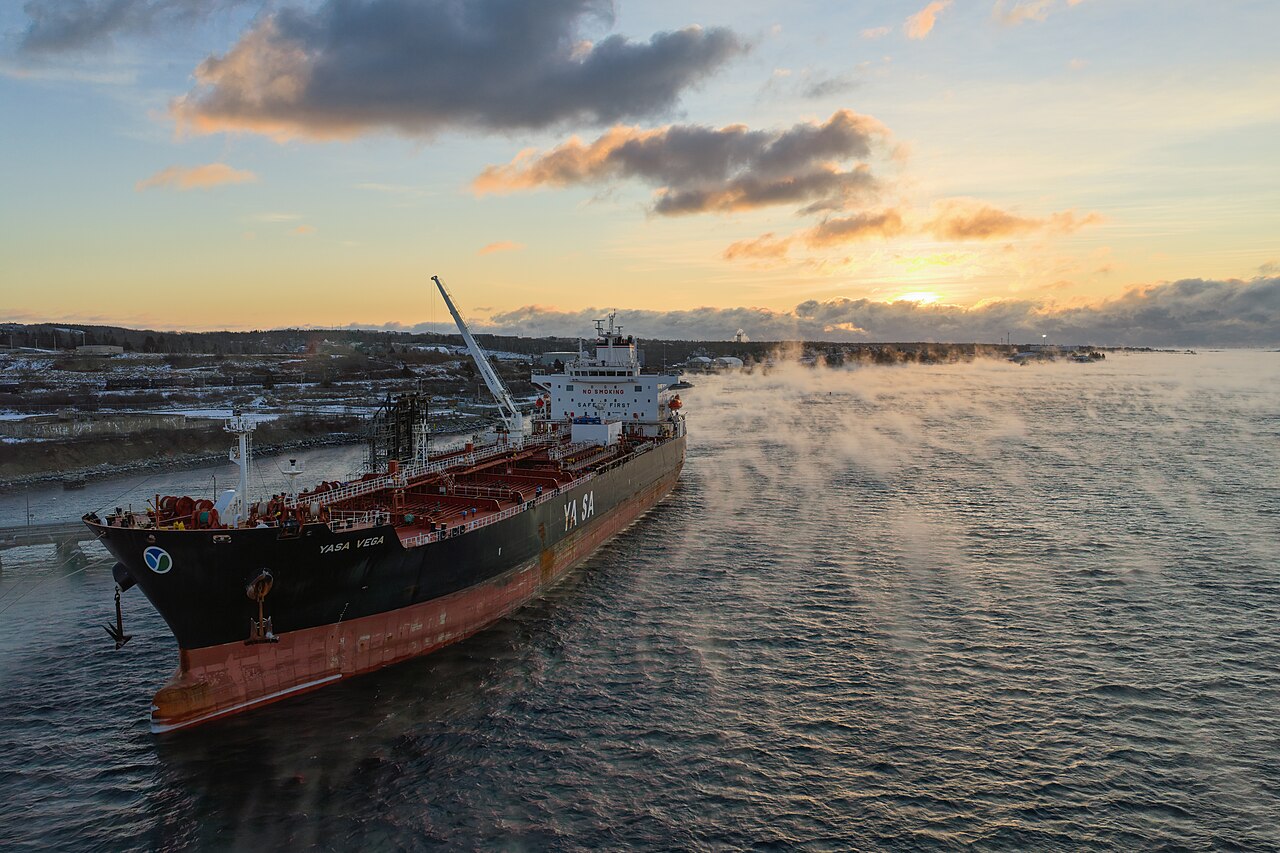
Image from: Quintin Soloviev, CC BY 4.0, via Wikimedia Commons
A Diplomatic Breakthrough with Iran
Amid these risks, Manila has secured a critical assurance.
Iran has agreed to allow safe and uninterrupted passage of Philippine-flagged vessels, fuel shipments, and Filipino seafarers through the Strait of Hormuz, according to the Philippine foreign ministry.
The agreement came after direct talks between top diplomats from both countries.
For the Philippines, the implications are significant.
With most of its energy imports passing through the region, the assurance provides:
Stability in fuel deliveries
Protection for thousands of Filipino seafarers
A buffer against further supply disruptions
Officials described the talks as “productive,” noting that they reached a “positive understanding” on energy security.
Millions of Filipinos at Risk Abroad
The stakes extend beyond fuel.
Roughly 2.4 million Filipinos live and work across the Middle East, including tens of thousands in conflict-affected areas.
The government has already begun preparing for potential evacuations, coordinating with agencies responsible for overseas workers.
At the same time, the safety of Filipino seafarers, who play a critical role in global shipping, has become a key concern.
The Hormuz assurance directly addresses that risk.

image from: Presidential Communications Office, Public domain, via Wikimedia Commons
Emergency Measures at Home
Back in the Philippines, the government is rolling out measures to cushion the impact of rising fuel costs.
These include:
Cash assistance for transport workers
Free public transportation in select areas
Fuel subsidies and potential toll reductions
The goal is to ease the burden on everyday Filipinos, who are already facing some of the highest energy costs in the region.
But these are short-term solutions.
The broader challenge remains: securing stable, long-term energy supply in an increasingly unpredictable global environment.
Searching for Longer-Term Solutions
There are signs of potential relief on the horizon.
Earlier this year, the Philippines announced a new natural gas discovery near the Malampaya field, a key domestic energy source that has been nearing depletion.
If developed successfully, it could extend the country’s ability to generate power locally and reduce dependence on imports.
But that solution is still years away.
For now, the country remains heavily reliant on external supply, and exposed to global shocks.
The Bigger Picture
What’s happening in the Philippines reflects a broader global trend.
As geopolitical tensions rise, countries are being forced to rethink:
Energy security
Supply chain resilience
Dependence on critical chokepoints
The combination of emergency measures at home and diplomacy abroad shows how governments are adapting in real time.
The Bottom Line
The Philippines is walking a tightrope.
On one side, a worsening energy crisis driven by global conflict.
On the other, fragile diplomatic openings offering temporary relief.
The emergency declaration, the shift to coal, and the agreement with Iran all point to the same reality:
In today’s world, energy security is no longer just an economic issue.
It’s a geopolitical one.
And for countries like the Philippines, every decision now carries higher stakes than ever before.
Featured image from facebook: ABS-CBN News