
As tensions threaten key shipping lanes, a long-delayed Europe–Africa link is being reconsidered as a strategic alternative
As global tensions continue to disrupt critical shipping routes, a decades-old infrastructure idea is quietly moving back into focus.
Morocco and Spain are reviving plans for a massive subsea rail tunnel beneath the Strait of Gibraltar, a project that could directly link Africa and Europe, and potentially reshape global trade in the process.
Once seen as an ambitious but distant concept, the project is now being viewed through a new lens:
Not just as infrastructure, but as strategy.
A World Rethinking Its Chokepoints
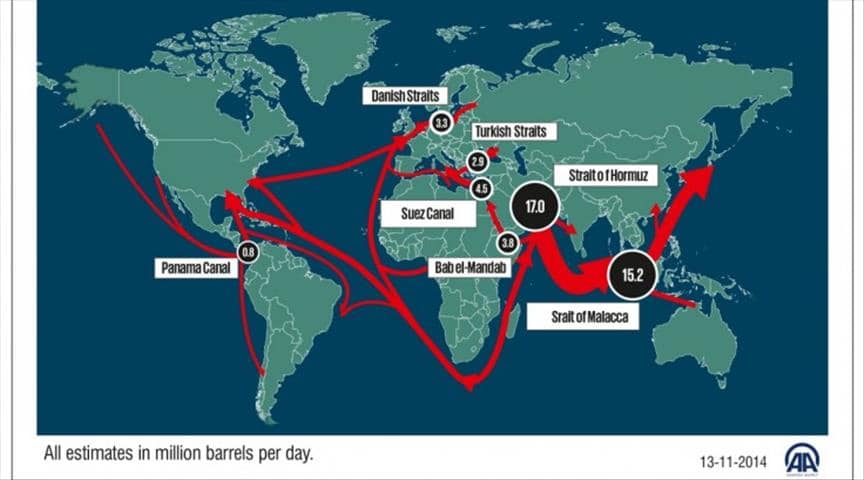
The renewed interest in the Gibraltar tunnel is being driven by a simple reality, global trade depends heavily on a handful of vulnerable chokepoints.
Among the most critical is the Strait of Hormuz, where a significant portion of the world’s oil supply passes daily. Rising tensions in that region have exposed how fragile those routes can be.
Even the threat of disruption has been enough to send energy markets into volatility.
That has forced governments and investors to ask a larger question:
What happens if those routes are no longer reliable?
Why Gibraltar Is Back in Focus
The Strait of Gibraltar has always been strategically important.
It is the only natural passage connecting the Atlantic Ocean to the Mediterranean Sea, with roughly 300 vessels crossing it every day.
But unlike other chokepoints, Gibraltar offers something unique:
A potential land-based alternative.
The proposed tunnel would create a fixed rail connection between northern Morocco and southern Spain, allowing both passengers and freight to move between continents in about 30 minutes.
That shift, from sea to rail, could reduce dependence on vulnerable maritime routes.
A Project Decades in the Making
The idea of linking Africa and Europe through the Strait of Gibraltar is not new.
It dates back to a 1979 agreement between Morocco and Spain, but progress has been slow due to cost, engineering challenges, and shifting political priorities.
Now, momentum appears to be building again.
Recent feasibility studies suggest the project is technically achievable using modern tunneling technology. Spanish and Moroccan agencies are currently working on updated plans, with potential approvals expected within the next few years.
If all goes forward, construction could begin after 2035.

The Economic Stakes
At an estimated €15 to €20 billion, the tunnel would be one of the largest infrastructure projects in the region.
But its potential impact could extend far beyond its price tag.
For Africa, it could:
Strengthen direct access to European markets
Position North Africa as a logistics hub
Support regional trade initiatives like the African Continental Free Trade Area
For Europe, it offers:
Faster supply chains
Diversified trade routes
Reduced exposure to global shipping disruptions
In a world where supply chains are increasingly under pressure, that kind of connectivity is becoming more valuable.
Strategic Signals Already Emerging
The growing importance of the Gibraltar corridor is already being reflected in global activity.
Recent naval movements, including high-profile deployments through the strait, have drawn attention to its strategic role as a gateway between major regions.
While these movements are not directly tied to the tunnel project, they underscore a broader trend:
Key maritime corridors are becoming central to geopolitical planning.
And Gibraltar is one of the most important among them.
Engineering Challenges Still Loom
Despite its promise, the project faces significant technical hurdles.
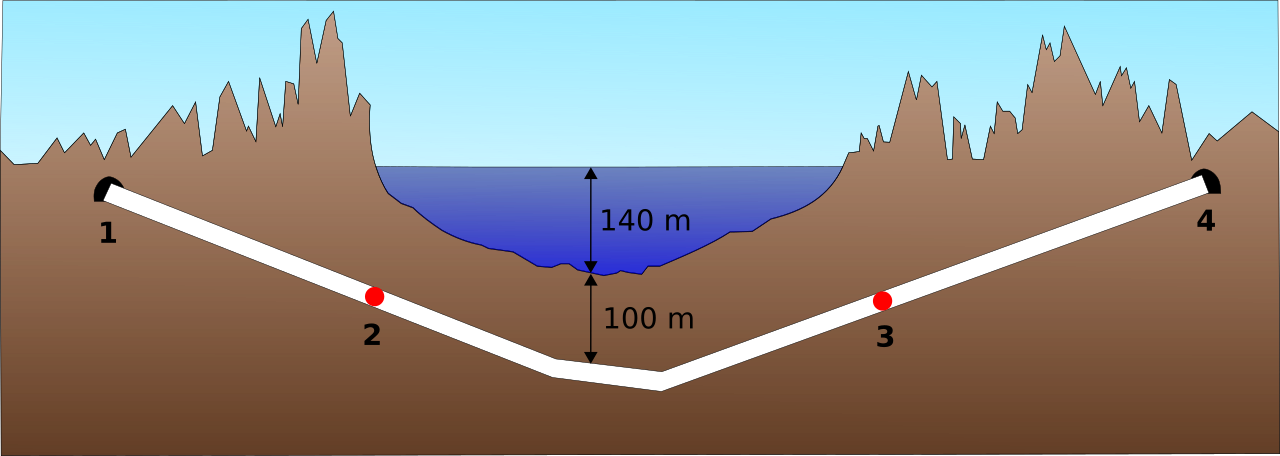
The Strait of Gibraltar is not an easy place to build.
Depths can reach up to 900 meters, and the area is known for:
Strong currents
Heavy maritime traffic
Seismic activity linked to nearby fault lines
Previous plans for a bridge were abandoned decades ago due to these conditions.
The current tunnel proposal would run through a deeper, more stable section, but it still requires advanced engineering solutions to handle pressure, geological instability, and long-term durability.
A Shift in How Trade Is Viewed
What makes this moment different is not just the project itself.
It’s the context.
Global trade is no longer being viewed purely through efficiency.
It’s being viewed through resilience.
Countries are increasingly looking for ways to:
Diversify routes
Reduce dependence on single chokepoints
Build infrastructure that can withstand geopolitical shocks
The Gibraltar tunnel fits into that broader shift.
The Bottom Line
For decades, the idea of a Europe–Africa tunnel was seen as ambitious, but distant.
Now, it’s being reconsidered as something more urgent.
As global trade routes face growing uncertainty, projects like this are no longer just about connection.
They’re about control, security, and stability.
And in a world where chokepoints can shape economies, that may be what matters most.
Featured image from facebook: Octrex Holdings