
James Balog once doubted global warming. Then he filmed a glacier collapse the size of lower Manhattan.
A Collapse No One Expected to Witness
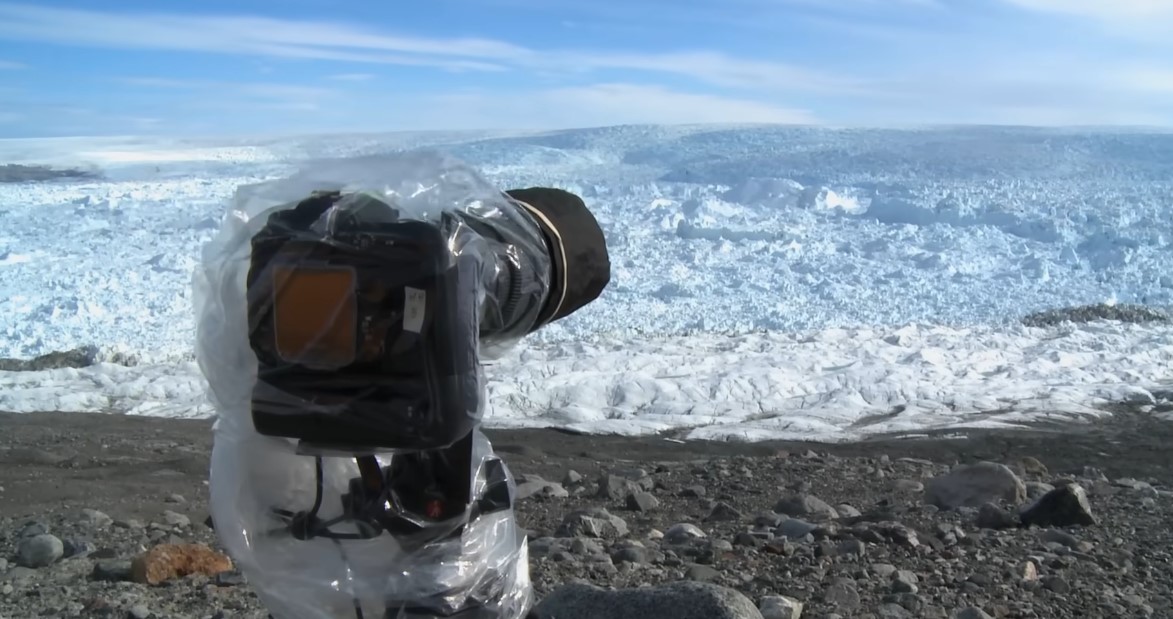
Photographer James Balog and his team were stationed near a glacier in Greenland when their cameras captured something no one on Earth had filmed before. They were collecting years’ worth of time-lapse footage from the Arctic Circle for a documentary project, expecting dramatic visuals, sure, but nothing close to the scale of what unfolded.
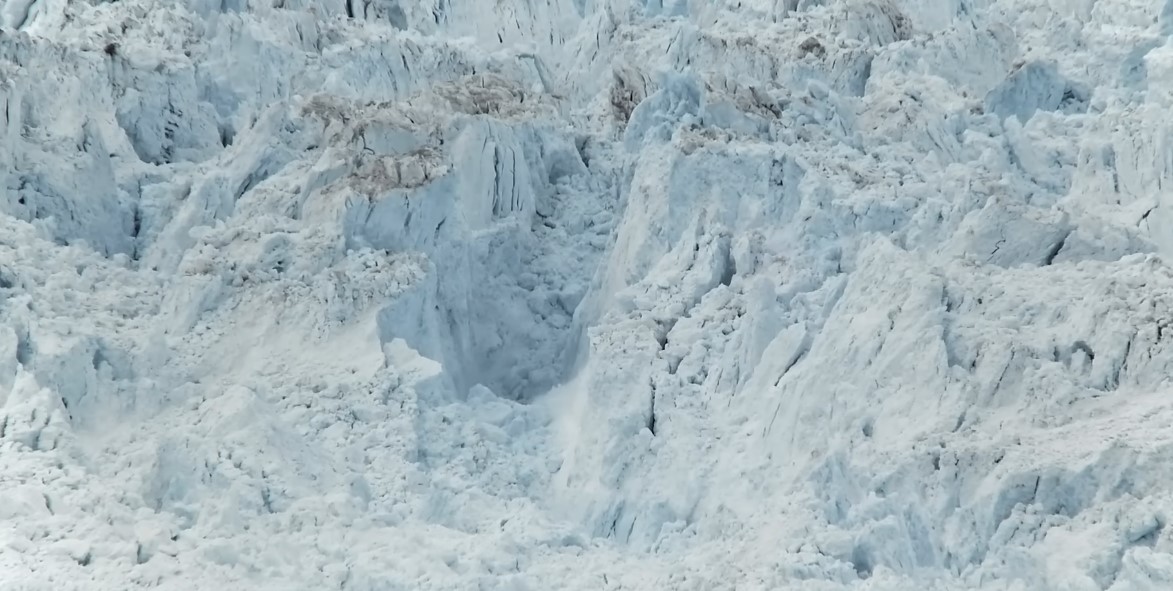
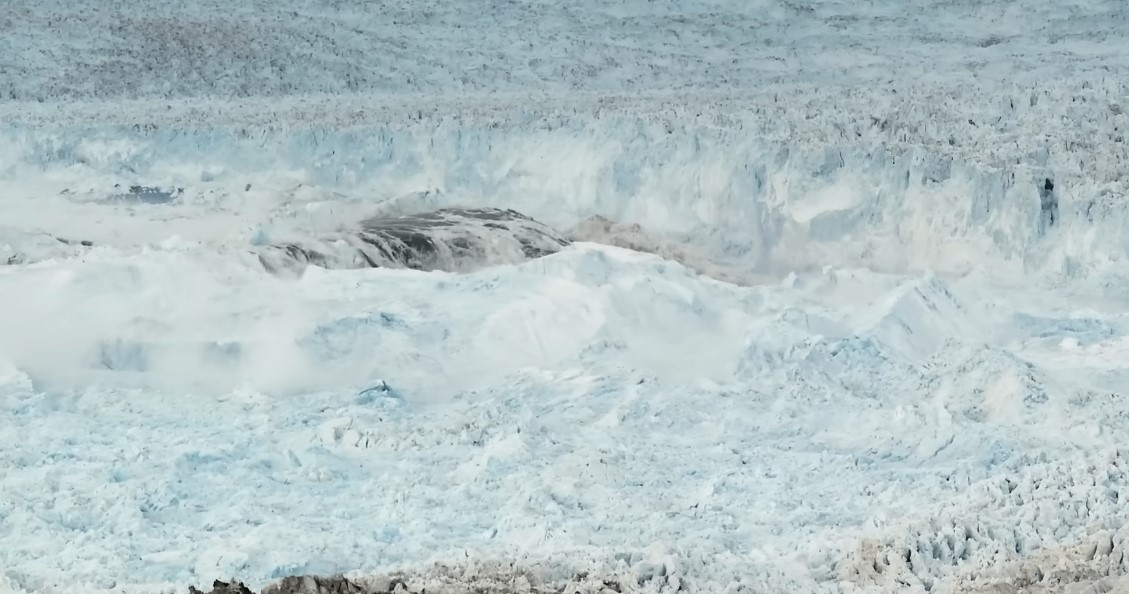
Over the course of nearly an hour and 15 minutes, the crew watched as a massive section of glacier broke free and slid into the ocean. The ice was roughly the size of lower Manhattan, with formations two to three times taller than the city’s skyscrapers. Scientists consider it the largest calving event ever recorded on camera.
A Geological Event of Unprecedented Scale
As far as experts know, nothing like this had ever been filmed before. And with accelerating ice melt across the Arctic, it almost certainly won’t be the last. What Balog witnessed was not merely a dramatic natural event, it was a visual record of the planet’s worsening climate crisis.
The footage later became a centerpiece of the 2012 documentary Chasing Ice, which brought global attention to the accelerating collapse of the world’s glaciers.
The Skeptic Who Became a Witness
Balog’s transformation makes his documentation even more striking. Back in the 1980s and 1990s, he was known as a respected conservation photographer, but also a skeptic of climate science.
“I didn’t think that humans were capable of changing the basic physics and chemistry of this entire, huge planet,” he said in Chasing Ice.
“It didn’t seem probable, it didn’t seem possible.”
For nearly two decades, he doubted warnings from climate scientists, believing the models contained too much uncertainty and that environmentalism had more urgent priorities.
A Trip That Changed Everything
That changed in 2005, when National Geographic sent Balog on a photographic expedition to the Arctic. The evidence he saw firsthand dismantled his skepticism.
In a 2012 interview with ThinkProgress, he explained what convinced him:
“It was about actual tangible physical evidence that was preserved in the ice cores of Greenland and Antarctica… the smoking gun showing how far outside normal, natural variation the world has become.”
His conclusion was unmistakable:
The planet was changing in a way that could no longer be dismissed.
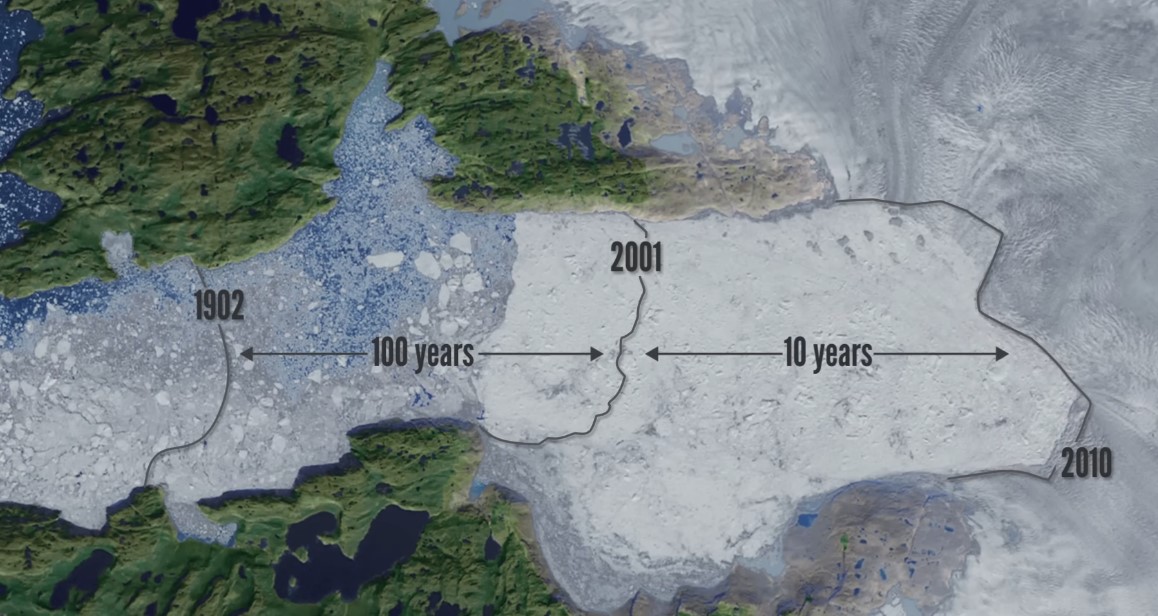
Scientists note that the Arctic has lost more landmass in the last two decades than in the previous 10,000 years, a stark indicator of the climate crisis unfolding in real time.
Watch the Glacier Collapse
The full footage of the historic calving event, captured by Balog and his crew, can be viewed below:
Featured Image from Youtube: Exposure Labs