
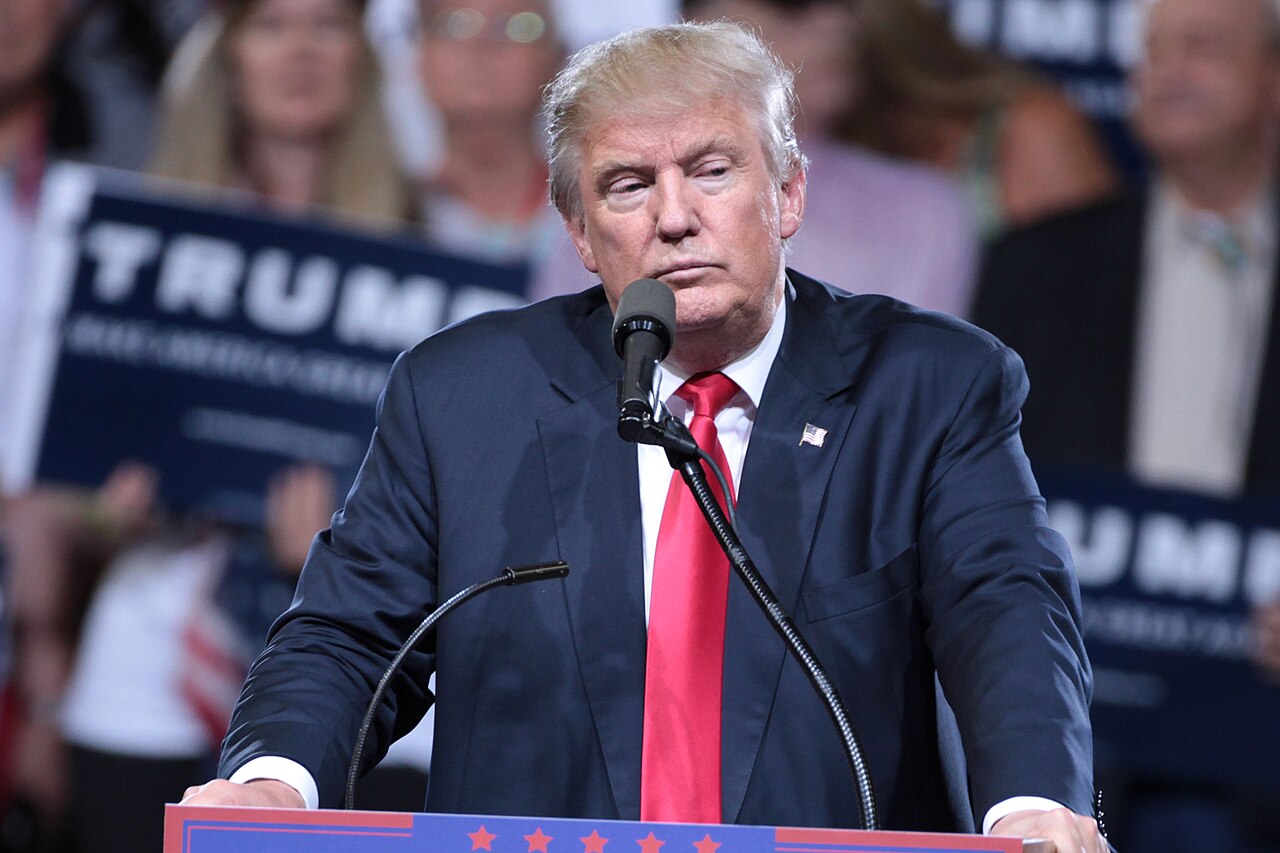
President Donald Trump is facing mounting criticism over what many voters see as a widening disconnect between his administration’s priorities and the economic struggles confronting everyday Americans.
While inflation, gas prices, housing costs, and grocery bills continue squeezing household budgets across the country, critics say the president appears increasingly focused on lavish projects, foreign conflicts, and personal legacy initiatives instead of addressing financial pain at home.
The growing frustration is now showing up clearly in polling, with several new surveys revealing sharp declines in public confidence in Trump’s handling of the economy.
Economic Anxiety Deepens Across the Country
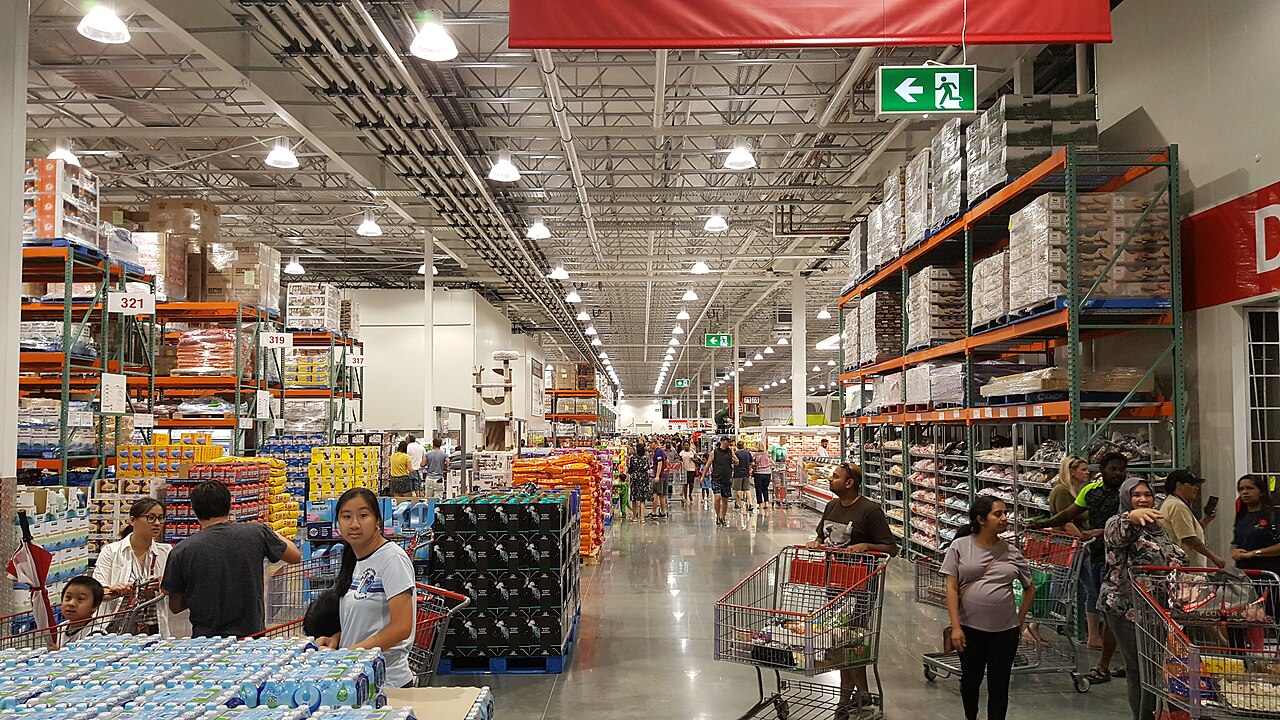
New government data released this week showed inflation accelerating again, with prices rising 0.6% in a single month and annual inflation climbing to 3.8%, the highest level seen in nearly three years.
For many Americans, wages are no longer keeping pace with rising costs, meaning pay increases are being erased by more expensive food, gasoline, rent, and utilities.
Polls suggest voters increasingly blame the administration.
A new CNN/SSRS survey found that 77% of Americans believe Trump’s policies have increased the cost of living in their communities. The president’s approval numbers on economic issues have also fallen sharply, including low ratings on inflation and affordability.
Public frustration has intensified alongside the continuing conflict involving Iran and ongoing instability surrounding the Strait of Hormuz, one of the world’s most important shipping routes for oil.
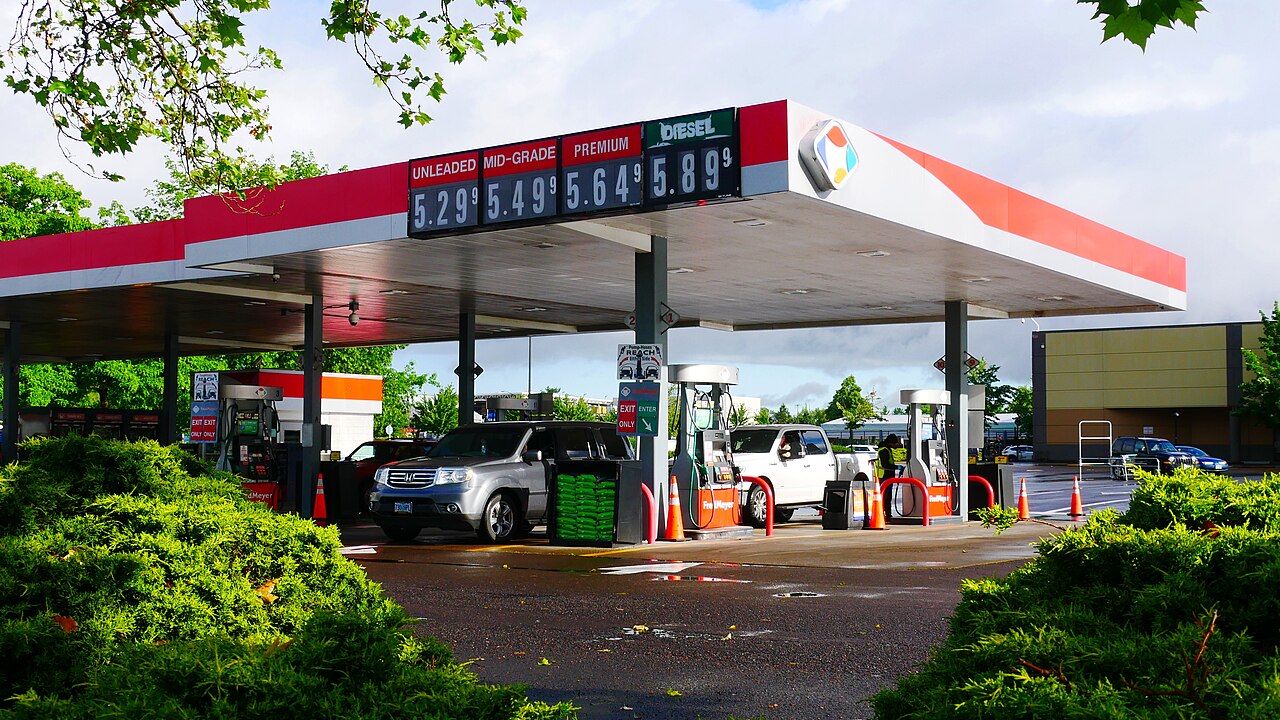
Gas prices have climbed significantly in recent months, with many Americans now paying far more at the pump than they were earlier in the year.
Trump Focuses on Legacy Projects Amid Criticism
As economic concerns dominate daily life for many families, Trump has continued publicly promoting a series of expensive projects tied to his presidential legacy.
Among them are plans for a massive White House ballroom, a proposed triumphal arch in Washington, and renovations modeled after luxury features from Trump-owned properties.
The administration is also preparing for the arrival of a new Air Force One aircraft tied to a deal involving Qatar, though the project itself requires substantial taxpayer-funded modifications and security upgrades.
Critics argue the optics are increasingly damaging as millions of Americans struggle financially.
During a recent exchange with reporters, Trump grew visibly frustrated when questioned about the rising costs associated with the White House ballroom project.
“I doubled the size of it,” the president responded angrily while defending the proposal.
Trump Says Iran Remains His Main Focus
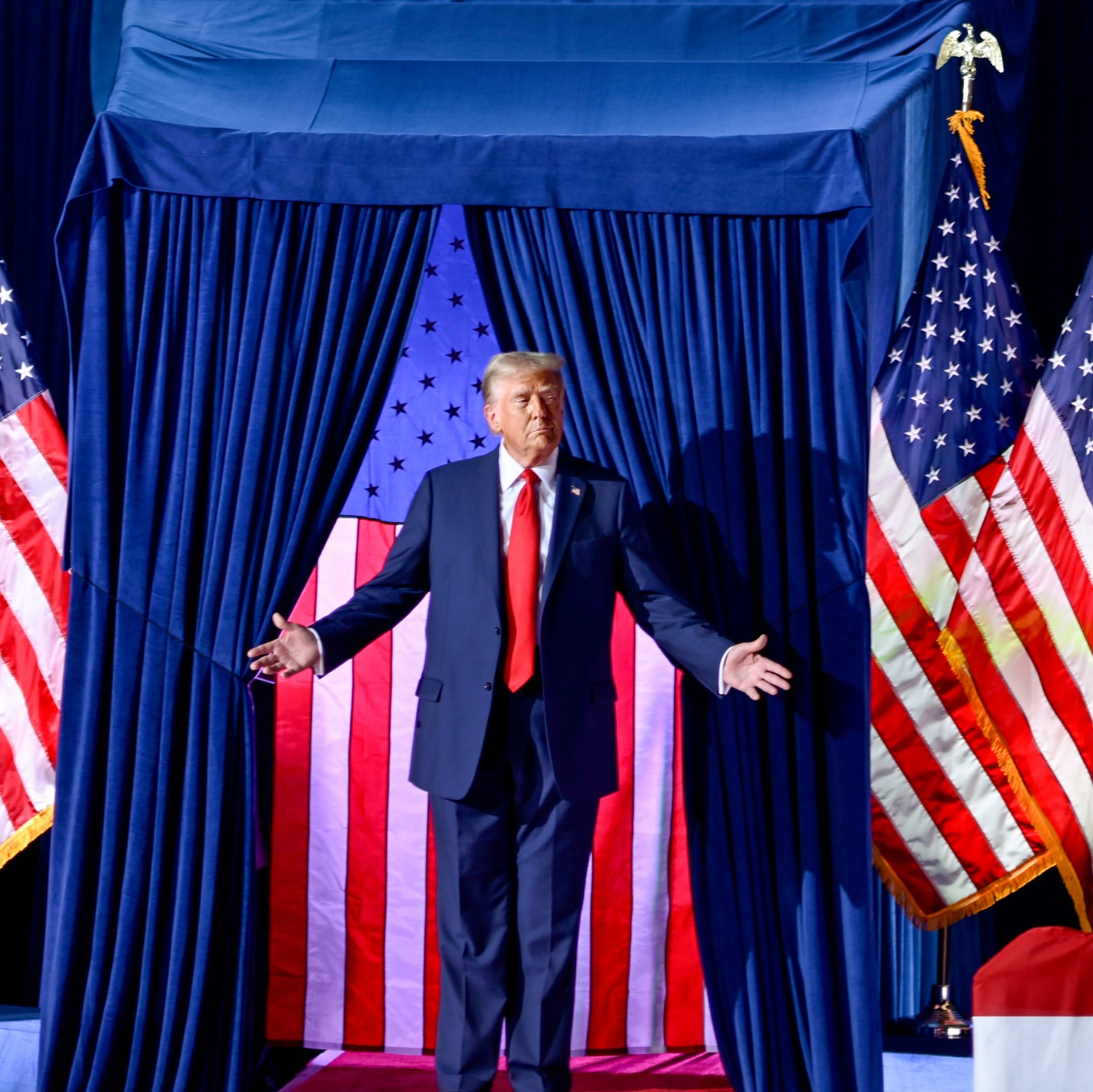
Trump has repeatedly defended his administration’s priorities by arguing that national security and preventing Iran from obtaining nuclear weapons outweigh short-term economic concerns.
“I don’t think about Americans’ financial situation” when negotiating with Iran, Trump said during recent remarks, insisting his focus remains on stopping Tehran’s nuclear ambitions.
That statement quickly drew backlash from Democrats, who accused the president of appearing indifferent to the economic strain facing working families.
The administration has argued that energy prices could eventually fall if tensions in the Middle East ease and the Strait of Hormuz fully reopens to unrestricted shipping traffic.
Some Republican lawmakers have echoed that optimism, predicting gas prices could stabilize later this year if the conflict cools.
However, economists warn that energy markets may take months to recover even if hostilities decline, meaning many Americans could continue feeling financial pressure well into the future.
Political Risks Grow Ahead of Midterms
The worsening economic mood is creating growing political concerns for Republicans ahead of the upcoming midterm elections.
Affordability and inflation were major issues that helped Trump defeat Democrats during the 2024 election cycle. Now, Democrats are attempting to use the same arguments against him.
Several recent polls show voters increasingly trusting Democrats more than Republicans on issues like cost of living and middle-class economic concerns.
Still, both parties continue facing skepticism from many independent voters who feel neither side has offered meaningful solutions to rising prices.
Political analysts say the administration’s biggest challenge may be convincing Americans that economic conditions are improving when many families continue experiencing higher everyday costs firsthand.
Can Trump Reverse Public Sentiment?
Despite the negative polling trends, the White House continues highlighting areas of economic resilience, including stronger-than-expected job growth, stable consumer spending, and strong stock market performance.
Trump has repeatedly insisted the country is entering a new “golden age” economically and argues that current hardships are temporary.
But critics say the president’s messaging increasingly clashes with the lived experiences of many Americans facing mounting financial pressure.
As inflation, fuel prices, and global tensions continue dominating headlines, the administration now faces a difficult balancing act: maintaining support for foreign policy goals abroad while reassuring voters struggling at home.
Whether Trump can shift public opinion before the midterm elections may depend less on speeches and messaging, and more on whether Americans begin to feel meaningful economic relief in their daily lives.
Featured image from: Gage Skidmore from Peoria, AZ, United States of America, CC BY-SA 2.0, via Wikimedia Commons