

President Donald Trump says Americans could soon see major relief at the gas pump once the conflict involving Iran comes to an end, even as fuel prices continue climbing amid instability in the Middle East and growing tensions around the Strait of Hormuz.
Speaking during a recent news conference, Trump said he expects energy prices to fall sharply once global shipping routes normalize and oil supplies move freely again.
“I see it going down very substantially when this is over,” Trump said. “Very rapidly too, at levels that you’ve never seen because there’s a lot of energy out there.”
The president argued that ongoing disruptions tied to Iran and maritime conflict in the Persian Gulf are preventing oil shipments from reaching global markets efficiently.
“There are ships all over the world that are loaded up with it,” Trump said. “They can’t do much with it because they got kidnapped by a pretty evil place. But we’re taking care of it.”
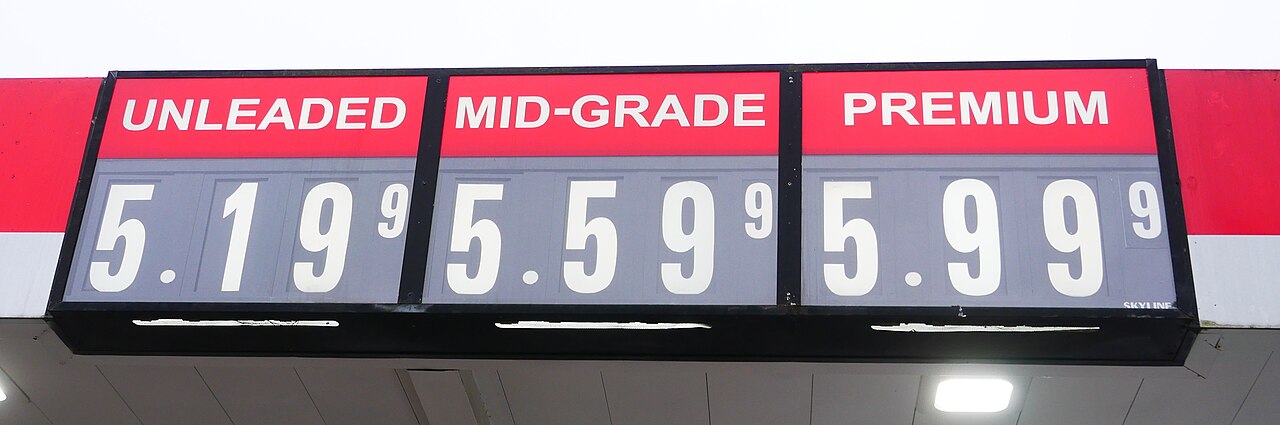
Gas Prices Continue Rising During Hormuz Crisis
Despite Trump’s prediction, gas prices in the United States have continued rising as military tensions around the Strait of Hormuz intensify.
According to AAA, the national average gas price climbed to $4.48 per gallon, up significantly from the previous week.
California continues to report the highest prices in the country, with some drivers paying more than $6 per gallon, while states such as Oklahoma remain among the cheapest.
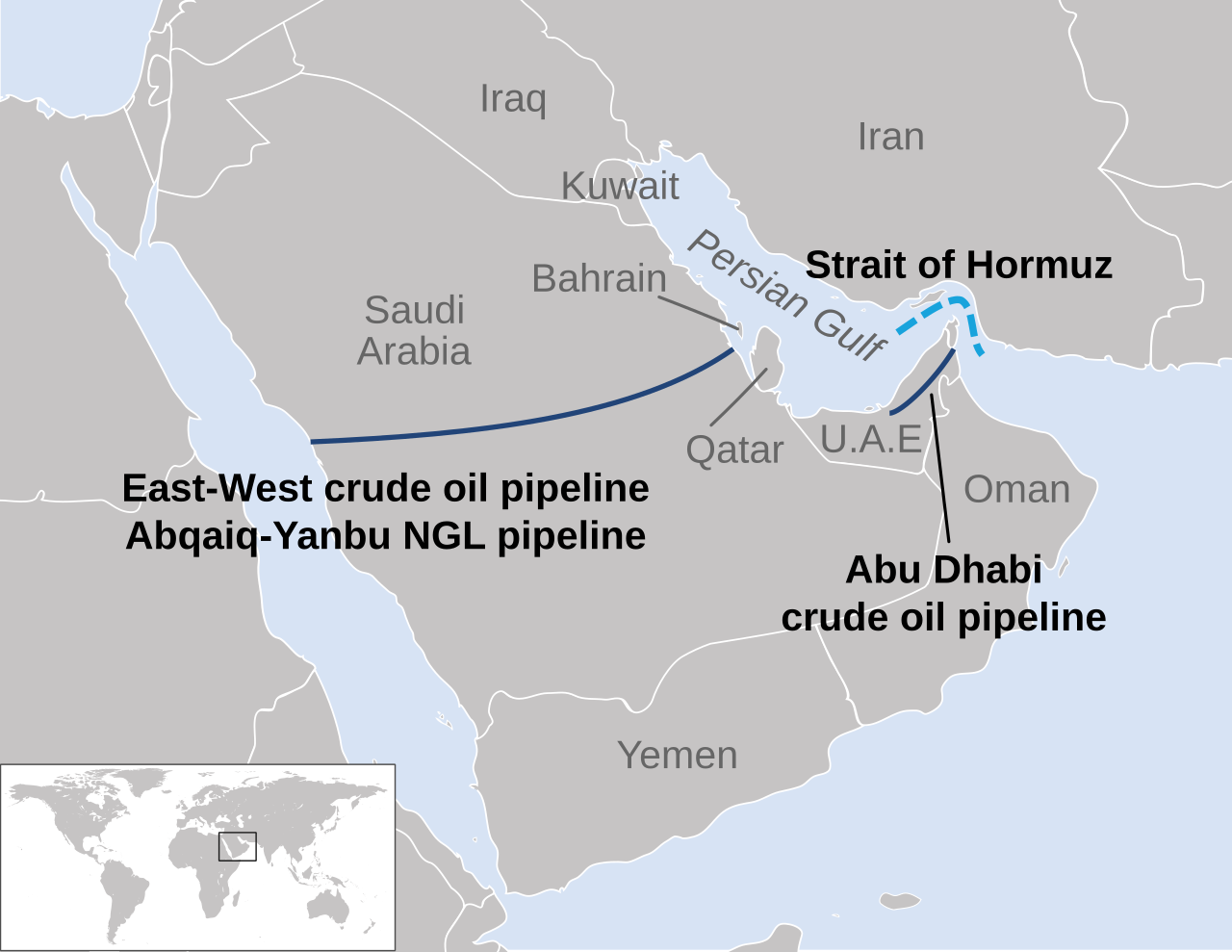
The recent spike comes as both the United States and Iran continue competing naval operations near the Strait of Hormuz, one of the world’s most critical energy corridors.
Roughly a quarter of the world’s seaborne oil passes through the narrow waterway, meaning any military disruption there can quickly affect global oil markets.
The situation escalated further after the US launched “Project Freedom,” a military operation aimed at reopening commercial shipping routes through the strait following repeated Iranian threats and attacks on vessels.
Shortly afterward, Iranian forces launched missile and drone attacks targeting infrastructure in the United Arab Emirates, while US forces sank six small Iranian boats accused of threatening commercial ships.
Why Events in the Middle East Affect US Gas Prices
Although the United States produces more oil domestically than any other country, experts note that crude oil prices are still determined globally.
That means disruptions in Middle Eastern shipping routes can drive up prices everywhere, including at American gas stations.
When fears grow that oil shipments could be delayed, blocked, or attacked, traders react by raising crude prices on international markets.
The Strait of Hormuz remains especially sensitive because it connects the Persian Gulf to global shipping lanes used by major oil exporters including Saudi Arabia, Iraq, Kuwait, Qatar, and the UAE.
Even temporary interruptions there can trigger price spikes worldwide.
Analysts also point out that gas prices typically rise during spring and early summer because refineries switch to a more expensive “summer blend” gasoline designed for warmer temperatures.
How Gas Prices Are Determined
According to the US Energy Information Administration, the price consumers pay at the pump is influenced by several factors.
Crude oil costs account for the largest share of gasoline prices, making up just over half of the total cost.
The remaining price includes refining costs, taxes, transportation, and distribution expenses.
For gasoline, the breakdown is generally:
- Crude oil: 51%
- Refining: 20%
- Federal and state taxes: 18%
- Distribution and marketing: 11%
Diesel fuel prices are calculated somewhat differently but are still heavily influenced by crude oil costs and global supply disruptions.
Can Prices Actually Fall Quickly?
Trump’s prediction of sharply falling gas prices depends heavily on whether the conflict in the Persian Gulf stabilizes.
If shipping traffic through the Strait of Hormuz returns to normal and fears of escalation ease, oil prices could retreat from recent highs.
However, analysts warn that continued military clashes, uncertainty around ceasefire agreements, or disruptions to global oil exports could keep prices elevated for longer.
Energy markets remain highly volatile as traders monitor military developments involving the US, Iran, Israel, and Gulf nations.
For now, Americans continue facing higher fuel costs while the broader geopolitical crisis remains unresolved.
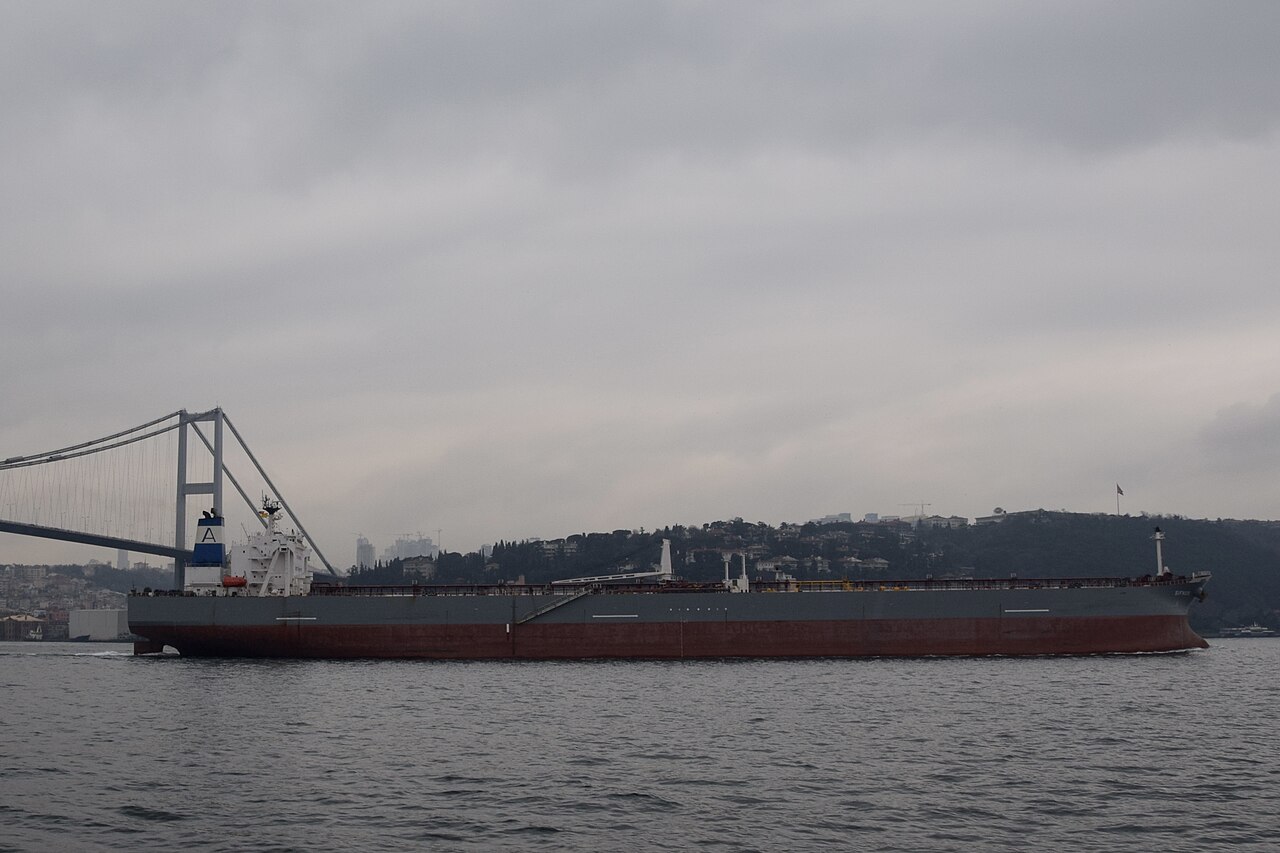
Featured image from: joiseyshowaa from Freehold, NJ, USA, CC BY-SA 2.0, via Wikimedia Commons