
Back-to-back aircraft incidents highlight the growing dangers as the war enters a critical phase
The risks surrounding the U.S. war effort in Iran are becoming harder to ignore.
Within a short span of time, two American military aircraft have gone down in the Persian Gulf region, raising new questions about the safety of operations, the intensity of the conflict, and what comes next as the war approaches its fifth week.
While both incidents remain under investigation, the timing, and proximity, of the crashes is drawing attention.
Because in a conflict already marked by rapid escalation, even isolated events can signal something bigger.
Two Aircraft, Two Incidents
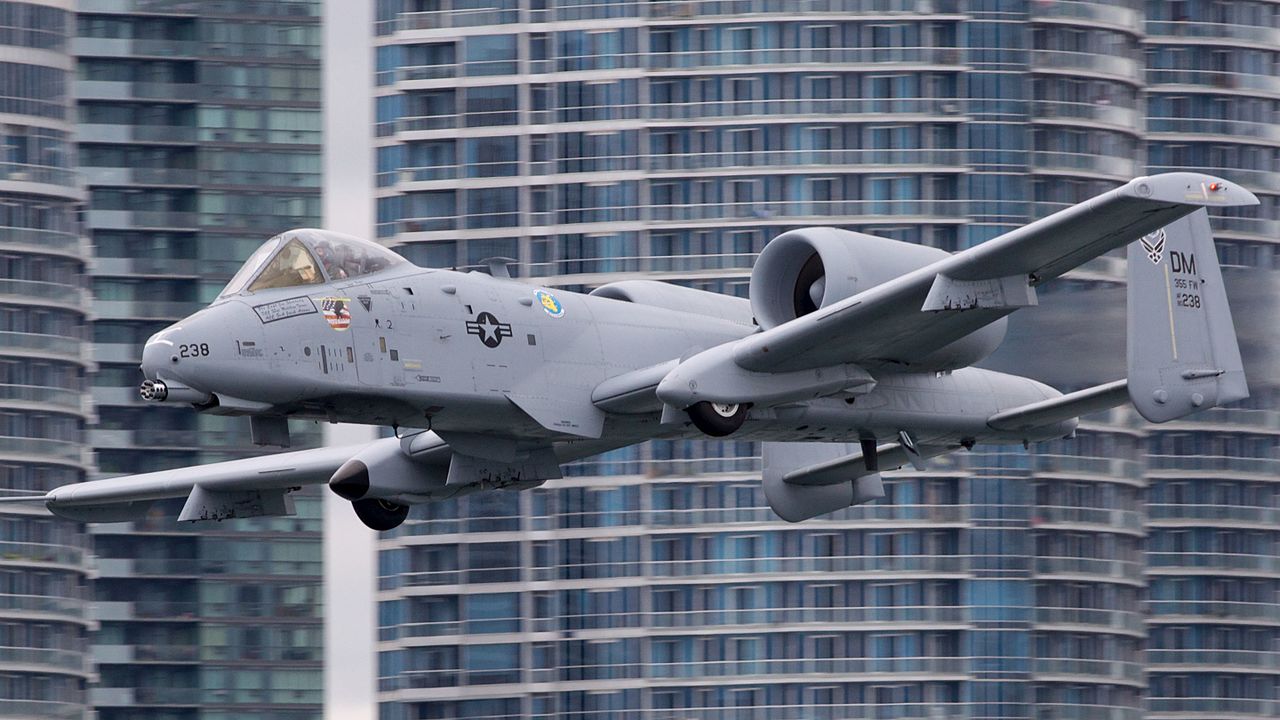
The latest development involves an A-10 Thunderbolt II, commonly known as the “Warthog,” a heavily armored attack aircraft designed for close air support.
According to multiple reports, the aircraft went down in the region, but the pilot was successfully rescued, avoiding further casualties.
That incident came shortly after a more serious event.
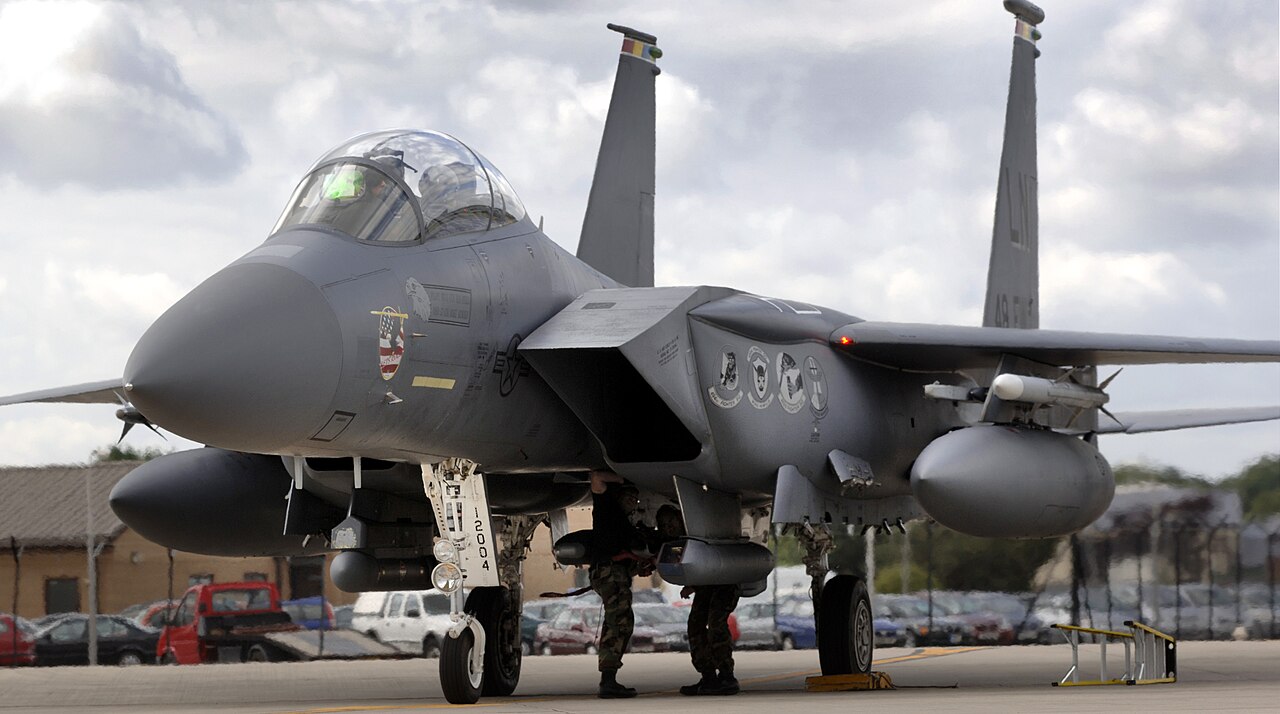
An F-15E fighter jet crashed over Iran, triggering an urgent search-and-rescue mission. One of the two crew members has been recovered, but efforts are still ongoing to locate the second, underscoring the dangers pilots face in contested airspace.
At this stage, officials have not publicly confirmed the exact causes of either crash.
What We Know, and What We Don’t
Military aircraft losses can occur for a range of reasons:
Mechanical failure
Combat-related damage
Navigation or environmental factors
Without official confirmation, it remains unclear whether these incidents are connected to direct enemy action or operational challenges.
However, the context matters.
These crashes are happening in an increasingly volatile environment, where U.S. forces are actively engaged in operations tied to the broader conflict with Iran.
That alone raises the stakes.
A War Entering a New Phase
The incidents come as the U.S.-Israeli military campaign against Iran moves deeper into its timeline.
Now approaching its fifth week, the conflict has already:
Targeted key Iranian military infrastructure
Strained regional stability
Triggered retaliatory actions across multiple countries
At the same time, rhetoric from Washington has intensified.
President Donald Trump has recently signaled the possibility of additional strikes, increasing pressure on Iran to agree to terms that could end the war.
The Human Cost Behind the Headlines
While military hardware often dominates coverage, moments like these bring the human side of the conflict into focus.
Pilots operating in active conflict zones face constant risk, not just from enemy defenses, but from the complexity of modern warfare itself.
Search-and-rescue missions, like the one still underway for the missing crew member, are among the most dangerous operations conducted during wartime.
They require rapid response, coordination, and often take place under uncertain or hostile conditions.
For families, every hour matters.
A Signal, or a Coincidence?
Two aircraft incidents in close succession inevitably raise questions.
Are these isolated events?
Or are they early signs of increasing strain on operations?
Military analysts often caution against drawing conclusions too quickly. Wartime conditions can lead to spikes in accidents, even without direct enemy involvement.
But they also acknowledge that patterns, if they continue, can indicate deeper issues, whether operational, technical, or strategic.
For now, the answer remains unclear.
Pressure Building on Multiple Fronts
The crashes come at a time when the administration is facing mounting pressure, not just militarily, but politically and economically.
At home, Americans are increasingly focused on:
The duration of the conflict
Rising fuel prices
The potential for further escalation
Abroad, allies and adversaries alike are watching closely for signs of how the war is evolving, and whether it is approaching a turning point.
Events like these aircraft losses can influence that perception.
Even if they are unrelated to combat, they contribute to the broader sense of uncertainty surrounding the conflict.
What Happens Next
For now, the immediate priority remains clear:
Recover the missing crew member
Determine the causes of both incidents
Assess any impact on ongoing operations
Beyond that, the bigger picture is still unfolding.
If the conflict continues at its current pace, the risks, both operational and political, are likely to grow.
And moments like these will become part of the larger narrative shaping how the war is understood.
The Bottom Line
Two downed aircraft in a matter of days is more than just a headline.
It’s a reminder of the volatility of the situation, and the stakes involved.
As the war with Iran enters a critical phase, every development carries weight.
Because in conflicts like this, even small events can signal much larger shifts.
Featured image: BriYYZ from Toronto, Canada, CC BY-SA 2.0, via Wikimedia Commons