
As pressure mounts at home and abroad, the president’s next move may shape not just the conflict, but his political future
All eyes are on President Donald Trump.
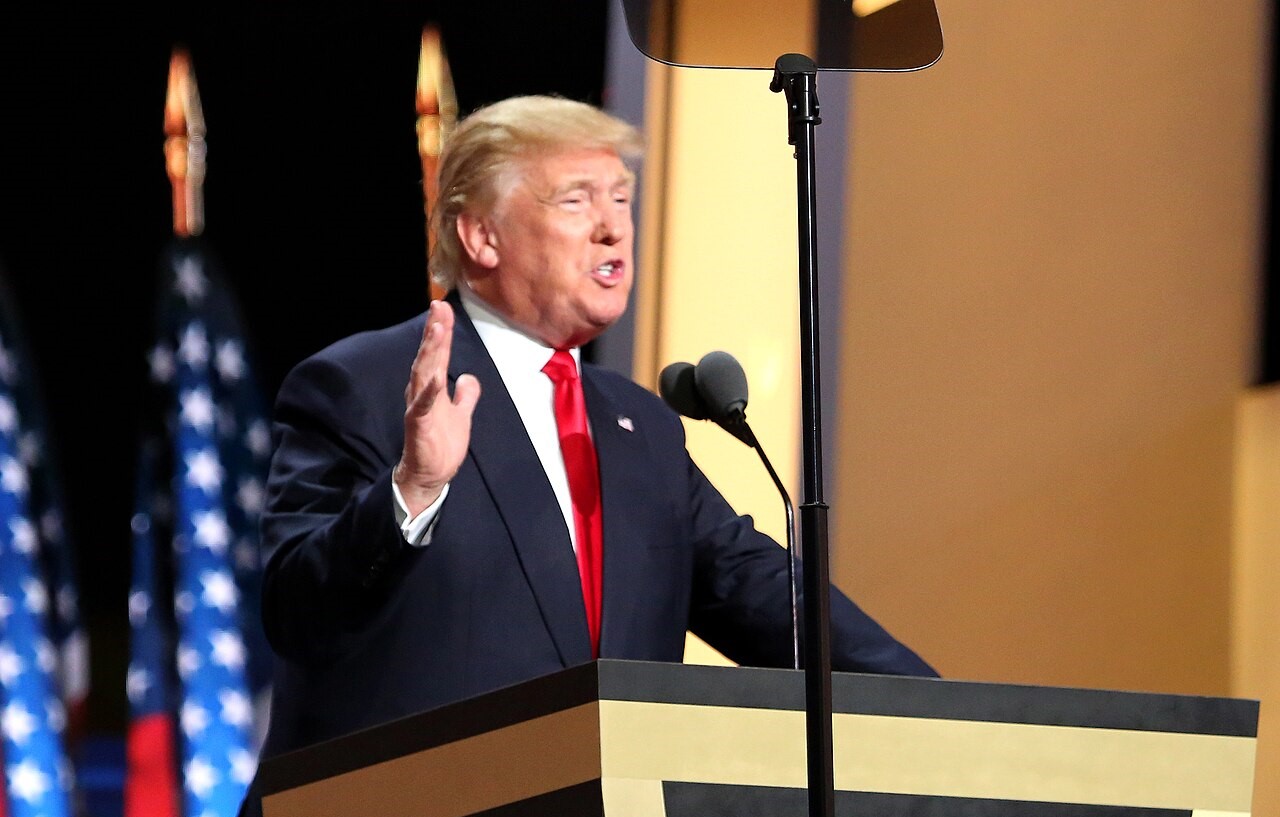
On Wednesday night, he is set to deliver a primetime address on the ongoing war with Iran, an appearance that comes at a pivotal moment, not just for the conflict itself, but for the broader political and economic landscape tied to it.
For weeks, the war has escalated rapidly. Now, expectations are shifting.
Is this the beginning of the end, or something else entirely?
A Speech at a Critical Turning Point
The timing of the address is not accidental.
Behind the scenes, the Trump administration has signaled that there may not be a major policy announcement. But the very act of going on primetime television suggests something more significant is at play.
Moments like this are rarely neutral.
They are used to frame narratives, signal direction, and manage expectations, especially when uncertainty is high.
And right now, uncertainty is everywhere.
A War Without Clear Endpoints
One of the biggest challenges surrounding the conflict is the lack of clearly defined objectives.
Since the war began, Trump’s messaging has shifted repeatedly:
From calls for unconditional Iranian surrender
To hints of negotiated settlements
To claims the war could end within weeks
Most recently, he suggested the conflict could wrap up in “two to three weeks,” even without a formal agreement.
That flexibility gives the administration room to maneuver.
But it also raises a deeper question:
What does “victory” actually look like?
Analysts say that without clearly defined goals, the administration could declare success at almost any point, regardless of whether core issues, like Iran’s nuclear capabilities or regional influence, have been fully addressed.
Domestic Pressure Is Building Fast
While the war plays out overseas, its impact is being felt at home.
Public opinion has shifted noticeably.
Recent polling shows that a majority of Americans want the conflict to end quickly, even if that means stopping short of fully achieving military objectives.
That sentiment is being driven by two major concerns:
War fatigue
Economic pressure
Gas prices have surged past $4 per gallon, hitting levels not seen in years. For many Americans, that’s not an abstract statistic, it’s a weekly expense.
And it directly challenges one of Trump’s core economic talking points: lower energy costs.

The Strategy of Uncertainty
Trump’s approach to foreign policy has often relied on unpredictability.
He has acknowledged that keeping allies and adversaries guessing is part of his strategy. In this case, that uncertainty extends to both diplomacy and military planning.
Even now, signals from the administration appear mixed:
Hints of negotiations
Threats of escalation
Claims of imminent victory
This ambiguity may serve a tactical purpose.
But it also makes it harder for observers, both domestic and international, to assess what comes next.
Allies Watching Closely
The speech will not just be watched in the United States.
It will be closely analyzed by governments across the world.
For U.S. allies, the concern is coordination.
For adversaries, the concern is intent.
Recent tensions within alliances, particularly around military support, have already raised questions about how aligned the U.S. is with its partners in this conflict.
What Trump says, and how he says it, could either reassure allies or deepen those uncertainties.
Iran’s Position, and Its Calculations
In Tehran, the remaining leadership is also watching closely.
From their perspective, recent events have shown that U.S. messaging does not always align with action.
There were indications of ongoing negotiations shortly before major strikes were carried out earlier in the conflict.
That history adds another layer of complexity.
Any signals coming out of this speech will be weighed carefully, not just for what is said, but for what might follow.
A Narrow Window for Next Steps
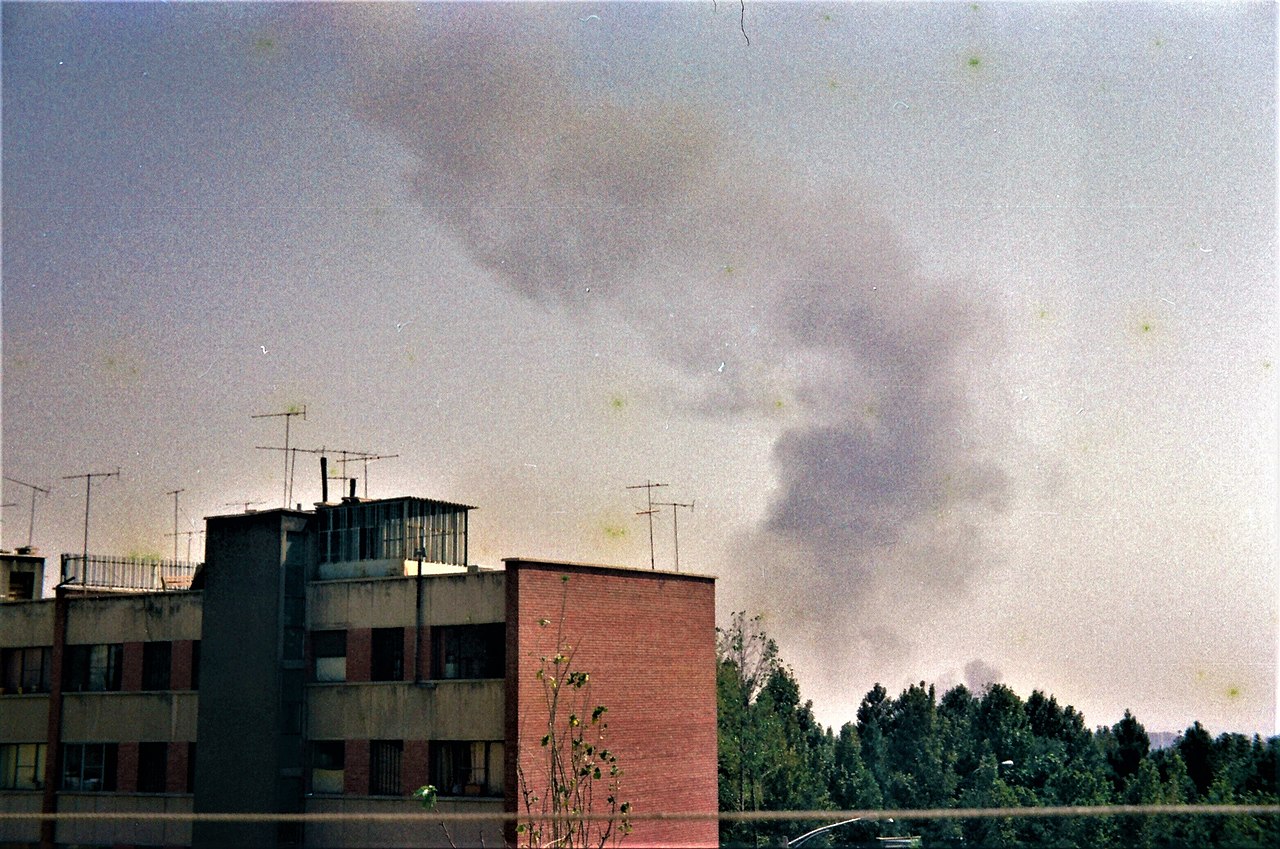
On the ground, the situation remains volatile.
Military operations have reportedly weakened key parts of Iran’s capabilities, including its navy and missile systems. But broader strategic goals, such as controlling nuclear materials or reopening critical shipping routes, are far more complex.
And they take time.
That creates a narrowing window.
If the administration intends to escalate further, decisions would need to come quickly.
If it intends to de-escalate, the groundwork for that shift must already be in motion.
The Stakes Beyond the Battlefield
This moment extends beyond foreign policy.
It carries economic consequences, political risks, and global implications.
For Trump, the speech is not just about explaining the war.
It’s about shaping how it is understood.
And potentially, how it ends.
What Comes Next
At this point, the situation remains unresolved.
There are signs of potential negotiations.
There are also signs of continued military pressure.
The address could clarify direction, or reinforce the uncertainty that has defined the conflict so far.
Either way, it will mark a key moment.
Because in a war where the objectives remain fluid, messaging becomes strategy.
The Bottom Line
Trump’s primetime address comes at a moment when expectations are high, but clarity is limited.
The war may be approaching a turning point.
Or it may be entering a new phase.
What’s clear is this:
What happens next will not just depend on what is said, but on what follows.
Featured Image from: Ali Shaker/VOA, Public domain, via Wikimedia Commons