

Mojtaba Khamenei takes control as Iran enters a new chapter following the death of its longtime leader
Iran is entering one of the most uncertain moments in its modern history following the death of Supreme Leader Ayatollah Ali Khamenei, who ruled the Islamic Republic for more than three decades.
Khamenei, 86, was killed in joint U.S. and Israeli airstrikes during the escalating regional conflict, according to Iranian state media and statements from U.S. officials.
His death marked the most dramatic shift in Iran’s leadership since the passing of the country’s founding revolutionary figure, Ayatollah Ruhollah Khomeini, in 1989.
But now, Iran has made a historic decision about who will lead next.
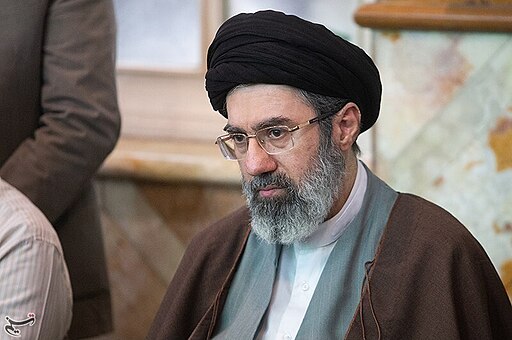
The country’s powerful clerical body, the Assembly of Experts, has selected Ayatollah Mojtaba Khamenei, the son of the late leader, as Iran’s new supreme leader.
The decision makes Mojtaba Khamenei the third supreme leader in the history of the Islamic Republic and marks the first time leadership has effectively passed from father to son since the 1979 revolution.
A Temporary Leadership Council Held Power First
Immediately after Ali Khamenei’s death, Iran activated a temporary leadership council to stabilize the government during the succession process.
The interim council included three key figures:
- Masoud Pezeshkian, Iran’s president
- Gholamhossein Mohseni Ejei, head of the judiciary
- Alireza Arafi, a senior cleric and Guardian Council member
Under Iran’s constitution, this council temporarily assumes the duties of the supreme leader until a new one is chosen by the Assembly of Experts, an 88-member body of clerics responsible for selecting the country’s highest authority.
The council’s role ended once the Assembly finalized its decision to appoint Mojtaba Khamenei.
Who Is Mojtaba Khamenei?
Iran’s new leader, Ayatollah Mojtaba Khamenei, has long been considered one of the most influential figures behind the scenes in Iranian politics.
Despite holding few official government positions, he built strong relationships with key power centers in the country, particularly the Islamic Revolutionary Guard Corps (IRGC).
Analysts say those ties helped position him as a leading candidate to succeed his father.
His appointment is controversial inside Iran because the Islamic Republic was originally founded in opposition to hereditary monarchy. Critics argue that a father-to-son succession resembles the very system the 1979 revolution sought to overthrow.
Still, Iran’s military and political leadership quickly signaled support for the new leader after the announcement.
The Revolutionary Guard’s Influence
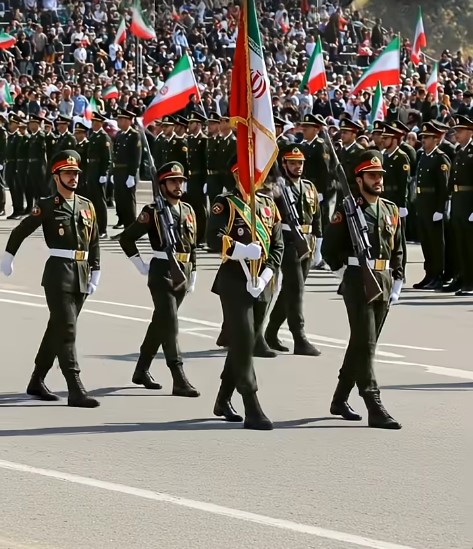
The Islamic Revolutionary Guard Corps remains one of the most powerful institutions in Iran and is expected to play a critical role in maintaining stability during the leadership transition.
Over decades of rule, Ali Khamenei transformed the Revolutionary Guard into the backbone of the Iranian state.
Today the organization controls significant portions of:
- Iran’s military forces
- Intelligence and security operations
- Ballistic missile programs
- Major economic industries
Because of this influence, the Guard’s backing was widely viewed as essential for any successor to consolidate power.
Following Mojtaba Khamenei’s appointment, Iran’s armed forces and Revolutionary Guard units publicly pledged loyalty to the new leader.
A Leader Who Shaped Modern Iran
Ali Khamenei ruled Iran from 1989 until his death in 2026, making him one of the longest-serving leaders in the Middle East.
When he took power after Khomeini’s death, many questioned his religious authority and political strength.
Over time, however, he consolidated power and built a system in which the supreme leader held ultimate authority over the military, judiciary, intelligence services, and key national institutions.
During his rule, Iran expanded its regional influence through alliances with militant groups often referred to as the “Axis of Resistance.”
These groups included:
- Hezbollah in Lebanon
- Hamas in Gaza
- Houthi forces in Yemen
- Iranian-backed militias in Iraq
This network allowed Iran to project influence across the Middle East while avoiding direct large-scale wars with major powers.
However, it also intensified Iran’s confrontation with Israel and the United States.
Domestic Pressures Were Already Rising
Even before Khamenei’s death, Iran faced significant domestic challenges.
Years of economic sanctions, inflation, and political repression fueled waves of protests across the country.
Major demonstrations erupted in:
- 2009 following disputed elections
- 2019 over rising fuel prices
- 2022 after the death of Mahsa Amini, who had been detained by morality police
Security forces responded with harsh crackdowns that left hundreds dead and thousands arrested.
In recent years, protests increasingly targeted the entire political system, with some demonstrators openly calling for an end to clerical rule.
A War That Changed the Balance
The events that ultimately led to Khamenei’s death began with the October 7, 2023 attack on Israel, which triggered a chain of conflicts across the Middle East.
Israel launched a large-scale military campaign against Hamas in Gaza, and tensions gradually escalated into direct confrontation between Israel and Iran.
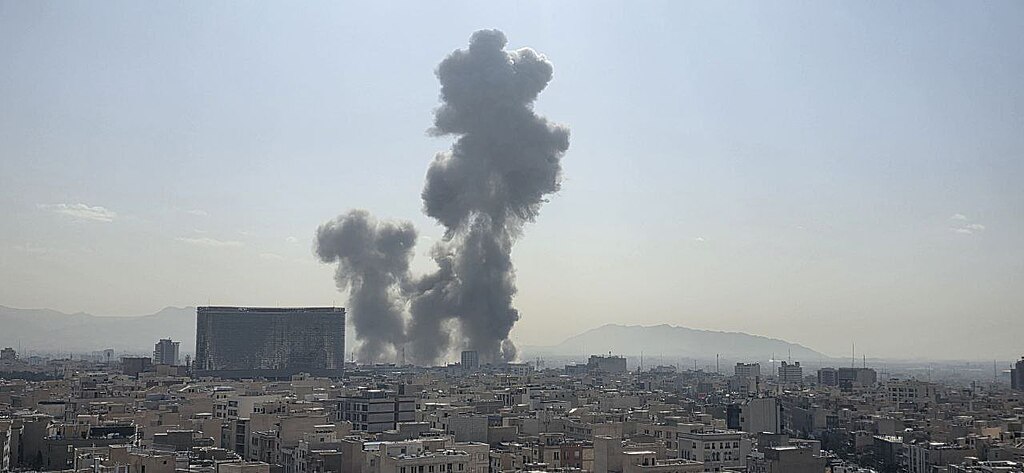
In June 2025, Israel and the United States launched strikes on Iranian nuclear facilities and military targets.
The latest bombing campaign that killed Ali Khamenei marked the most dramatic escalation yet.
For many Iranians, the moment has created a mixture of shock, uncertainty, and anxiety about the country’s future.
What Comes Next for Iran
With Mojtaba Khamenei now installed as the new supreme leader, Iran enters a new political era.
However, major questions remain.
Analysts say several challenges could shape the country’s future:
Consolidating power
The new leader must secure support from Iran’s powerful military and clerical institutions.
Managing war and foreign pressure
The ongoing conflict with Israel and the United States continues to threaten regional stability.
Domestic unrest
Economic hardship and political dissatisfaction could still trigger further protests.
For now, Iran’s leadership is projecting unity behind its new supreme leader.
But the transition comes at a time of war, economic pressure, and political tension, making it one of the most consequential leadership changes in the country’s modern history.
Featured image from: AhmadKermani1979, CC BY-SA 4.0, via Wikimedia Commons