
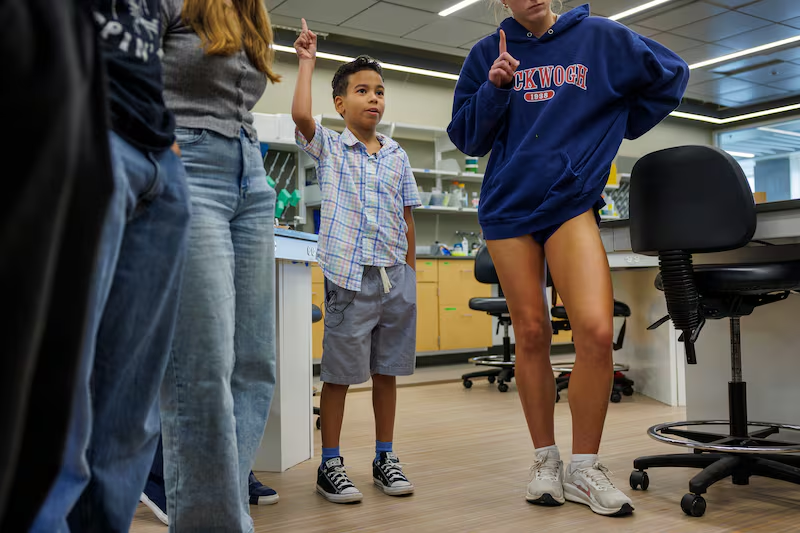
At just nine years old, Pennsylvania prodigy Aiden Wilkins is taking college-level neuroscience courses while finishing high school, driven by a dream to become a pediatric neurosurgeon.
While most nine-year-olds are learning multiplication or exploring the playground, Aiden Wilkins is exploring the human brain.
Meet the 9-year-old college student studying neuroscience.
The Collegeville, Pennsylvania native spends his mornings as a high school sophomore and his afternoons as the youngest student ever enrolled at Ursinus College, where he studies neuroscience, anatomy, and chemistry.
“I like helping kids around my age,” Aiden told NBC10 Philadelphia. “It’s sad to see kids around my age with neuro-disabilities, so I want to help them out.”
That sense of purpose has guided Aiden since he was barely old enough to read. “I could read street signs when most kids at my age, at like 2, could barely even speak,” he told WPVI via CNN Newsource. “I just grasped it so fast.”
A Young Mind Ahead of Its Time
By the time Aiden was three, he had traded cartoon shows for anatomy videos. “Ever since I was 3, I’d watch an anatomy video and was always fascinated when I saw the brain,” he told NBC10 Philadelphia. His curiosity quickly became a calling.
At six, Aiden was solving algebraic equations and had already passed his school’s gifted test, according to Good News Network. A year later, he became a student at Reach Cyber Charter High School, where he sped through coursework designed for teens nearly twice his age.
“He’s making history, and he feels great,” his mother, Veronica Wilkins, said in her interview with NBC10. “It’s exciting because he’s being seen and heard.”
When Aiden wanted a new challenge, Veronica found one close to home. She reached out to Ursinus College, a small liberal arts school just a few miles from their house. Professors there were open to the idea of a nine-year-old joining their neuroscience classes — and after reviewing his academic record, they agreed.
Now, three days a week, Aiden joins students aged 18 to 20 in lectures and labs. On the other days, he studies from home, completing his high school assignments online.
“He’s still very much a normal nine-year-old,” Veronica said. “He plays soccer, loves video games, it’s all about balance.”

College Life at Nine
At Ursinus, Aiden is known simply as “Aiden.” Most classmates were initially surprised to find a fourth-grader sitting beside them, but they quickly discovered he belonged.
“He participates in class just like everyone else,” one professor told local media. “He asks thoughtful questions — sometimes the kind that make older students stop and think.”
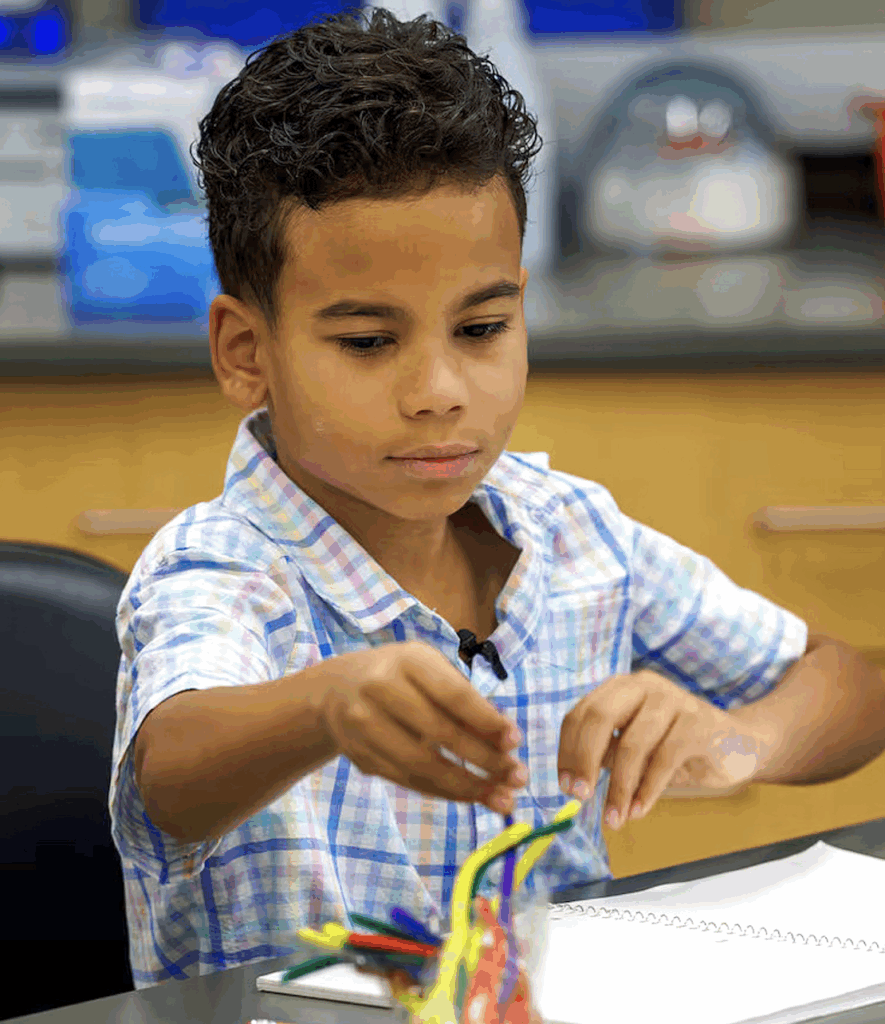
Aiden carries a backpack nearly as big as he is, filled with textbooks and notes on neural pathways and brain anatomy. After class, he sometimes chats with older students about their research projects before heading home for soccer practice or time with friends online.
“Sometimes people stare,” he admitted with a grin during his NBC10 interview, “but then they just treat me like anyone else.”
For him, college isn’t intimidating — it’s exciting. “It’s really cool to learn about how the brain works,” he said. “It’s like exploring a universe inside your head.”
A Brain Built for Purpose
Aiden’s fascination with neuroscience comes from both wonder and empathy. “Mainly because I always like helping people around my age,” he said to WPVI. “It’s sad to see kids around my age with neuro-disabilities, so I want to help them out.”
According to Good News Network, his goal is clear: to become a pediatric neurosurgeon. The same curiosity that once led him to watch anatomy videos now fuels his desire to heal others.
[IMAGE PLACEMENT #3]
📸 Suggested: Close-up photo of a brain model or neural diagram.
Alt text: Symbolic image representing Aiden Wilkins’ fascination with neuroscience.
If he continues on his current path, Aiden could one day challenge the Guinness World Record for youngest doctor, currently held by Balamurali Ambati, who graduated from Mount Sinai School of Medicine at age 17 in 1995.
But records don’t drive him. “What I really want people to know from my story,” Aiden told Good News Network, “is all you have to do is put in work to do whatever you want.”
What Makes a Prodigy
Aiden’s story fascinates not just because of his age, but because of what psychologists call the intersection of intellect and persistence. According to researchers at Johns Hopkins University’s Center for Talented Youth, true child prodigies often share three traits: advanced cognitive ability, emotional maturity, and intrinsic motivation: the desire to learn for its own sake.
Dr. Carol Dweck, a Stanford University psychologist best known for her research on the growth mindset, has found that believing intelligence can be developed — rather than fixed — leads to greater long-term achievement. Aiden seems to live that philosophy instinctively.
“He’s gifted,” his mother said, “but he also works incredibly hard.”
Unlike many precocious children who burn out under pressure, Aiden’s curiosity hasn’t dimmed. Experts say that’s because his learning environment encourages autonomy and joy, two essential ingredients in developing lifelong learners.
“He doesn’t see school as a race,” Veronica said. “He sees it as something fun, something that makes him happy.”
The Power Behind the Prodigy
Every extraordinary child has someone who helps them stay grounded. For Aiden, that person is his mother.
“He was reading signs and correcting people’s sentences almost as soon as he could speak,” Veronica told NBC10.
When she realized her son’s abilities were far beyond his years, Veronica focused less on pushing him ahead and more on supporting his curiosity. “I’m extremely proud of Aiden because it’s all him,” she said. “It’s all organic. I’m just behind the scenes, and he goes for what he wants.”
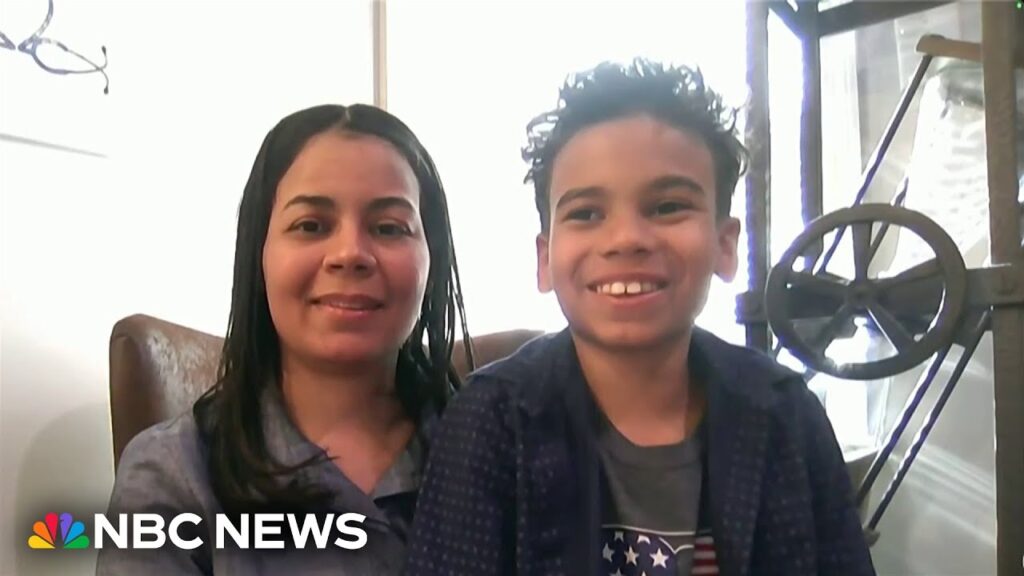
According to Good News Network, Veronica’s decision to contact Ursinus College was a turning point. “It’s all about him and his journey,” she told WPVI via CNN Newsource, “and me just supporting his journey.”
She admits it’s not always easy. “There are moments when I worry he’s missing out on just being a kid,” she said. “But then I see how happy and confident he is, that’s what matters.”
Her parenting approach, part intuition, part patience, reflects what child development experts recommend for gifted students: flexibility, emotional support, and opportunities for exploration. “I remind him that intelligence isn’t what makes you great, kindness does,” she said.
Passion Over Perfection
Aiden’s success is not built on competition, but compassion. “There’s so much we don’t know about the brain,” he told NBC10, “and I want to help discover it — especially when it means helping others.”
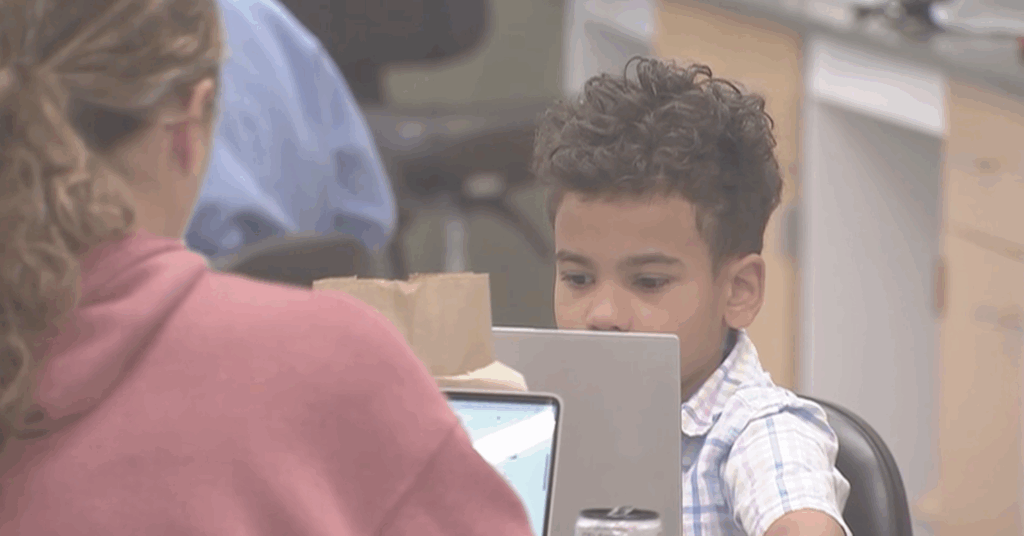
Psychologists say this mindset — focusing on purpose rather than perfection — is what keeps gifted kids motivated. “He really embodies that idea that hard work and heart matter as much as IQ,” said one of his instructors at Ursinus.
His message to other kids is simple but powerful: “You can do anything,” he said. “You just have to really put the work into it.”
Looking Ahead
Before he can get to medical school, Aiden has a few years — and degrees — to finish. But his ambition is unwavering. “I really like Johns Hopkins because they do a lot of work with neurology,” he said. “But Princeton’s close to home, so maybe there too.”
His mom smiles when she hears him talk about it. “He’s already thinking about college after college,” she joked.
Like them, Aiden’s path is extraordinary, but his motivation is refreshingly simple. “I just like learning,” he said. “It makes me feel like I can do something that matters.”
“He’s not trying to be a genius,” Veronica said. “He’s just being Aiden.”
For now, his focus is on being a kid who loves science. He still plays soccer, watches YouTube, and jokes with friends — only sometimes the homework is a little different.
Feature Image via Philadelphia Inquirer