
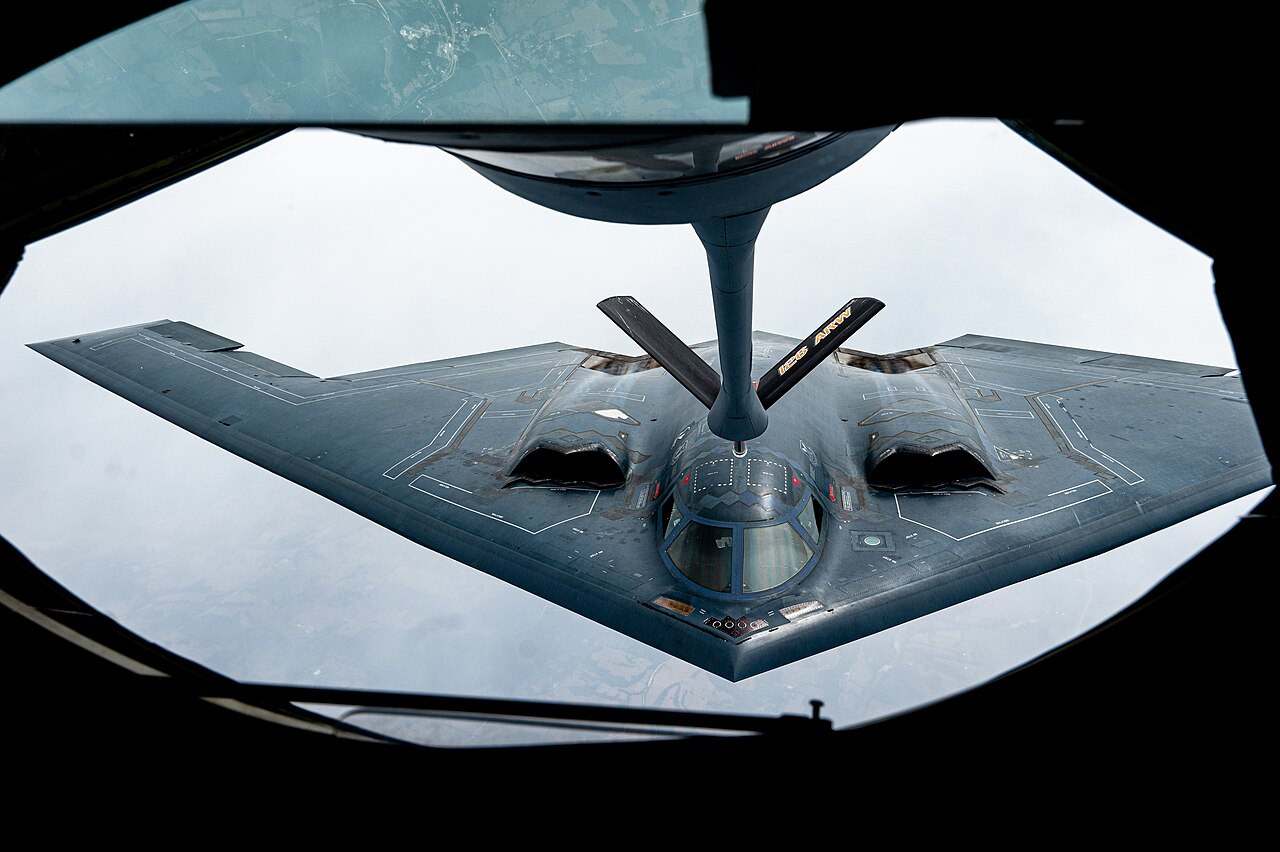
A U.S. military refueling aircraft declared an in-flight emergency over the Persian Gulf before landing safely in Qatar, adding another layer of tension to an already fragile standoff between Washington and Tehran.
The incident unfolded as the United States continues military operations tied to the Strait of Hormuz and attempts to preserve a shaky ceasefire with Iran following weeks of escalating conflict across the region.
Flight-tracking data cited by Iranian media showed the aircraft transmitting a “7700” distress code, the universal signal for a general emergency, while flying near Qatar before disappearing from public tracking systems.
The Pentagon later confirmed the aircraft landed safely, though officials provided few details about what triggered the emergency.
What Happened to the Aircraft?
The aircraft involved was identified as a U.S. Air Force KC-135 Stratotanker, one of the military’s primary aerial refueling jets.
According to flight-tracking data, the tanker had departed from Al Dhafra Air Base in the United Arab Emirates before broadcasting the emergency signal over the Gulf region.
The aircraft later landed safely in Qatar.
U.S. defense officials did not disclose the nature of the emergency, whether mechanical or operational, and did not specify what mission the tanker had been supporting.
The incident immediately drew attention because of the heightened military environment in the region, where American warships, fighter jets, surveillance aircraft, and refueling tankers have all been operating at elevated tempo amid the Iran crisis.
Ceasefire Remains Fragile
The emergency came as senior U.S. officials insisted that the ceasefire between the United States and Iran remains intact despite renewed maritime tensions.
Defense Secretary Pete Hegseth stated that the truce is still holding, even after Washington accused Iran of fresh attacks targeting shipping routes and vessels near the Strait of Hormuz.
The strategic waterway remains one of the world’s most sensitive energy chokepoints, carrying a significant share of global oil exports.
The United States has launched expanded naval operations aimed at protecting commercial shipping and reopening safe maritime corridors after repeated disruptions linked to the conflict.
On Monday, U.S. forces reportedly sank six small Iranian boats that officials said threatened commercial vessels navigating near the strait.
President Donald Trump has also continued warning Tehran against further escalation, though he declined to publicly define what actions would officially violate the ceasefire agreement.
“You’ll find out,” Trump told reporters when asked what would trigger a renewed American response.
The Strait of Hormuz Remains at the Center of the Crisis
The broader regional crisis still revolves around the Strait of Hormuz, where tensions have repeatedly threatened global energy markets.
Although the U.S. military has established a protected maritime corridor, commercial shipping traffic remains limited.
Only a small number of merchant vessels have reportedly used the route so far, while hundreds of ships remain delayed in Gulf waters amid concerns over safety and possible military escalation.
The uncertainty has left energy markets nervous, with governments and shipping companies closely monitoring every development.

Image from: w:en:Kleptosquirrel (talk | contribs), CC BY-SA 3.0, via Wikimedia Commons
What Is the KC-135 Stratotanker?
The KC-135 Stratotanker is one of the oldest and most important aircraft in the U.S. Air Force fleet.
Often described as a “flying gas station,” the aircraft is designed to refuel fighter jets, bombers, and surveillance planes mid-air, allowing American military operations to continue across long distances without landing.
The tanker first entered service in the late 1950s during the Cold War and has supported nearly every major U.S. military operation since, including Vietnam, Iraq, Afghanistan, and recent Middle East deployments.
Despite its age, the aircraft remains heavily used by active-duty forces, the Air National Guard, and the Air Force Reserve.
Military analysts say refueling aircraft like the KC-135 have become especially critical during the Iran conflict because they allow sustained fighter patrols and naval air operations across the Gulf region.
Recent KC-135 Losses Have Raised Concerns
The emergency near Qatar also comes just months after a deadly KC-135 crash during operations linked to the Iran conflict.
In March, a U.S. Air Force KC-135 crashed in western Iraq while supporting combat operations, killing all six service members aboard.
U.S. Central Command later confirmed the aircraft was not brought down by enemy fire and said the cause remained under investigation.
The crash marked the first major Air Force fatalities connected to the conflict and highlighted the risks facing support crews operating in high-pressure military environments.
Diplomatic Pressure Continues to Build
Alongside military operations, the United States is also ramping up diplomatic pressure on Tehran.
Secretary of State Marco Rubio recently introduced a U.S.-backed United Nations resolution threatening additional sanctions against Iran if attacks on shipping continue.
The proposal, reportedly backed by several Gulf allies, could soon face a vote at the UN Security Council.
Meanwhile, Iran continues accusing Washington of violating maritime law through its expanding naval operations near Iranian ports and shipping routes.
The standoff has left the broader region in a state of uncertainty, with military activity, diplomacy, and economic pressure all unfolding simultaneously.
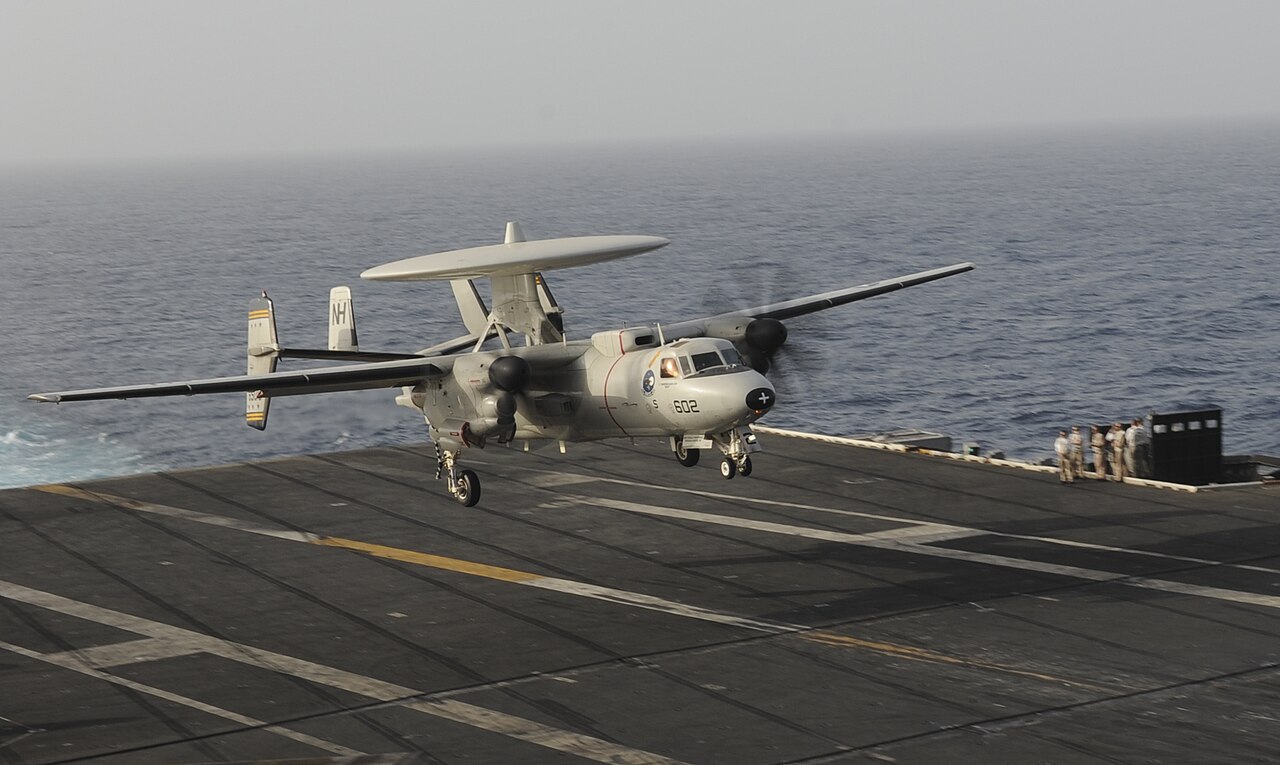
Featured image from: Senior Airman Mark Sulaica, Public domain, via Wikimedia Commons