
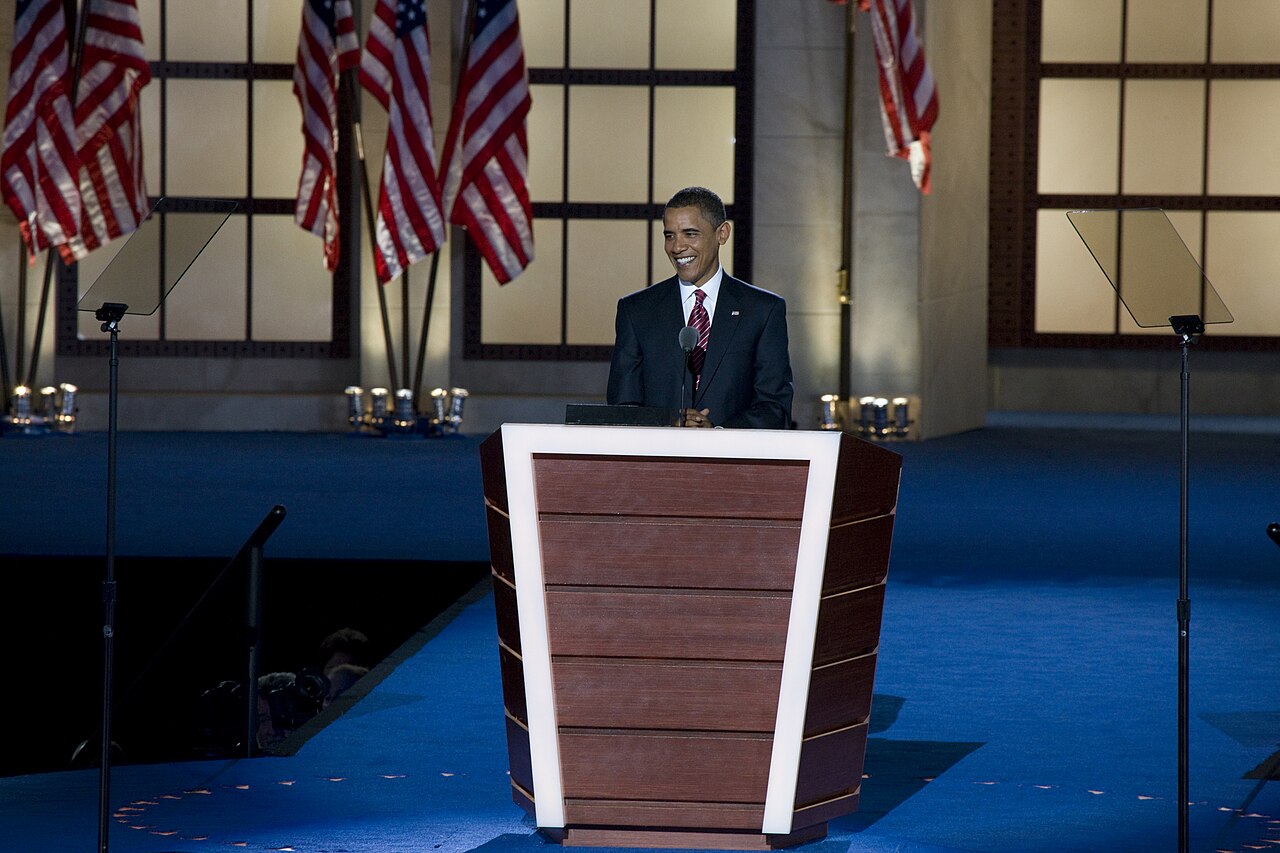
Former President Barack Obama says the demands of staying politically active after leaving office created real strain in his marriage to Michelle Obama.
In a candid interview, Obama acknowledged that his continued involvement in Democratic politics frustrated the former first lady, who hoped for a quieter life after years in public office.
“She wants to see her husband easing up and spending more time with her, enjoying what remains of our lives,” Obama said. “It does create a genuine tension in our household.”
Why Obama Stayed in Politics
Obama left the White House in 2017, but unlike many former presidents, he remained heavily involved in campaigning, fundraising, and national political debates.
According to Obama, much of that involvement was driven by concerns over President Donald Trump’s leadership and what he described as the “recklessness” of the current political climate.
He said the pressure to remain active politically was greater than he originally expected.
“I’m more forgiving of it,” Obama explained, noting that many Americans compare his role differently from previous former presidents because he continued serving as a major figure for the Democratic Party across multiple election cycles.
Balancing Public Life and Personal Life
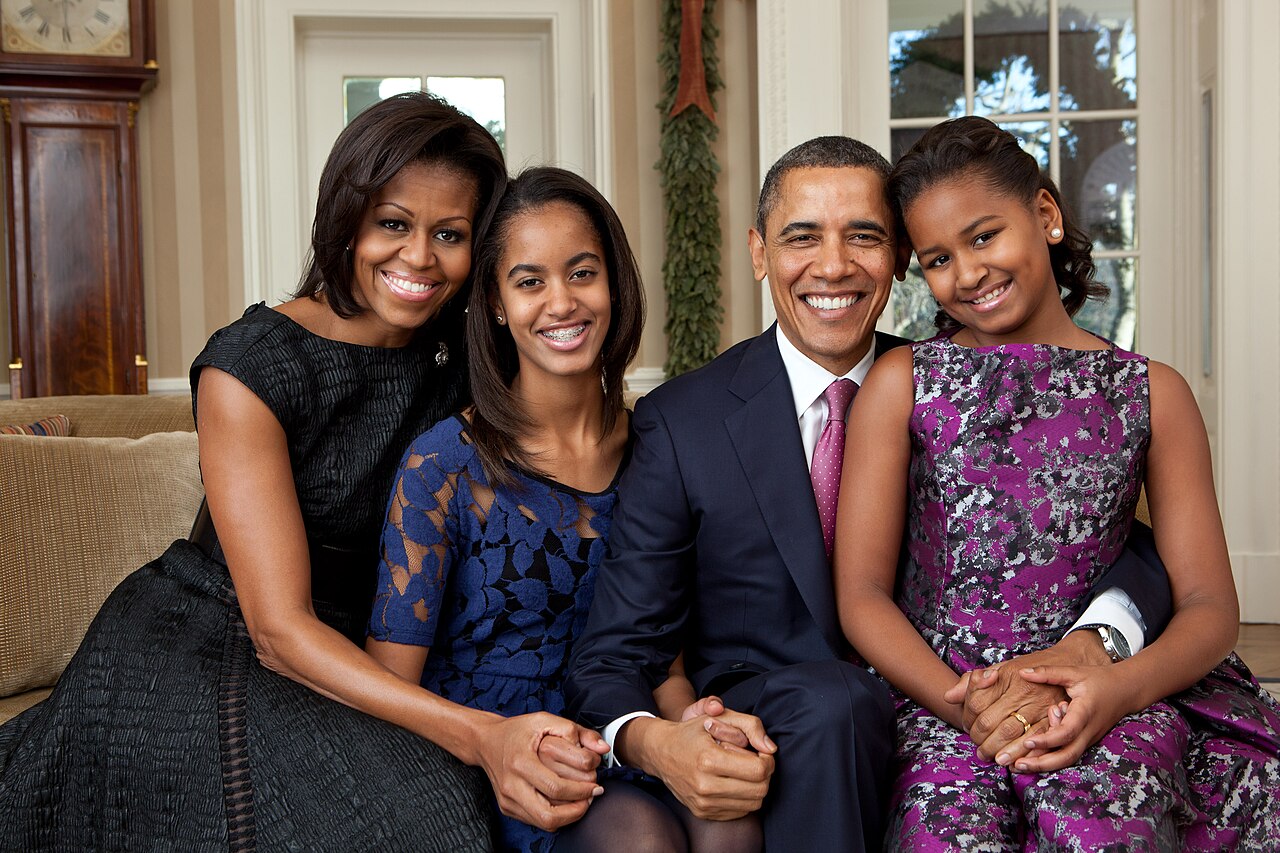
The comments add another layer to the Obamas’ long-discussed efforts to balance marriage, family life, and politics.
Michelle Obama has previously spoken openly about the challenges their relationship faced during Barack Obama’s political rise and presidency, including stress caused by public pressure and constant time away from home.
Now, years after leaving office, the former president says those tensions did not simply disappear once the White House years ended.
Obama suggested that Michelle hoped retirement from politics would allow them to spend more time together and enjoy a slower pace of life.
Instead, election cycles and national crises repeatedly pulled him back into the spotlight.
Obama Defends His Public Presence
The former president also addressed criticism from some Democrats who wanted him to take an even larger role during Trump’s presidency.
Obama argued that constantly appearing in political commentary roles could reduce his effectiveness.
“For me to function like Jon Stewart… just ripping what was happening — then I’m not a political leader, I’m a commentator,” he said.
Instead, Obama said he prefers making selective appearances and using nontraditional media platforms to connect with audiences who may not follow political news closely.
His longtime adviser David Plouffe noted that Obama’s interviews and public remarks often generate widespread attention precisely because he speaks less frequently.
Still One of the Democratic Party’s Biggest Figures
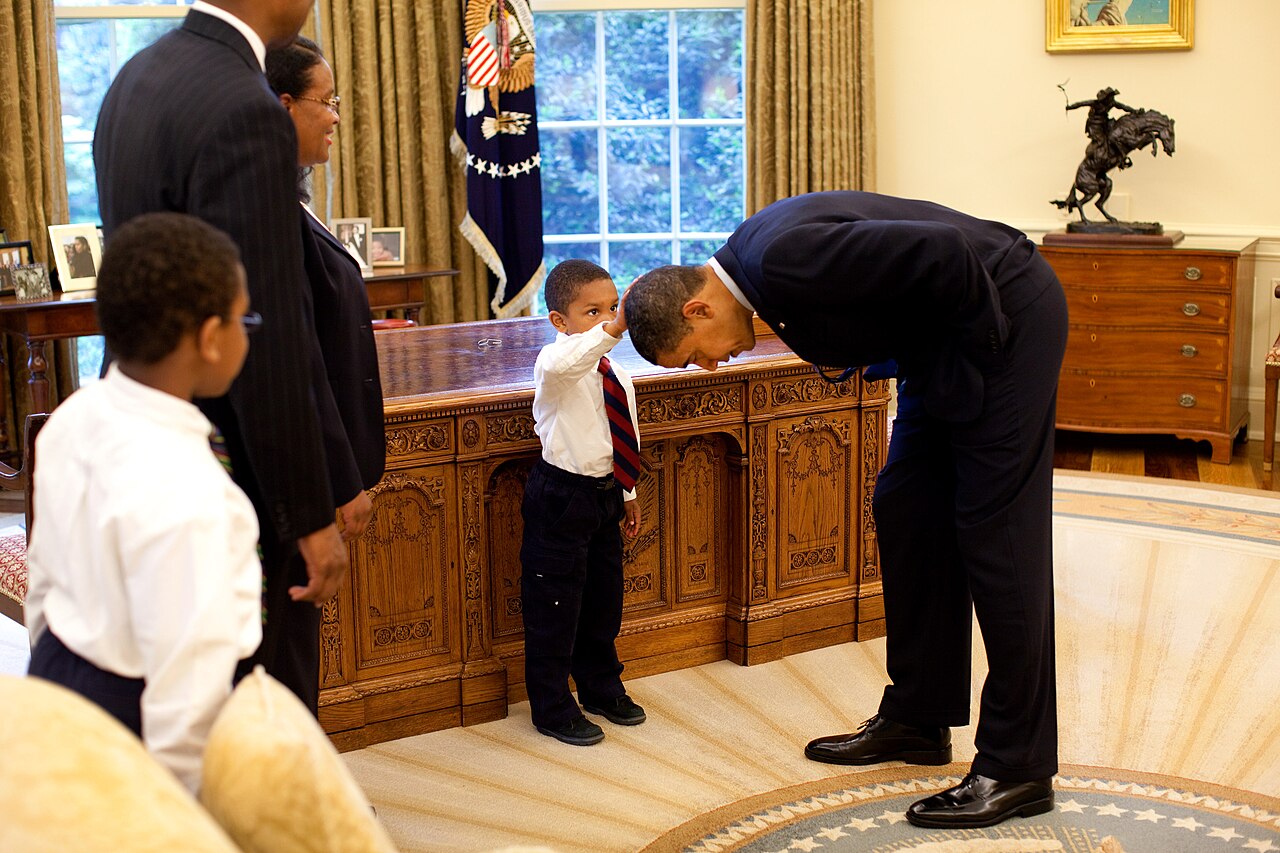
Even years after leaving office, Obama remains one of the Democratic Party’s most influential and popular figures.
A recent Gallup poll found he remains the most popular living U.S. president, with especially strong support among Democratic voters.
His political influence has also extended into key battleground fights ahead of upcoming elections, including efforts surrounding congressional redistricting and campaign mobilization.
Despite maintaining a lower profile than during his presidency, Obama continues to play a major role behind the scenes and during critical campaign moments.
Obama Also Weighed In on Iran Conflict
The interview also touched on foreign policy, including the escalating conflict involving Iran.
Obama said Israeli Prime Minister Benjamin Netanyahu had effectively achieved the confrontation with Iran he had long pushed for, this time with support from the Trump administration.
He questioned whether the conflict ultimately benefits either Israel or the United States.
The remarks came as the U.S. launched “Project Freedom,” a military operation aimed at reopening commercial shipping routes through the Strait of Hormuz amid ongoing regional tensions.
The Bottom Line
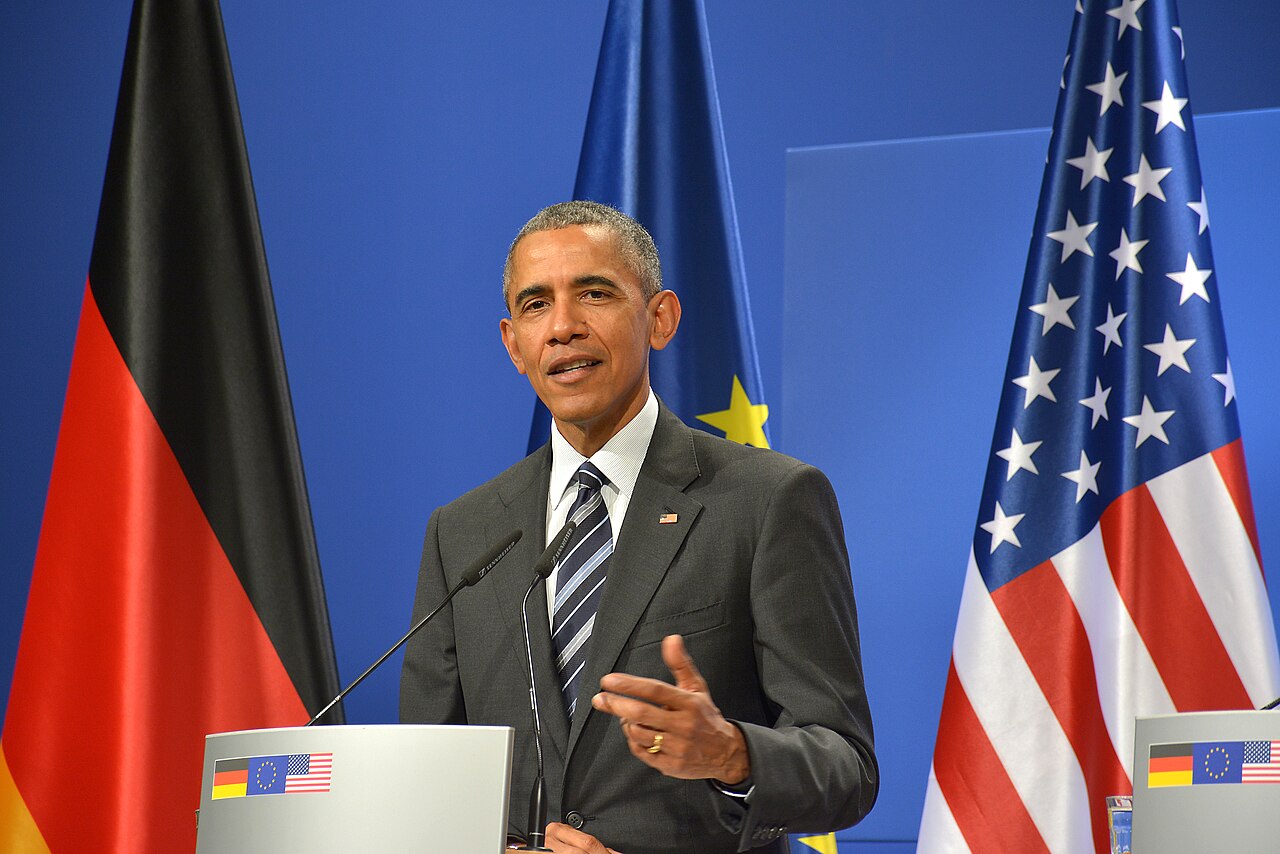
Obama’s comments offer a rare personal look at the challenges that can follow life after the presidency.
Even outside the White House, the demands of politics, public expectations, and global crises continue to shape both his public role and private life.
For the former president, the tension appears to come from trying to balance two competing realities: the pressure to remain politically engaged and the desire to finally step away from it.
Featured image from: Carol M. Highsmith, Public domain, via Wikimedia Commons