

Marjorie Taylor Greene’s messaging fuels debate, but experts say the risks are very real
A growing political divide inside the conservative movement is now spilling into a new and controversial space: taxes.
Former congresswoman Marjorie Taylor Greene is drawing attention, and concern, after amplifying messages that question whether Americans are legally required to pay federal income taxes, just days before the national filing deadline.
The comments have sparked a wider debate about protest, misinformation, and the legal realities of refusing to pay taxes in the United States.
What Greene Actually Said
Greene has not directly instructed Americans to stop paying taxes.
But in recent days, she has promoted and platformed voices who argue that many Americans are not legally required to file or pay federal income taxes, claims that have long been rejected by courts and tax authorities.
In a video shared on social media, Greene spoke with Paymon Mottahedeh, founder of Freedom Law School, an organization known for challenging federal tax requirements.
She framed the discussion around questions many Americans might be asking:
How can people organize a tax revolt?
Would they face legal consequences?
Could the government seize assets?
At one point, Greene referenced early American history, suggesting that resistance to taxation was part of the country’s founding identity.
But she stopped short of explicitly telling people not to comply with tax laws.
Why the Message Is Spreading Now
The timing is not accidental.
Greene’s messaging comes as several pressures converge:
Tax Day approaching in mid-April
Ongoing U.S. involvement in the Iran conflict
Rising cost of living concerns
Renewed scrutiny around political institutions
For some Americans, these issues are feeding frustration, and in some cases, openness to more radical forms of protest.
Greene has leaned into that sentiment, arguing that government spending decisions and foreign policy priorities are out of step with “America First” values.
Her posts suggest a broader dissatisfaction, not just with taxes, but with how taxpayer money is being used.
The Legal Reality: Taxes Are Not Optional
Despite the rhetoric, the legal framework around federal taxes is clear.
The 16th Amendment to the U.S. Constitution explicitly gives Congress the power to collect income taxes.
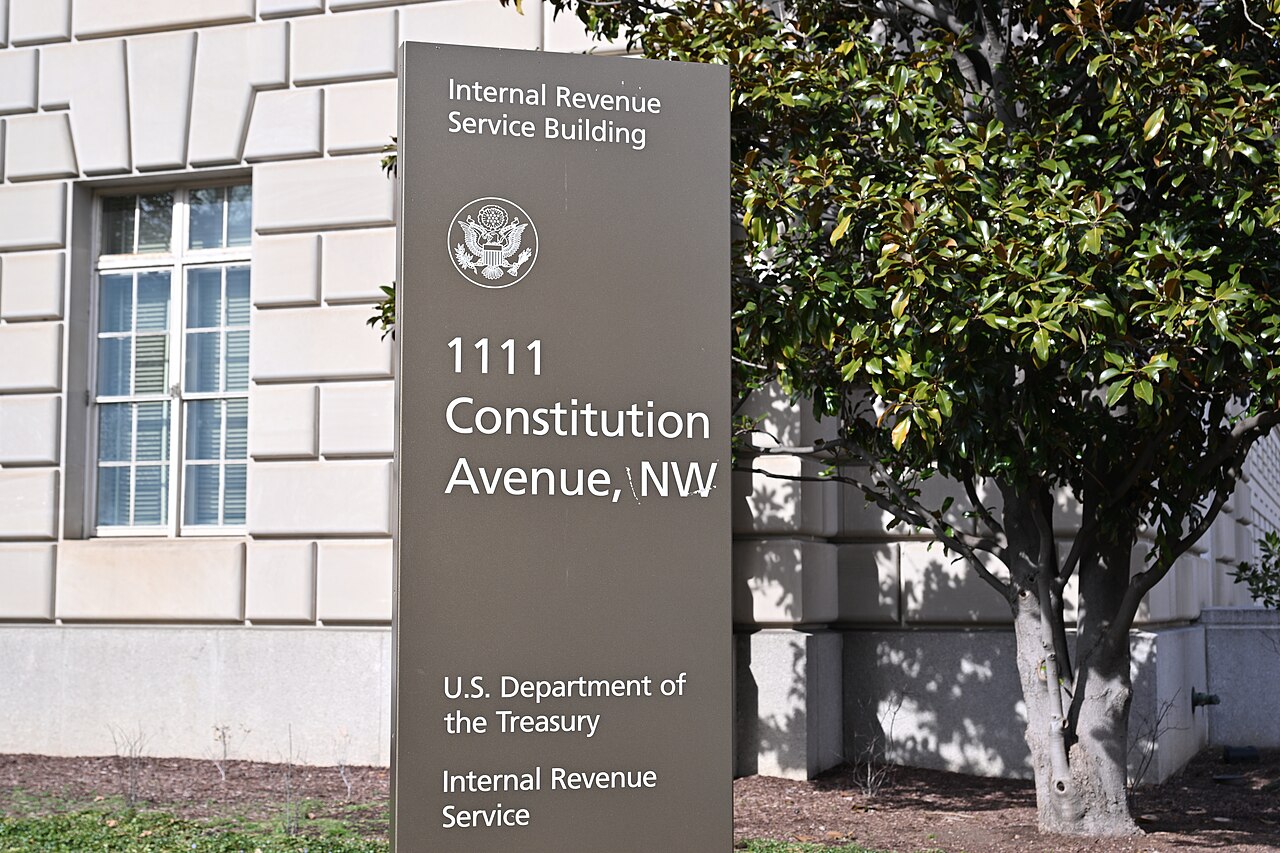
That authority is enforced through the Internal Revenue Code and administered by the Internal Revenue Service (IRS).
Legal experts consistently emphasize the same point:
Refusing to file or pay taxes is not a form of protected protest, it is a violation of federal law.
What Happens If You Don’t Pay
For Americans considering withholding taxes as a form of protest, the consequences can escalate quickly.
The process typically unfolds in stages:
First, penalties begin accumulating for failure to file or pay
Interest is added to any unpaid balance
The IRS may file a return on your behalf using standard deductions
A federal tax lien can be placed on your property
A levy can allow the government to seize bank accounts or wages
In more serious cases, the situation can move into criminal territory.
Tax evasion can lead to prosecution, fines, and even prison sentences.
These outcomes are not theoretical.
Individuals associated with tax protest movements, including some connected to groups like Freedom Law School, have previously been convicted and jailed.
A Political Message or a Risky Signal?
Greene’s defenders argue that she is raising legitimate questions about government spending and taxpayer rights.
Critics say her messaging risks misleading people into believing they can legally opt out of paying taxes.
That distinction matters.
Encouraging debate about taxation policy is one thing.
Amplifying claims that contradict established law is another.
Political analysts note that moments of economic strain often lead to increased interest in tax resistance movements, but those movements rarely succeed legally.

A Fracture Within the Movement
The controversy also highlights a deeper divide within the broader conservative base.
Greene has increasingly positioned herself as a critic of the current administration’s direction, particularly on:
Foreign policy decisions
Federal spending priorities
Internal party leadership
Her tax-related messaging appears to be part of a larger effort to rally support among voters who feel disillusioned.
But it also puts her at odds with more traditional conservative voices who emphasize law-and-order principles, including compliance with tax laws.
The Bigger Question
At its core, the debate goes beyond one politician or one set of comments.
It raises broader questions about:
How Americans express political dissent
Where the line exists between protest and illegality
How misinformation spreads during moments of uncertainty
Taxation has always been a sensitive issue in American politics.
But in today’s environment, shaped by social media, economic anxiety, and geopolitical conflict, the conversation is becoming more volatile.
The Bottom Line
Marjorie Taylor Greene is not explicitly telling Americans to stop paying taxes.
But by promoting voices who claim taxes are optional, she is fueling a narrative that carries real legal risks.
For now, the law remains unchanged.
Federal taxes are mandatory.
And choosing not to pay them is not a political statement, it’s a decision that can come with serious consequences.
Featured Image from: Gage Skidmore from Surprise, AZ, United States of America, CC BY-SA 2.0, via Wikimedia Commons