
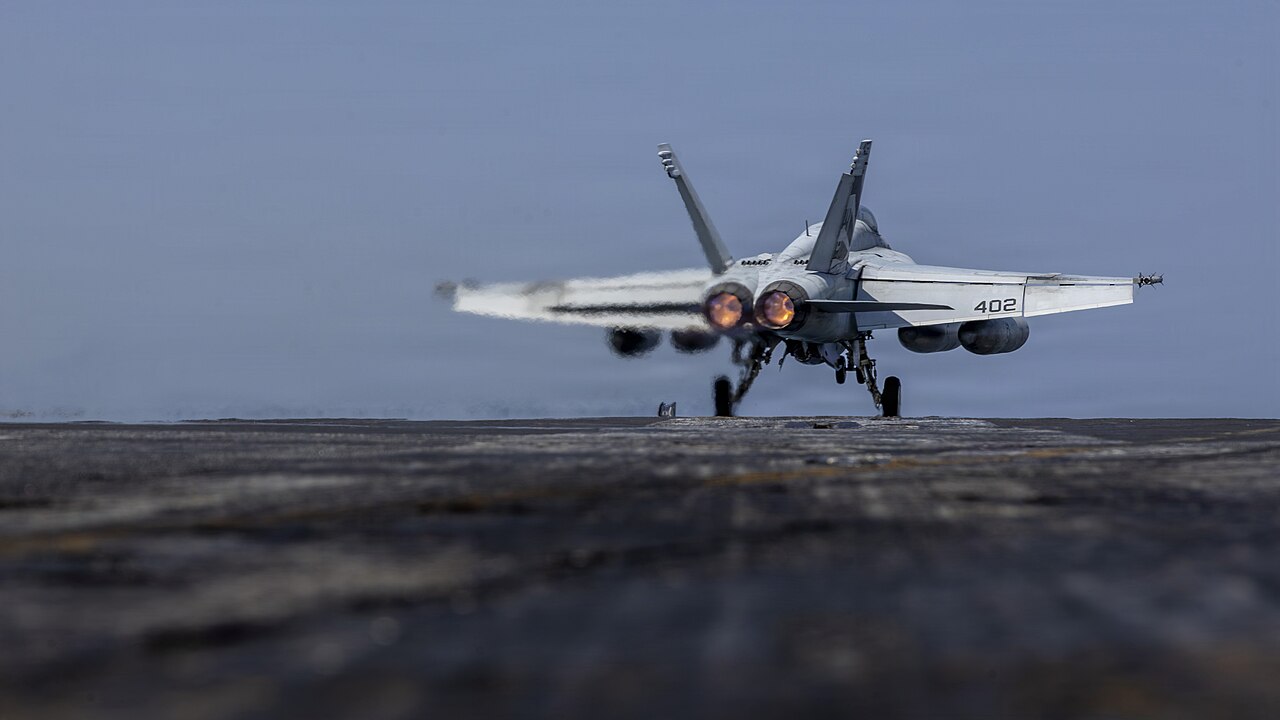
President Donald Trump claims Iran’s military is “destroyed” while signaling possible U.S. move into the Strait of Hormuz
President Donald Trump is signaling that the U.S. war with Iran could be nearing its end, but at the same time, he is raising the possibility of a major new escalation: U.S. control of the Strait of Hormuz, one of the most critical oil routes in the world.
In a phone interview Monday, Trump said the conflict has already achieved its primary objective.
“I think the war is very complete, pretty much,” Trump said. “They have nothing left in a military sense.”
The comments come as U.S. military officials confirm that more than 3,000 Iranian targets have been struck in the first week of operations.
“Nothing Left”: Trump’s Assessment of Iran’s Military
Trump described Iran’s military capabilities as largely dismantled following days of intense U.S. and Israeli strikes.
According to the president:
- Iran’s navy has been neutralized
- Its air force is no longer operational
- Missile systems have been heavily degraded
- Drone production capabilities are being destroyed
“They’ve got no navy, no communications, they’ve got no air force,” Trump said. “Their missiles are down to a scatter.”
The administration has framed the operation as a decisive blow aimed at preventing Iran from continuing its military and nuclear ambitions.
However, the situation on the ground remains fluid, and Pentagon messaging suggests the campaign may not be over.
Shortly after Trump’s remarks, the Department of Defense posted:
“We have only just begun to fight.”
That contrast highlights growing questions about how close the war actually is to ending.
Strait of Hormuz: A New Flashpoint
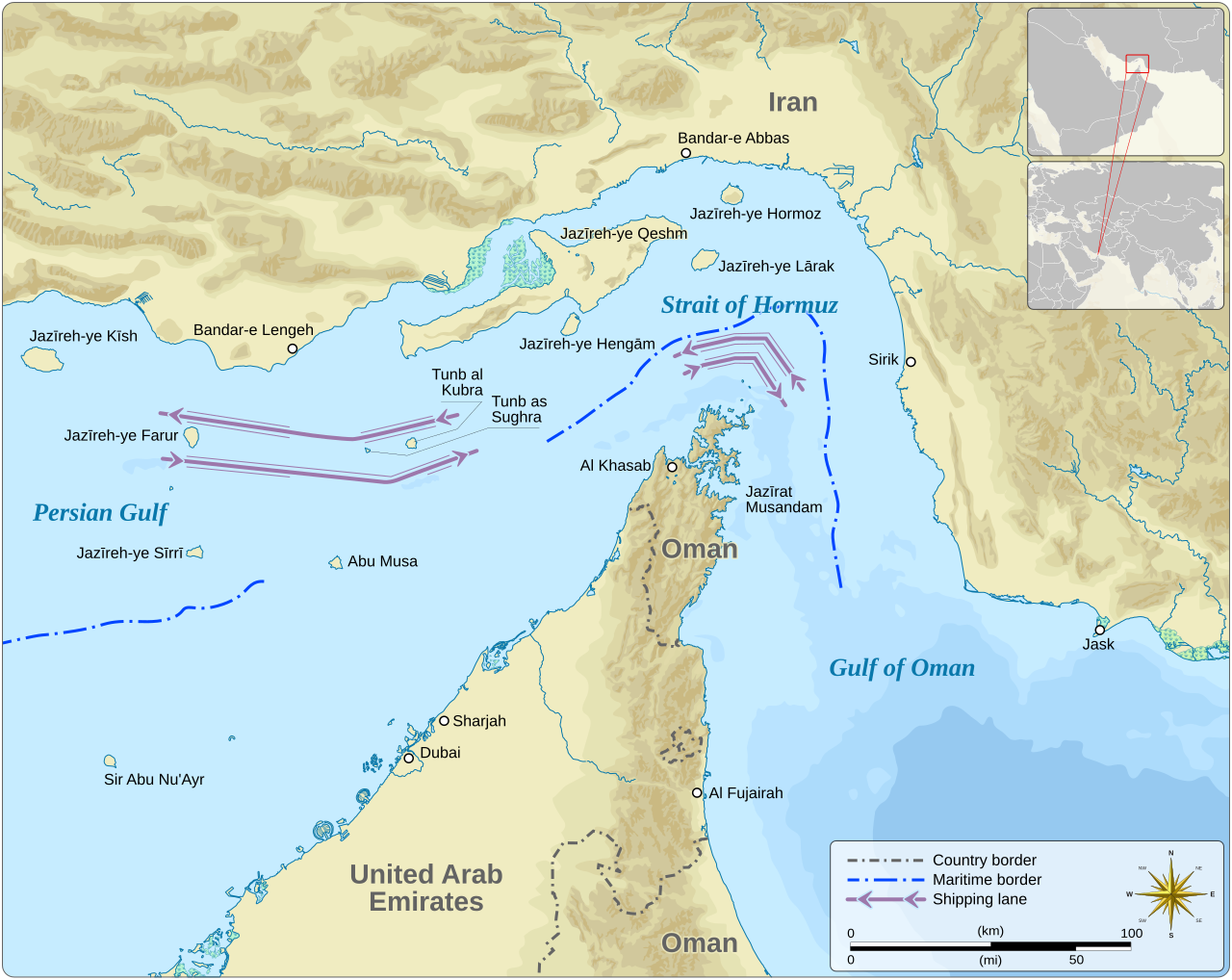
Even as Trump suggested the war is nearly complete, he introduced a potentially major escalation, the possibility of the United States taking control of the Strait of Hormuz.
The narrow waterway, located between Iran and Oman, is one of the most strategically important shipping lanes in the world.
Roughly 20% of global oil supply passes through the strait.
In recent days, commercial shipping in the area has nearly stopped due to security concerns and ongoing attacks.
Trump said the U.S. is considering direct action.
“We could do a lot about the strait,” he said, adding that he is “thinking about taking it over.”
He also issued a warning to Iran:
“If they do anything bad, that would be the end of Iran.”
The statement signals that even as the administration talks about winding down the war, it is still prepared to escalate if critical global infrastructure is threatened.
Leadership Change in Iran Adds Uncertainty
The comments come just hours after Iran confirmed a major political shift.
Following the death of Ayatollah Ali Khamenei, Iran has named his son, Mojtaba Khamenei, as the country’s new supreme leader.
Trump dismissed the development.
“I have no message for him. None, whatsoever,” he said, adding that he has “someone else in mind” to lead Iran.
The leadership change introduces another layer of uncertainty, as Iran navigates both internal transition and external conflict at the same time.
Analysts say the combination of war damage and political succession could shape Iran’s direction for years to come.
Markets React to Mixed Signals
Global markets responded quickly to Trump’s comments.
Oil prices initially dropped sharply, falling as much as 13.7% shortly after the interview, as traders reacted to the possibility that the conflict could wind down.
However, prices later rebounded and remain above pre-war levels.
Stock markets also recovered by the end of the day after early losses, reflecting uncertainty about whether the conflict is truly nearing its conclusion.
The Strait of Hormuz remains a key factor.
Any disruption, or potential U.S. intervention, could have immediate effects on global energy prices.
War Timeline Still Unclear
Trump had previously estimated that the conflict could last about a month.
Now, he says the timeline may be accelerating.
“We’re very far ahead of schedule,” he said.
At the same time, U.S. casualties continue to mount.
At least seven American service members have been killed since the conflict began.
Vice President JD Vance is expected to attend a dignified transfer ceremony for one of the fallen soldiers, highlighting the human cost of the war even as leaders discuss its potential conclusion.
When asked directly whether the war is close to ending, Trump made clear that the final decision rests with him.
“Wrapping up is all in my mind, nobody else’s,” he said.
A Conflict That May Not Be Over Yet
Despite the president’s optimistic tone, the situation remains uncertain.
Military operations are ongoing. Regional tensions are still high. And the possibility of further escalation, particularly around the Strait of Hormuz, remains very real.
For now, the war appears to be entering a new phase:
- Iran’s military has taken significant damage
- Leadership has changed in Tehran
- Global markets are reacting in real time
- The U.S. is weighing control over a key global oil route
Whether this marks the beginning of the end, or a transition into a different kind of conflict, is still unclear.
Featured image from: Public domain, via Wikimedia Commons